
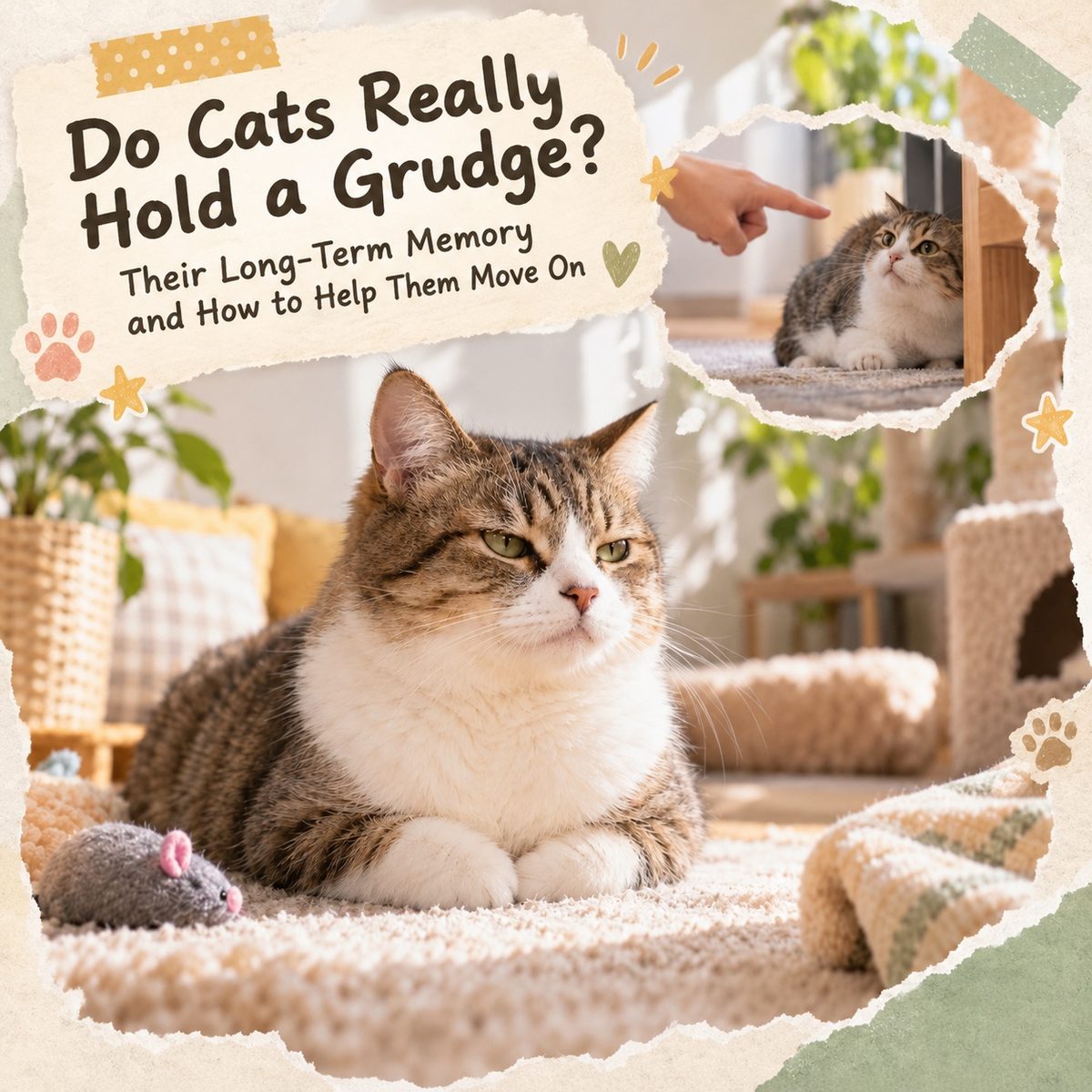

Quick answer: Yes! Cats really do hold grudges—but more precisely, they firmly remember experiences that made them feel threatened or uncomfortable. A cat's long-term memory can last for years or even a lifetime, and their scent-centred memory system means they'll instinctively hide at the sight of a medicine bottle, nail clippers or vet carrier. The good news is that with treat rewards and positive associations, you can help your cat gradually 'wash away' these negative memories.
Have you ever trimmed your cat's nails and then found it refused to come near you for days? Or taken it to the vet and had it hide under the bed the moment you got home? Don't think it's a coincidence—cats really do hold grudges!
How impressive is a cat's memory?
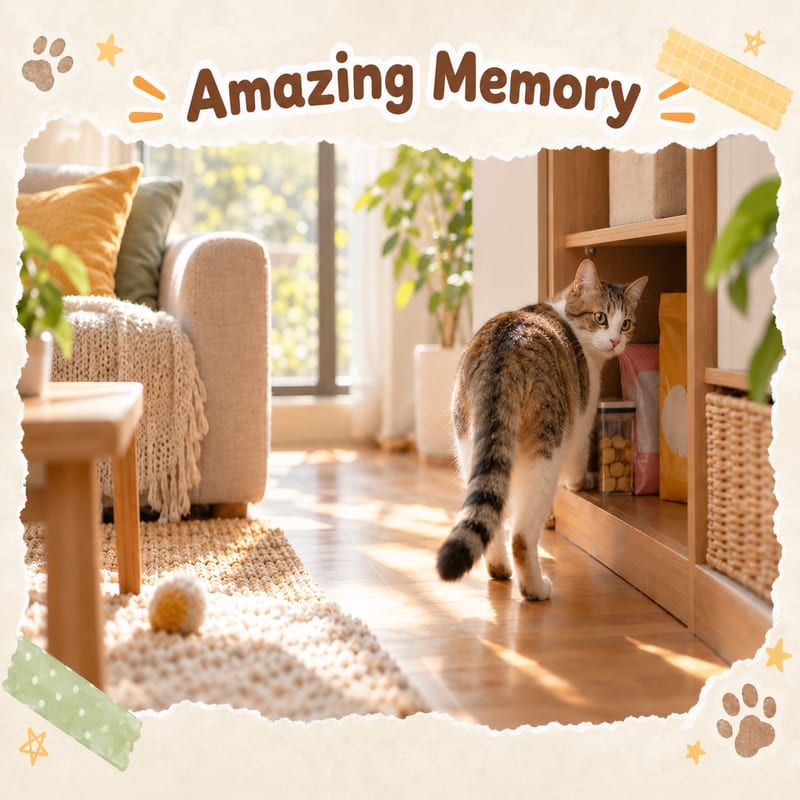
Many people think cats are aloof and ignore you, but scientific research confirms that cats actually have excellent memory:
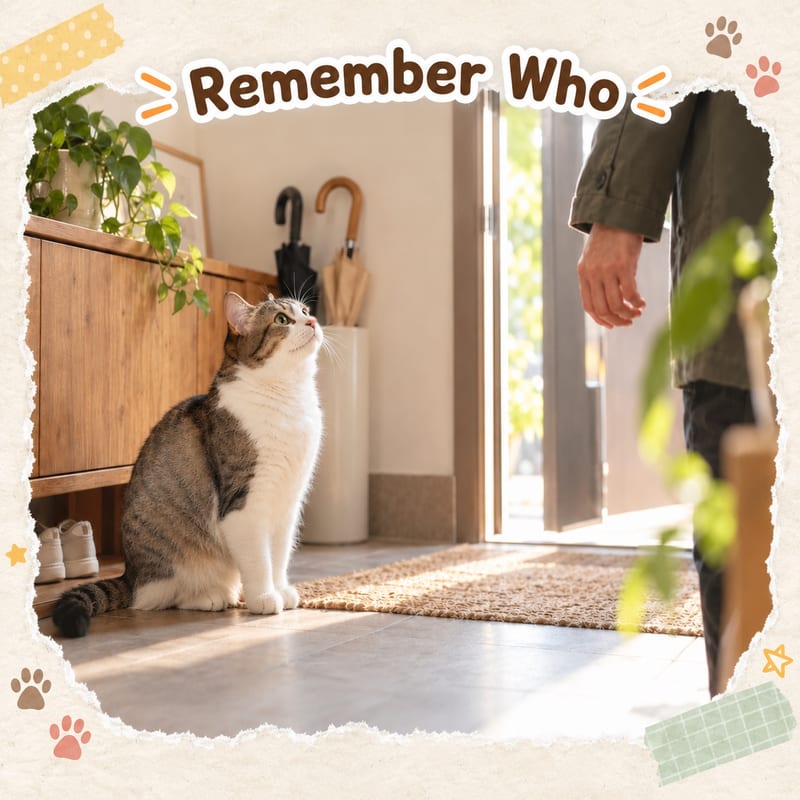
- They recognise their owner's voice: In a noisy environment, cats can precisely distinguish their owner's voice from others'
- They remember friends and enemies: Cats remember people who visit often, and also other cats that have threatened them in their territory
- Scent is the core of memory: A cat's memory system is centred on scent, combined with tone of voice and actions to form integrated memories
- Long-term memory is enduring: Cats can remember certain experiences for years or even a lifetime
Short-term memory vs long-term memory
Cat memory can be divided into two types:
- Short-term memory (working memory): Generally lasts only a few minutes to a dozen or so minutes—for example, remembering where you just put down a toy
- Long-term memory: Experiences strongly tied to emotion go straight into the long-term memory bank—whether happy or frightening, they can be remembered for years or even a lifetime
This is the key to why cats 'hold grudges': negative experiences accompanied by strong emotions are remembered more deeply and for longer than everyday trivial matters.
Why do cats 'hold grudges'?
The reason cats hold grudges is simple: they firmly remember experiences that made them uncomfortable. This is their survival instinct—in the wild, remembering the source of danger is the only way to avoid it and improve their chances of survival. Even as domestic cats, this mechanism is still running.
The three biggest grudge triggers
-
Giving medicine: Cats remember the bitter taste of medicine, and the next time they see you pick up the medicine bottle they'll run off immediately
-
Nail trimming: After one trim, they'll pull their paws away every time they see the nail clippers
-
Going to the vet: The pain of an injection stays in their memory
Common signs of a cat 'holding a grudge'
Cats don't 'take revenge' like humans; their grudges are actually an avoidance response:
| Behaviour | Reason behind it |
|---|---|
| Running off the moment they see you pick up a certain object | Linking the object to a negative experience (e.g. nail clippers = pain) |
| Hiding from you for days after a vet visit | Linking 'being picked up and taken out' with stress |
| Being especially sensitive to certain sounds | Linking a tone of voice with an unpleasant experience (e.g. the sound of a medicine bottle opening) |
| Suddenly refusing to let you touch certain areas | That area once caused them pain or discomfort |
How long can a cat hold a grudge?
This is the question most cat owners care about. The answer depends on the intensity of the experience:
- Mild discomfort (e.g. a single nail trim): Usually fades within days to weeks
- Strong fright (e.g. being trapped, being startled): Can be remembered for months
- Traumatic experience (e.g. abuse, serious injury): May be remembered for life
Importantly, a cat's memory is scent-driven—so even after a long time, as long as they smell a similar scent, the whole memory can be triggered. This is also why some cats can still recognise people who were kind to them even after moving house or years apart.
How to repair the relationship with a cat that 'holds a grudge'
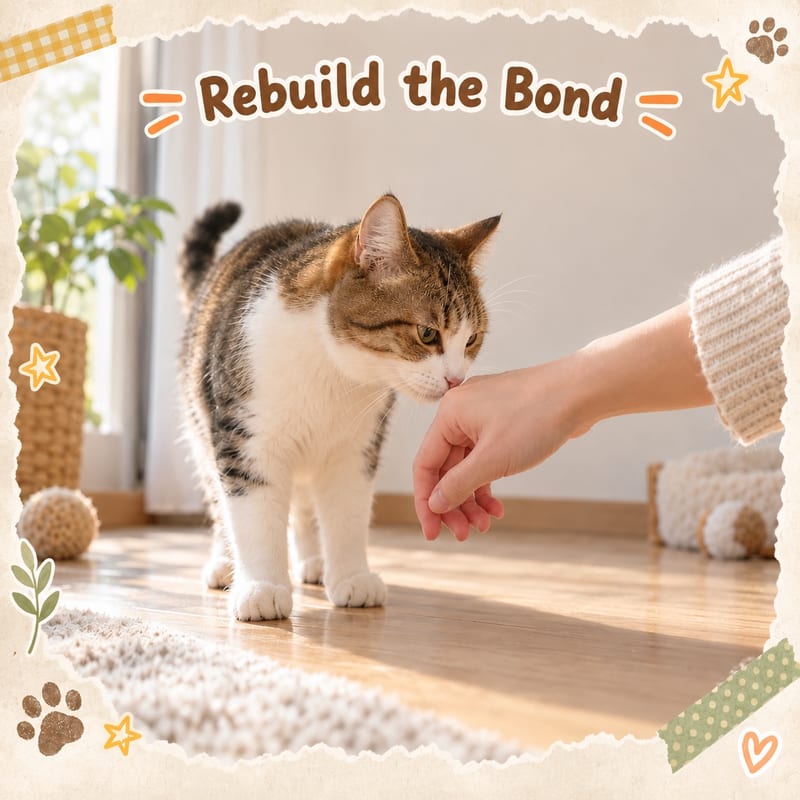
Use treats to build positive associations
Right after doing something 'unpleasant', immediately give a treat as a reward. Cats will gradually link 'nail trimming/medicine' with 'something tasty', and the negative impression will be overwritten.
Gentle interaction
Gently stroke the areas they like (chin, behind the ears, base of the tail), using slow movements and a soft tone of voice to rebuild their sense of security with you.
Take it step by step
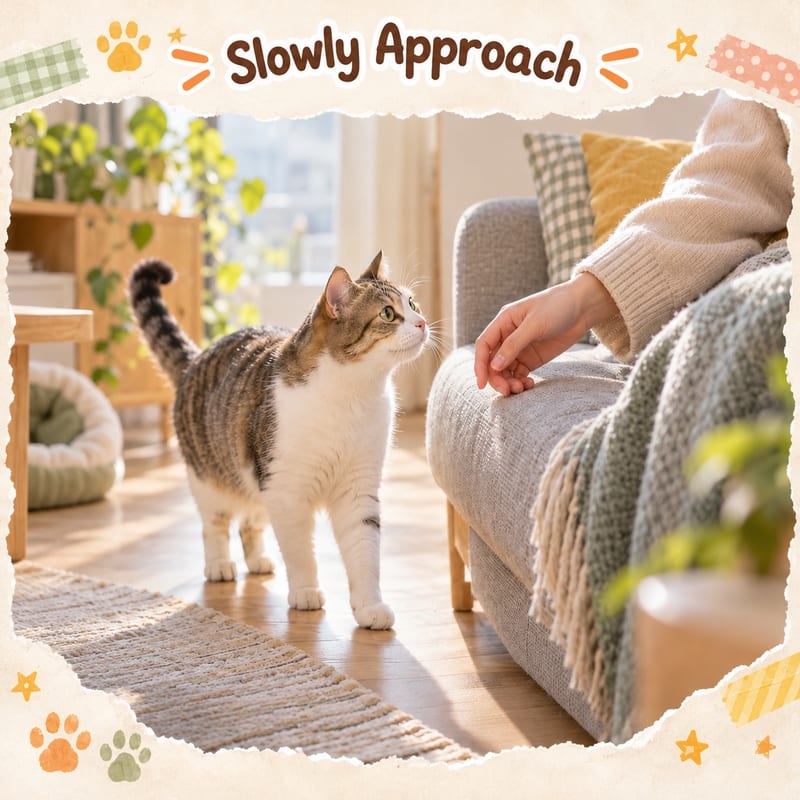
Don't rush to pick them up or force interaction. Let the cat decide when to come near you—approaching you on their own is the true sign of trust.
Stay consistent
Cats like routine. Feed, play and scoop the litter at fixed times; a stable daily routine makes them feel safe and speeds up the repair of your relationship.
Hong Kong small-flat practical guide: a 3-day relationship repair timetable
Day 1: De-stress immediately when you get home
- Before getting out of the car: At the taxi or MTR station exit, drop two local freeze-dried treats into the carrier so your cat starts linking 'going out' with 'something tasty'.
- Within three minutes of entering the flat: Don't rush to pick them up; put the carrier on the floor and open the door so they can walk out on their own. With loud traffic downstairs in Hong Kong, turn on the air-conditioning or a fan a little to create white noise and reduce sudden street sounds.
- At dusk: Put their favourite canned food (a Hong Kong-made grain-free range is recommended) in the usual feeding spot, then sit two metres away scrolling on your phone and let them decide when to come out and eat.
Day 2: Rebuild the scent map
- Morning: Fold a T-shirt you've worn overnight (with your scent) and place it at the entrance of the cat tunnel so they can smell a familiar scent; place the tunnel near the window to use natural light to increase their sense of security.
- When you get home from work: Don't turn on the big lights immediately; use a warm desk lamp first, walk slowly towards the litter box and say softly, 'I'm home~'. If they come out, immediately give a low-salt freeze-dried treat; if not, leave the treat at the tunnel entrance for them to take themselves.
- Before bed: Use the same towel to gently wipe your hands, then wipe the cat's cheeks to exchange scents and help them re-mark their 'safe territory'.
Day 3: Proactive interaction test
- Before breakfast: Place the nail clippers on the coffee table without touching them, just letting the cat see them from a distance. If they don't run off immediately, give a treat from a distance to build the initial association 'seeing nail clippers = food'.
- Evening playtime: Use a common Hong Kong feather wand (the kind that costs around $20 at ParknShop or pet shops), wave it slowly in the middle of the living room and let them pounce on their own. Right after play, open a can of wet food as a reward so they link 'interacting with you' with 'happy + tasty'.
- Before bed: If they're already willing to head-bump your hand on their own, the relationship has been successfully repaired; if they're still hiding, repeat Day 2's steps and give them another day or two of patience.
Still no improvement after three days? If your cat refuses to come out to drink for more than 72 hours, stops using the litter box entirely, or shows vomiting or diarrhoea, contact your nearest Hong Kong vet clinic immediately—for example the 24-hour emergency centres in Mong Kok or Causeway Bay—to make sure stress hasn't triggered a health problem.
Hong Kong small-flat practical guide: the five-step 'clean slate' plan for your cat in a 300 sq ft flat
Hong Kong homes are small, cats have nowhere to escape, and negative memories accumulate more easily. The following five steps are designed for Hong Kong people—you don't need a big space to help your cat 'wipe the slate clean'.
1. Zone the space and set up a safe island first Put a semi-enclosed cat bed in a corner of the living room (an IKEA storage box with a hole cut in the side will do), with their favourite towel and small treats inside. Before every nail trim or medicine session, let the cat walk into the safe island on their own to calm down for 5 minutes, avoiding doing the job directly in an open space.
2. A Hong Kong-style 'treat rain' timetable Hong Kong people are busy with work, so try using '2 minutes before leaving for work in the morning' and '2 minutes after getting home at night' as fixed slots. Right after nail trimming, give a Japanese functional freeze-dried treat, for seven days in a row; your cat will then write 'nail clipper sound = tasty food' into their new memory.
3. Use the lift lobby for desensitisation Before taking your cat to the vet, do a 'mock outing' in the lift lobby downstairs: put the cat in the carrier, stay in the lobby for 30 seconds, immediately give a treat, then go home. Repeat a few times and the cat will discover that 'going out doesn't necessarily mean an injection'.
4. Where to hide the medicine bottle? Top shelf of the kitchen wall cabinet Hong Kong kitchens are small, so medicine bottles are most often left on the counter. Put all medicines, nail clippers and the vet carrier together on the top shelf of the wall cabinet and put them away immediately after use, reducing your cat's daily visual triggers.
5. When should you see a vet? If your cat has been hiding from you for two weeks straight, has a noticeably reduced appetite, or shows aggressive behaviour, book a vet appointment. Many Hong Kong clinics offer 'emotion-friendly consultations'—you can ask the vet to let your cat explore the consultation room freely for 10 minutes first, then examine them once stress is reduced.
📌 Key takeaways
-
✅ Cats hold grudges through scent; medicine bottles, nail clippers and vet carriers are the biggest triggers
-
✅ The more intense the negative experience, the longer the memory—trauma-level experiences can last a lifetime
-
✅ Give a treat right after nail trimming to rewrite 'pain' as 'tasty food'
-
❌ Don't force interaction; forcing your cat to come close will only deepen the shadow
-
❌ Don't chase your cat when they run off—it's the same as reminding them 'you're still not safe'
-
Cats really do hold grudges—negative experiences accompanied by strong emotions go straight into long-term memory
-
A cat's memory is centred on scent, and long-term memory can last for years or even a lifetime
-
'Holding a grudge' is actually an avoidance response, not revenge—cats simply want to avoid things that make them uncomfortable
-
Mild discomfort fades within days to weeks; traumatic experiences may be remembered for life
-
Treat rewards + gentle interaction + a stable routine can help your cat rebuild trust and overwrite negative memories
PetChill's Reminder
Patience and love are the best secrets to building a long-lasting relationship with your cat! Cats don't hold grudges because they're petty—they hold them because they remember deeply. By the same token, all the kindness you show them will be remembered in their hearts too.
To learn more about cat behaviour, keep following PetChill's latest articles!
These behaviours aren't actually grudges
Many behaviours interpreted as 'revenge' actually have other causes:
| Behaviour | Common misunderstanding | Real reason |
|---|---|---|
| Peeing on the bed/sofa | 'Revenge' | Urinary tract disease, stress, litter box problems |
| Scratching the sofa | 'Holding a grudge against you' | Marking, stretching, overgrown nails |
| Avoiding you for two days | 'Still angry' | Fright hasn't worn off / feeling unwell |
| Sudden hissing | 'Turning on you' | Reflex to pain or fright |
⚠️ Pay special attention: with sudden behaviour changes (a normally affectionate cat suddenly won't let you near, inappropriate urination, hiding), consider pain and illness first, then 'emotional issues'—older and sick cats are most likely to lash out because of pain. If there's persistent poor appetite, lying still and not coming out, or rapid breathing, see a vet immediately.
Prevention from an early age: don't create a 'grudge'
- Don't use loud scolding, hitting or water spray bottles for discipline—these only teach the cat 'I'm scared of you', not 'don't do that'
- Pair grooming such as nail trimming and wiping down with treats, and do it in several short sessions rather than all at once
- Before big events like guests visiting or renovations, set up escape spots in advance (cardboard boxes, high places, pheromones)
- When a new cat joins the household, introduce them gradually with separation—don't force 'everyone to be friends'
Multi-cat households: do cats 'hold grudges' against each other?
'Cold wars' between cats are also avoidance associations, not hatred:
- After a fight—the losing cat will avoid the winner and the location of the conflict; this is normal self-protection, not 'petty thinking'
- How to make up—separate feeding spots, litter boxes and sleeping spots to reduce the pressure of meeting; when reintroducing them, exchange scents through a closed door + positive associations with treats on both sides
- Don't 'play judge'—punishing the winner only makes them link 'being punished' with 'the other cat being nearby', worsening the conflict
- Long-term avoidance—increase vertical space and escape routes; every cat needs food, water and toilet routes where they won't be cornered
If the owner works and has no time to keep them company, will the cat be 'angry'?
They won't be angry, but they will be bored and anxious. Problem behaviours in solo cats (night crying, destructive scratching, over-grooming) mostly stem from energy and stress having no outlet:
- Feed a meal before leaving + food puzzle toys (treat balls, treats hidden in cardboard boxes)
- Play with a wand toy for 10–15 minutes when you get home to burn off hunting energy
- A window perch for bird-watching and a cat tree are a 'self-entertainment system'—more effective long-term than new toys
Misunderstanding your cat: these aren't 'revenge'
- Peeing on the bed—mostly urinary tract disease or stress; see a vet first
- Knocking things over—night-time energy overflow, not hatred of you
- Standing in the litter box looking at you—the 'I did something wrong' expression is human projection; cats have no concept of guilt, they just don't understand what you're doing
What you can do starting today
- Think back over the past week or two for anything that frightened your cat; give them quiet space and don't chase after them to make up
- Sit down at a fixed time every day, slow-blink at your cat, and place treats beside you
- Use feeding to build the daily association 'you = tasty food'
- If behaviour changes suddenly along with poor appetite and energy, book a vet first
- Get the whole family on the same page: no shouting, no forced picking up, reward after grooming
To learn more about cats' body language and trust signals, see PetChill's cat behaviour guide and trust signals collection.
This article is for reference only; consult a registered veterinarian for any concerns.
Further reading
- The Complete Guide to Decoding Cat Behaviour 2026 | The Real Meaning Behind 30 Actions
- Cat Environmental Stress Management Guide | Must-read for Relocating in Small Hong Kong Flats
- Cat Kneading | Must-read for Hong Kong Cat Owners: 6 Reasons, Posture Decoding Table and Correct Responses
- All articles index