
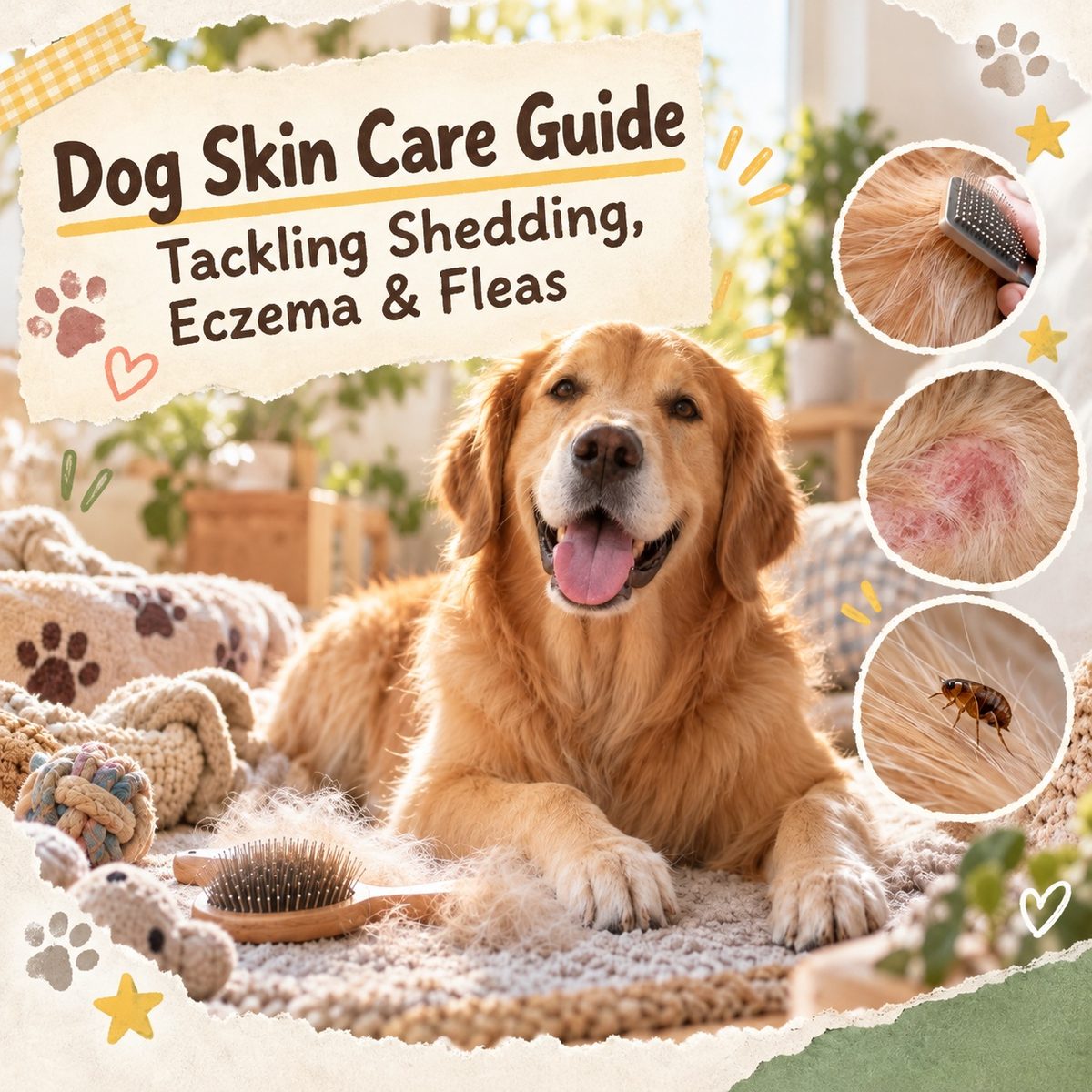
Quick answer: Spring shedding is normal, but redness and itching are warning signs of skin disease. With regular brushing, balanced nutrition, monthly deworming, a dry environment and daily checks, you can help manage shedding-season skin problems and flea and tick issues.
Spring is here and the days are getting longer. Is your dog shedding like crazy? Shedding is a normal physiological process, but if it comes with red, swollen skin, itching or hair loss, it could be a warning sign of skin disease. According to veterinary statistics, skin problems account for over 30% of dog consultations and are one of the most common health issues. This article covers shedding care, prevention of common skin diseases, and flea and tick control.
Why are dogs more prone to skin problems in spring?
As daylight hours increase in spring, your dog's metabolism speeds up and the coat starts to renew. At this time the body needs sufficient nutrition; if nutrition is lacking, skin problems can easily arise. Other factors can also cause skin issues:
- UV stimulation: Stronger spring sunlight can irritate the skin during long outdoor activities.
- Parasite infections: Follicle mites, sarcoptic mites and other parasites become more active.
- Bacterial and fungal infections: Warm, humid environments favour bacterial and fungal growth.
- Allergic reactions: Pollen, dust mites and other allergens increase.
Common skin conditions: symptoms and treatment
Eczema
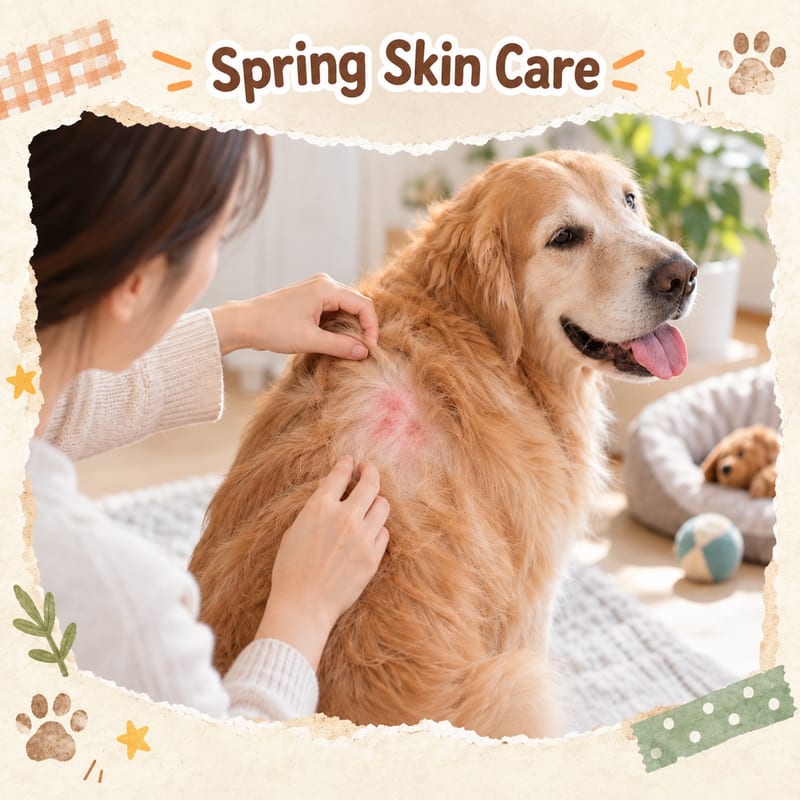
Eczema is an inflammatory reaction of the skin's epidermal cells to allergens. Symptoms include red patches, papules, blisters, erosion and crusts, accompanied by heat, pain and itching.
The causes are complex and generally related to an allergic constitution. External physical factors (such as friction or insect bites) or chemical factors (certain medications or disinfectants) can trigger it. Unclean skin or a damp kennel that lowers skin resistance can also cause eczema.
Treatment advice: Keep the environment well ventilated and dry, pay attention to diet, and use medicated baths, topical applications or oral medication as appropriate.
Dermatitis
Dermatitis can be caused by mechanical, chemical, fungal, parasitic or allergic factors. Symptoms include red, swollen skin and crusts, and in severe cases erosion or ulcers with local pain and itching. Chronic dermatitis can lead to hair loss and thickened, cracked skin.
Treatment principle: Identify the cause and treat accordingly. Take your dog to the veterinarian for a detailed examination to determine the cause before targeted treatment.
Fleas and ticks
As temperatures rise in spring, fleas become active. Fleas not only cause intense itching but can also transmit diseases. Ticks are vectors for serious diseases such as Lyme disease. Prevention is better than helps manage: regular use of parasite control products and keeping the environment clean are essential.
| Skin problem | Common symptoms | Prevention/management focus |
|---|---|---|
| Eczema | Red patches, papules, blisters, itching | Keep environment ventilated and dry, watch diet, medicated baths and topical treatments |
| Dermatitis | Redness, swelling, crusts, hair loss | Identify cause, treat accordingly, veterinary examination |
| Fleas and ticks | Itching, black spots, visible parasites | Monthly parasite control, clean environment, brush and check |
Brushing: the simplest skin care
Regular brushing is the simplest and most effective way to prevent skin problems. Brushing not only removes loose hair and dirt and prevents matting, but also promotes blood circulation and strengthens skin resistance.
Choosing brushing tools
- Slicker brush: Suitable for long-haired dogs; reaches the undercoat.
- Comb: Use coarse, medium and fine teeth alternately.
- Bristle brush: Only reaches the tips of long hair; use together with a flexible wire brush.
Brushing tips
- Use gentle, careful strokes and be extra careful around sensitive areas.
- Observe skin colour while brushing: pink is good; red or eczema indicates a possible problem.
- If you find fleas, lice or other parasites, treat immediately.
- For severe mats, start from the tips and work slowly; if you cannot comb through, cut the mat out and let the hair grow back.
5 practical skin care tips
-
Balanced nutrition: Ensure your dog gets enough protein, fatty acids and vitamins, especially Omega-3 and Omega-6 fatty acids, which are crucial for skin and coat health.
-
Regular deworming: Use a veterinarian-recommended parasite control product monthly to prevent fleas, ticks and other parasites.
-
Keep the environment clean: Regularly wash the dog bed, toys and food bowls, and keep the living area dry and well ventilated.
-
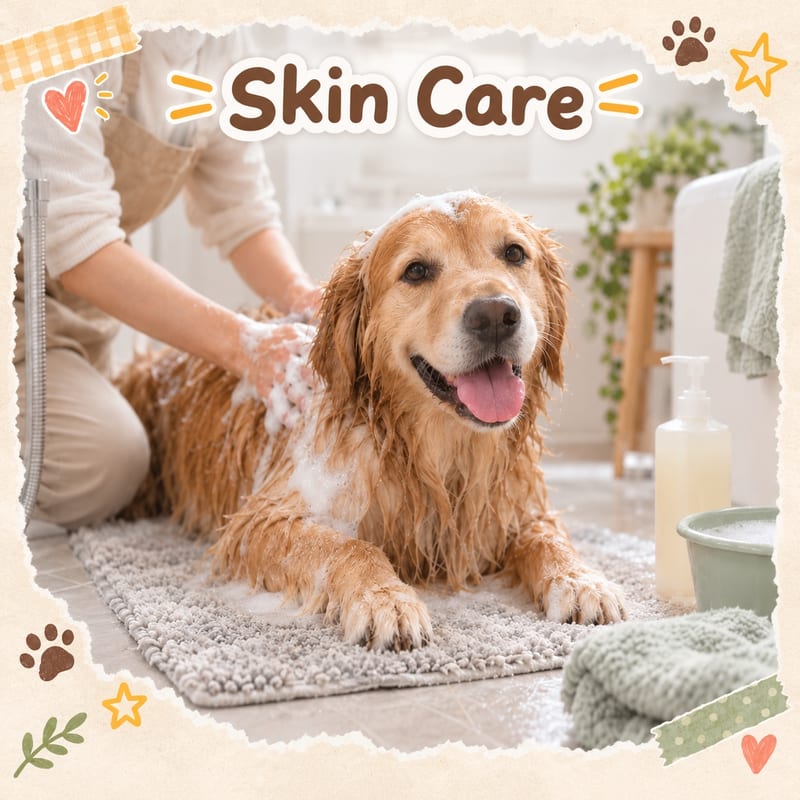
Bathe in moderation: Do not bathe too frequently; generally every 2-4 weeks with a dog-specific shampoo.
-
Regular checks: Check the skin while brushing daily, and see the veterinarian early if you notice anything unusual.
Hong Kong small-flat practical guide: lazy skin care for dogs in small units
Hong Kong homes are small and dogs have limited space, but that does not mean skin care should be compromised. Here is a practical checklist for small Hong Kong flats, using only the methods already mentioned in this article.
1. Set up a brushing station
- Choose a sturdy dining chair by the window and lay a towel on it as a temporary brushing table; after brushing, shake the towel out of the window to reduce hair indoors.
- Keep one slicker brush and one comb; hang them on the back of the bathroom door to dry, no extra storage space needed.
2. Parasite control calendar
- Set a phone alarm for the 1st of each month to remind you to apply flea treatment; store the product on top of the shoe cabinet to prevent your dog from eating it.
- On the evening you apply the treatment, wash the dog bed cover at the same time to complete both tasks in one go.
3. Tips for a dry environment
- When using a dehumidifier, place the dog bed near the air outlet; two hours is enough to remove moisture, then turn it off to save electricity.
- After bathing, run the exhaust fan for 15 minutes and dry dog toys at the same time to reduce mould.
4. When to see the veterinarian
- If brushing reveals skin turning from pink to deep red, an odour, or hair loss down to the skin, book a veterinarian appointment immediately; do not delay.
- If your dog scratches constantly until the skin bleeds, wrap the wound with a towel to prevent licking and biting, then go to the emergency clinic immediately.
5. Adjust bathing frequency
- Once every 2 weeks in summer and every 4 weeks in winter; on bath day, turn on the dehumidifier two hours early, and after bathing wrap the dog in a towel and dry with a hair dryer on low heat to prevent Hong Kong's humidity from trapping moisture and causing inflammation.
Remember, a small space is not an excuse. With a fixed routine, you can raise a dog with beautiful skin even in a small Hong Kong flat.
Further reading
Hong Kong small-unit practical checklist: a day-long skin care schedule
Morning (7:00-7:15)
- Open the window for three minutes to air out the room, and move the dog bed to the window to catch the morning sun; UV helps kill bacteria.
- Give a quick full-body brush with a slicker brush, focusing on the armpits, tail base and behind the ears; loose hair falls out of the window, no vacuuming needed.
After work (19:00-19:30)
- When you get home, feel your dog's back to check for dampness; if it is damp, turn on the dehumidifier for 30 minutes and remove odours at the same time.
- While brushing, shine a phone torch on the skin: pink is fine; if you see red spots, take a photo for reference when seeing the veterinarian.
Evening (21:00-21:15)
- Before bathing, use a comb to detangle; do not pull hard on mats—cut along the hair growth with scissors, then bathe immediately to reduce loose hair flying around.
- After bathing, wrap the dog in a towel to absorb water, then use a hair dryer on low heat to dry the belly and between the toes, as these areas are most prone to trapped moisture and dermatitis.
Bedtime (23:00)
- Keep the flea treatment on the bedside table so you remember to apply it on the 1st of each month; write it on the calendar immediately after applying so you do not miss a dose.
- Do a final check of the dog bed for odours; if there is an odour, change the towel cover; if not, sleep easy.
Weekend extras
- Use diluted dog-specific shampoo to mop the floor, disinfecting your dog's activity routes at the same time.
- Wash toys in batches in a laundry bag on a quick cycle, then hang them under the bathroom exhaust fan to dry, avoiding clutter around the home.
Remember, Hong Kong life is fast-paced. Break care tasks into small steps and do a little each day; your dog's skin will stay healthy and you will not burn out.
📌 Key takeaways
- ✅ Brushing is the simplest and most effective daily skin care.
- ✅ Use a veterinarian-recommended parasite control product monthly to prevent fleas and ticks.
- ❌ Do not over-bathe; once every 2-4 weeks is enough.
- ✅ Check the skin while brushing daily; pink is healthy.
- ❌ Do not pull hard on severe mats; cut them out and let new hair grow.