Budgerigar
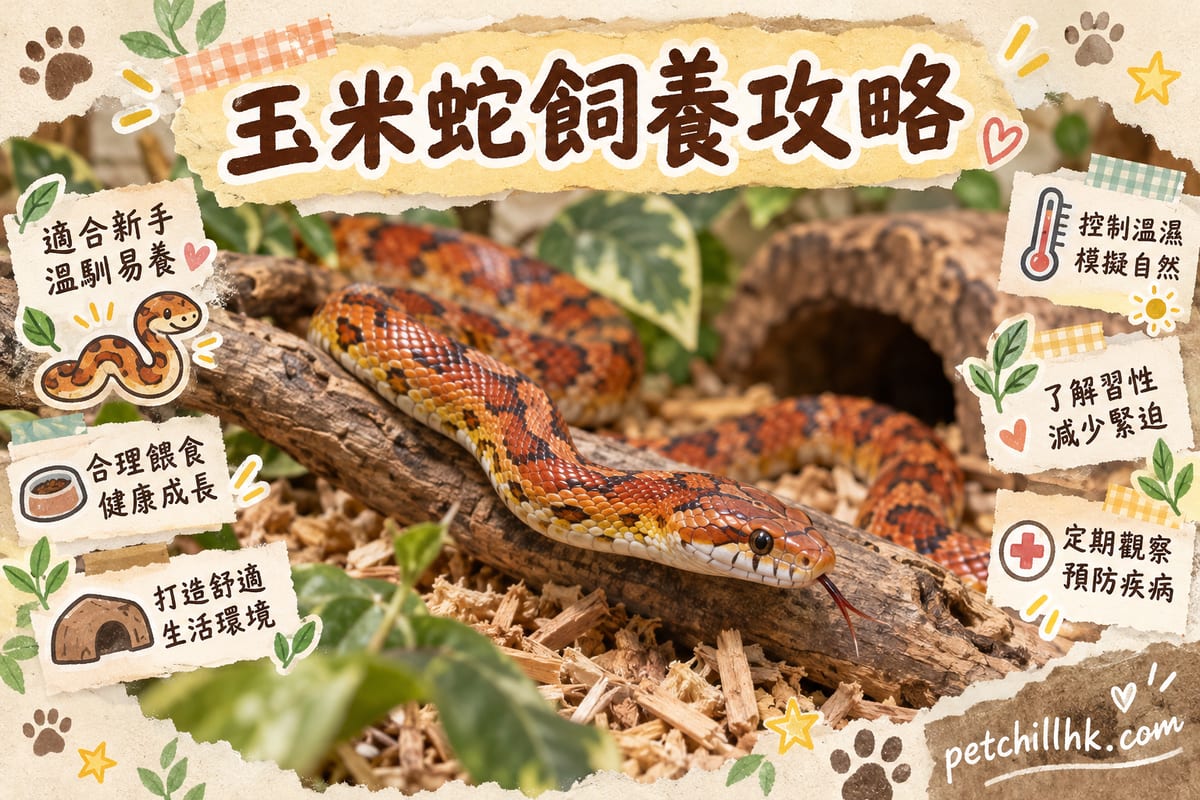
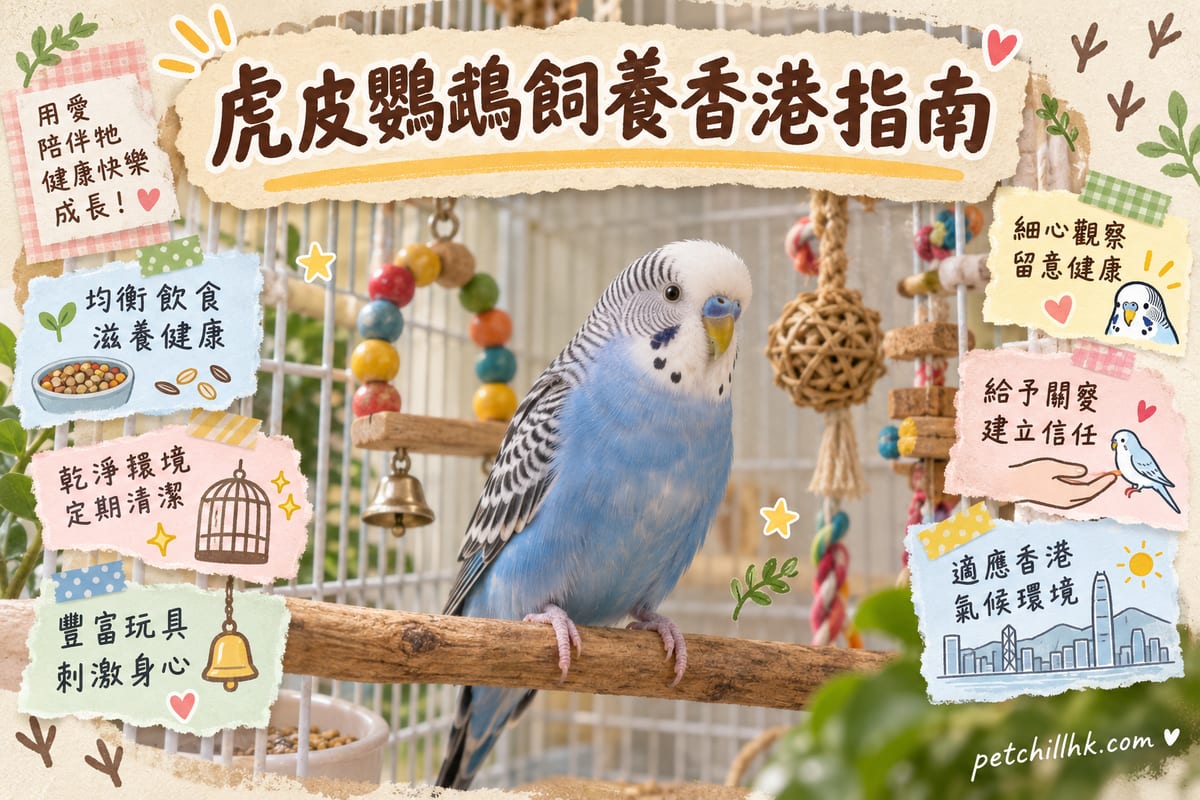
Budgerigars originate from the inland grasslands of Australia, living in flocks in the wild and depending heavily on their companions. The wild colour is a green body with a yellow face, and selective breeding has since produced many colour varieties: sky blue, violet, opaline, lutino, albino and greywing, among others. Average lifespan is about 5 to 10 years, longer with good care. There are three key points to keeping them: the cage must allow enough horizontal flight space and have natural perches; the diet should be based on formulated pellets with seeds as a supplement, since feeding only seeds long-term will cause problems; and as a flock bird it needs daily interaction plus 10 to 12 hours of dark sleep. The thing beginners most often misjudge is size: budgerigars are small, but their activity level and social needs are not low — kept long-term in a small cage only big enough to perch, their muscles and feathers deteriorate and behavioural problems such as feather plucking easily appear. Parrots are birds with a high metabolic rate and need formulated pellets as a foundation plus a variety of foods; fruit is only a garnish, and feeding any single food in large amounts long-term is not ideal. Never feed kitchen foods such as avocado, chocolate, onion or garlic.
Size
Small
Lifespan
5-10 years
Key facts
Lifespan
5-10 years
Size
Small
Coat
Feathers, many colour varieties
Personality
Daily life & habits
At night, about 10 to 12 hours of darkness and quiet is generally recommended for budgerigars each day, and covering the cage with a cloth is a common approach. Birds that don't get enough sleep easily become irritable, pluck their feathers and call for long periods; leaving the lights on late into the night leaves birds chronically tired, and both mood and behaviour suffer. The cage should be placed where it isn't affected by the television, corridor lights or kitchen fumes, to avoid the bird being startled and flapping against the cage at night, and it should be away from the kitchen, direct sunlight at windows and air-conditioning vents. Noise is a real problem in small Hong Kong flats: most birds are loudest at dawn and dusk, and budgerigars are no exception. Practical measures include: not placing the cage against the bedroom or a shared wall, using a cage cover to reduce stimulation from the morning light, providing enough toys and interaction, and talking to neighbours early. Budgerigars are flock birds and need interaction and company during the day; schedule time out of the cage at fixed periods, because once the routine is disrupted, calling and feather plucking follow. Noise problems have to be handled through the environment and the routine together.
Care essentials
Grooming
Routine care has three rhythms. Daily: change the water, change the bottom paper, remove leftover vegetables and fruit — don't leave them at the bottom of the cage, because Hong Kong's humidity makes food spoil very easily. Weekly: wash the food bowls and water containers and check the perches for wear or mould. For bathing, most budgerigars enjoy a shallow dish or a misting; if they aren't used to a water dish, try misting or a shallow saucer and let them adapt gradually — after bathing avoid cold draughts, and don't dry them under an air-conditioning vent. During moulting, nutritional needs are high, so watch for bleeding blood feathers. Overgrown beaks and nails must be handled by a vet or an experienced professional — don't cut them yourself, because the nails contain blood vessels and a wrong cut will bleed. Use pet-safe cleaning products, rinse thoroughly and air-dry before putting the bird back in the cage. Changes in the shape and amount of droppings often reflect problems earlier than appetite does, so take a look each day when changing the bottom paper. Residual cleaning products are a risk to birds.
Exercise
Budgerigars need room to actually fly. Arrange daily time out of the cage with the room's windows closed, fans off and away from the kitchen; kept long-term in a small cage only big enough to perch, their muscles and feathers deteriorate — if you don't provide flight space you have to increase out-of-cage time, because space inside the cage is limited and flying and jumping have to be mainly made up for by time outside. As for the cage, a wide, flat design is more practical than a tall tower, because birds fly horizontally rather than climbing upwards. Rotate the toys and provide enough toys and interaction, which helps reduce long periods of calling and feather plucking. The wing-clipping question is directly tied to activity space: those in favour are mainly thinking about safety — reducing the risk of flying into windows, getting lost and accidental injury; those against argue that flight is a bird's natural behaviour and that clipping affects muscle development and confidence. Most advice is to start with environmental safety: close doors and windows properly and fit insect screens; if you are still considering clipping, it should be done by a vet or an experienced professional — don't do it yourself.
Training
Budgerigars can be trained to step up with rewards: hand-feeding treats and talking to them is the most direct way to build trust, and a small amount of seed is enough as a treat, because seed is only a supplement and training reward and cannot be the staple. If you keep only one, arrange fixed daily interaction, otherwise behavioural problems such as feather plucking easily appear; kept long-term in a small cage only big enough to perch, the same problems easily arise. Two more habits matter: don't leave a mirror in the cage long-term, because a bird kept alone easily becomes over-dependent on its reflection and finds it harder to get along with real birds afterwards; wing clipping and nail trimming should not be done yourself — the risk is high and it should be left to a vet or an experienced professional. Converting the diet is also a matter of habit — mix gradually over seven days or more, and if the bird refuses food partway, go back to the previous ratio. Once a parrot gets used to sweet tastes it easily refuses pellets and vegetables, and correcting that later is harder. Birds' stress responses are often not obvious and owners easily underestimate them, so rely on daily observation.
Diet
Using formulated pellets as the staple is currently the more mainstream recommendation; a parrot's daily staple should be a parrot-specific formulated diet, with dark leafy vegetables, and fruit only as a garnish. However, birds easily pick out the high-fat seeds and leave the rest, which in the long run causes unbalanced nutrition, obesity and fatty liver; keep only a small amount of seed as training rewards. Add a small amount of dark vegetables daily, such as choi sum leaves, broccoli, carrot and bell pepper — wash them, chop them small and feed at room temperature, and remove leftovers the same day. Fruit should only be given in very small amounts occasionally: apple and pear should be peeled, deseeded and cored, cut into small pieces, one to two small slices; banana one to two small slices, not every day; blueberries one to two at a time. For calcium, provide cuttlebone or a mineral block for the bird to peck at freely. Change the drinking water daily, and a bird drinker is better than an open water bowl. Hong Kong is humid, so pellets and seeds should be stored sealed with food-grade desiccant and bought in small amounts more often; anything mouldy, off-smelling or infested should be thrown away entirely. If a parrot has obesity, fatty liver or blood-sugar problems, fruit portions should be assessed individually by a vet.
Living environment
The first requirement when buying a cage is width, not height. Birds fly horizontally, so a wide, flat cage is more practical than a tall tower; birds need room to actually fly, and a cage only big enough to perch on will make muscles and feathers deteriorate — since space inside a cage is limited, flying and jumping have to be mainly made up for by time out of the cage. Bar spacing should not be too wide, and make sure the coating is not flaking or rusting, because the lead and zinc coatings on old cages are toxic to birds. Perches should not all be the same: natural branches of varying thickness are ideal, as they load different parts of the foot, but make sure they haven't been treated with pesticide or paint; sandpaper perches can wear the soles of the feet and are not recommended for long-term use. The bottom grille should not be used as a long-term standing surface — use paper lining and change it daily. Rotate the toys, and don't leave a mirror in the cage long-term, because a bird kept alone easily becomes over-dependent on its reflection. Cage equipment lets moisture and ammonia accumulate, so an extractor fan plus a dehumidifier is a workable combination, and the temperature should also be stable.
Budgerigar everyday food & supplies
Chosen by species (cat) from products PetChill stocks — not a breed-specific formula. Actual suitability depends on age, weight and health.
 Special offer
Nutriplan Cat Food Complete Health Nutritional Formula 5kg (64352)
HK$123HK$128About HK$24.6 per kg
Price checked 2026-10-21; the store page shows the live price, stock and offers.

Bella & Molly's Dutch Berry Royal Selected Cat Food AAFCO Anti-Aging Grain-Free Single Protein Salmon Formula 50g (Limited Time Experience)
HK$10About HK$200 per kg
Price checked 2026-10-21; the store page shows the live price, stock and offers.

Hills Cat Food Life Stage Series Adult Formula Chicken 490g (609885)
HK$55About HK$112.24 per kg
Price checked 2026-10-21; the store page shows the live price, stock and offers.
History & origin
Budgerigars originate from the inland grasslands of Australia, living in flocks in the wild and depending heavily on their companions; the flock maintains its relationships through mutual preening. The wild colour is a green body with a yellow face, and after selective breeding many colour varieties appeared: sky blue, violet, opaline, lutino, albino and greywing, giving one species of bird markedly different looks — yet the flocking nature has not changed. Moving from the wild into a small Hong Kong flat, the biggest gap is social: birds are the most easily underestimated group — "small, sitting in a cage" looks simple, but their requirements for social contact and air quality are very high. Hongkongers' choice of pets is broader than people imagine: besides cats and dogs there are small animals, aquatics, reptiles and birds; budgerigars are flock birds, and keeping one alone means the owner must interact with it daily, whereas canaries can relatively tolerate living alone. After moving into a flat, what you need to work out is how much time each day you can give to interaction and cleaning, how much stable space at home there is for a cage, and whether Hong Kong's year-round high humidity and hot, stuffy summers suit them.
Who it suits
Is the Budgerigar right for you?
Budgerigars are flock birds; two of the same sex or a pair of companions is generally less stressful than keeping one alone. If you keep only one, you must arrange fixed daily interaction — time out of the cage, hand-feeding treats and talking to it — otherwise behavioural problems such as feather plucking easily appear. Before adding a new bird, isolate and observe it first to avoid bringing in disease, and ask a vet about quarantine arrangements; if no one is home for long periods, consider keeping two so they keep each other company. Hong Kong housing adds two considerations: noise and the tenancy agreement. Budgerigars are loudest at dawn and dusk; public housing tenancies generally restrict keeping animals, and private buildings require checking the deed of mutual covenant — confirm before renting or moving, don't discover after moving that you can't keep it. Also remember that "natural" does not equal "safe": avocado, onion and garlic are toxic to many animals, and casually sharing human food with a bird is the most common mistake. In summer, also avoid leaving pets in sealed spaces without air conditioning during hot periods.
Health & care
Common health issues and care advice for the Budgerigar
A bird's condition has to be read from small details. Fluffed-up feathers and sitting on the cage floor for long periods usually mean poor spirits, commonly because of illness — keep the bird warm and see a vet as soon as possible; a tail that bobs up and down with each breath indicates difficulty breathing and is an emergency — see a vet immediately; discharge from the nostrils or eyes indicates a respiratory infection — see a vet the same day; weight loss and a protruding breastbone may be a chronic problem or nutritional deficiency — weigh weekly and see a vet as soon as possible. The flesh, skin and leaves of avocado must not be allowed to come into contact; chocolate and caffeine contain theobromine and caffeine, and no amount should ever be tried — after accidental ingestion, contact a vet immediately even if the bird looks fine at the time. Birds' respiratory systems are extremely sensitive to cooking fumes, sprays, aromatherapy and fumes from overheated non-stick coatings, so keep them away from the kitchen. During moulting they need adequate nutrition; watch for abnormal feather loss or bleeding blood feathers. Birds hide signs of illness, and by the time they are visibly motionless it is already advanced; there are not many vets in Hong Kong who treat birds, so it is advisable to find one soon after moving in and to note down the out-of-hours emergency arrangements.
Want to see more small animal breeds?
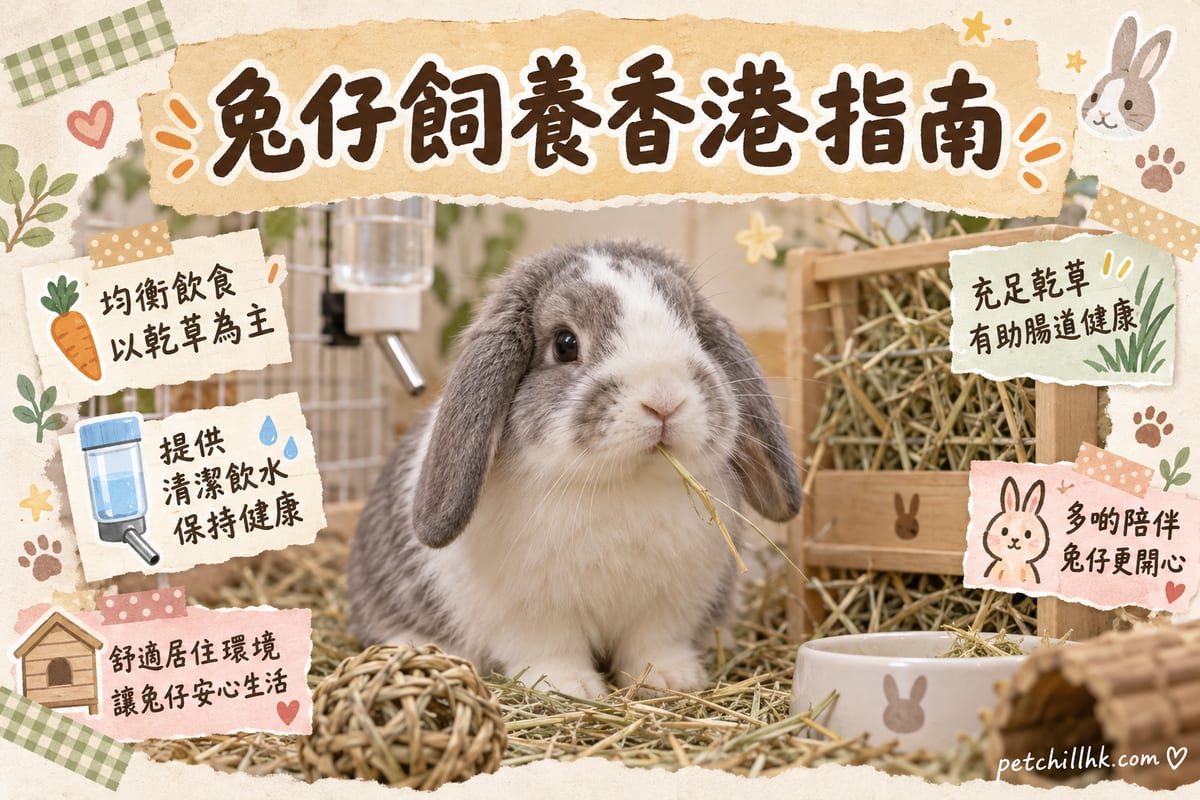
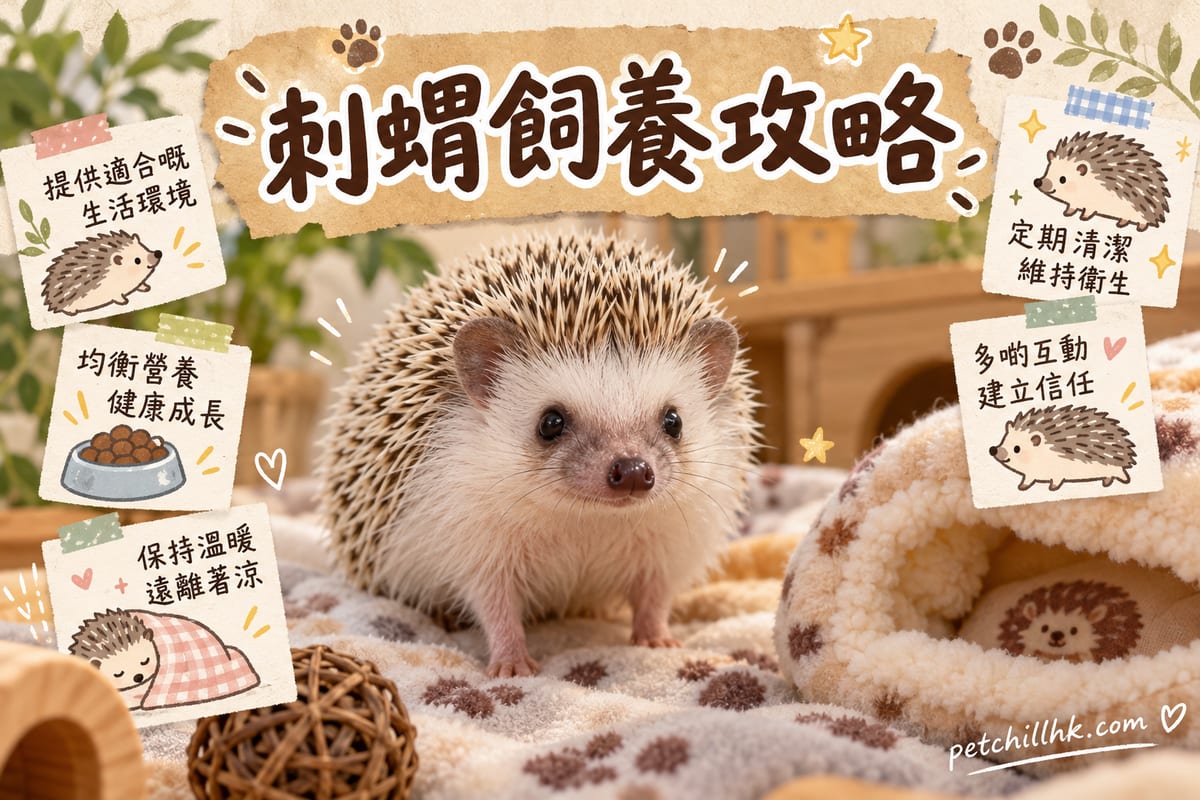
Besides the Budgerigar, you can also compare Corn Snake, Rabbit and Hedgehog — breed guides that compare personality, size and care difficulty.
Frequently asked questions
The questions people ask most about the Budgerigar
On average about 5 to 10 years, and longer with good care. Before getting one, treat it as a long-term commitment, not a short-term novelty.
The key is horizontal flight space, which matters more than height; kept long-term in a small cage only big enough to perch, their muscles and feathers deteriorate and behavioural problems such as feather plucking easily appear.
Base the diet on formulated pellets with seeds as a supplement. Feeding only seeds long-term will cause problems and the nutrition will be unbalanced.
Never feed kitchen foods such as avocado, chocolate, onion or garlic — they are toxic to birds.
It is a flock bird and needs daily interaction plus 10 to 12 hours of dark sleep; insufficient sleep affects its condition and immunity.
They are flock birds; kept alone they need a large amount of daily interaction, otherwise behavioural problems such as feather plucking easily appear.
It must allow enough horizontal flight space, the perches should vary in thickness, and the cage should not be packed too full.
Formulated pellets as the base, with seeds only as a supplement; pure seed cannot be the long-term staple.
Wing clipping is controversial; focus instead on door and window protection and indoor hazards, and also ensure sufficient sleep and noise control.
You may also like
Other dog breeds like the Budgerigar