
French Bulldog
Size
Small
Lifespan
10-12 years
Weight
8-14 kg


📺 32-second video · Cantonese narration
The French Bulldog story, in one take
From its origins to Hong Kong homes — how did the French Bulldog become one of Hong Kong's most popular pet breeds?
- ✓Origin story: starting in its homeland
- ✓Personality: Gentle and affectionate
- ✓Lifespan 10-12 years · Size Small
PetChill Pet Encyclopedia
Key facts
Lifespan
10-12 years
Size
Small
Weight
8-14 kg
French Bulldog everyday food & supplies
Chosen by species (dog) from products PetChill stocks — not a breed-specific formula. Actual suitability depends on age, weight and health.

Nutriplan Soft Dog Food Immunity and Skin Care Support 1.2kg (64337)
HK$98About HK$81.67 per kg
Price checked 2026-10-21; the store page shows the live price, stock and offers.

Bella & Molly's Dutch Berry Royal Selected Dog Food AAFCO Grain-Free Single Protein Salmon Formula 50g (Limited Time Experience)
HK$10About HK$200 per kg
Price checked 2026-10-21; the store page shows the live price, stock and offers.
 Special offerHK$175HK$235
About HK$77.16 per kg
Price checked 2026-10-21; the store page shows the live price, stock and offers.
History & origin
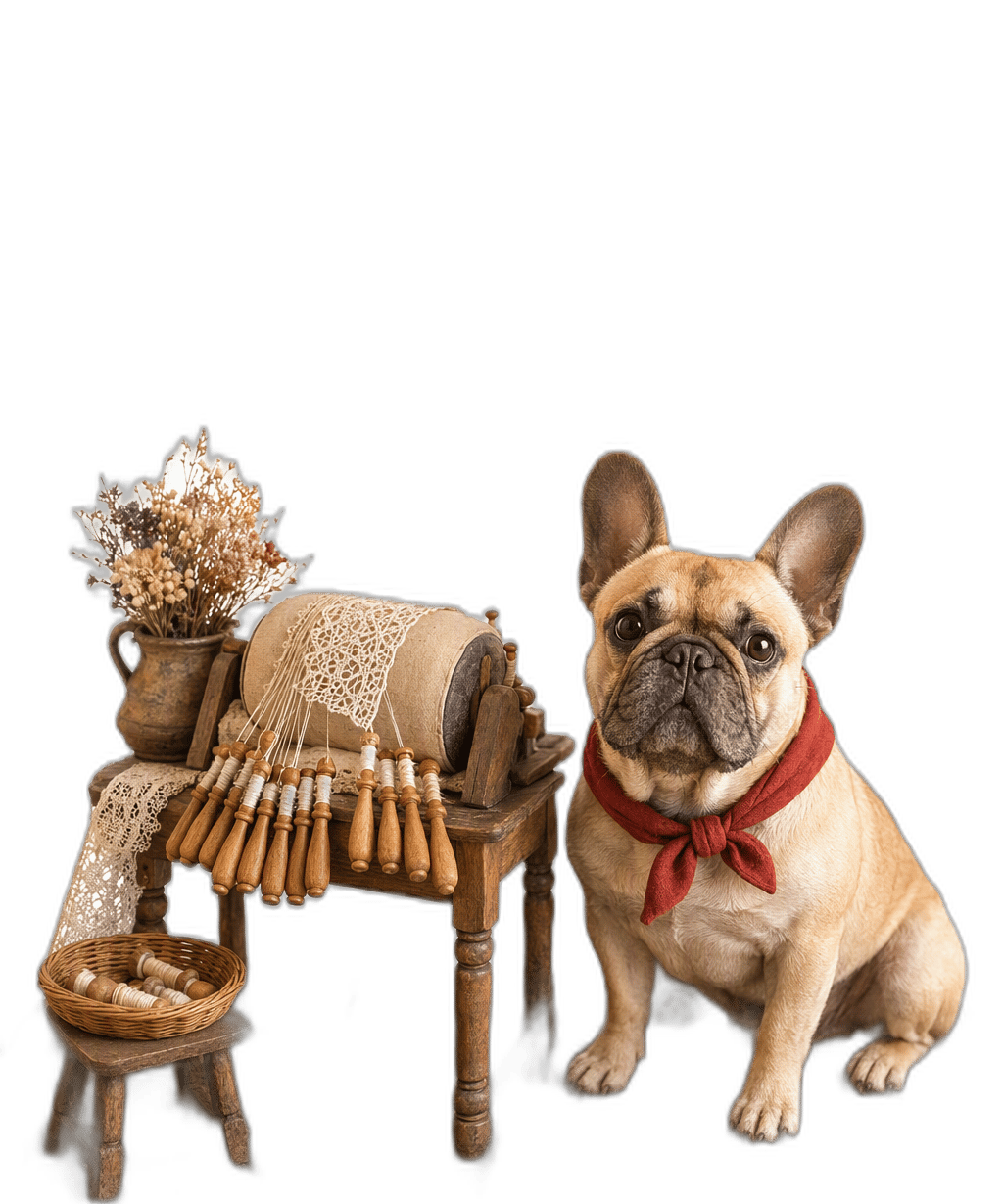
The origin of the French Bulldog is actually tied to Britain. In the 19th century, lace workers in Nottingham, England, kept small bulldogs (Toy Bulldogs) as companion dogs, and later the Industrial Revolution led workers to emigrate to France, taking these small bulldogs with them, where they became very popular.
French breeders crossed these small bulldogs with other breeds (possibly including pugs and terriers) to produce a new variety with bat ears — today's French Bulldog. In the late 19th century the Frenchie reached the United States, and the bat ear became their signature feature (there had earlier been a dispute between rose ears and bat ears).
The French Bulldog is small and muscular with bat ears and a flat face, giving it a highly recognisable appearance. They are gentle, affectionate and adaptable, don't need much exercise, and are the classic "city dog" — particularly suited to families living in small flats. They don't like to bark much and are friendly to neighbours, but they are extremely clingy and unhappy when left alone for long periods. Note that Frenchies are a flat-faced breed prone to breathing problems, so in summer avoid heatstroke and skip strenuous exercise.
Frequently asked questions
The questions people ask most about the French Bulldog
The name says France but the origin is tied to Britain. In the 19th century British workers took small bulldogs to France, and French breeders developed the bat-eared variety, which is how it came to be called the French Bulldog.
They don't like to bark much and are a relatively quiet breed, suitable for small flats, but they do snore (because of the flat face).
No. Frenchies have low activity levels and a short walk each day is enough; they are not suited to strenuous exercise (especially in summer, because the flat face makes breathing difficult).
Frenchies are a flat-faced breed and overheat easily; in summer avoid going out at midday, provide an air-conditioned environment, avoid strenuous exercise and use a cooling vest if needed.
Not advisable. Frenchies are extremely clingy, and being left alone for long periods makes them unhappy or even causes separation anxiety; they suit families with time to keep them company.
French Bulldog articles
7 articles
Are French Bulldogs Easy to Keep? 8 Downsides and Fixes Every Hong Kong Owner Should Read
French Bulldogs have charming personalities, but their flat-faced build and small body bring a string of practical problems: heatstroke risk, snoring, skin fold inflammation, separation anxiety, gas and medical costs. This article honestly lists 8 common French Bulldog downsides, each with an actionable fix and cost direction, to help you decide whether a Frenchie suits your Hong Kong lifestyle — before you commit, not after.
Read the full article →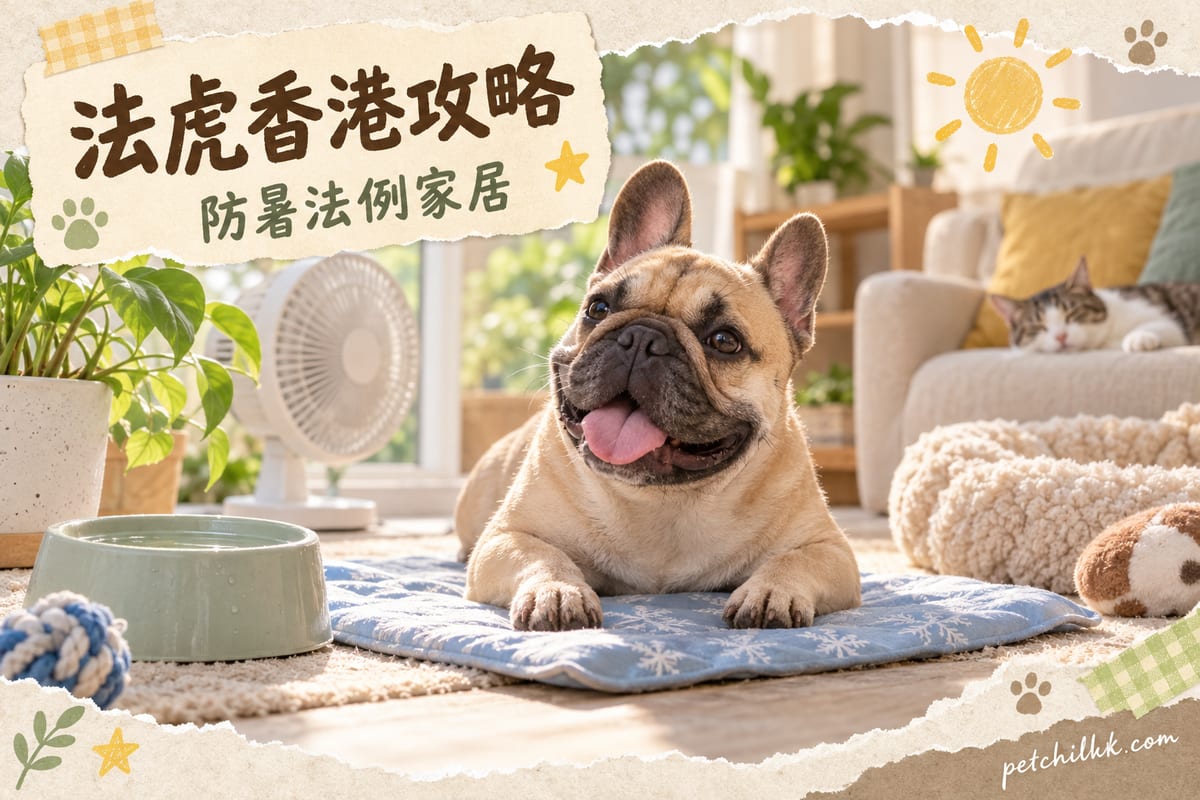
French Bulldog Hong Kong Care Guide: Legislation, Heat Protection and Home
Keeping a French Bulldog in Hong Kong means dealing with real conditions such as the hot, humid summers, building deeds and licensing laws. This article compiles a complete checklist for keeping a French Bulldog in Hong Kong: heat protection principles for short-nosed dogs, home environment setup, notes on public housing and private estates, moisture protection and skin care during the rainy season, and a four-season care chart, helping you raise a healthy flat-faced dog well even in a small flat.
Read the full article →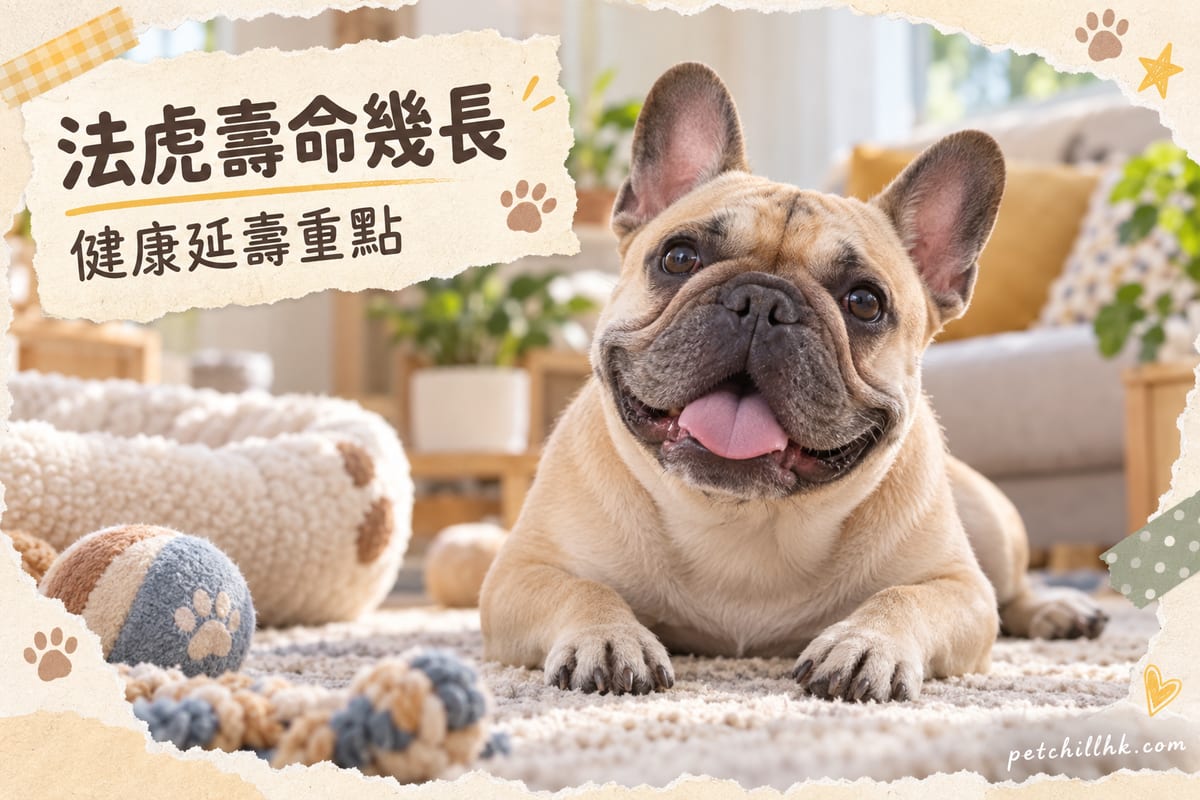
How Long Do French Bulldogs Live? A Hong Kong Guide to Flat-Faced Dog Health and Longevity
French Bulldogs live around 10 to 12 years on average, but their flat-faced structure brings breathing, skin and joint problems that genuinely lower quality of life. This article covers the five factors that affect French Bulldog lifespan, health priorities at each life stage, a daily longevity checklist and a medical warning-signs table, plus what owners can do in Hong Kong's hot, humid climate to help their Frenchie go further with them.
Read the full article →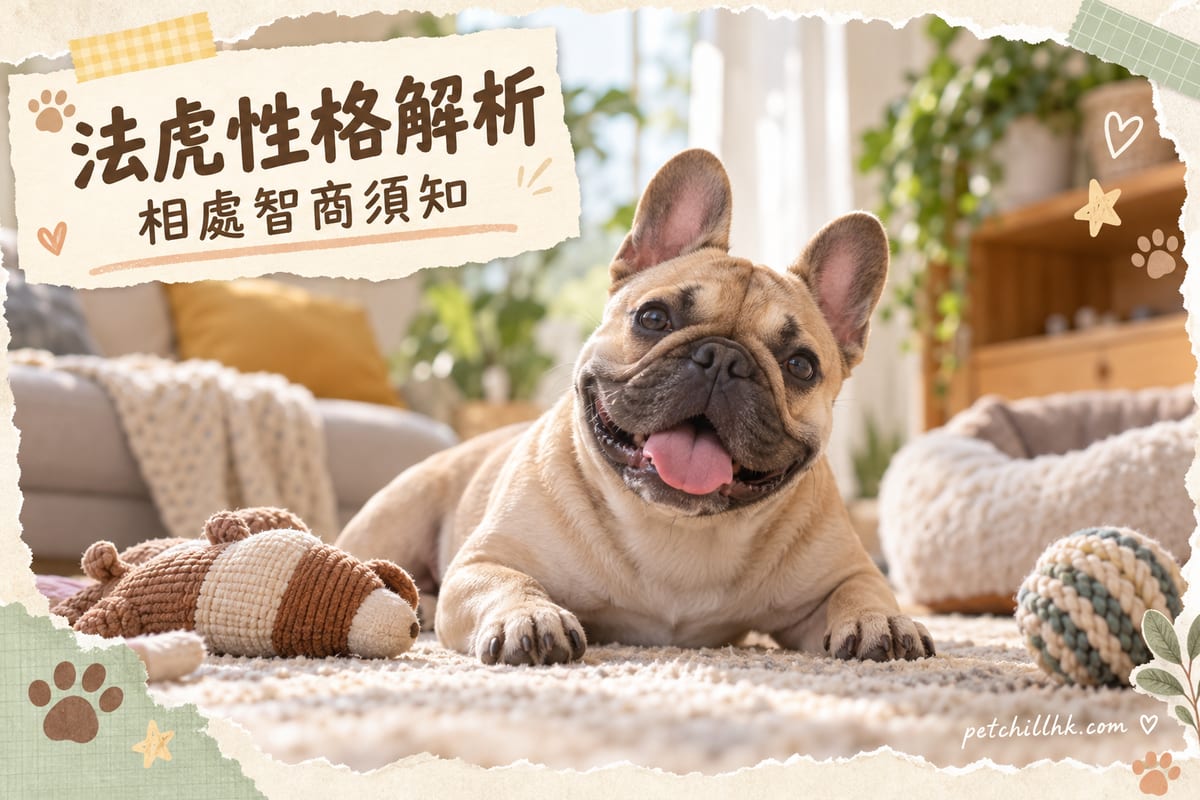
French Bulldog Personality Explained | A Must-Read for Hong Kong Owners: Intelligence and Getting Along
French Bulldogs are gentle, clingy, playful and happy to chill — widely recognised as an ideal companion dog for city flats. This article breaks down their personality traits, obedience and intelligence, how they get along with children and other pets, male-female differences and interaction training tips, with a trait comparison table so you know how to live with this 'clown dog' before bringing one home.
Read the full article →
French Bulldog Hong Kong Price and Adoption Guide (2026)
Thinking of getting a French Bulldog in Hong Kong? This guide covers 2026 market price references (pet grade, pedigree grade), adoption routes via SPCA and other rescue groups, the real chances of free puppy adoption, a buyer's checklist, and a monthly cost estimate table — so you can decide whether to buy or adopt without wasting money.
Read the full article →
French Bulldog Size and Weight Standards | A Complete Guide to Puppy Growth Curves in Hong Kong
How big does a French Bulldog actually get? This article compiles the ideal weight ranges for French Bulldogs based on AKC and UK Kennel Club standards, a growth curve table from puppy to adult, the Body Condition Score (BCS) method, and the obesity risks and portion control that Hong Kong owners care about most—helping you judge whether your Frenchie's size is healthy using a tape measure and a scale.
Read the full article →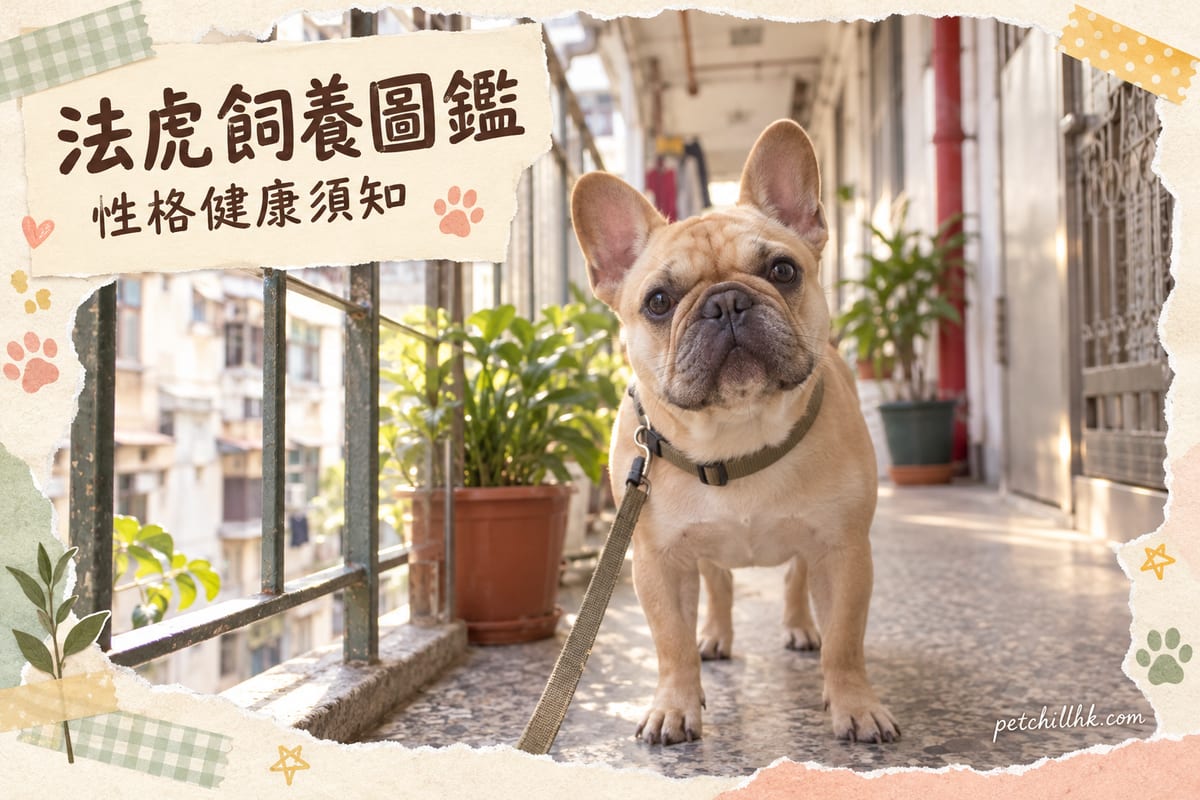
French Bulldog Breed Guide | Temperament, BOAS Health & Hong Kong Care Guide
French Bulldogs are affectionate and suit Hong Kong's small flats, but BOAS, skin fold dermatitis and spinal issues must not be ignored. This guide covers daily care, warning signs and when to see a vet — essential reading for French Bulldog parents in Hong Kong!
Read the full article →You may also like
Other dog breeds like the French Bulldog