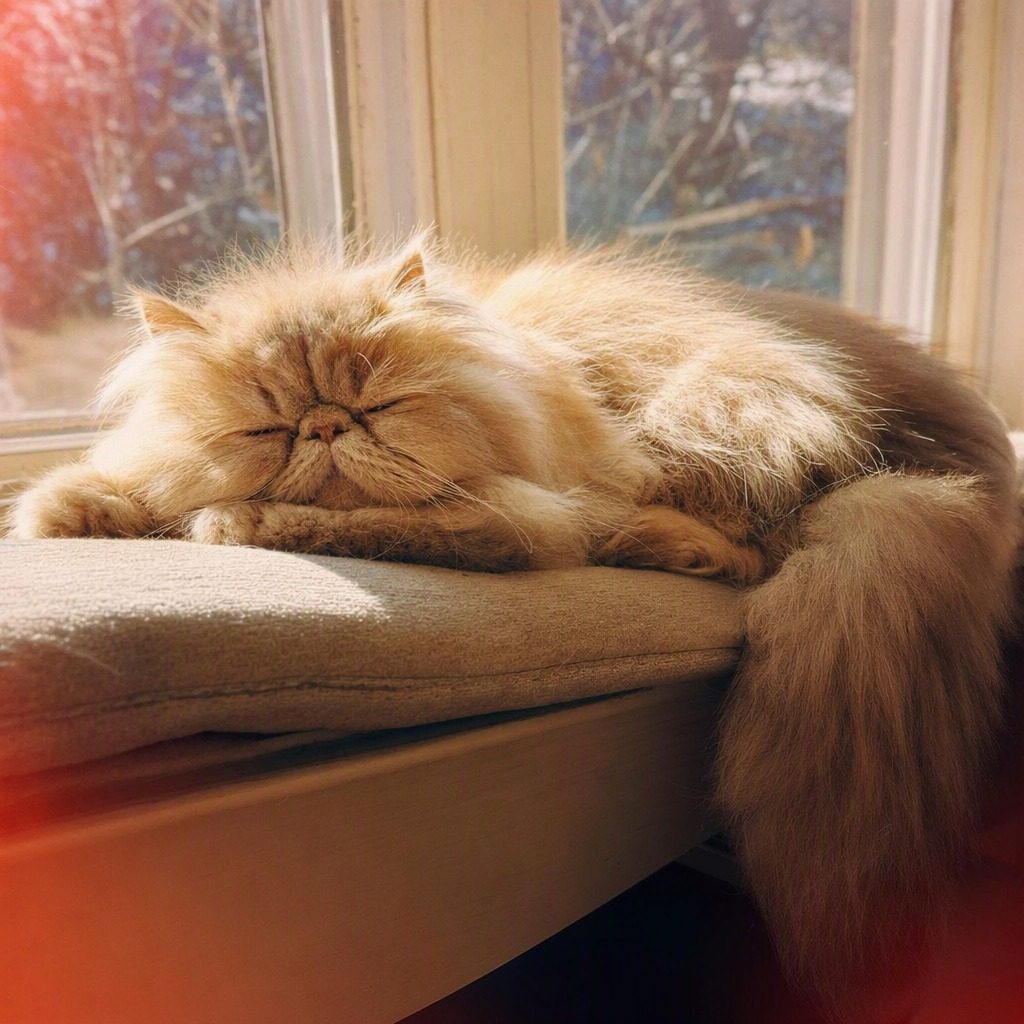
Persian
The Persian is one of the world's most popular long-haired cat breeds, known for its elegant looks and gentle nature. Its flat face and dense long coat make it the "aristocrat of cats", but they also demand more time and effort in care from its owner. If you are thinking about getting a Persian, or already live with one, this complete guide will help you understand everything about them.
Size
Medium
Lifespan
12-17 years
Weight
3-6 kg
Price
HK$10,000-20,000
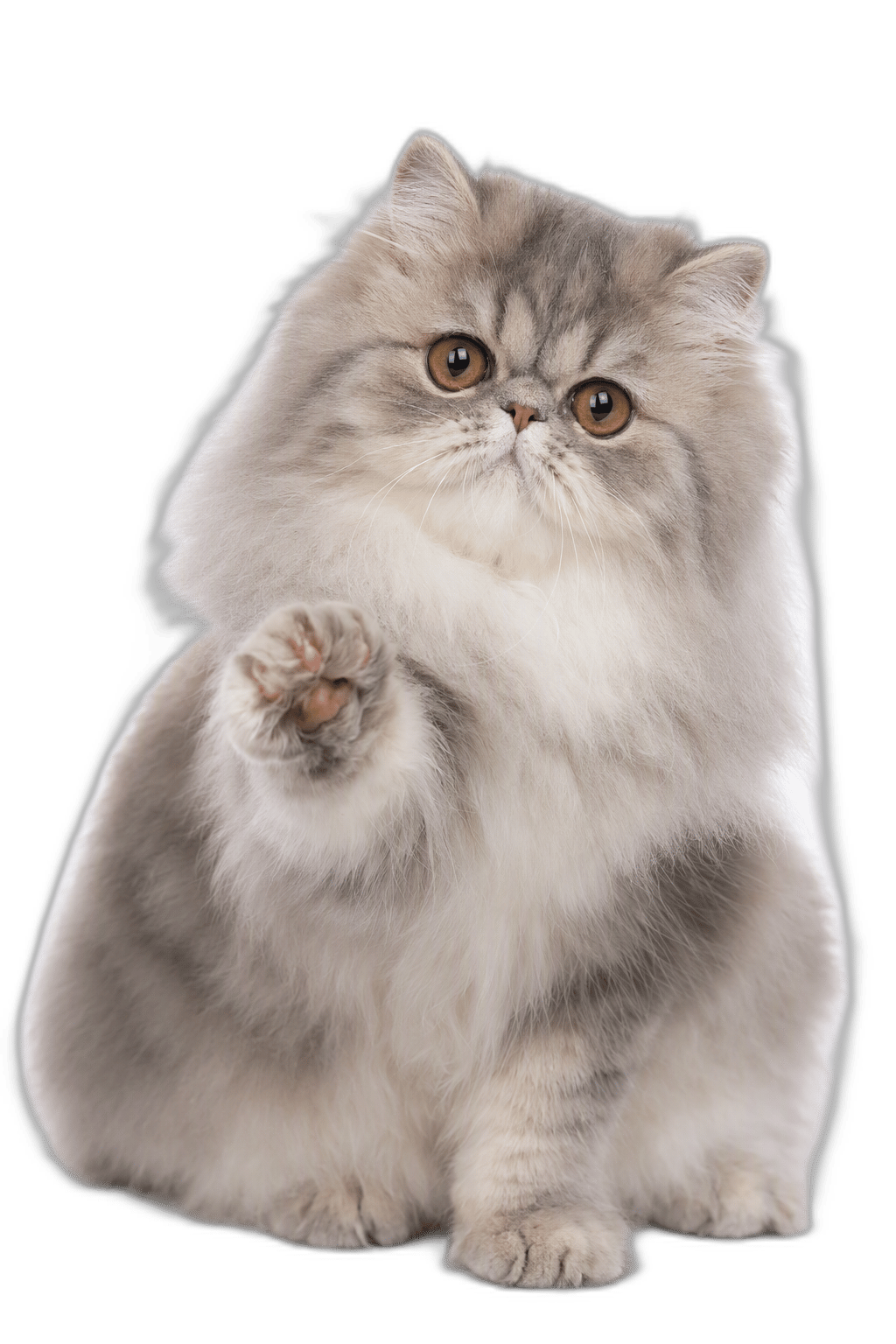
📺 32-second video · Cantonese narration
The Persian story, in one take
From Iran to Hong Kong homes — how did the Persian become one of Hong Kong's most popular cat breeds?
- ✓Origin story: starting in Iran
- ✓Personality: Quiet, Gentle
- ✓Lifespan 12-17 years · Size Medium
PetChill Pet Encyclopedia
Key facts
Origin
Iran
Lifespan
12-17 years
Size
Medium
Weight
3-6 kg
Coat
Long hair, many colours
Price range
HK$10,000-20,000
Personality
Its voice is soft and small and it is rarely noisy, a classic "quiet beauty", well suited to owners who like a peaceful home.
Placid and affectionate, it likes to sit quietly beside its owner and will not suddenly lose its temper or attack.
It can stay home alone without anxiety while still enjoying its owner's attention, the "affectionate but with boundaries" type.
Measured and composed in manner, with a nobility in how it walks and sits, which is why it is called the aristocrat of cats.
Daily life & habits
The Persian is a classic indoor cat: it likes a quiet, comfortable environment and does not need much space to move around. Because of its flat facial structure, the Persian is not suited to vigorous activity and prefers a slow-living lifestyle.
The rhythm of a day
In the morning the Persian usually wakes by a sunny window, stretches, and then it is breakfast time. It is not a very active breed, so it does not run and jump around like other cats. Instead it prefers to watch everything going on at home quietly.
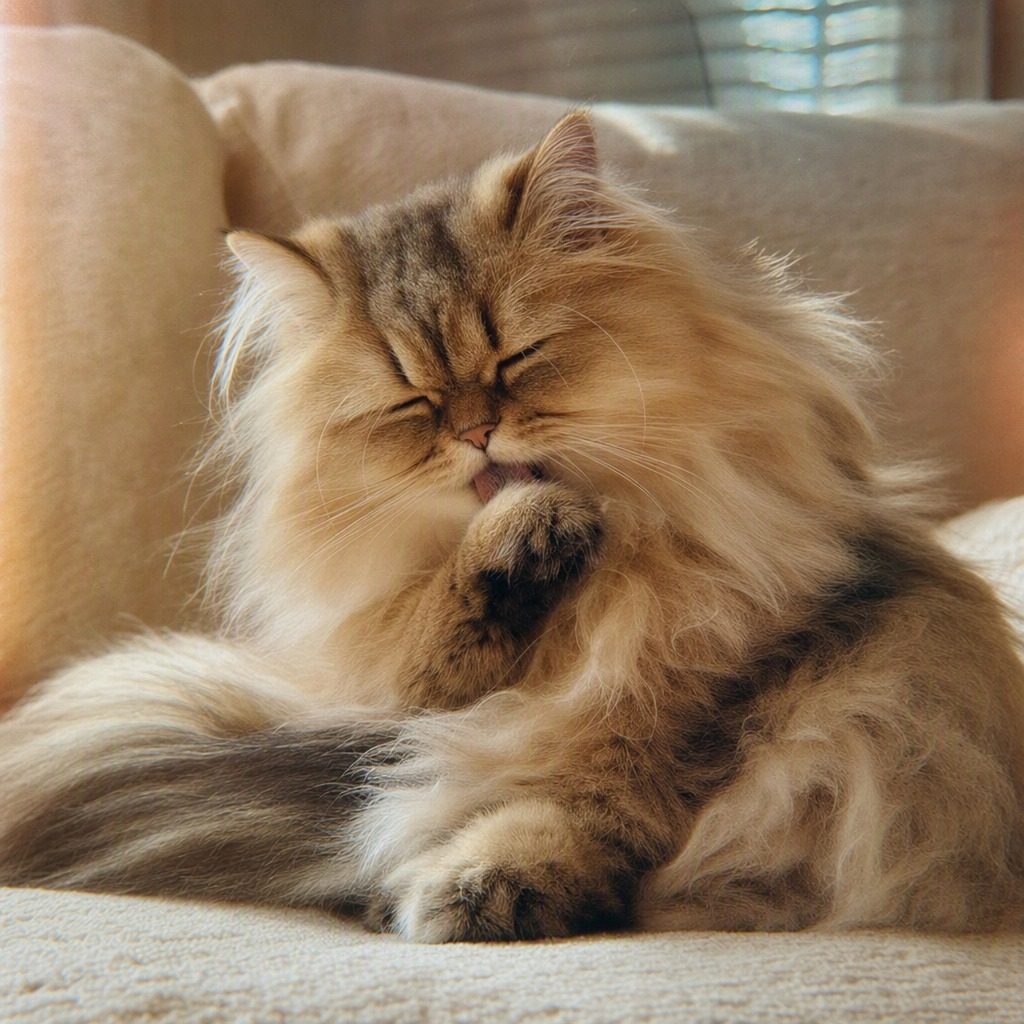
The afternoon is the Persian's grooming time. It grooms its own coat, but because the coat is so dense the owner needs to help comb it every day to stop it matting. This is also a good moment for owner and cat to build their bond.
At night the Persian becomes somewhat more active, but still gently, playing with toys or interacting with its owner. It does not "talk" the way a Siamese does, and instead expresses its needs with a soft voice.
Suited to Hong Kong living
The Persian is very well suited to life in a small Hong Kong flat. It does not need much space, and one comfortable corner is enough. Note, though, that because of its long coat you need to open the windows regularly to keep the air moving and stop hair accumulating.
Hong Kong's humid weather also affects the Persian's skin and coat. Owners are advised to bathe and dry the cat regularly to keep the skin healthy.
Care essentials
Grooming
The Persian is best known for its gorgeous long coat, but that is also the biggest challenge in keeping one. Daily combing is essential, otherwise it mats very easily. Use a slicker brush together with a comb, starting at the roots and working slowly out to the tips.
Besides combing, regular bathing matters too. Bathe every 2-4 weeks with a cat-specific shampoo. Dry the coat thoroughly afterwards, especially the downy undercoat, or skin problems follow easily.
The Persian's tear ducts also block easily, causing tear stains. Wipe the eyes daily with damp cotton to keep them clean.
Exercise
The Persian is a low-exercise breed and does not need much activity. 15-30 minutes of gentle play a day is already enough.
Because of its flat facial structure, the Persian is not suited to vigorous exercise. Use toys such as a wand teaser so it can move its body gently.
Training
The Persian is an intelligent breed, but it is fairly independent and does not much like being trained. It can still learn basic cues such as "come" and "sit".
Use positive reinforcement such as treat rewards and patient teaching. Because they are quite sensitive, do not train them harshly.
Diet
The Persian's flat face makes eating harder, so serve food in a shallow dish so it can reach it easily. Because their exercise is low they put on weight easily, so control portions and avoid obesity.
Choose a high-quality cat food, especially formulas containing Omega-3 and Omega-6, which help skin and coat health.
Living environment
The Persian needs a quiet, comfortable living environment. It dislikes noise and chaos, so it suits single people or small families.
Because of the long coat, open the windows regularly to keep the air moving. Hong Kong's humid weather also affects their skin and coat, so a dehumidifier is recommended to keep the indoor air dry.
Persian everyday food & supplies
Chosen by species (cat) from products PetChill stocks — not a breed-specific formula. Actual suitability depends on age, weight and health.
 Special offer
Nutriplan Cat Food Complete Health Nutritional Formula 5kg (64352)
HK$123HK$128About HK$24.6 per kg
Price checked 2026-10-21; the store page shows the live price, stock and offers.

Bella & Molly's Dutch Berry Royal Selected Cat Food AAFCO Anti-Aging Grain-Free Single Protein Salmon Formula 50g (Limited Time Experience)
HK$10About HK$200 per kg
Price checked 2026-10-21; the store page shows the live price, stock and offers.

Hills Cat Food Life Stage Series Adult Formula Chicken 490g (609885)
HK$55About HK$112.24 per kg
Price checked 2026-10-21; the store page shows the live price, stock and offers.
History & origin
The Persian is one of the oldest cat breeds on record, coming from the ancient region of Persia (modern-day Iran). As early as the 17th century the Italian traveller Pietro della Valle had brought long-haired cats from Persia back to Europe, setting off a craze for keeping them among the aristocracy.
In the 19th century the Persian became hugely popular after reaching Britain, with even Queen Victoria among its fans, making it a symbol of the "aristocrat of cats". The flat face (short nose) we see today is in fact the result of deliberate breeding by 20th-century breeders; the feature makes them look more distinctive, but it also brings health risks in the airways and tear ducts, so owners should be prepared for that before taking one on.
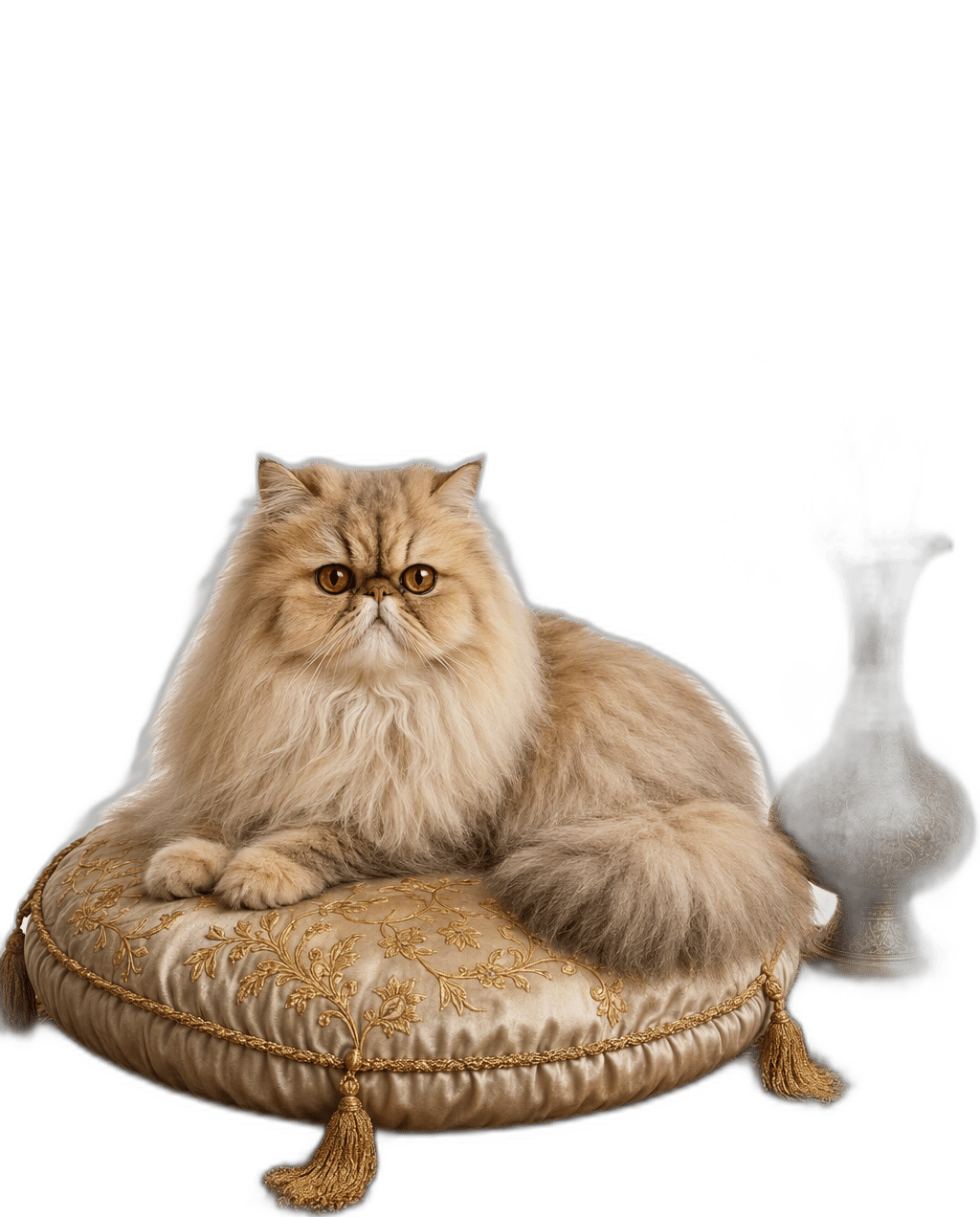
Who it suits
Is the Persian right for you?
The Persian suits:
- People who like a quiet home environment
- People with time to brush the cat every day
- People living in a small flat
- First-time cat owners (who are willing to learn about care)
Not suited to:
- People who want a lively, active cat
- People with no time for daily care
- People sensitive to cat hair
Health & care
Common health issues and care advice for the Persian
The Persian's most common health problems are breathing difficulties and blocked tear ducts. Because of the flat face the airways are shorter and breathing problems come easily. The tear ducts also block easily, causing tear stains.
Polycystic kidney disease (PKD) is a genetic condition in the Persian, so ask the breeder for health certificates before buying.
Wipe the eyes daily with damp cotton to keep them clean. If you notice anything unusual about the cat's breathing, take it to a vet immediately.
Want to see more cat breeds?
Besides the Persian, you can also compare Maine Coon, Ragdoll and Siamese (Siam Cat) — breed guides that compare personality, size and care difficulty.
Frequently asked questions
The questions people ask most about the Persian
In temperament it is very suitable: gentle, quiet, not demanding and not destructive of furniture. But note the higher grooming requirements: the long coat needs daily combing, and the flat face easily develops tear staining that needs daily eye cleaning. If you are willing to spend 10-15 minutes a day on care, the Persian is a good choice for a beginner.
Persian kittens in Hong Kong typically cost HK$10,000-20,000, depending on bloodline, coat colour and seller. When buying, choose a breeder with a good reputation and ask to see health certificates and parent information, and in particular ask clearly whether polycystic kidney disease (PKD) genetic testing has been done. Adoption is also a good option, and plenty of rescue organisations have adult Persians waiting for a home.
The flat face (short nose) structure makes the tear ducts shorter and more curved, so tears cannot drain normally and run down the face, leaving tear stains. This is a breed trait rather than an illness, but the owner needs to wipe the eyes daily with damp cotton or a dedicated eye cleanser, keeping the area dry to avoid inflammation and staining. If the watering suddenly increases, turns yellow-green, or the cat keeps squinting, take it to a vet.
Very much so. Persians have low exercise needs and a quiet temperament, do not need much space, and a unit of a few hundred square feet in Hong Kong is already enough. In summer, though, do run the air conditioning or keep the flat ventilated: the long coat plus flat face make them poor at losing heat, and they overheat easily.
Persian articles
5 articles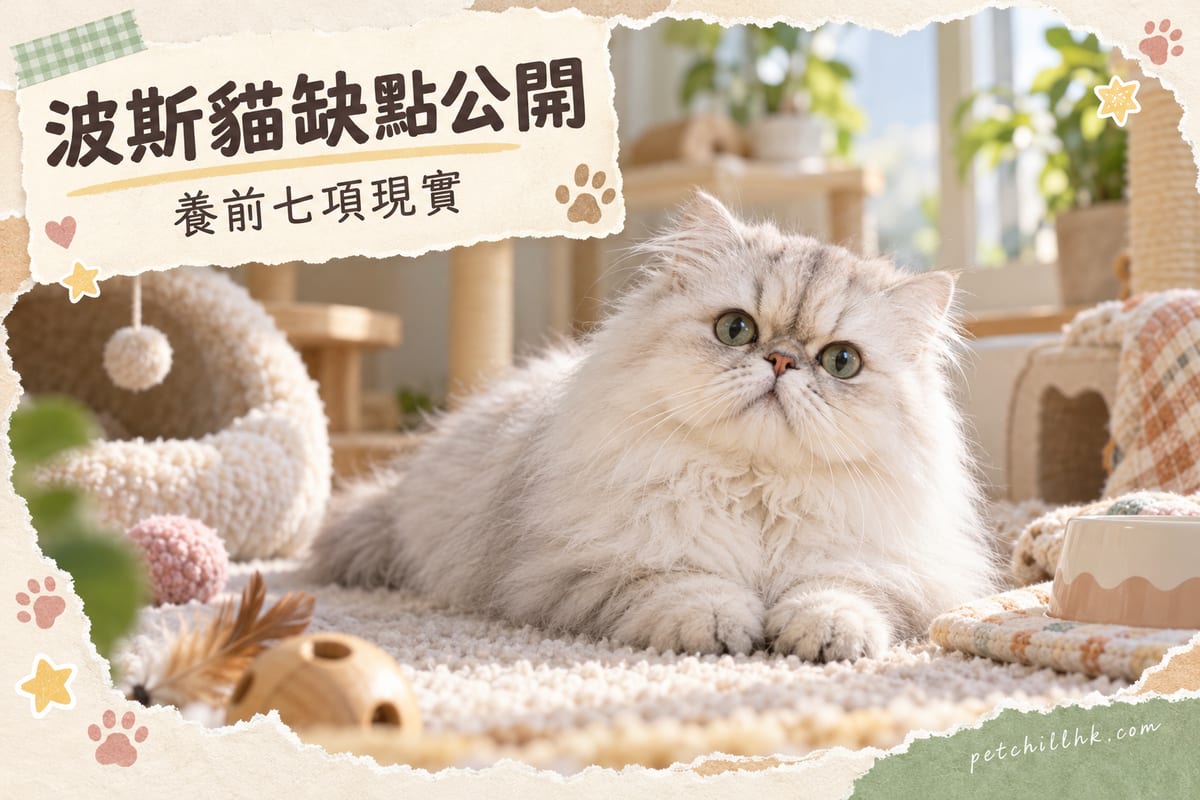
Persian Cat Disadvantages: 8 Things Hong Kong Owners Must Know Before Buying (Chinchilla Included)
Persians are elegant and quiet, but their downsides are very real: daily grooming, constant tear stains, PKD genetic risk, flat-face heat intolerance, easy weight gain, and higher vet bills. Chinchillas are part of the Persian family and share the same list. This article breaks down 8 major disadvantages and how to handle them, with a disadvantage × solution × cost table to help you make a clear decision between 'I really want one' and 'Can I actually cope?'
Read the full article →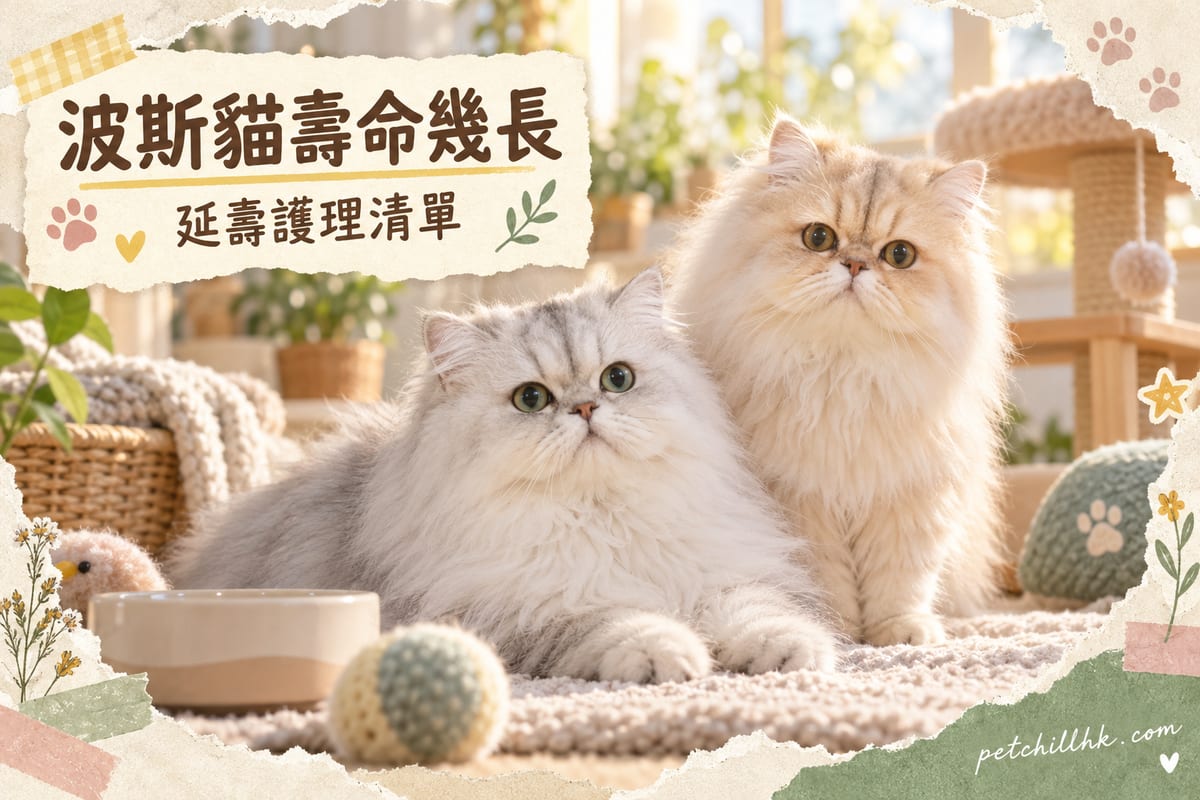
Persian Cat Lifespan: How Long Do They Live? Hong Kong Chinchilla Lifespan and Disease Guide | PetChill Cat Encyclopedia
Persian cats live 12–15 years on average; Chinchillas typically add another six months to a year because their faces are less flat. But the key factors are whether PKD (polycystic kidney disease) is screened and monitored, and whether weight is controlled. This article breaks down lifespan ranges, Chinchilla diseases, the Persian-family health risk map, age-by-age screening schedules and a lifespan-extension checklist to help you share more years with this feline aristocrat.
Read the full article →
Persian Cat Personality & Chinchilla Temperament: Intelligence Explained | The Truth About Hong Kong's 'Quiet Aristocrat'
The Persian personality is the cat world's recognised 'quiet aristocrat': elegant, gentle, not talkative. Yet searches for 'Chinchilla bad temper' and 'Chinchilla temperament' suggest another side. This article breaks down the Persian's five key personality traits, the Chinchilla's intelligence and learning style, where the 'bad temper' idea comes from, getting along with children and other pets, male-female differences, plus a care-implications table to help you see this breed's true character.
Read the full article →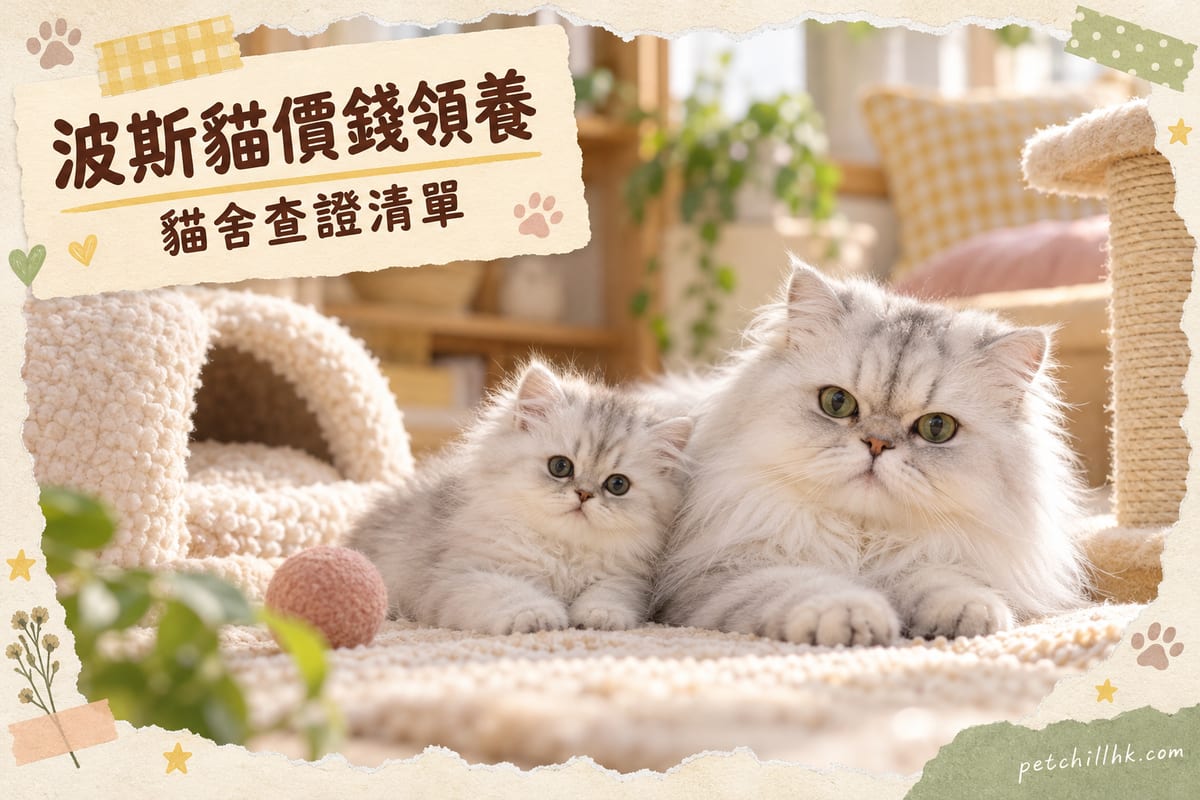
Persian Cat Prices in Hong Kong: Chinchilla Costs and Adoption Guide | PetChill
How much does a Persian cat cost? In Hong Kong, pet-quality Persians from registered catteries typically run HK$12,000–20,000, with show lines costing more; Chinchilla prices are usually a notch higher. Purebred adoptions are rare but occasionally available through the SPCA and rescues. This article breaks down the difference between Chinchilla and Persian prices, why anything below cost is a trap, a seven-step cattery verification checklist, adoption routes, and a monthly expense table—read it all before you buy or adopt.
Read the full article →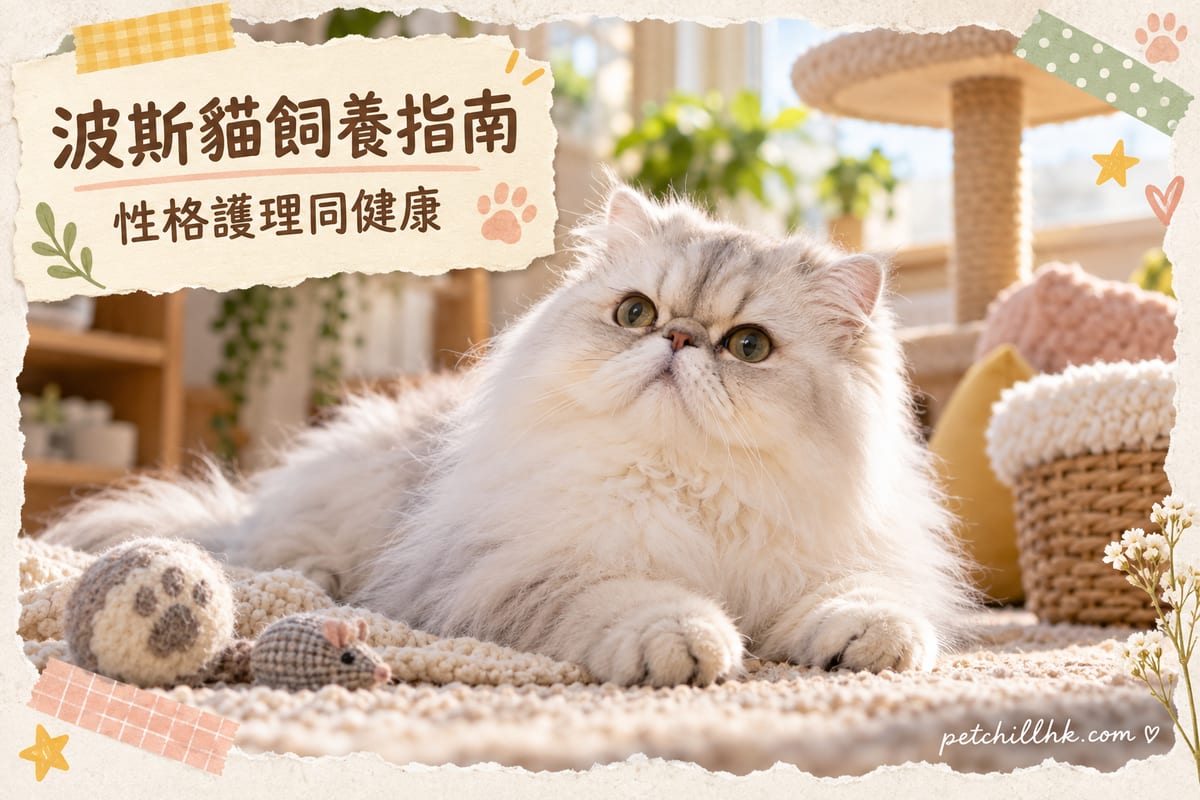
Persian Cat Care Guide for Hong Kong | Long-Hair Grooming, Tear Stains and Kidney Screening
The Persian is elegant and quiet, the aristocrat of cats, but daily brushing, tear-stain cleaning and PKD screening are all essential. This guide covers the Persian's appearance and build, personality, grooming steps, genetic health risks and what to watch for in Hong Kong's hot, humid summer — a must-read for long-haired cat owners.
Read the full article →You may also like
Other cat breeds like the Persian