Quick answers
- Blood calcium abnormalities in cats fall into 2 main directions: high blood calcium (hypercalcaemia) and low blood calcium (hypocalcaemia), with completely different causes and management.
- The most common clue to high blood calcium is reduced activity: cats may sleep 16 to 18 hours a day and jump noticeably less often.
- The course usually runs over weeks: changes appear gradually, and if there is no improvement after 1 to 2 weeks, a blood test is warranted.
- Confirming a diagnosis usually requires testing 3 to 5 items: total calcium, ionised calcium, phosphorus and PTH, with vitamin D added if needed.
- Dietary management focuses on 3 things: water, phosphorus content and protein, all adjusted according to veterinary assessment.
- If a cat eats nothing for more than 24 hours, or develops seizures or rapid breathing, seek veterinary care immediately.
Blood calcium abnormality is not a disease but a test result. The same 'high blood calcium' number can be caused by chronic kidney disease, tumours, hyperparathyroidism, vitamin D excess, or long-term use of certain calcium-containing medications. Conversely, 'low blood calcium' does not necessarily mean 'not enough calcium in the diet'; common causes in senior cats are advanced kidney disease, hypoparathyroidism, vitamin D deficiency or gastrointestinal absorption problems. So the first step is always to find the cause, not to rush out and buy supplements.
For owners, the most practical starting point is observation: the earliest and most easily overlooked sign of calcium imbalance is fatigue and reduced activity. These changes are easily mistaken for 'old age', 'hot weather' or 'not wanting to play', and by the time vomiting, weight loss or seizures appear, the problem has usually been present for some time. This article follows that thread: first distinguishing the two main directions of high and low blood calcium, then breaking down how to observe fatigue and activity changes, what problems calcium deficiency causes in senior cats, how Ca/phosphorus/PTH testing is done, what to watch for in the diet, and finally when to hand things over to a veterinarian immediately.
Blood calcium abnormalities fall into 2 main directions: high and low
Blood calcium is not an isolated number; it interacts with phosphorus, albumin, parathyroid hormone (PTH), vitamin D and kidney function. A cat's blood calcium can be roughly divided into two parts: one bound to albumin, and the other in a free state known as 'ionised calcium'. It is ionised calcium that has physiological activity, so a cat with low albumin (e.g. chronic kidney disease, long-term poor appetite) can have a 'falsely low' total calcium reading while ionised calcium is actually normal—this is why testing total calcium alone is not comprehensive.
| Direction | Test result features | Common causes | Changes owners easily notice |
|---|---|---|---|
| High blood calcium | Total and/or ionised calcium above the laboratory reference range | Chronic kidney disease, tumours (e.g. lymphoma), hyperparathyroidism, vitamin D excess, long-term use of calcium- or vitamin D-containing medications | Reduced activity, easy fatigue, increased water intake and urine output, gradually worsening appetite, weight loss |
| Low blood calcium | Total and/or ionised calcium below the laboratory reference range | Advanced chronic kidney disease, hypoparathyroidism, vitamin D deficiency, gastrointestinal absorption problems, nursing queens | Muscle twitching or tremors, unsteady gait, fatigue, reluctance to move, poor appetite |
Note that the early signs on both sides can look similar—both are 'not energetic, not wanting to move'. So you cannot judge the direction by eye; you need a blood test. If a cat also has chronic kidney disease, the chance of blood calcium abnormality increases markedly, because the kidneys are the main organs regulating calcium and phosphorus balance; for the disease course and daily care, see the cat chronic kidney disease care guide and urinary and kidney health basics for cats.
Besides the kidneys, several other directions are worth noting: tumours (especially lymphoma), parathyroid problems, skin or hair follicle-related lesions, long-term use of vitamin D- or calcium-containing products, and accidental ingestion of vitamin D-containing rodenticides. These are all within the veterinarian's remit; owners do not need to guess, but there are two things they can do well: provide a complete record of the usual food, treats, supplements and all medications, and record 7 days of food and water intake. These two records help the veterinarian enormously in determining the direction.
How much does hypercalcaemia affect a cat's fatigue and daily activity?
The answer is: the effect is direct, and it is often the earliest change owners can see. High blood calcium affects normal nerve and muscle transmission and weakens the kidney's ability to concentrate urine (so water intake and urine output increase); some cats also have slower gut motility and poorer appetite. Together these produce the 'always tired, doesn't want to move' picture—not laziness, but genuine fatigue.
In practice, what you usually see is a reduction in magnitude rather than complete immobility: jumping onto the cat tree a dozen times a day becomes two or three times; getting up when called becomes getting up after several calls; chasing the wand toy for 10 minutes becomes playing for 1 to 2 minutes then lying down. Because the change happens step by step, many owners automatically explain it as 'he's grown up', 'it's hot' or 'he doesn't want to bother with me'. The following comparison table helps you check item by item:
| Daily action | Common changes in hypercalcaemic cats | What owners can record today |
|---|---|---|
| Jumping onto windowsill or cat tree | From several times daily to only 1 to 2 times, or staring at the cat tree without jumping | Record jump count and time of day for 7 consecutive days |
| Getting up to greet | Gets up after 3 to 4 calls, sits down after a few steps | Give a daily demeanour score (1 to 5) |
| Self-grooming | Noticeably reduced; fur on back and hind legs becomes messy and greasy | Check skin and coat condition while brushing |
| Water intake and urine output | Increased water intake and larger urine clumps; litter tray needs more frequent cleaning | Measure 24-hour total water intake and number of urine clumps |
| Play response | Stops after 1 to 2 minutes chasing the wand toy | Fixed 3 to 5 minute test daily |
| Weight | Slow monthly decline, may not be obvious within a week | Weigh once weekly at the same time |
One point needs to be clear: fatigue and reduced activity are common to many diseases, including joint pain, heart disease, anaemia and chronic kidney disease. Joint problems also make cats 'not want to move'; see the cat arthritis care guide for comparison. This is also why you cannot draw conclusions from observation alone—observation's role is to decide 'when to get a blood test', not to replace it.

What health problems does calcium deficiency cause in senior cats?
In senior cats, 'not enough calcium' is usually not simply a matter of eating too little calcium, but a problem with blood calcium regulation. Too low blood calcium (hypocalcaemia) can cause 3 types of problem:
- Muscles and nerves: muscle weakness, twitching of the legs or face, tremors, and in severe cases seizures and inability to stand. These signs are the most urgent category.
- Bone metabolism: long-term imbalance worsens bone quality; senior cats already lose bone mass with age, so a fall carries fracture risk.
- Heart and clotting: calcium ions are involved in myocardial contraction and the clotting process; severe imbalance can affect heart rhythm.
Senior cats are especially vulnerable for several reasons: chronic kidney disease is common in senior cats and interferes with both calcium and phosphorus balance; intestinal absorption weakens with age, affecting vitamin D and fat absorption; and some senior cats have parathyroid problems. Nursing queens are also high-risk, because nursing causes major calcium loss.
The most important line: do not buy calcium tablets or vitamin D supplements for your cat yourself. Blood calcium imbalance can be high, and self-supplementing with calcium may make things worse; even when it is genuinely low, the form and dose of supplementation must be decided by the veterinarian, as excessive calcium or vitamin D can cause toxicity. If a senior cat is also on prescription food or other medications, provide all information for veterinary assessment and do not adjust anything yourself. For daily care, the senior cat care guide and senior cat care hub have complete routines and home adjustment checklists.
What needs testing? Ca/phosphorus/PTH test item comparison
Diagnosing blood calcium abnormality is not as simple as testing one number; usually a panel of tests is interpreted together. Here are the common items and their purposes:
| Test item | What it mainly shows | What a high reading may indicate | What owners should note |
|---|---|---|---|
| Total calcium (Ca) | All calcium in the blood, including the albumin-bound portion | Hypercalcaemia, vitamin D excess, tumour-related | Low albumin can make the reading 'falsely low'; interpret together |
| Ionised calcium (iCa) | The physiologically active free calcium | True hypercalcaemia, more accurate than total calcium | Higher sample handling requirements; send to the lab as soon as possible |
| Phosphorus (P) | Phosphorus metabolism and kidney function | Chronic kidney disease, hypoparathyroidism | Normal range differs between kittens and adult cats |
| Parathyroid hormone (PTH) | The hormone regulating blood calcium | Hyperparathyroidism; a low reading suggests other causes | Usually interpreted together with ionised calcium |
| Kidney function (creatinine/SDMA) | Kidney filtration capacity | Chronic kidney disease, commonly coexisting with high blood calcium | Fasting arrangements before testing follow veterinary instructions |
| Vitamin D | Calcium absorption and storage status | Excess related to supplements or rodenticides | Honestly report all supplements and treats |
The process is generally as follows:
- Prepare records: 7 days of food intake, 24-hour water intake, urine clump count, weekly weight, daily demeanour score.
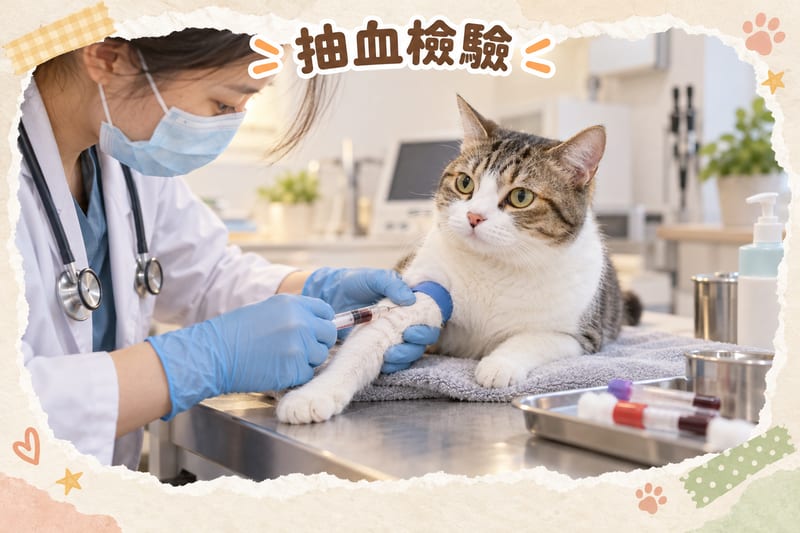
- Blood test: the veterinarian tests the above items as appropriate, usually more than one.
- Recheck: abnormal readings generally need rechecking for confirmation, because a single result can be affected by dehydration, timing of meals and other factors.
- Find the cause: depending on initial results, the veterinarian may arrange imaging (e.g. X-ray or ultrasound) to look for tumours, stones or other lesions.
- Set a plan: decide based on the cause whether dietary and water management is the main approach or other treatment is needed.
The only things owners need to do are provide complete information and attend rechecks on time; do not skip a recheck because 'the number is only slightly high'. The meaning of a value must be read together with the medical history, not from a single report.
What should I pay special attention to in a hypercalcaemic cat's diet?
Diet is the part most often needing adjustment in hypercalcaemia cases, but the adjustment must be decided by the veterinarian according to the cause. Here are 3 main directions and practical notes:
One: water. High blood calcium makes cats urinate more and prone to chronic dehydration, so water intake is the top priority. Measures include: placing several water bowls, using a circulating water fountain, adding wet food, and mixing 1 to 2 tablespoons of warm water into dry food. Record 24-hour water intake daily and compare when the weather changes.
Two: phosphorus content. If the cat also has kidney problems, the veterinarian will usually require phosphorus restriction. This is not something owners can judge themselves—do not add bone meal, calcium tablets, vitamin D or any mineral supplements on your own, and do not copy other people's online meal plans.
Three: protein and electrolytes. Protein levels need to match kidney function; too little or too much is not ideal. Many hypercalcaemia cases ultimately use prescription food, which is a therapeutic diet and must be assessed and prescribed by a veterinarian first.
| Type | Example | Reference price | Notes |
|---|---|---|---|
| Kidney + joint prescription dry food (2kg) | Royal Canin prescription food EARLY RENAL+MOBILITY 2kg | HK$319 | Prescription food; must be selected after veterinary assessment |
| Senior cat everyday dry food (1.8kg) | Leonardo cat food grain-free senior 1.8kg | HK$269 | General everyday choice for senior cats; ask the veterinarian first for cats with blood calcium abnormalities |
| Kidney care wet food pouch (40g) | AIXIA kidney health complete wet food pouch tuna + chicken 40g | HK$8.5 | Wet food helps water intake; transition gradually as well |
Prices and stock are subject to the online store's current listed price.
Do not rush the food transition; use a 7 to 10 day gradual method: for the first 2 days new food makes up 10%, then increase by 10% to 20% every 2 days, changing only one thing at a time. If the cat develops soft stool, stop increasing the new food, observe for 1 to 2 days, then check whether treats or the water ratio is the problem. For basic principles of a balanced diet, see the complete cat nutrition guide; if the cat vomits or is uncomfortable after eating, see the boundaries of home care for cat vomiting.

Veterinary approach and recheck arrangements
The principle of managing blood calcium abnormalities is 'determine the cause first, then the plan', not prescribing as soon as a number is high. Common divisions of work are:
- Non-emergency cases: usually start with dietary and water management, with regular blood tests to track changes.
- Clear cause: e.g. kidney disease, parathyroid problems, tumours or other lesions, treated according to that cause.
- Emergency situations: seizures, arrhythmia, extreme weakness are for immediate management and cannot wait for the next appointment.
Supporting records owners can keep (veterinarians generally ask for them):
- Daily food intake (grams or cans) and whether food is left.
- 24-hour water intake and urine clump count.
- Weigh on a fixed day each week, on the same scale at the same time.
- Daily demeanour and activity score (1 to 5), with a sentence or two of observation.
- Names and start dates of all medications, supplements and treats.
Recheck frequency is decided by the veterinarian according to severity; do not lengthen the interval yourself, and do not stop medication or prescription food on your own because 'he looks fine'. Any adjustment—including changing food, water ratio, or stopping a treat—should be discussed with the veterinarian first.
When to see a veterinarian immediately
If any of the following occurs, do not wait any longer:
- Muscle twitching or tremors in the face, ears or legs, or sudden seizures.
- Unsteady walking, sudden collapse, inability to stand.
- Rapid or laboured breathing.
- Complete lack of eating for more than 24 hours, or a sudden large drop in water intake.
- Demeanour deteriorating rapidly from fatigue, hiding away, not responding to calls.
- Vomiting accompanied by weakness, or obvious weight loss in a short time.
In all these situations, follow veterinary instructions: do not adjust any medication yourself, do not give supplements, and do not wait 'a day or two to see'. If the veterinarian has prescribed a therapeutic diet, the transition pace must also follow veterinary instructions, because prescription food may be introduced differently from a normal food change.
Frequently asked questions
Q: How does hypercalcaemia affect a cat's fatigue, and does it make daily activity harder? A: Yes, and it is a clue seen in both major types of blood calcium abnormality. Calcium imbalance affects neuromuscular transmission and the kidney's ability to concentrate urine, so cats tire easily, sit down after a few steps and jump onto the cat tree noticeably less; some sleep 16 to 18 hours a day and even skip grooming. Changes usually appear gradually and many owners assume the cat is 'just getting old'. If activity keeps declining for 1 to 2 weeks with no improvement, get a blood test and follow your veterinarian's instructions for all management.
Q: What health problems can calcium deficiency cause in senior cats? A: Low blood calcium in senior cats can cause 3 types of problem: muscular and neurological signs such as weakness, twitching and tremors; long-term bone metabolism imbalance leading to poorer bone quality and higher fracture risk; and possible effects on heart and clotting function, with seizures and unsteady gait in severe cases. Senior cats commonly have chronic kidney disease, poor intestinal absorption or parathyroid problems, so blood calcium imbalance should not be self-treated with calcium tablets. Supplement form and dose must always follow veterinary instructions.
Q: What should I pay special attention to in a hypercalcaemic cat's diet? A: 3 key points: first, adequate water intake—wet food or dry food with added water both help the kidneys dilute urine; second, phosphorus content should be controlled according to veterinary assessment, and you should not add bone meal, calcium tablets or vitamin D supplements yourself; third, protein and electrolytes need adjusting to kidney function, and prescription food is needed in many cases. Transition foods over 7 to 10 days, weighing weekly and recording water intake during the change. Any dietary change must be agreed with your veterinarian first.
Q: How many items are tested for blood calcium? A: Usually 3 to 5 items are tested: total calcium (Ca), ionised calcium (iCa), phosphorus (P) and parathyroid hormone (PTH), with vitamin D and urine calcium ratio added if needed. Testing total calcium alone is not comprehensive because part of it is bound to albumin, so cats with low albumin (e.g. kidney disease or malnutrition) can show 'falsely low' total calcium. Reference ranges differ between laboratories, so always follow the ranges on the report; fasting arrangements before the test (usually 6 to 12 hours) follow veterinary instructions.
Q: What are the symptoms of low blood calcium in cats, and when should I see a veterinarian immediately? A: Seek veterinary care immediately if 4 signs appear: muscle twitching in the face or legs, unsteady walking or sudden collapse, rapid breathing, or a rapid decline in demeanour from fatigue. Early low blood calcium causes only reduced activity and easy fatigue, but it can worsen quickly, so waiting more than 24 hours is not advised. Do not give any supplements or over-the-counter medication during transport; bring all usual diet and medication records to the clinic and follow veterinary instructions.
Further reading
- Senior cat care guide: daily routines and home checklist from age 7
- Cat chronic kidney disease care guide: water, diet and recheck arrangements
- Urinary and kidney health basics for cats: urine concentration and water management
- Complete cat nutrition guide: basic principles of a balanced diet
In emergencies, contact a veterinarian immediately; this article is for reference only and cannot replace veterinary diagnosis.
Information checked as of 2026-10-12 · Source: PetChill editorial team
 Royal Canin full guide →


 Fuji One full guide →


 AIXIA full guide →