Chihuahua
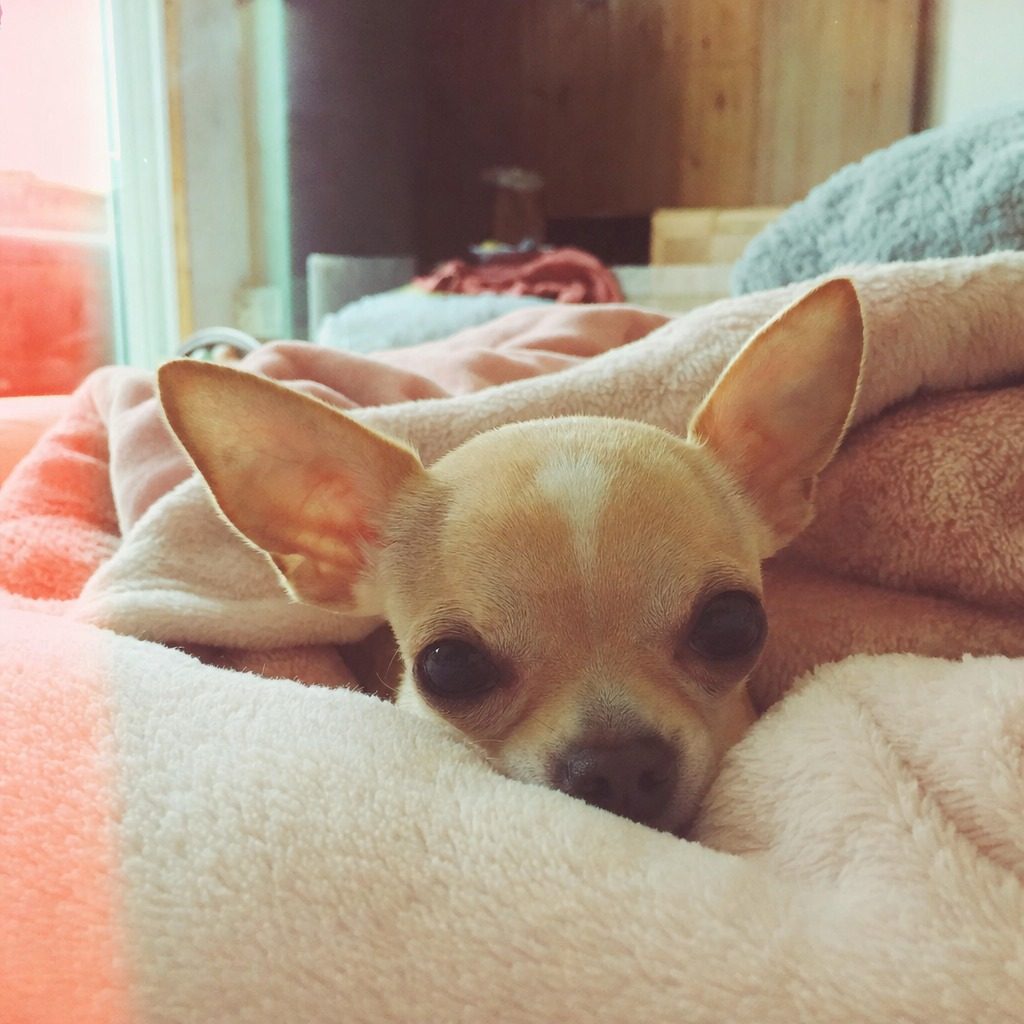
The Chihuahua is a toy breed native to the Mexican state of Chihuahua, with a history of more than 1,000 years and one of the smallest dog breeds in the world; 'Chihuahua' itself refers to the Mexican state. Adults weigh 1-3 kg with a shoulder height of 15-25 cm, in short-haired and long-haired varieties and in many colours including black, white, chocolate, fawn and tricolour. Bold, loyal, alert and affectionate, it is nicknamed the 'little tyrant', loves to stick close to its owner, and is a 'bag dog'. Lifespan is 12-20 years, one of the longest-lived breeds. Exercise is 30-60 minutes a day, and cold sensitivity is high: below 10 degrees C it needs a coat. In Hong Kong prices are around HK$8,000-20,000, with basic monthly costs of about HK$600-1,200. Three underlying facts: small but not timid; bones and trachea are the weak points; sensitive to cold and also to heat; renters should confirm the deed of mutual covenant and tenancy first. An adult Chihuahua doesn't know it is small and will challenge big dogs, so socialisation must start early - don't exempt it from the rules just because it is small.

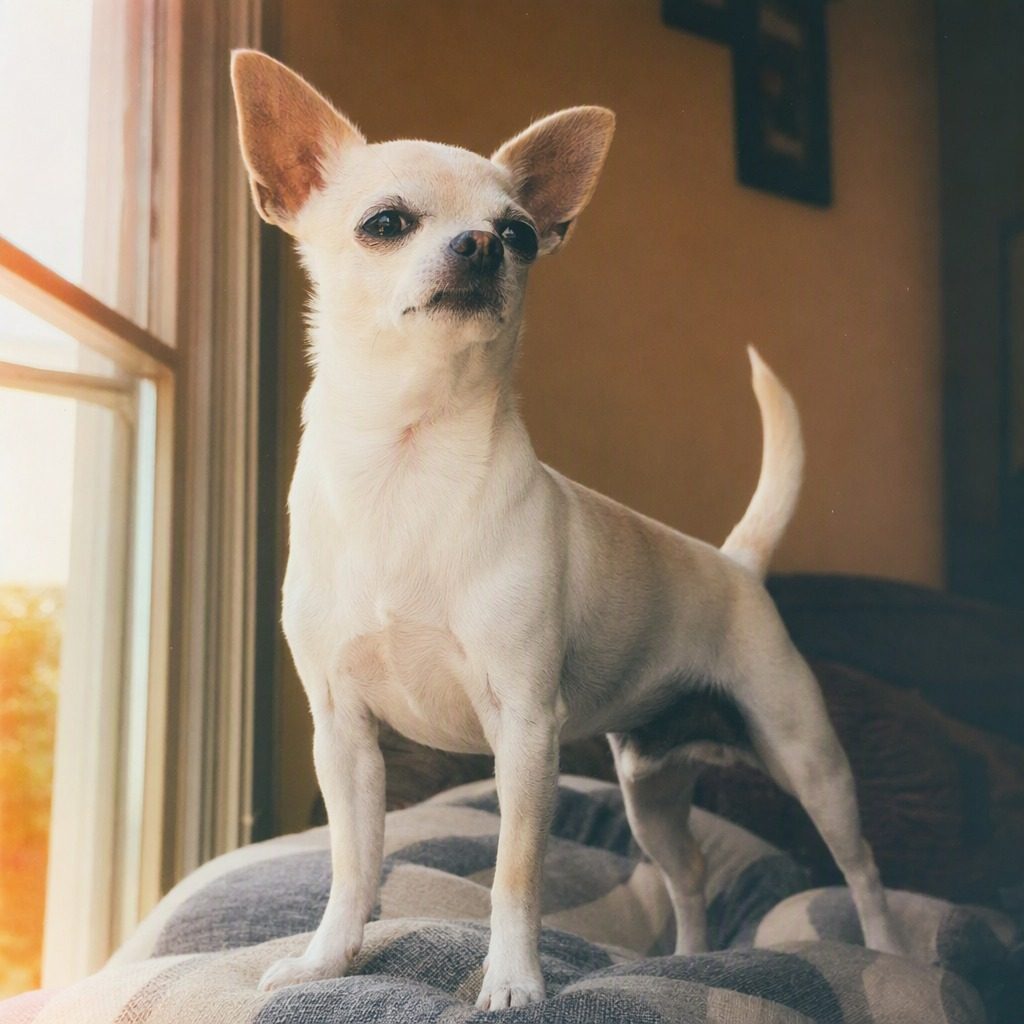
📺 32-second video · Cantonese narration
The Chihuahua story, in one take
From its origins to Hong Kong homes — how did the Chihuahua become one of Hong Kong's most popular pet breeds?
- ✓Origin story: starting in its homeland
- ✓Personality: Gentle and affectionate
PetChill Pet Encyclopedia
Daily life & habits
A Chihuahua needs 30 minutes to 1 hour of exercise a day, ideally 2 walks of 15 to 30 minutes plus indoor play. Without enough exercise, Chihuahuas can develop behaviour problems such as destroying furniture; this dog's tiredness comes more from boredom than from physical capacity, so after a walk, brain games such as a snuffle mat with breakfast hidden in it, new tricks or a command roulette are more effective than more laps of the block. They are highly alert and will sound the alarm at any sudden noise in the street, so teach 'quiet' gradually with rewards. Their tolerance for being treated as a handbag is low: before touching, ask the dog rather than the person, and let it choose the moment. Three daily observations cost nothing but need doing every day: whether the breathing has a honking cough, whether the gait suddenly lifts a hind leg and hops, and whether the breath and tartar have clearly got worse. For long-haired individuals, 5 minutes of brushing a day can be built into the evening routine; feed at set times, 3-4 meals a day for puppies and 2 for adults. Chihuahuas have very low space requirements but high requirements for companionship and care detail. Hong Kong summers are hot, so avoid midday walks, provide plenty of water and run the air conditioning; winters are cold, so put on a coat and avoid long periods outdoors.
Care essentials
Grooming
Grooming a Chihuahua is relatively easy. Brush 2 to 3 times a week with a slicker brush plus a comb; short-haired Chihuahuas need brushing only once a week, while long-haired ones need 5 minutes daily plus regular trimming. Bathe once or twice a month with a dog shampoo, not human shampoo; after bathing, towel off the excess and then dry, and keep the ear canals dry. Trim nails once a month with dog nail clippers, without cutting the quick; overlong nails affect the gait. Clean the ears once a week with dog ear cleaner, and while brushing check the skin for red spots and the ear canals for odour. Brush the teeth 2 to 3 times a week with dog toothpaste; dental disease is the number one chronic killer of quality of life, most dogs over three have visible tartar, and from 8 years old an annual tartar check is recommended. Grooming costs about HK$200-400 a month, and short-haired individuals can be washed at home, saving that expense. Long-haired and short-haired are the same breed; the difference is mainly coat texture and grooming time. Hong Kong summers are hot, so avoid going out at midday; winters are cold, so dry and warm the dog immediately after a bath. While brushing, also check around the eyes for redness and heavy discharge.
Training
The training motto is 'small dog, big dog standards'. Consistency: one set of rules for the whole household - allowed on the sofa today and scolded for it tomorrow, and a clever dog like this learns to 'read your mood' immediately. Short: five to eight minutes a session, because their patience is limited and long sessions frustrate dog and owner alike. High value: small treats for a small dog, and split one meal's food into three training portions so it doesn't get fat. Socialisation first: within the three-to-twelve-week window, unfamiliar sounds, floors, people and steady big dogs, with something tasty paired with each experience; missing that window costs double the time later, for example fear of people or barking at every dog. Basic commands - sit, down, stay, come - start from the basics; practise recall in a safe area, as a Chihuahua is not a dog to let off lead. Barking control uses a 'quiet' command plus desensitisation to the trigger sound. Use positive training with treats and praise, not physical punishment, which gets a better response than scolding; the common training difficulties are barking and challenging big dogs, and both directions come down to socialisation plus consistent boundaries. If resource guarding or fear biting appears, see an accredited trainer or a veterinary behaviourist rather than trying internet cures head-on.
Diet
Puppies eat 3-4 meals a day and adults 2, with portions calculated from body weight and the calorie content of the food; food should not be topped up without limit. Chihuahuas are small, so treats must count towards the daily calorie total to avoid obesity adding load to the knees and trachea. Dog food costs HK$300-500 a month; they eat little, so a 2 kg dog gets through about 1.5 kg of food a month; treats and supplies come to about HK$100-200 a month. Three practical savings: short-haired Chihuahuas can be washed at home, saving HK$200-400 a month; have vaccinations, worming and neutering done at the same vet, where packages are about a tenth cheaper; plan a medical reserve early to spread the trachea and fracture risks, with HK$200-400 a month suggested. Tracheal collapse surgery costs about HK$20,000-50,000 and fracture surgery about HK$10,000-30,000, so a reserve is not optional. First-year vaccinations, three doses, cost about HK$900-1,500, with an annual booster after that; neutering is about HK$1,800-3,500, cheaper for males and dearer for females. Weigh monthly to catch weight drift early.
Chihuahua everyday food & supplies
Chosen by species (dog) from products PetChill stocks — not a breed-specific formula. Actual suitability depends on age, weight and health.
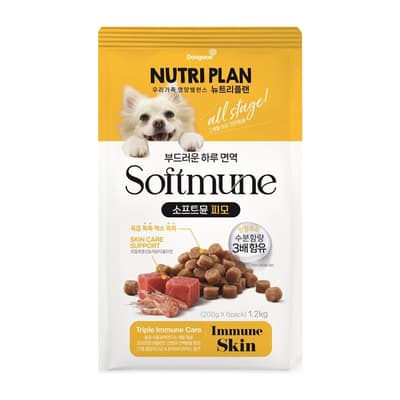
Nutriplan Soft Dog Food Immunity and Skin Care Support 1.2kg (64337)
HK$98About HK$81.67 per kg
Price checked 2026-10-21; the store page shows the live price, stock and offers.

Bella & Molly's Dutch Berry Royal Selected Dog Food AAFCO Grain-Free Single Protein Salmon Formula 50g (Limited Time Experience)
HK$10About HK$200 per kg
Price checked 2026-10-21; the store page shows the live price, stock and offers.
 Special offerHK$175HK$235
About HK$77.16 per kg
Price checked 2026-10-21; the store page shows the live price, stock and offers.
History & origin
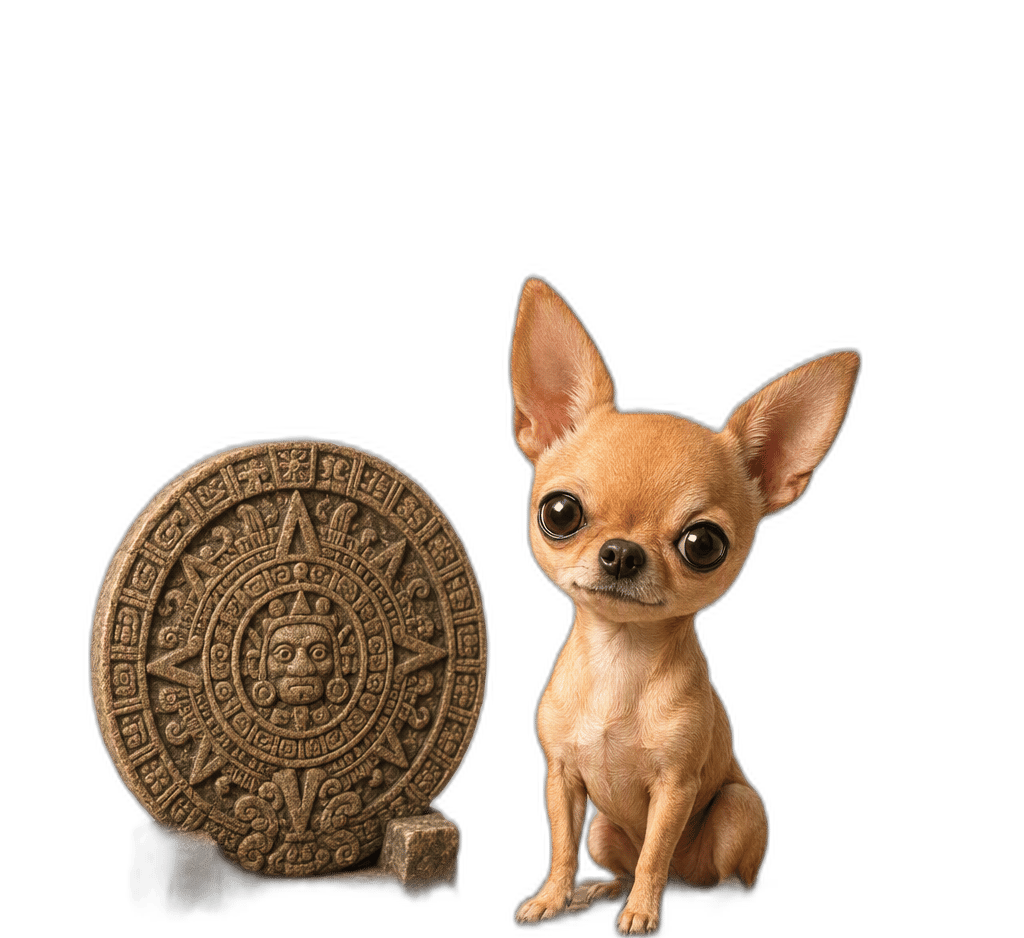
The Chihuahua is the world's smallest dog breed. It originates in Mexico and is named after the Mexican state of Chihuahua. Its history goes back to the ancient Aztec civilisation of Mexico, where the 'Techichi' dog is regarded as the Chihuahua's ancestor.
According to Aztec legend, the Techichi was a sacred breed with the duty of guarding the souls of the dead as they crossed the underworld, which earned it the title 'guardian of souls'. In the 19th century, American travellers found these tiny dogs in the Mexican state of Chihuahua, brought them back to the United States to breed, and named them 'Chihuahua'.
Today the Chihuahua is one of the most popular toy breeds in the world. They are extremely small (typically 1-3 kg), with large eyes, erect ears, and both short-haired and long-haired varieties. In temperament they are brave, loyal, alert and affectionate; though the smallest breed, they are bold in character - hence the saying 'small body, big soul'. They are extremely loyal to their owner and usually bond especially closely with one family member, while being wary of strangers and prone to barking. Chihuahuas suit small urban flats, but because they are small with fragile bones you must prevent falls, and take extra care around children.
Who it suits
Is the Chihuahua right for you?
Very suitable for single people or elderly owners who are at home for long periods: the Chihuahua is a 'bag dog' with high companionship needs, and interaction pays back. Suitable for small flats and renters, given the small size and low exercise needs, but confirm the deed of mutual covenant first. Not recommended for households with children under 6: fragile bones plus an easily stressed nature mean pulling can easily cause fractures. Not recommended if nobody is home for more than 10 hours a day: separation anxiety is likely, with barking or damage to furniture. Residents of poorly soundproofed buildings should weigh it up: high alertness and easy barking make neighbour complaints a real risk. The difficulty lies mainly in medical care and companionship: 30-60 minutes of exercise a day, split into two walks of 15-30 minutes; use a harness rather than a collar to guard against tracheal collapse; prevent jumping up and down to avoid fractures; long-haired individuals need 5 minutes of brushing a day. Meet these points and the Chihuahua is one of the easiest breeds to keep in a small flat. Reverse self-check: how many hours a day is someone at home? Can you accept two walks a day of 15-30 minutes? Can you use a harness instead of a collar long term and stop it jumping up and down? If two of the three answers are no, think again. Suitable for households with elderly owners, since it is small and easy to carry, but guard against falls and knocks; renters should remember to check the deed of mutual covenant and the tenancy first. Someone at home every day is the first condition.
Health & care
Common health issues and care advice for the Chihuahua
Five high-frequency areas: dental - Chihuahuas are a dental disaster zone among small breeds, with small teeth set close together and fast tartar build-up; most are visibly tartar-laden by three years old, and in severe cases the gums recede and roots are exposed. Skeletal - patellar luxation is mostly a congenital tendency, and a sudden hop in the gait is not cute, it is a signal. Tracheal - weakened tracheal cartilage gives middle-aged and older Chihuahuas a dry honking cough. Cardiac - mitral valve insufficiency is the number one heart disease of elderly small dogs, asymptomatic early on and picked up on auscultation. Metabolic - puppies have small glycogen reserves, and a missed meal or a chill can trigger hypoglycaemia. Age-stage rhythm: 0-1 year, small frequent meals, complete vaccinations, start toothbrushing early; 1-9 years, one check-up a year, weigh monthly, brush teeth at least four times a week; 9-11 years, establish a senior baseline with bloodwork and cardiac auscultation, then repeat and compare every six months. Emergency red flags are counted in hours: a puppy trembling with lethargy and refusing food, laboured breathing with a blue tongue or gums, or a hind leg suddenly not weight-bearing; from ten years old, a check-up with bloodwork every six months is recommended. Weight and temperature are two free life-extenders: measured feeding, and keeping warm and out of draughts; starting toothbrushing at one year old is the best value health investment. Safe margins for drugs and anaesthetic doses are narrower than for large dogs, so medication must be calculated by a vet according to body weight. Medical content is for reference only.
Want to see more dog breeds?
Besides the Chihuahua, you can also compare Beagle, Rottweiler and Maltese — breed guides that compare personality, size and care difficulty.
Frequently asked questions
The questions people ask most about the Chihuahua
Yes. The Chihuahua is the smallest dog breed in the world, typically only 1-3 kg and small enough to fit in a handbag, which is why it is also called a 'handbag dog'.
The Chihuahua comes from Mexico and is named after the state of Chihuahua; its ancestors were the 'Techichi' dogs of the ancient Aztec civilisation, with a legend of being 'guardians of souls'.
It barks easily. Chihuahuas are alert and brave, wary of strangers and prone to barking; they need early socialisation and 'quiet' command training.
Be careful. Chihuahuas are small with fragile bones and a high risk of injury from falls, so handling by children needs extra care; they suit older children or adult-only households better.
Yes. A small body and a short coat (in the short-haired variety) mean poor heat retention, so it needs a coat or a warm mat in winter.
Small size and low exercise needs mean a small flat can cope, but barking must be managed and socialisation done properly.
Its small body means warmth needs watching when indoor temperatures drop in winter; add a coat when going out.
Small size and low exercise needs, but you must watch socialisation and barking - beginners can manage.
Start regular checks in puppyhood, once a year as an adult, and more frequently in old age.
Chihuahua articles
4 articles
Chihuahua Disadvantages: A Full List for Hong Kong Owners — 7 Hidden Issues in a Tiny Body
What are the downsides of a Chihuahua? They are small, long-lived and suited to flats, but there is a list of issues to face: alarm barking, aggression towards unfamiliar dogs (small dog syndrome), trembling and cold sensitivity, a tendency to patellar luxation and tracheal collapse, dental problems that arrive early, fragile bones that break easily, and separation anxiety. This article goes through each Chihuahua disadvantage and how to manage it, with a disadvantage × response × cost table. Not a deterrent — just informed ownership.
Read the full article →
How Long Do Chihuahuas Live? | Hong Kong Chihuahua Lifespan and Common Diseases Explained
Chihuahuas generally live 12–16 years, making them one of the longest-lived dog breeds. With good care, exceeding sixteen years is not uncommon. Key factors affecting Chihuahua lifespan include weight management, dental care, and fall prevention. This article covers the Chihuahua lifespan range, a list of common diseases (dental disease, patellar luxation, tracheal collapse, mitral valve disease, hypoglycemia), care rhythms for each life stage, and a lifespan extension checklist, along with emergency red flags and a medical disclaimer.
Read the full article →
Chihuahua Personality and Intelligence: Small Dog, Big Dog Soul in Hong Kong
What is a Chihuahua's personality really like? They may look tiny, but inside lives a 'big dog': confident, alert, and so devoted to their owner that they stick like glue, while treating anything unfamiliar with suspicion first and friendship later. This article breaks down what Chihuahua intelligence actually looks like (they learn fast, but their motivation to obey doesn't match their size), their personality traits, the conditions for living with children and other pets, differences between males and females, and interactive training tips, plus a trait × behaviour × response table.
Read the full article →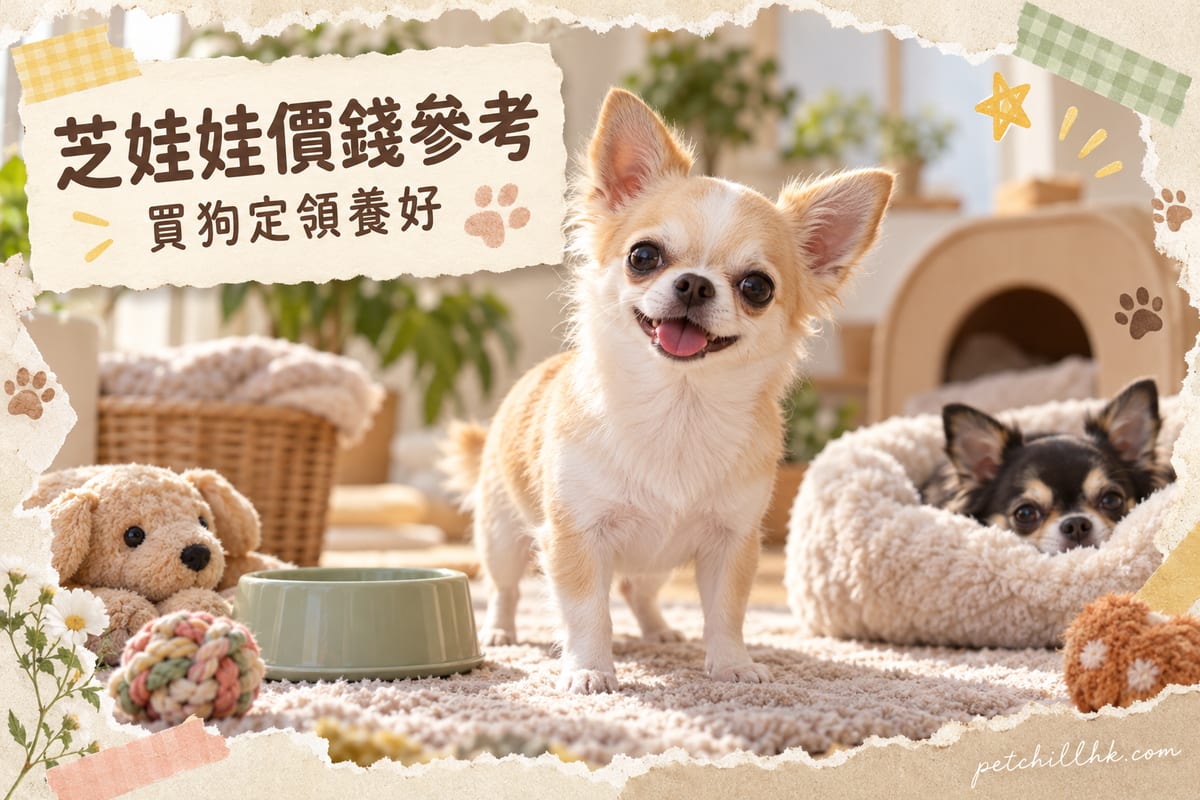
Chihuahua Price in Hong Kong: Adoption Routes, Buying Checklist and Real Monthly Costs
In Hong Kong, pet-quality Chihuahuas typically range from about $10,000 to $30,000, with pedigree-level costing more; the 'teacup' premium is a health warning, not a status symbol. Adoption through SPCA, RSPCA, HKAS, or rescue groups costs far less. Whether buying or adopting, don't skip these four steps: check the licence, see the dam, verify microchip and vaccinations, and sign a health agreement.
Read the full article →You may also like
Other dog breeds like the Chihuahua