
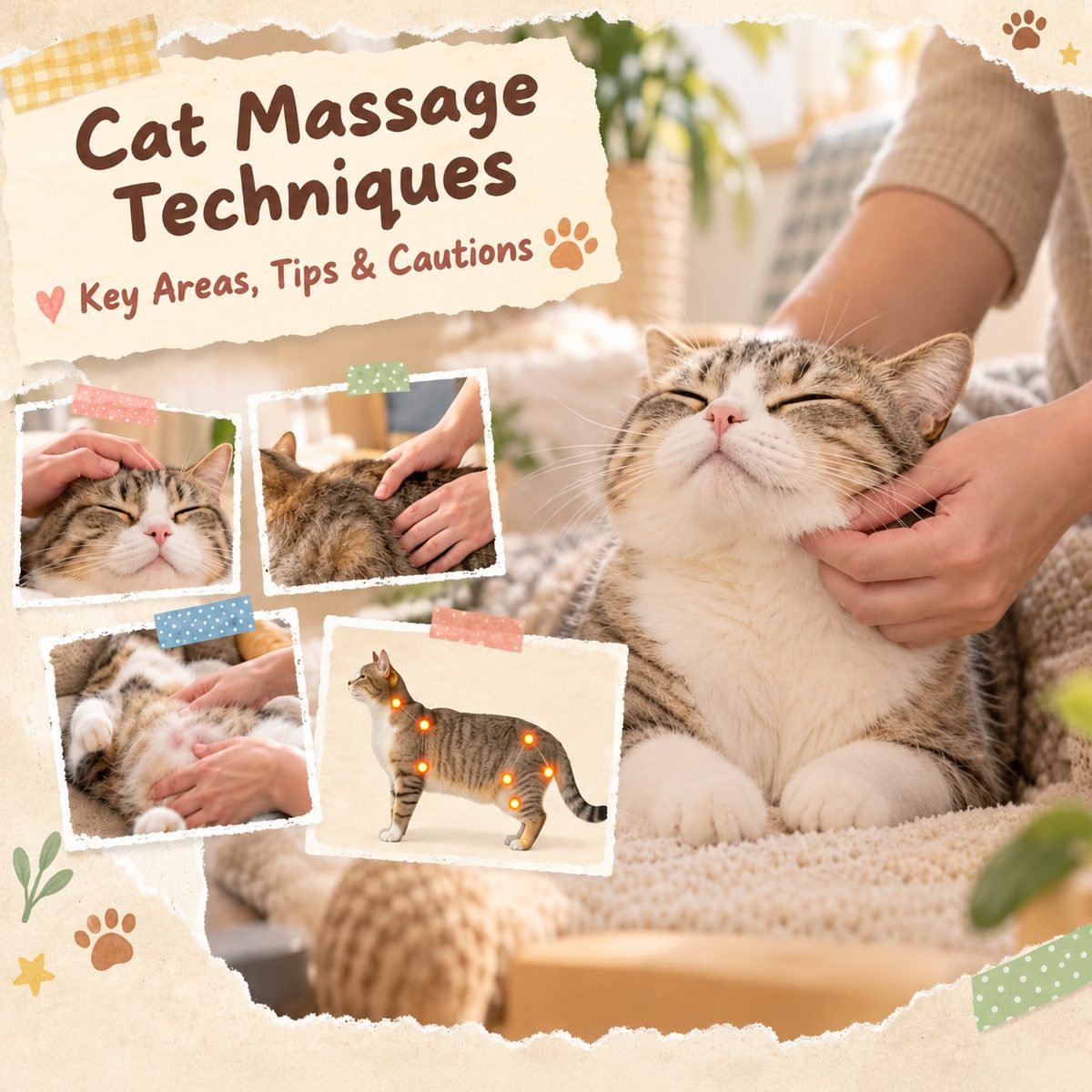
Cat Massage Complete Guide | 4 Key Areas, Constipation Massage, Acupoint Diagram, and Precautions
 A Maine Coon cat enjoying a gentle massage from its owner
Quick Answer: The safest and most popular areas to massage your cat are the chin, base of the ears, cheeks (whisker area), and base of the tail. Use your fingertips to gently press for 30 seconds to 1 minute on each area, paying attention to your cat's reactions—if they press their ears back, vigorously swish their tail, or try to walk away, stop immediately. The belly and paws are sensitive areas, and special techniques are needed for massaging the abdomen of constipated cats. Massage can relieve stress, promote circulation, and help detect health issues early, but it should never replace a veterinarian.
Have you ever gently stroked your cat's chin, and they instinctively nudge their head towards you, closing their eyes in bliss? Cats have several "switches" on their bodies that, when pressed correctly, can instantly put them into a healing mode. Today, I will teach you how to properly massage your cat, allowing you to build a deeper trust with your feline friend!
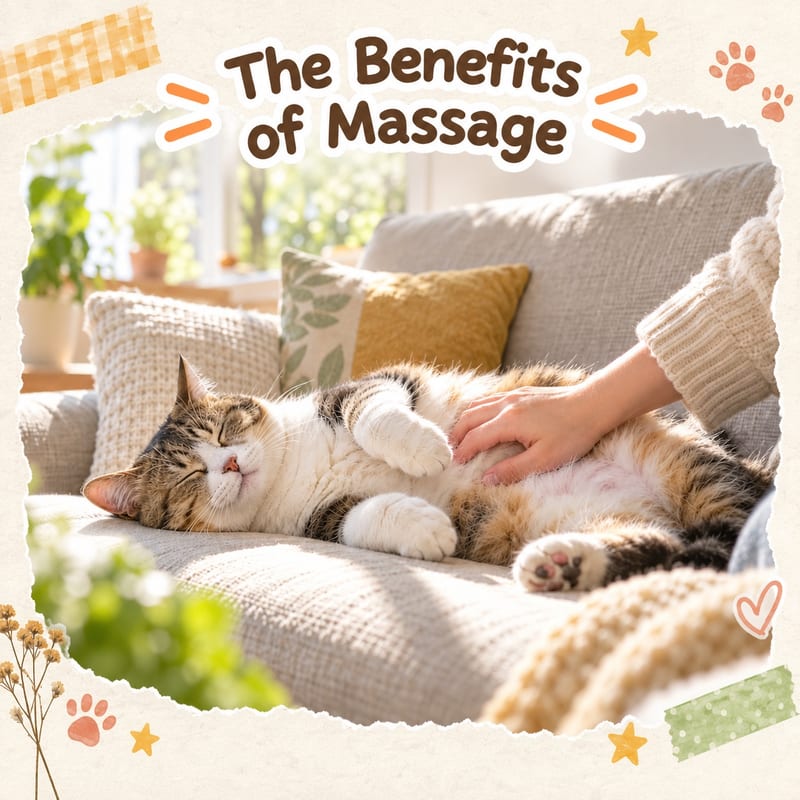
Why Should You Massage Your Cat?
Many cat owners think that petting a cat is the same as massaging, but there is a significant difference. Proper massage is not just about expressing affection; it also has the following benefits:
Relieves Stress: Gentle massage can help your cat relax and reduce anxiety.
Promotes Blood Circulation: Appropriate pressure helps improve peripheral circulation, especially beneficial for less active senior cats.
Early Detection of Abnormalities: During the massage, you can check for lumps, wounds, or skin issues.
Enhances Human-Cat Relationship: Regular massage can build trust, making your cat feel closer to you.
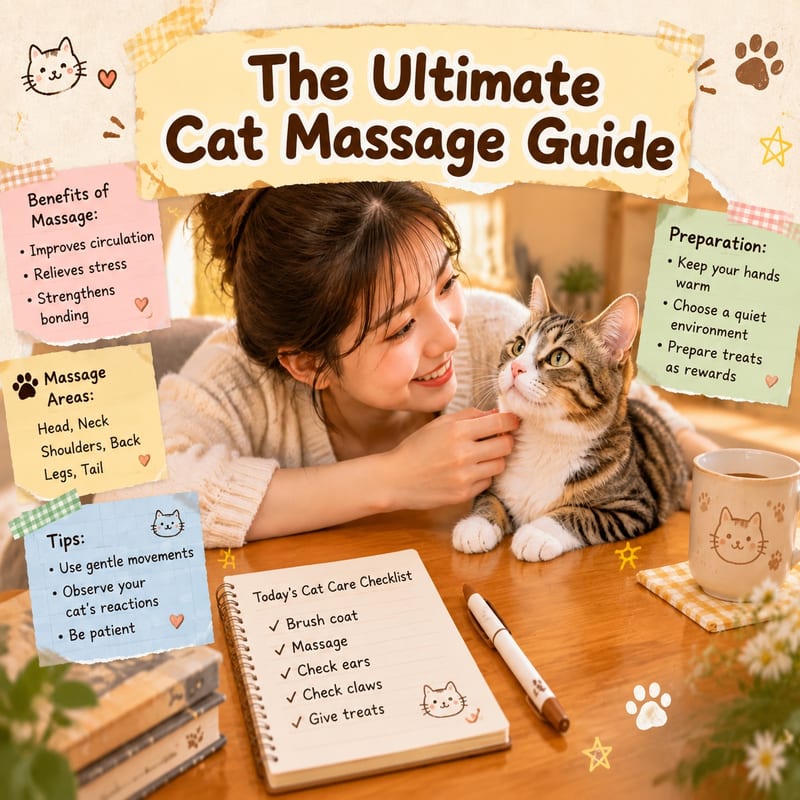
 4 Essential Massage Areas
| Area | Technique | Cat's Reaction | Caution |
|---|---|---|---|
| Chin | Four fingers gently stroke from bottom to top | Actively raises head towards you | Avoid using nails |
| Base of Ears | Gently rub the base of the ears and forehead with your index finger | Squinting, purring | Pressure must be very light |
| Cheeks (Whisker Area) | Lightly stroke the whisker base with fingertips | Automatically "turns on" and purrs | Be cautious with cats that have periodontal disease |
| Base of Tail | Gently stroke or lightly tap with your palm | Tail raised, nudging you | Do not pull the tail |
Chin
This is the most loved area by many cats! Use four fingers to gently stroke your cat's chin from bottom to top. The pressure should be gentle, and avoid using your nails. If your cat actively raises their chin towards your hand, it means they are enjoying it!
Near the Ears
Gently rub the area around your cat's ears and forehead with your index finger. If your cat does not show signs of annoyance, you can gently wrap their ears with your thumb and index finger and rub lightly. This area has many nerve endings, and gentle stimulation will make your cat feel very comfortable.
Cheeks Behind Whiskers
Place both hands behind your cat's cheeks and gently rub the whisker base with your fingertips. This area is sensitive yet comfortable for cats, and many will automatically "turn on"—meaning they will start purring!
Base of Tail
Gently stroke the area at the base of your cat's tail with your palm, and you can also lightly tap it. This is a special "happy switch" for cats; many will raise their tails automatically when touched here and may even nudge you with their heads!
Additionally, gently stroking from the center between your cat's eyes (the area corresponding to the human's brow) to the top of their head will also make them very happy!
Correct Steps for Massaging Your Cat
- Wait for your cat to come to you; do not force them over.
- Start with the areas your cat likes (usually the chin or behind the ears).
- Use gentle pressure with your fingertips, not your nails.
- Massage each area for 30 seconds to 1 minute.
- Always observe your cat's reactions; if they want to stop, do so immediately.
- After the massage, you can reward them with a treat to create a positive association.
Practical Massage Scenarios: Constipation, Tear Ducts, Senior Cats
Abdominal Massage for Constipated Cats
Technique: Place your palm on your cat's abdomen, centered around the belly button, and gently massage in a clockwise direction.
Pressure: Just lightly touch the skin with your palm; do not apply pressure.
Duration: 1–2 minutes each time, wait 1 hour after meals before doing this.
When Not to Do It: If your cat's abdomen is hard and swollen, they are vomiting, have not defecated for more than 2 days, or show clear signs of pain when pressed—these situations require immediate veterinary attention; do not attempt to handle it yourself.
Assisted Massage for Tear Duct Blockage
For cats with tear stains, some issues may arise from blocked tear ducts. A veterinarian may guide you to perform gentle massages on the inner corner of the eyes to help clear them. This massage must be done under veterinary guidance.
Relief for Senior Cats with Arthritis
Only massage the muscles around the joints, and do not apply pressure directly on the joints.
Use lighter pressure than usual and move more slowly.
You can apply a warm towel before and after the massage.
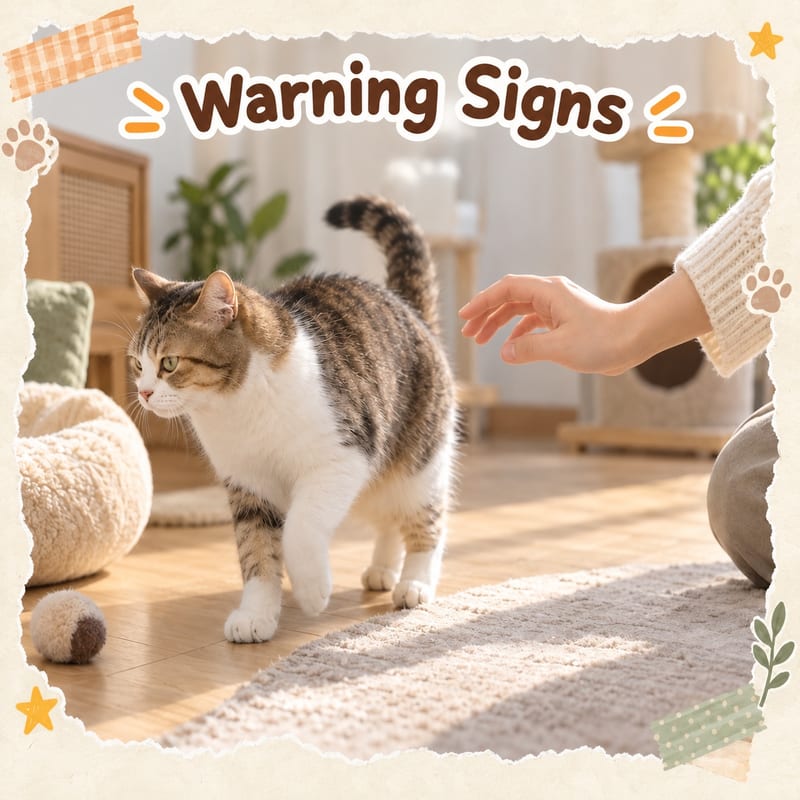 Massage Precautions and Warning Signs
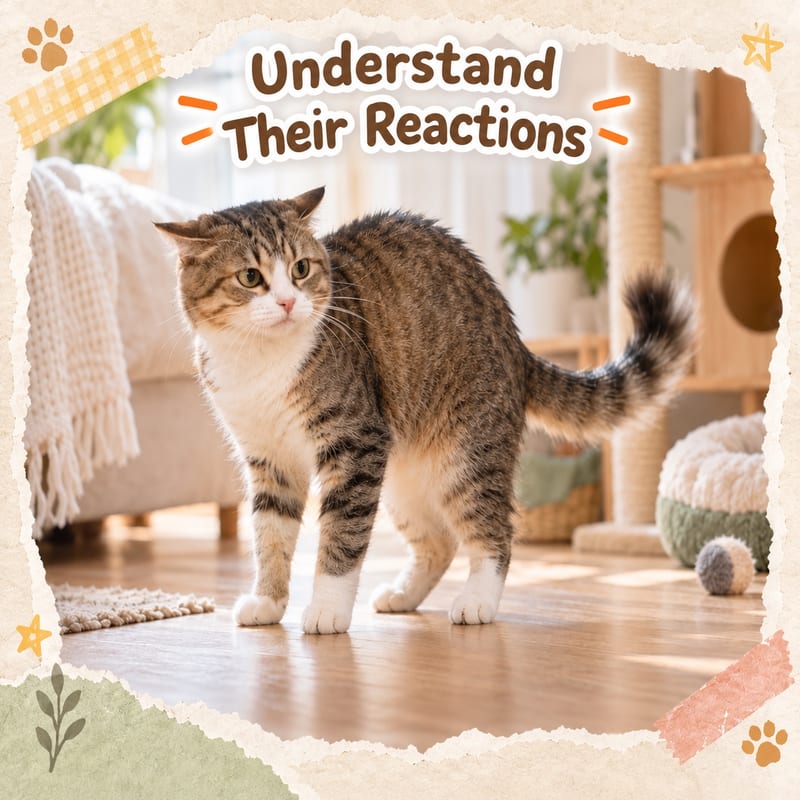
Observe Reactions: If your cat shows signs like ears pressed back, tail swishing vigorously, body stiffening, or trying to walk away, stop immediately.
Avoid Sensitive Areas: Cats usually do not like their abdomen and paws to be touched.
Be Cautious with Cats with Periodontal Disease: Touching the chin and whisker area may cause them pain.
Do Not Use Fragrance Products: Essential oils and fragrances are harmful to cats.
Do Not Massage in the Following Situations; Seek Veterinary Attention Immediately:
- Suspected Blood Clots: If your cat suddenly has weakness in the hind legs, cold paws, or screams in pain.
- Injuries or Fractures: Any swelling, deformity, or open wounds.
- During Fever or Acute Illness.
- If surgical wounds have not healed.
Common Questions (FAQ)
Q: How many times can I massage my cat each day?
A: It is recommended to massage 1–2 times a day, for 5–10 minutes each time. The most important thing is to respect your cat's wishes; do not force them if they want to leave.
Q: Can massage replace a visit to the veterinarian?
A: Absolutely not. Massage is just part of regular care; if you notice anything unusual, you should see a veterinarian promptly.
Q: How can I massage a constipated cat?
A: Place your palm on the abdomen, centered around the belly button, and gently massage in a clockwise direction for 1–2 minutes, waiting 1 hour after meals. If your cat has not defecated for more than 2 days, has a hard and swollen abdomen, or is vomiting, seek veterinary attention immediately; do not attempt to massage.
Q: How can I tell if my cat enjoys being massaged?
A: Positive signals include: actively nudging your hand with their head, squinting and relaxing, purring, and having their tail upright with a slight curve.
PetChill Reminder: Massage is a great way to build trust with your cat; remember that the most important thing is to respect your cat's wishes; their happiness is what matters most!
Practical Tips for Hong Kong Living: Where to Massage, When to Massage, and When to Rush to the Vet
Living in a small space in Hong Kong means that cats have limited room to move, making massage even more important. Here’s a practical checklist designed for Hong Kong residents:
Space Setup
- Choose a low stool in a corner of the living room, placing your cat's favorite mat nearby to give them a sense of a "safe island."
- Lower the TV volume and avoid direct air conditioning, as cold air can make your cat curl up and uncooperative.
Schedule
- 3 minutes before leaving in the morning: While your cat is relaxed after breakfast, massage their chin and base of the ears to help them start the day.
- 5 minutes after returning home from work: After a tiring day, sit down and take a deep breath, then gently massage their cheeks and base of the tail, allowing both you and your cat to relax.
- 2 minutes before bedtime: Turn off the main lights and leave a night light on, using very light pressure to stroke from the top of the head to the base of the tail, helping your cat settle down for sleep.
When to Rush to the Vet
- If your cat has not defecated within 24 hours after a constipation massage, or if they start vomiting or lose their appetite—this could indicate a hairball or intestinal blockage.
- If you feel a lump during the massage, or if your cat cries out in pain, stop immediately and take them to the nearest 24-hour clinic (for example, there are night clinics in Kowloon City and North Point).
- If your senior cat shows increased limping after massage or weakness in the hind legs—this could indicate worsening arthritis or a blood clot; do not delay.
Lazy Pack for Hong Kong Residents
- Set your phone alarm for "Cat Massage Time" twice a day; do not think "I'll do it when I have time," as you will forget when busy.
- Check your cat's energy, appetite, and bowel movements before leaving; if anything seems off, WhatsApp your familiar vet with a photo; do not wait.
- Keep the contact number and address of a veterinary night clinic on your fridge door, so you won't have to search in an emergency.
Remember, massage is a nice addition, not a cure-all; if you notice anything unusual, grab your cat and rush to the hospital—that's the most practical love you can show.
| Area | Recommended Technique | Cat's Happy Reaction | Stop Warning |
|---|---|---|---|
| Chin | Four fingers gently stroke from bottom to top | Actively raises head towards you | Avoiding, ears pressed back |
| Base of Ears | Gently rub the base of the ears and forehead | Squinting, purring | Shaking head, walking away |
| Cheeks (Whisker Base) | Lightly stroke the whisker base | Purring, nudging your hand | Stiff face, avoiding |
| Base of Tail | Gently stroke or lightly tap with your palm | Tail raised, nudging you | Tail swishing vigorously, low growl |
Why Should You Massage Your Cat?
Many cat owners think that petting a cat is the same as massaging, but there is a significant difference. Proper massage is not just about expressing affection; it also has the following benefits:
- Relieves Stress: Gentle massage can help your cat relax and reduce anxiety.
- Promotes Blood Circulation: Appropriate pressure helps improve peripheral circulation, especially beneficial for less active senior cats.
- Early Detection of Abnormalities: During the massage, you can check for lumps, wounds, or skin issues.
- Enhances Human-Cat Relationship: Regular massage can build trust, making your cat feel closer to you.
However, it's important to note that not all cats enjoy being massaged, and the areas and techniques for massage are quite specific. Using the wrong method may cause discomfort or even pain to the cat!
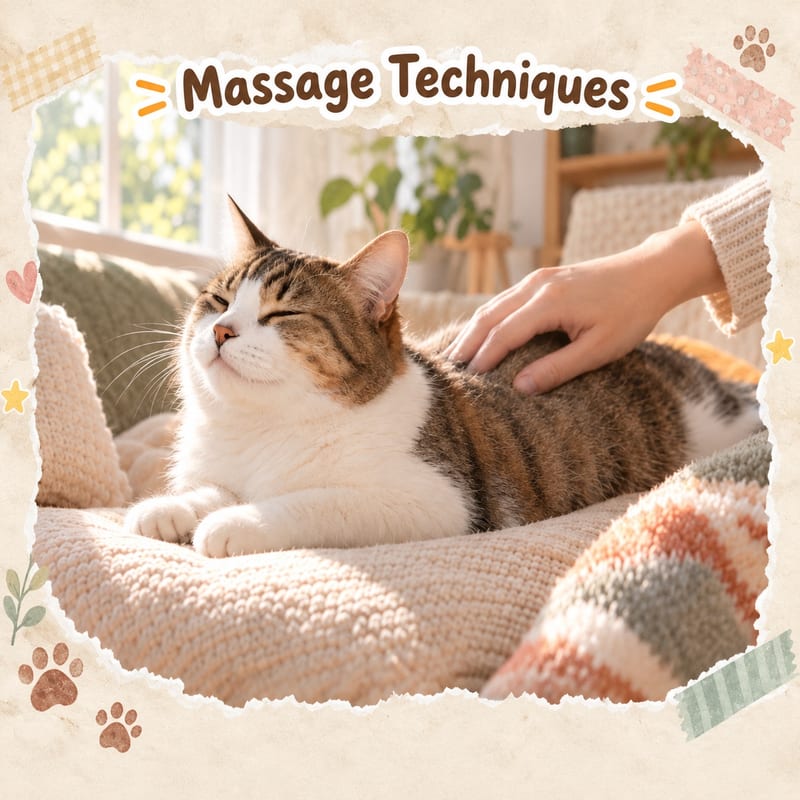
4 Essential Massage Areas
| Area | Technique | Cat's Reaction | Note |
|---|---|---|---|
| Chin | Gently stroke upwards with four fingers | Actively raises head and comes closer | Do not scratch with nails |
| Base of Ears | Gently rub the base of the ears and forehead with index finger | Squinting, purring | Use very light pressure |
| Cheeks (Whisker Base) | Gently stroke the whisker base with fingertips | Automatically starts purring | Be cautious with cats that have periodontal disease |
| Base of Tail | Gently stroke or lightly tap with palm | Tail raised, rubs head against you | Do not pull the tail |
Chin
This is the area most cats love! Use four fingers to gently stroke the cat's chin from underneath. The pressure should be soft, and do not scratch with your nails. If the cat actively raises its chin and comes closer to your hand, it means they are enjoying it!
Near the Ears
Gently rub the base of the cat's ears and the area near the forehead with your index finger. If the cat does not show signs of annoyance, you can gently wrap the ears with your thumb and index finger and rub them. This area has many nerve endings, and gentle stimulation will make the cat feel very comfortable.
Cheeks Behind the Whiskers
Place both hands behind the cat's cheeks and gently rub the base of the whiskers with your fingertips. This area is sensitive yet comfortable for cats, and many will automatically start purring when massaged here!
Base of Tail
Gently stroke the area at the base of the cat's tail with your palm, and you can also lightly tap it. This is a special "happy switch" for cats; many will raise their tails and even rub their heads against you when touched here!
Additionally, gently stroking from between the cat's eyes (the area corresponding to the human's brow center) to the top of the head will also make the cat very happy!

Correct Steps for Massaging Your Cat
- Wait for the cat to come close to you; do not force it over.
- Start with the areas the cat likes (usually the chin or behind the ears).
- Use gentle pressure with your fingertips, not your nails.
- Massage each area for 30 seconds to 1 minute.
- Always observe the cat's reactions; stop immediately if they show signs of wanting to leave.
- After the massage, you can reward them with treats to create a positive association.
Practical Massage Scenarios: Constipation, Tear Ducts, Senior Cats
In addition to daily relaxation, massage can also assist in specific health scenarios. The following content is for daily care reference only; if symptoms persist or are severe, you must take your cat to the vet:
Abdominal Massage for Constipated Cats
Constipation is common in cats, especially in senior cats and those with insufficient water intake. Correct abdominal massage can help promote intestinal movement:
- Technique: Place your palm on the cat's belly, centered on the navel, and gently massage in clockwise circles.
- Pressure: Just lightly touch the skin with your palm; do not press down.
- Duration: 1–2 minutes each time, wait 1 hour after meals before doing this.
- When Not to Do It: If the cat's belly is bloated and hard, if they are vomiting, if they haven't defecated for more than 2 days, or if the cat shows clear signs of pain when pressed—these situations require immediate veterinary attention; do not attempt to handle them yourself.
Assisting Massage for Tear Duct Blockage
Cats with tear stains may have blockages in their tear ducts. A vet may guide owners to perform gentle massages on the inner corner of the eyes to help clear them. This massage must be done under veterinary guidance; incorrect positioning or pressure may injure the cat's eyes, so do not attempt it on your own.
Relief for Senior Cats with Arthritis
For senior cats with arthritis, the goal of massage is to provide relief, not treatment:
- Only massage the muscles around the joints, do not press directly on the joints.
- Use lighter pressure than usual and move more slowly.
- You can use a warm towel for heat therapy before and after the massage (the temperature should be close to room temperature; do not use hot water).
- If the cat shows signs of pain, stop immediately and consult a vet.
Massage Contraindications and Danger Signals
While massage has many benefits, be aware of the following situations:
- Observe Reactions: If the cat's ears go back, tail is thrashing, body is stiff, or they try to leave, stop immediately.
- Avoid Sensitive Areas: Cats typically do not like their bellies and paw pads touched; do not force a massage in these areas.
- Be Cautious with Cats with Periodontal Disease: If a cat has periodontal disease or stomatitis, touching the chin and whisker area may cause pain. If the cat shows signs of resistance, stop immediately.
- Do Not Use Fragrance Products: Essential oils and fragrances are harmful to cats; do not use them during massage.
- Choose the Right Moment: The best time for massage is when the cat is relaxed, half-asleep, or comes over to you.
The following situations should never be massaged, and you must see a vet immediately:
- Suspected Blood Clots: If the cat suddenly shows weakness in the hind legs, has cold paws, or cries out in severe pain—this is an emergency, and massage will worsen the injury.
- Injuries or Fractures: Any swelling, deformity, or open wounds.
- During Fever or Acute Illness: If the cat appears very lethargic and is not eating at all.
- Post-Surgery with Unhealed Wounds
Further Reading
- Complete Guide to Cat Grooming: 5 Minutes a Day to Keep Your Furry Friend Healthy | A Must-Read for Cat Owners in Hong Kong
- Guide to Managing Environmental Stress for Cats | Essential Reading for Moving and Settling in Small Hong Kong Units
- Complete Guide to Caring for Senior Cats | Warning Signs of Aging in Cats + 10 Daily Care Tips
- All Articles Directory
- PetChill Pet Supplies
📌 Key Summary
-
✅ The chin, base of ears, cheeks, and base of tail are the four favorite massage spots for cats.
-
✅ For constipation, massage the belly in clockwise gentle strokes, waiting one hour after meals.
-
❌ If the belly is bloated and hard, if vomiting occurs, or if there has been no defecation for two days, do not massage; see a vet immediately.
-
❌ Ears pinned back, tail thrashing, or wanting to leave are signals to stop.
-
✅ 1–2 times a day for 5–10 minutes is sufficient.
-
✅ 4 main safe massage areas: chin, base of the ears, cheeks (base of the whiskers), base of the tail
-
✅ Gently press with your fingertips for 30 seconds to 1 minute on each area
-
✅ For constipated cats, gently stroke the belly in a clockwise direction, but if the belly is hard or if there hasn't been a bowel movement for 2 days, see a vet
-
✅ For elderly cats, massage only the surrounding muscles, do not press on the joints
-
✅ Massage can also help check for lumps, wounds, and detect health issues early
-
❌ Pressing behind the ears, shaking the tail vigorously, or a stiff body = stop immediately
-
❌ Absolutely do not massage suspected blood clots, fractures, or fever