
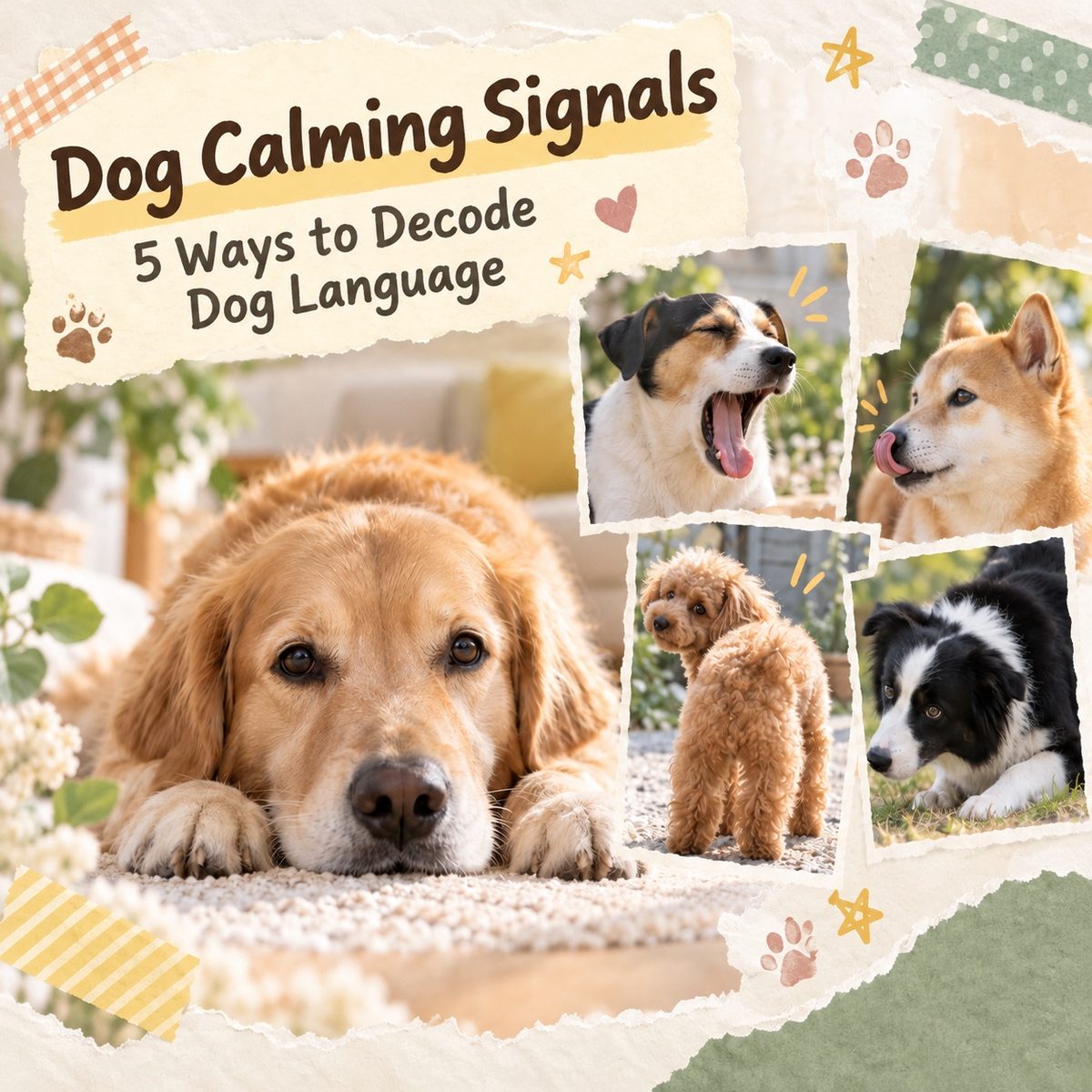
Quick answer: Calming signals are a natural way dogs communicate with each other, including over 36 signals such as averting the eyes, turning away, lip licking and yawning. But note: deliberately imitating calming signals has limited effect. Dai Gengji bluntly says, "You're really silly!" What dogs need is a calm leader, not an imitation master.
Have you ever yawned or blinked at your dog hoping they would calm down, only to find them getting more anxious instead? Many dog owners misunderstand the true use of "calming signals". Renowned Taiwanese animal behaviour expert Dai Gengji points out that deliberately performing calming signals at dogs actually teaches them to become dependent and avoidant. Today we'll take a deeper look into the world of dog language and help you become a good owner who truly reads "dog language"!
What Are Calming Signals?
Calming signals are a natural way dogs communicate with each other, with over 36 different signals in total. When dogs feel tense, uneasy or want to defuse conflict, they automatically emit these signals to express their emotions.
Common calming signals include:
- Averting eyes / turning head away: meaning "I mean no harm"
- Turning back: defusing tension
- Freezing / moving slowly: reducing threat
- Lifting a front paw / praying posture: inviting interaction
- Lip licking / yawning / blinking: self-soothing
- Sniffing the ground / sitting / lying down: showing submission or relaxation
- Shaking the body: releasing stress
Dai Gengji reminds us that these signals are how dogs communicate with other dogs. If a dog has had no contact with other dogs during their socialisation period, they may never learn how to communicate with other dogs. But this isn't a bad thing, because what dogs really need to live with is humans, not other dogs.
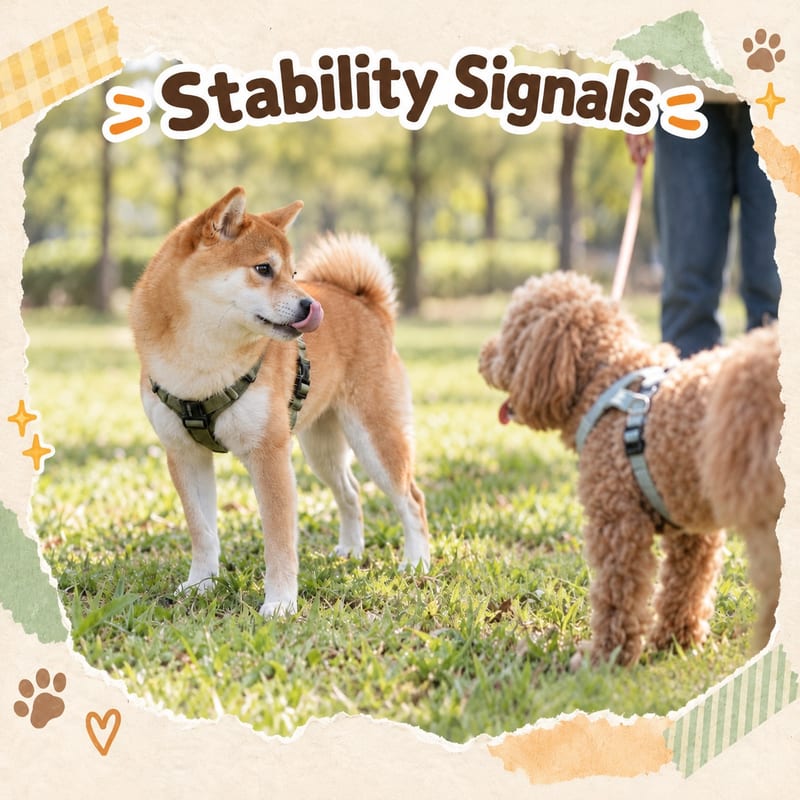
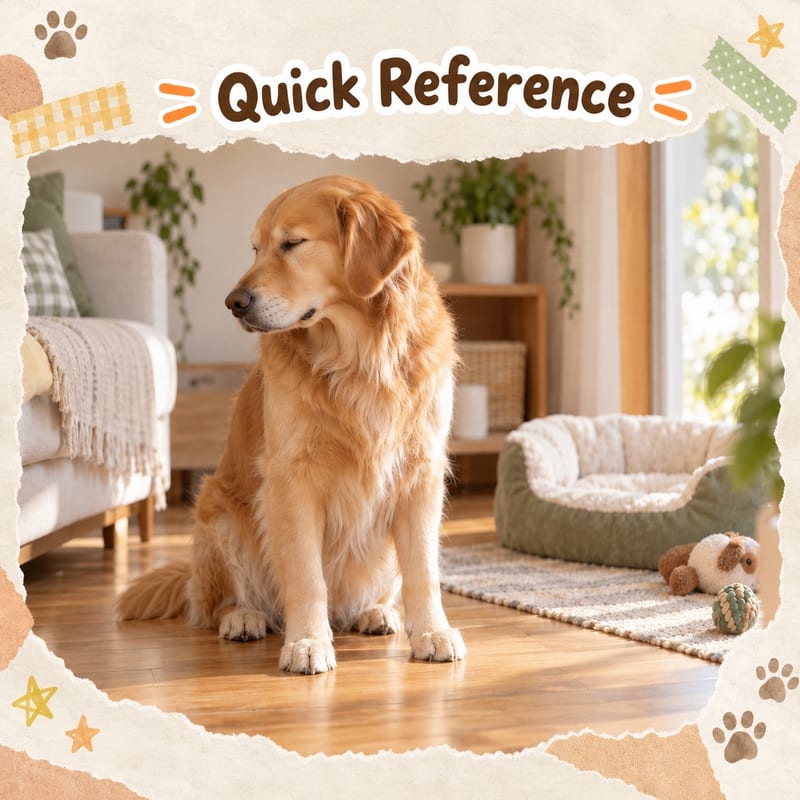
Calming Signals Quick Reference Table
| Signal type | Specific expression | Dog's meaning | Owner's response |
|---|---|---|---|
| Gaze signals | Averting eyes, turning head away | "I mean no harm" | Don't stare back |
| Body signals | Turning back, freezing | Defusing tension, reducing threat | Give them space |
| Soothing signals | Lip licking, yawning, blinking | Self-soothing, feeling stressed | Check environmental stimuli |
| Invitation signals | Lifting front paw, praying posture | Wanting interaction | Respond positively |
| Submission signals | Sitting, lying down, sniffing ground | Relaxed or submissive | Act normally |
| Release signals | Shaking body, sneezing | Releasing stress | Stay calm |
5 Dog Behaviour Signals You Must Know
1. Ears Can Speak
A dog's ear position directly reflects their emotional state:
- Ears up and forward: focused, curious, may have spotted something interesting
- Ears flattened back: afraid, submissive or trying to appease
- Ears slightly turning: picking up various sounds in the environment, staying alert
2. Tail Is Not Just About Happiness
Many people think a wagging tail means happiness, but it's not that simple:
- High and fast wagging: excited but not necessarily friendly (could be a challenge)
- Relaxed, natural wagging: truly happy, friendly
- Tail tucked between legs: fear, extreme unease
- Slow wagging: hesitant, thinking
3. The Secret of Eye Contact
- Direct stare: a challenge to other dogs, but may be a sign of trust with the owner
- Averting gaze: "I mean no harm" or "I feel pressured"
- Showing the whites of the eyes (whale eye): extreme stress, need to change the environment immediately
4. Lip Licking and Yawning
These two signals are often misunderstood as "the dog is tired" or "the dog is hungry", but they are often signs of stress. Dai Gengji points out that when you yawn at your dog, the dog may be thinking: "Why does this person keep doing weird things?" rather than "Ah, they want me to calm down".
5. Body Posture
- Relaxed body, lying on the side: complete trust in the environment
- Stiff body, leaning forward: alert, may be preparing to attack or defend
- Sneezing / scratching: self-soothing behaviour, indicating they are processing stress
3 Common Mistakes Owners Make
Mistake 1: Over-comforting
In "Teach You to Effectively Solve 100 Dog Behaviour Problems", Dai Gengji mentions that many owners rush to hug and "comfort" their dog when the dog is afraid (e.g., during thunder). But from the dog's perspective, the owner's panic actually reinforces their fear. Dogs refer to their owner's behaviour to decide their own reaction—if the owner acts nervous, the dog will think "this really is terrifying".
Mistake 2: Deliberately Performing Calming Signals
Yawning and blinking at your dog for half an hour hoping they'll calm down? Dai Gengji bluntly says: "You're really silly!" Overusing calming signals only teaches the dog to "cling and not move on" and "not need to learn", because they know the owner will oblige.
Mistake 3: Ignoring Socialisation
"The Complete Encyclopedia for First-Time Dog Owners" points out that the socialisation period (3-14 weeks after birth) is the most critical learning stage in a dog's life. If they have no contact with other people and dogs during this time, they are prone to fear and behaviour problems later. But socialisation doesn't mean forcing the dog to face everything; it means progressing gradually, starting with the simplest experiences.
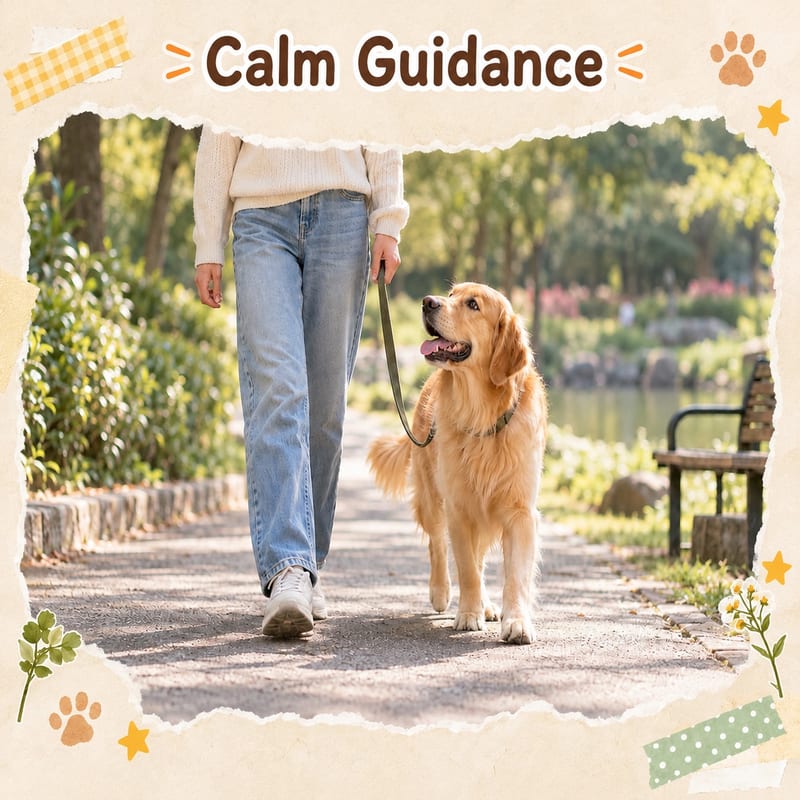
The Right Approach: Be a Calm Leader
Dai Gengji suggests that when facing a dog's unease, the correct approach is:
-
Stay calm, act as if nothing is wrong: Don't make a fuss; guide the dog with a normal attitude.
-
Praise good behaviour in a timely manner: When the dog shows bravery or cooperation, give positive encouragement immediately.
-
Proceed gradually: Don't give too much stimulation at once; start with the simplest environment.
-
Build positive associations: For example, use recordings to practise thunder desensitisation while pairing with fun activities, so the dog builds the pattern "thunder = whole family is happy".
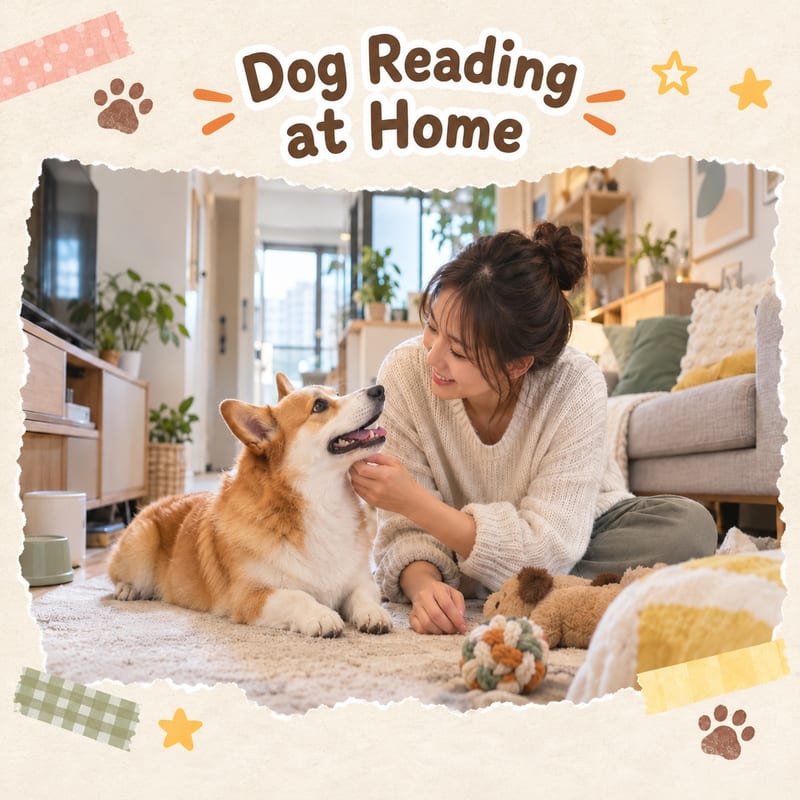
Practical for Small Hong Kong Flats: Reading Your Dog's Mood in 300 sq ft
Hong Kong homes are small, and dogs have nowhere to retreat when stressed. Here is a three-step "mind-reading" plan designed for small flats:
Step 1: Create a safe corner
- Place a soft mat in a corner of the living room, add a fence or low cabinet as a visual barrier.
- When the dog lip licks or yawns, immediately lead them to the safe corner, dim the lights, lower the volume, and let them calm down on their own for 3-5 minutes.
Step 2: Lift etiquette
- Before taking the lift, observe from a distance in the lobby: if the dog's ears are flattened back and tail is down, stand further away and wait for the next lift.
- Inside the lift, the owner stands by the door, using their body as a buffer to prevent strangers from staring directly at the dog.
Step 3: Thunder desensitisation
- Play thunder sounds at low volume on your phone while giving treats and playing tug, for 30 seconds each time.
- Increase the volume one notch each day until the dog automatically wags their tail and looks for you to play when hearing thunder, meaning the "thunder = happy" association is built.
Remember: in Hong Kong, with small spaces, it's even more important to stay calm yourself. When you are calm, your dog will follow.
PetChill's Reminder
Reading your dog's language is a must-learn for every responsible dog owner. Remember, what dogs need is not overprotection, but a calm, trustworthy leader. When you learn to communicate with your dog in the right way, your bond will surely become closer!
To learn more about dog behaviour and care knowledge, stay tuned for PetChill's latest articles!
This article is compiled from breed consensus and clinical care guidelines; individual dogs vary greatly. For health issues, please consult a registered veterinarian first.
Further Reading
- Complete Guide to Dog Body Language | 5 Signals to Instantly Understand Your Pet in Hong Kong Small Flats
- Complete Guide to Dog Socialisation Training | Hong Kong Puppy Socialisation Critical Period, 3-Minute Rule, 5 Steps to Integrate into Crowds
- Dog Training Basics | Must-Read for Hong Kong Beginners: When to Start, How Long to Practise Daily, Five Steps of Positive Reinforcement
- All Articles Index
- PetChill Pet Supplies