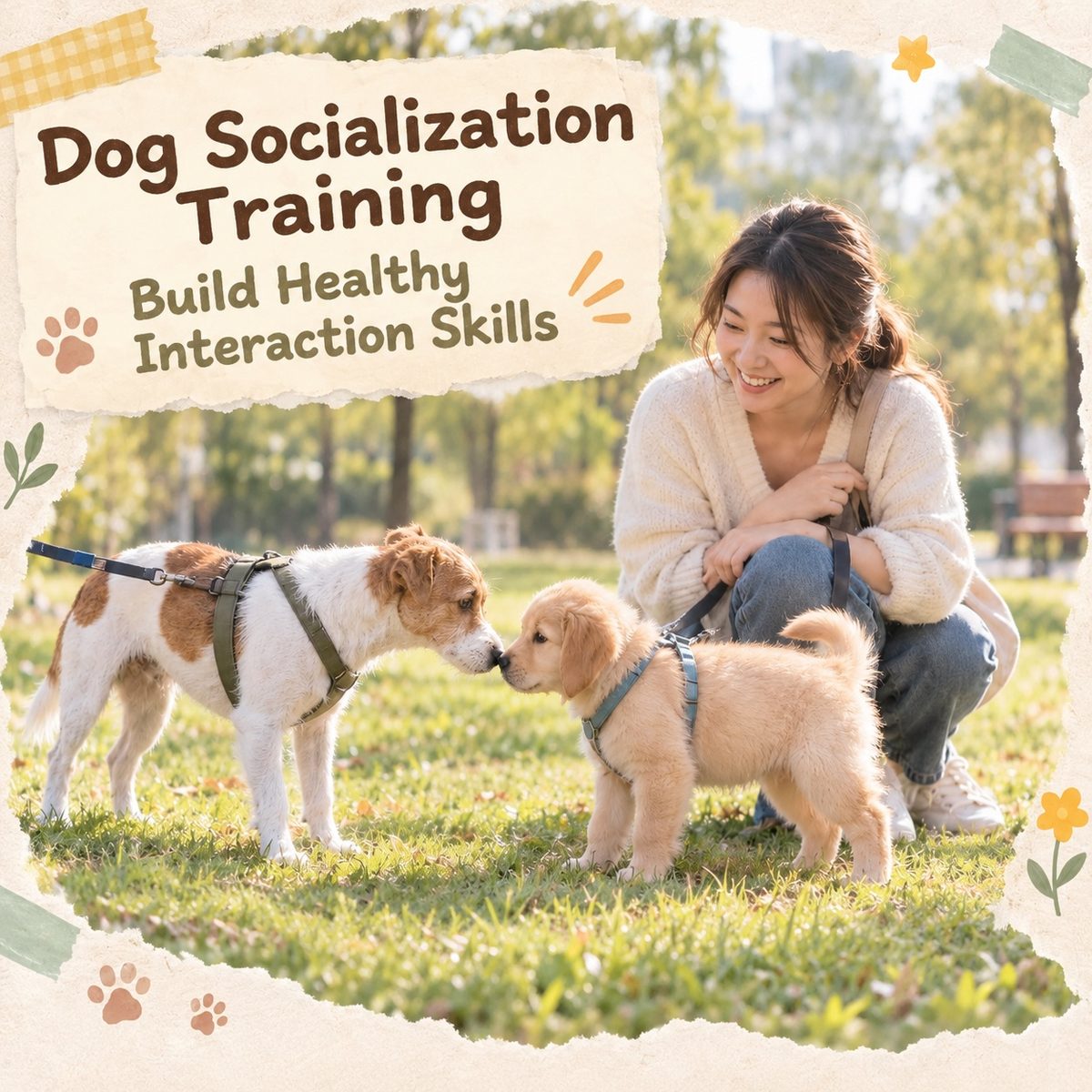
Quick answer: Dog socialization training means exposing puppies during the critical period (3-14 weeks after birth) to different people, animals, and environments to build positive social experiences. Taiwanese animal behavior expert Dai Gengji points out that socialization is not one hour of contact at a time, but short 3-5 minute interactions each time. A dog that has completed socialization naturally loses interest in other dogs because it has learned the survival rules of human society.
Have you ever taken your dog out and it rushes at other dogs, barks wildly, or shrinks away in fear? Many dog owners think this is "just dog nature," but the problem may actually be insufficient socialization training. Today PetChill takes you through the science and practical methods of dog socialization to help you build a better relationship with your furry friend!
What is dog socialization?
Socialization is the process by which dogs learn to get along with other living beings and their environment. According to "The Universal Encyclopedia for First-Time Dog Owners," the golden socialization period for dogs is from 3 to 14 weeks of age. Experiences during this time directly affect the dog's adult personality and behavior.
In "Teach You to Effectively Solve 100 Dog Behavior Problems," Dai Gengji uses a vivid analogy:
"Throw you into England, living with a Taiwanese family, following Taiwanese lifestyle, and after a year, your English is still broken. But throw you into England, living with an English family who doesn't speak Chinese, following their lifestyle, and after three months, you'll speak English with a British accent."
This analogy perfectly explains why socialization must happen during the critical period—dogs need to truly integrate into human society, not just have superficial "contact."
Puppy imprint learning: 4-5 weeks of age is key
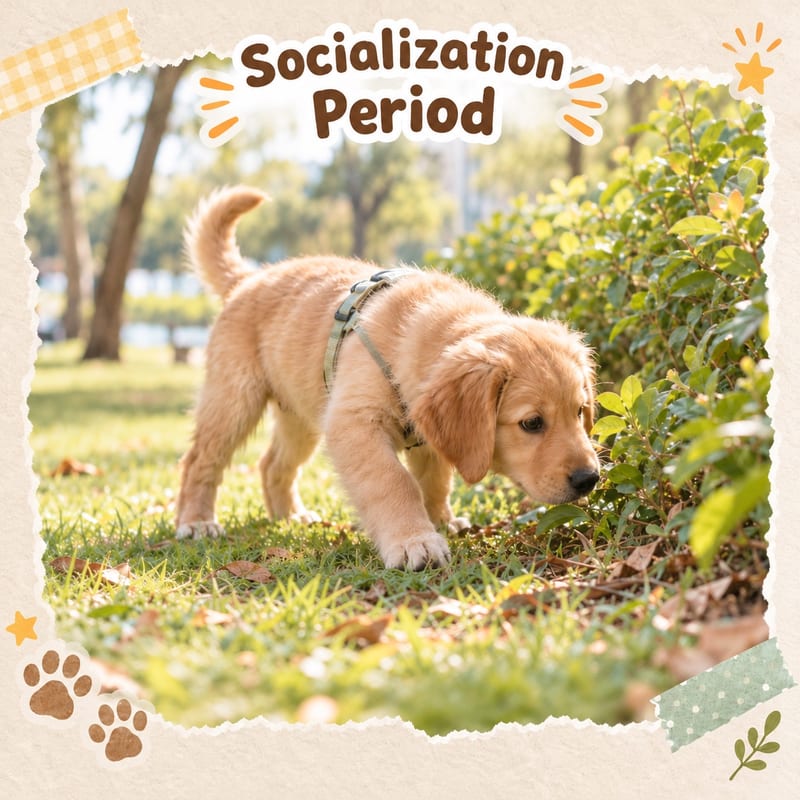
In 1973, Nobel Prize winner and Austrian animal behaviorist Konrad Lorenz first discovered "imprint learning." Imprint learning usually occurs during the sensitive period at 4 to 5 weeks of age, and it lets the dog know who its mother is, which species it will mate with in the future, and who its social partners are.
Consequences of leaving the mother too early
If a dog is taken away from its mother and littermates before entering the sensitive period, and its imprint learning comes from humans, it will later think it is a human, not a dog. If you then put this dog among other dogs, it will lack social skills and won't use dog greeting behaviors with other dogs. It will feel as if surrounded by aliens, and may develop "aggressive behavior" toward other dogs.
Ideal timeline
- 0-4 weeks: Living with mother and siblings
- 4-8 weeks: Learning dog-to-dog social skills
- 8-12 weeks: Starting to live with humans and learning human social rules
- 12-14 weeks: Continuously expanding social range
| Week of age | Key tasks |
|---|---|
| 0-4 weeks | Living with mother and siblings, establishing basic imprinting |
| 4-8 weeks | Learning dog-to-dog social skills |
| 8-12 weeks | Starting to live with humans, learning human social rules |
| 12-14 weeks | Continuously expanding social range, completing socialization |
| After 14 weeks | Still remediable, requires lower stimulation and more patience |
The 3-minute rule: Dai Gengji's core concept
Dai Gengji particularly emphasizes that socialization is not one hour of contact at a time, but short 3-5 minute interactions each time. He proposes an important concept:
"What it needs is socialization with humans, learning human language, so it can fully integrate into human society and life."
After completing socialization, dogs naturally gradually lose interest in other dogs because "it's just a dog, nothing special!" (Except during heat.)
In daily life, besides not being sensitive to or interested in other dogs, you still need to keep your dog's attention on you. Ask yourself: what makes you attractive enough for your dog to worship you daily and want to play with you? What makes you fun? If you become fun, your dog won't care about other dogs.
5-step socialization training method
Step 1: Establish a safe base
Before starting socialization, ensure your dog has a safe "retreat." This can be a cardboard box, a crate, or a fixed corner. When the dog feels stressed, it can retreat to the safe base to rest.
Step 2: Short contact (3-5 minutes)
Each socialization training session lasts only 3 to 5 minutes. You can invite friends over and let the dog observe from a distance, gradually shortening the distance. Remember, do not force the dog to approach strangers; let it decide.
Step 3: Positive rewards
After each successful contact, immediately give treats and praise. Build a positive association: "stranger = good things happen." Dai Gengji recommends positive reinforcement rather than punishment.
Step 4: Gradually expand the range
Start at home and slowly expand to downstairs, parks, and pet-friendly malls. Add only one new element at a time, for example:
- Weeks 1-2: Family members
- Weeks 3-4: Friends visiting
- Weeks 5-6: Short walks downstairs
- Weeks 7-8: Observing from a distance in the park
Step 5: Maintain consistency
All family members should treat the dog the same way. If one person allows the dog to jump on people and another stops it, the dog will be confused. Dai Gengji points out that the root of behavior problems is usually the owner's handling, not the dog's personality.
3 common mistakes owners make
Mistake 1: Over-comforting
Many owners, when their dog is afraid (e.g., during thunder), immediately rush to hug and "comfort" it. But from the dog's perspective, the owner's panic actually reinforces its fear. Dogs refer to their owner's behavior to decide their own reaction.
Mistake 2: Forced socialization
Do not drag a shy dog to meet other dogs. This will only make the dog more fearful and may even lead to aggression. The correct approach is to keep distance and let the dog decide when it is ready.
Mistake 3: Ignoring body language
Dogs express emotions through calming signals, including:
- Looking away: "I mean no harm"
- Turning away: defusing tension
- Licking lips / yawning: self-soothing
- Tail tucked between legs: fear
Learning to read these signals is essential to correctly assess your dog's social state.
The book clarifies: the 3-minute rule and the "boring owner"
The original words from Dai Gengji's "100 Behavior Problems" are worth noting: "Three minutes, at most five minutes of contact with a dog, not one hour of contact at a time."—quality and security, not duration.
The book also has a fitting analogy: dogs need "socialization with human society, learning human language." It's like throwing you into England, living with a Taiwanese family, and after a year your English is still poor; but living with an English family who doesn't speak Chinese, you'll speak British English in three months. Dogs need to integrate into human society, not dog society.
Book reminder: you need to become "fun"
The book points out that after completing socialization, dogs gradually lose interest in other dogs—because "it's just a dog." The question is: will it then focus on you? The book's original question is sharp: "What makes you fun?" If you play with it, have food, have games, it won't keep thinking about other dogs. This is the principle of "the owner is the most fun thing."
Supporting practice: bring training treats on walks and reward the moment your dog looks at you—gradually make "paying attention to the owner" a habit.
Hong Kong dog socialization tips
In Hong Kong's dense urban environment, socialization training is even more important:
- Public housing estates: Elevators and corridors are unavoidable, so get your dog used to narrow spaces and strangers early.
- Park walks: Avoid busy times; start training during quieter periods.
- Pet-friendly malls: Many Hong Kong malls welcome pets and are excellent socialization venues.
- Weather factors: Hong Kong summers are humid and hot; watch your dog's energy and mood.
Before choosing a socialization venue, you can refer to the list of pet-friendly malls in Hong Kong and start practicing during less crowded times.
When to seek professional help?
If your dog shows the following, consider seeking help from a professional dog trainer or animal behavior expert:
- Persistent aggression toward strangers or dogs
- Extreme fear, unable to go out normally
- Severe separation anxiety, barking or destructive behavior when owner leaves
- Over 14 weeks old but never socialized
Remember, even a three-year-old dog can still be socialized, but it requires more patience. Dai Gengji mentions starting from the simplest, lowest-stimulation environment and gradually increasing difficulty; do not rush.
Further reading
📌 Key takeaways
- ✅ 3-14 weeks is the golden socialization period
- ✅ 3-5 minutes per interaction is enough
- ✅ Safe base → short contact → reward → gradual expansion
- ❌ Over-comforting amplifies fear
- ❌ Forced socialization can trigger aggression
- ❌ Not understanding calming signals makes it hard to judge your dog's emotions
This article is compiled from breed consensus and clinical care guidelines; individual cats and dogs vary greatly. For health issues, consult a registered veterinarian first.
Coordination with the cluster
This article is part of the "dog training" cluster: Dog Training Basics (overview), Leash Walking Training, Crate Training, Barking Control, Separation Anxiety, Biting Correction, Toilet Training, Socialization, Recall Training, Positive Reinforcement Training. For related behavior problems, see: Jumping Correction, Destructive Behavior Correction, Calming Signals Interpretation.
References
- Agriculture, Fisheries and Conservation Department (Hong Kong Government) — Pet Care Information
- Veterinary Surgeons Board of Hong Kong
- This article's knowledge points are compiled from dog training books such as "Dai Gengji Teaches You to Effectively Solve 100 Dog Behavior Problems," "Don't Kill the Dog," "How to Train a Puppy," and "Learn to Talk with Your Dog."
The above content is for reference only and cannot replace assessment by a veterinarian or professional trainer. If your dog has aggression, self-harm, or persistent anxiety behavior, please consult a registered veterinarian or certified trainer.
Related products (available in Hong Kong)
Socialization training requires rewards that are "small, quick to eat, and won't fill the dog up" (book principle: the smaller the reinforcer, the better):
- The Innocent Hound Puppy Training Treats Lamb & Pea 70g ($75)
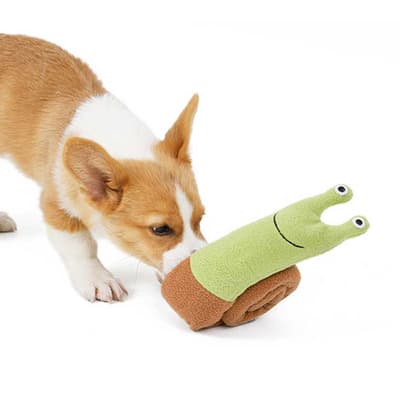
- DogLemi Dog Chew Training Toy Green Snail ($68)
- Charming Pet Selected Dog Training Chew Toy Big Head Chicken ($60)
Prices verified on 2026-10-12; all in stock at retail stores.