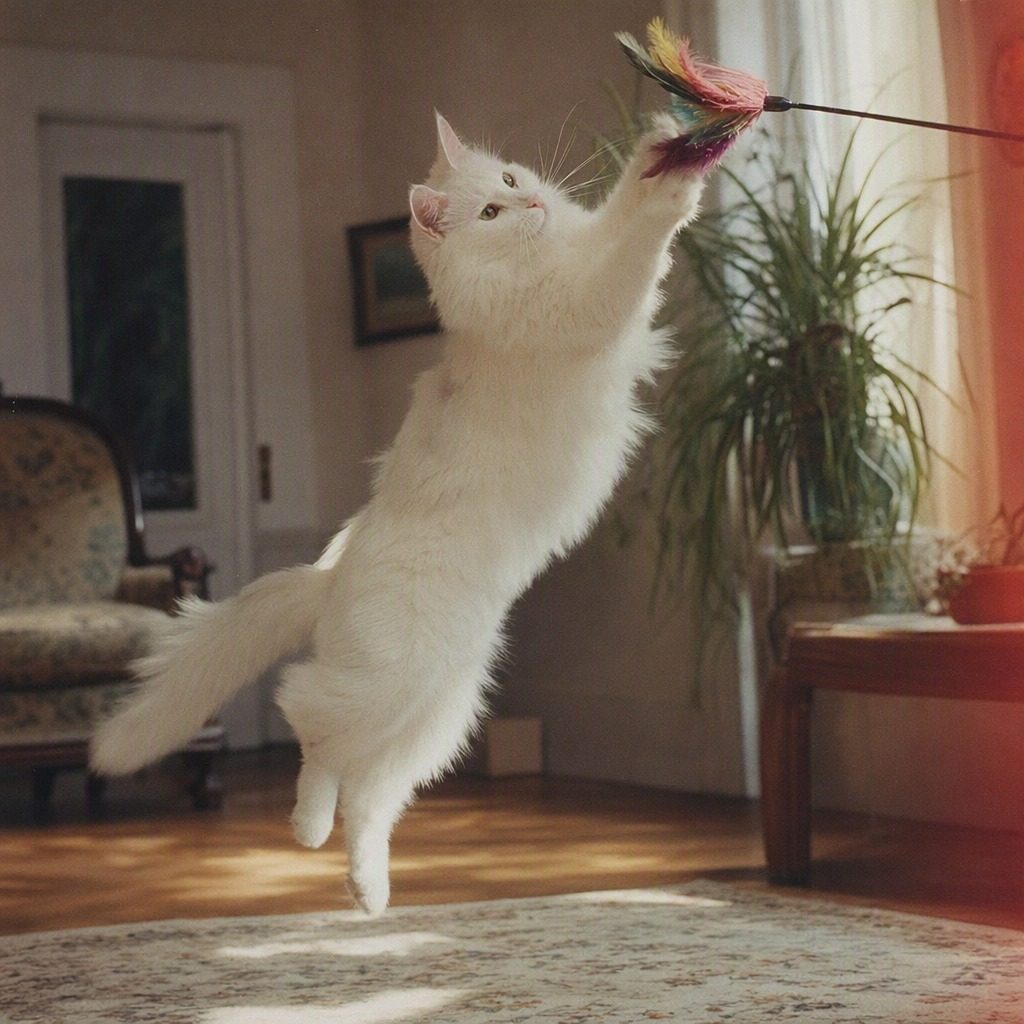
Turkish Angora
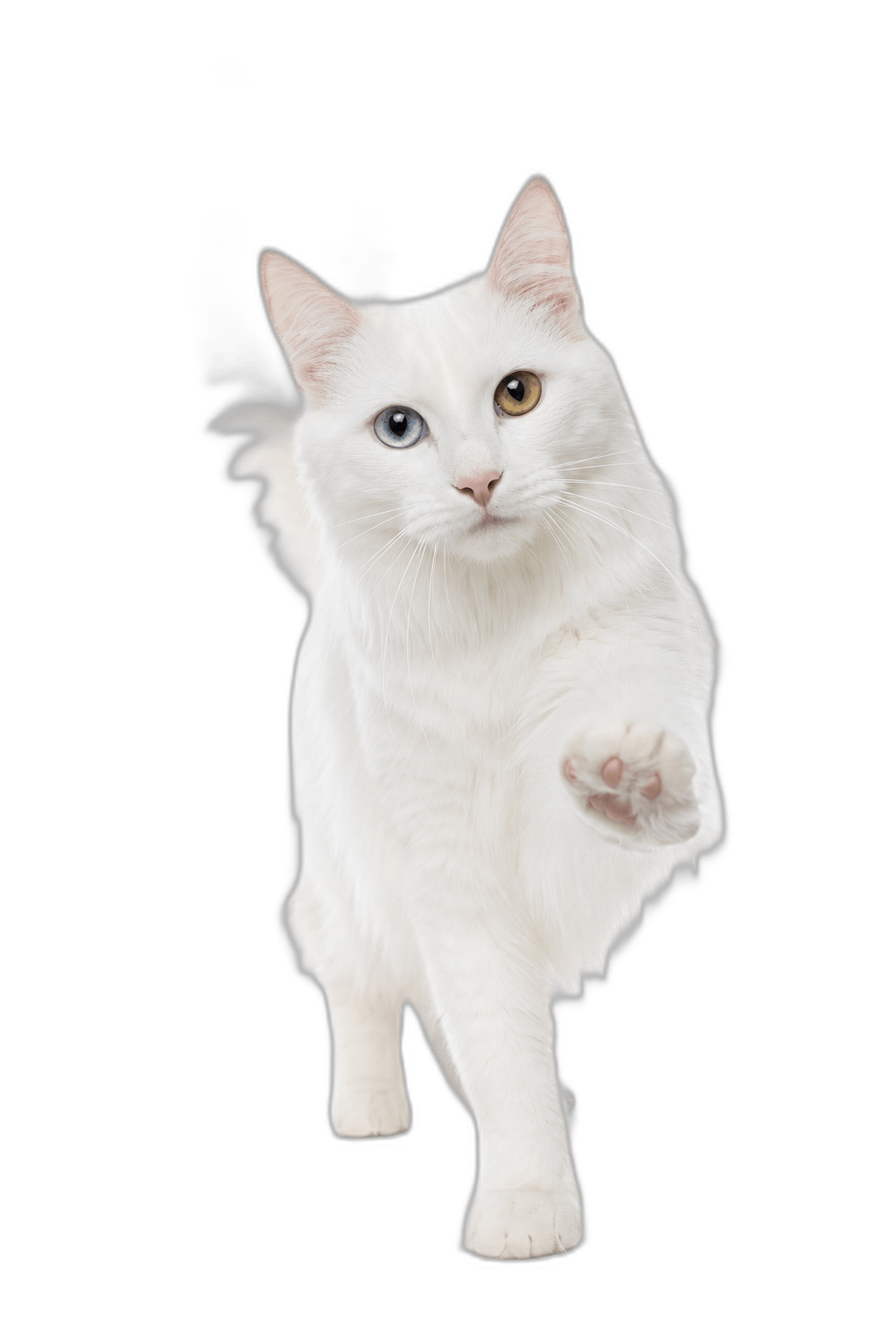
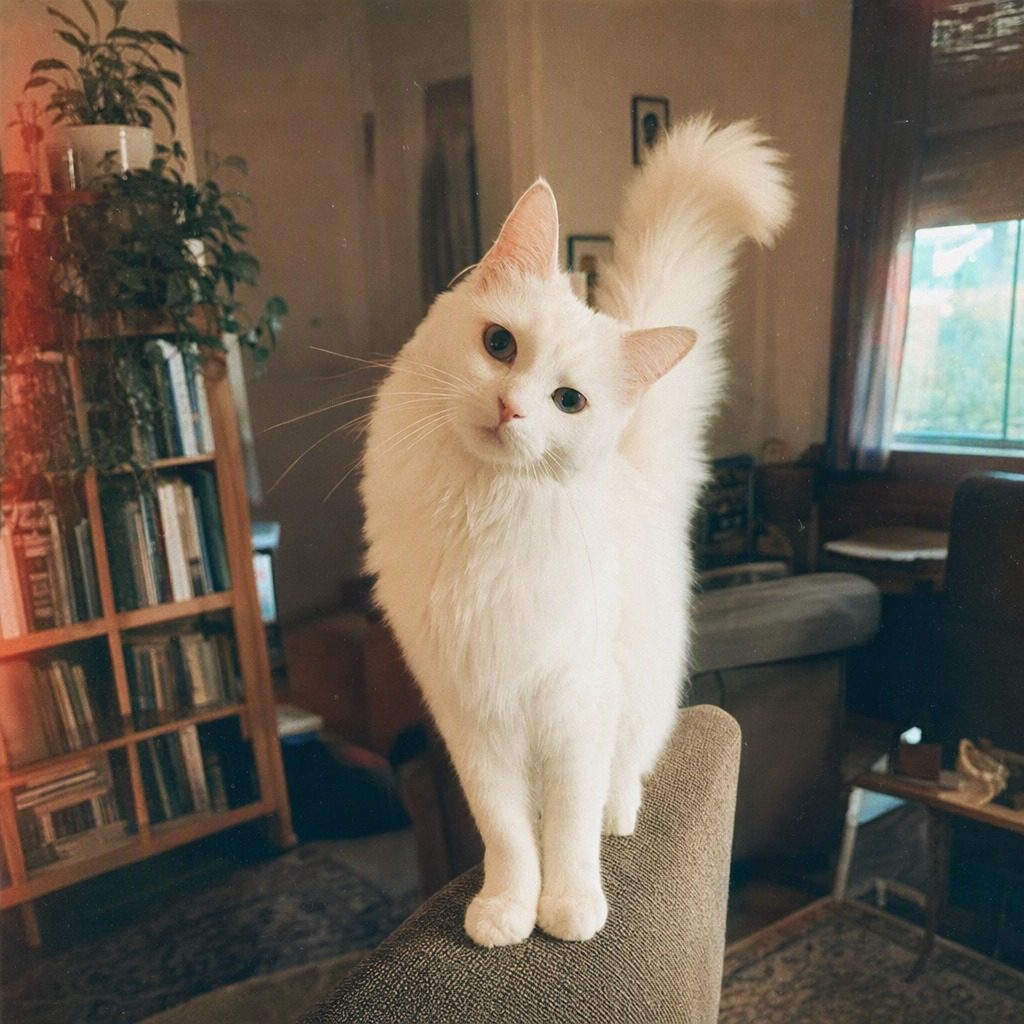
📺 32-second video · Cantonese narration
The Turkish Angora story, in one take
From its origins to Hong Kong homes — how did the Turkish Angora become one of Hong Kong's most popular cat breeds?
- ✓Origin story: starting in its homeland
- ✓Personality: Gentle and affectionate
PetChill Pet Encyclopedia
Turkish Angora everyday food & supplies
Chosen by species (cat) from products PetChill stocks — not a breed-specific formula. Actual suitability depends on age, weight and health.
 Special offer
Nutriplan Cat Food Complete Health Nutritional Formula 5kg (64352)
HK$123HK$128About HK$24.6 per kg
Price checked 2026-10-21; the store page shows the live price, stock and offers.

Bella & Molly's Dutch Berry Royal Selected Cat Food AAFCO Anti-Aging Grain-Free Single Protein Salmon Formula 50g (Limited Time Experience)
HK$10About HK$200 per kg
Price checked 2026-10-21; the store page shows the live price, stock and offers.

Hills Cat Food Life Stage Series Adult Formula Chicken 490g (609885)
HK$55About HK$112.24 per kg
Price checked 2026-10-21; the store page shows the live price, stock and offers.
History & origin
The Turkish Angora is one of the oldest long-haired cat breeds, originating in the Anatolia region of Turkey. Its name comes from Ankara (formerly Angora), the Turkish capital, where long-haired cats have been kept for several hundred years.
In the 17th century French travellers brought the Turkish Angora back to Europe, and its elegant long coat and slender build immediately took aristocratic circles by storm — King Louis XV of France is said to have kept one. But as the Persian rose in popularity the Turkish Angora was pushed to the margins and came close to extinction. Fortunately Ankara Zoo in Turkey started a conservation breeding programme, and the precious breed survived.
The Turkish Angora is best known for a pure white coat with odd eyes (one blue, one amber), but they actually come in a wide range of colours. They are outgoing, clever and full of energy, called the “ballet dancer of cats” — graceful in movement, fond of climbing high and happy to play fetch. They are extremely loyal to their family and will pick one “favourite” person to follow around the house. If you want an elegant yet lively long-haired cat, the Turkish Angora is a perfect choice.
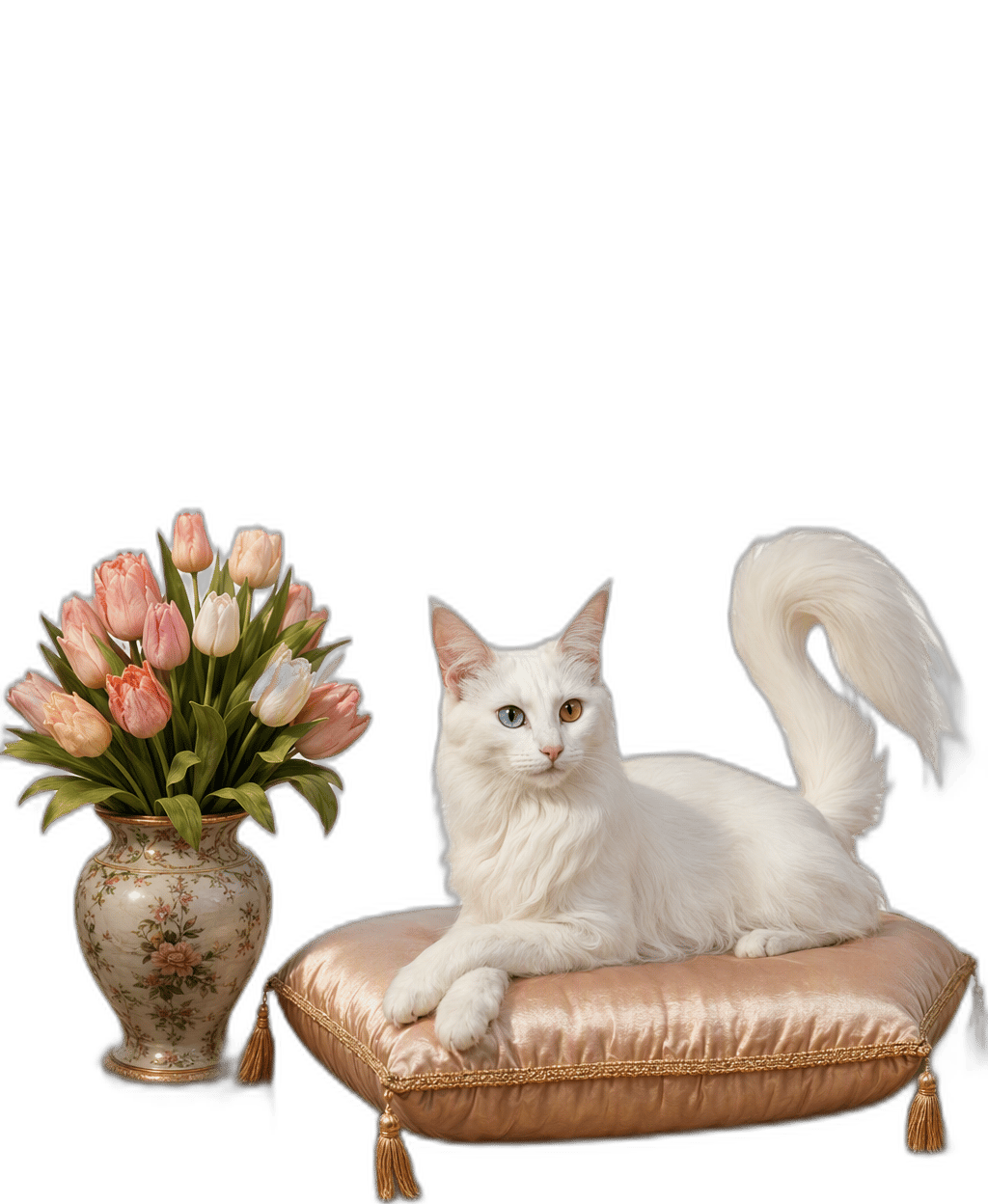
Frequently asked questions
The questions people ask most about the Turkish Angora
It is one of the oldest long-haired breeds, originating in the Ankara region of Turkey with several hundred years of history; it reached Europe in the 17th century and swept through aristocratic circles.
The Angora has a slender body, a more wedge-shaped face and a silky coat that does not mat easily; the Persian has a round, flat face and a dense, fluffy coat. The Angora is also more active.
Odd eyes (one blue, one amber) are more common in pure white Angoras and are one of their signature features, but not every Angora has them.
Yes! Angoras are full of energy and love climbing high and playing fetch. They are called the “ballet dancer of cats” and need a cat tree and toys to burn off energy.
Relatively easy. The Angora's long coat is a single-layer silky coat that does not mat easily; brushing 1-2 times a week is enough, which is easier than a Persian.
Turkish Angora articles
4 articles
The Downsides of Keeping a Turkish Angora | 7 Real Costs in Hong Kong
Before you fall for the ethereal long coat of the Turkish Angora, this article honestly breaks down 7 common downsides: deafness risk in white-blue combinations, dog-like energy levels, grooming obligations, a chatty rather than quiet nature, sky-high prices in Hong Kong, joint and airway sensitivities, and high demands for quality companionship. Each comes with actionable solutions and cost directions.
Read the full article →
Turkish Angora Lifespan: How Long Do They Live? | Hong Kong Owner's Guide to Genetic Red Flags and a Longevity Checklist
Turkish Angoras typically live 12 to 18 years and are a robust, long-lived natural breed, but there are three specific lines of defence: congenital deafness (especially in blue-eyed or odd-eyed white cats), patellar luxation, and allergic bronchitis. This article breaks down the Angora lifespan range, influencing factors, a health timeline and a longevity checklist to help you protect that number.
Read the full article →
Turkish Angora Personality: The Smart, Chatty 'Fox of Cats' | Hong Kong Care Guide
The Turkish Angora is often called a 'dog in a cat's body': smart, curious, talkative and loyal to the family. Behind the heterochromia and ethereal looks lies a strong need for interaction. This article breaks down the five key personality traits, intelligence, how they get along with children and other pets, male vs female differences and interaction tips, with a trait × behaviour × response table.
Read the full article →
Turkish Angora price and adoption guide: 2026 Hong Kong market, routes and waiting lists
Turkish Angoras are basically unavailable as ready stock in Hong Kong: local breeding catteries are very few, and the mainstream approach is to reserve from approved catteries in Japan or Europe. Including import costs, the practical 2026 price is about HK$20,000–40,000, with waiting periods of six months to two years being normal. The chance of adopting a purebred is close to zero; a white long-haired domestic cat is a lookalike alternative. For any cheap 'ready' Angora, check the pedigree papers first.
Read the full article →You may also like
Other cat breeds like the Turkish Angora