
Quick answer: Turkish Angoras typically live 12–18 years and are a robust natural breed. Three specific lines of defence affect this number: congenital deafness (higher risk in white coat + blue eyes/odd-eyed combinations; do a BAER hearing test before getting the cat), patellar luxation (watch the gait), and airway sensitivity (avoid dust and fragrances). With indoor living and regular screening, there is more room to extend life than for the average cat.
Want to know the Turkish Angora inside out? Start with the Turkish Angora breed profile.
1. Lifespan range: a robust foundation from the central Turkish plateau
The Turkish Angora is a natural breed from the central Turkish plateau—CFA and TICA record a long history, with a gene pool originating from local cat populations rather than artificial inbreeding, giving a robust foundation: no flat-face airway burden, no cartilage dysplasia, and a lifespan generally falling in the 12–18 years range, which is normal to above average for a medium-sized cat.
What really separates individuals is three things: whether the deafness gene has been checked, whether weight and joints are managed, and whether airway environment quality is maintained.
| Life stage | Age | Health management focus |
|---|---|---|
| Kitten | 0–1 year | BAER hearing test (white/blue-eyed individuals), vaccines, neutering |
| Adult | 1–8 years | Weight recorded quarterly, airway environment management, annual check-up |
| Senior | 8–12 years | Annual blood and urine tests, joint observation, dental scaling |
| Geriatric | 12+ years | Check-up every 6 months, senior formula, low-entry cat beds |
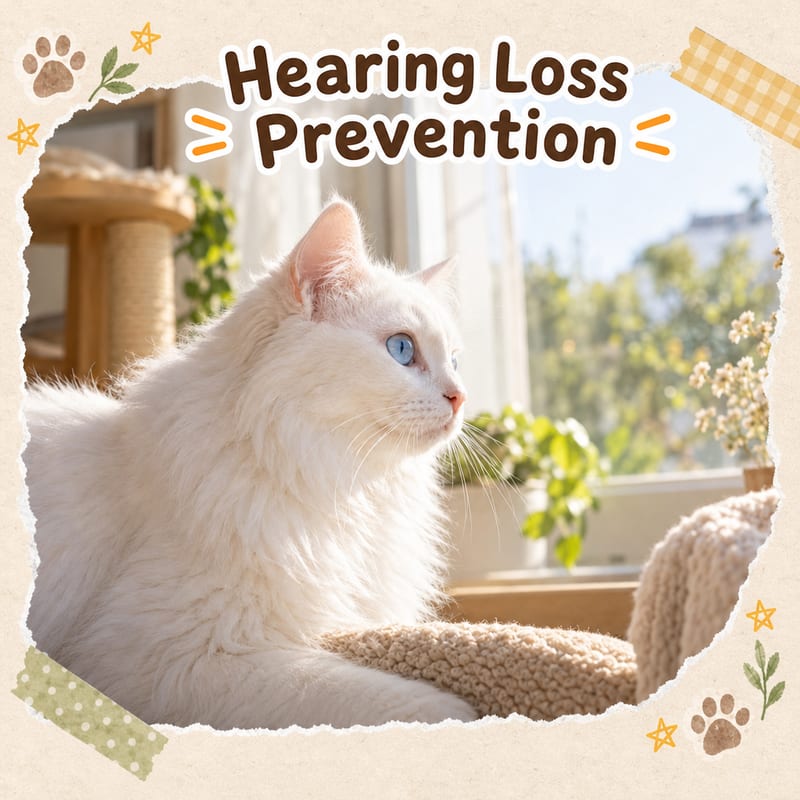
2. First line of defence: deafness—the breed issue you must discuss
Many people searching "Turkish Angora deafness" or asking "Turkish cat ptt" on forums are drawn to their ethereal look but worry about the rumour that "white cats go deaf easily". Medically there is a genetic basis: the white spotting gene (W gene) is linked to inner ear cochlear degeneration, and the white coat plus blue eye combination has a noticeably higher rate of congenital bilateral deafness than other combinations; in odd-eyed cats (one blue, one gold), the blue-eyed side also carries a higher risk of deafness.
But to be fair:
- Non-white individuals generally have a much lower risk—Angoras come in dozens of coat colours and patterns; chestnut, black smoke and tabby individuals do not carry this burden.
- Deaf does not mean unkeepable—deaf cats adapt well using vibration and sight; light signals, hand commands and a fixed routine are enough; but strictly indoor living is essential, as a cat that cannot hear cars or danger is like having no insurance outdoors.
- The BAER hearing test is standard practice—a brainstem auditory evoked potential test, completed in tens of minutes, can determine unilateral or bilateral. Keeping a white-blue combination that has never been tested is the real risk.
3. Second and third lines of defence: patella and airways
Patellar luxation: The literature reports patellar luxation in Angoras; it is a common problem in small cats, mild cases can be managed by observation, and severe cases affect walking quality. Daily checking is simple: watch for intermittent "bunny hopping" (a hind leg flicking up and tucking). Ask about the parents' records before getting the cat, and maintaining weight in adulthood is the most important prevention.
Airway sensitivity: Clinical studies consistently find that dust and fragrances are the main environmental sources of upper respiratory irritation in cats; some individuals have a tendency to allergic bronchitis, with symptoms resembling "asthma": crouching with neck extended, dry coughing, rapid breathing. Three preventive measures: low-dust cat litter, no air fresheners, and no smoking at home. If symptoms persist, see a veterinarian and do not self-medicate.
4. Longevity checklist: six things supported by evidence-based directions
- Strictly indoor living: the biggest lever of all, and even more of a baseline for individuals that may be deaf.
- Check three things before getting the cat: parents' hearing test records, patella records, and pedigree papers (TICA/CFA/WCF recognised).
- Weight management: for a slender breed, excess weight puts stress on joints quickly; timed, measured meals plus daily play.
- Maximise water intake: a high proportion of wet food and multiple water stations protect the urinary tract and kidneys.
- Airway environment: dust-free cat litter, no fragrances, no smoking.
- Blood and urine tests from age 8: early changes in kidney values such as SDMA appear years before clinical symptoms; screening is the best value risk protection.
5. Red flag timeline: when to see a veterinarian immediately
Five red flags: appetite loss for more than 24 hours; noticeably increased drinking and urination (kidney warning); neck extension with dry cough or excessive abdominal effort when breathing (airway warning); sudden change in gait or frequent bunny hopping of the hind legs (joint warning); a kitten that does not respond to sound at all (needs BAER). Among these, laboured breathing is an emergency—do not wait until the next day, go to the clinic immediately.
This article is general information and does not constitute medical advice; for individual cats' health judgements, please rely on an in-person consultation with a practising veterinarian.
6. Medical budget and insurance considerations
Angoras do not have major genetic disease expenses expected, but three items should be planned for in advance:
| Item | Cost direction (HKD) | When to spend |
|---|---|---|
| BAER hearing test | 800–1,500 | For white or odd-eyed individuals, within 3 months before or after getting the cat |
| Baseline cardiac ultrasound (HCM) | 1,500–3,000 | Once if parental records are missing |
| Annual blood and urine tests | 600–1,200 | Yearly from age 8, more frequently from age 12 |
Suggested savings: HK$250–400 per month to cover these three items plus dental scaling and vaccines. Commercial cat medical insurance can be considered, but read the terms word by word before buying: congenital hereditary disease exclusion clauses are especially critical for deafness in white-blue combinations; if unclear, call the insurer and ask until you understand. The longevity formula is actually simple: testing, weight, water, screening—keep all four and the 12–18 year range will naturally trend towards the upper limit, without relying on luck.
Frequently asked questions
Are most white Angoras really deaf? Not "most", but the risk definitely exists and is strongly linked to eye colour: white coat with blue eyes is highest, white with gold eyes lower, non-white even lower. Test before buying and you won't have to guess.
Is daily life different with a deaf cat? A little: use light and hand signals instead of calling, change the doorbell to a vibration alert, and strictly indoor living. Their emotions and intelligence are completely normal.
How much should I save for medical care per month? We suggest HK$200–400 per month to cover annual blood tests, dental scaling and environmental management; if buying a white-blue combination, include the BAER test cost in advance.
Does their shedding affect health? The Angora has a silky single-layer semi-long coat, with lower matting risk than the Persian, but during shedding season still brush two or three times a week; to prevent hairballs, use a hairball formula plus brushing.
Two Angora-specific notes for the senior years
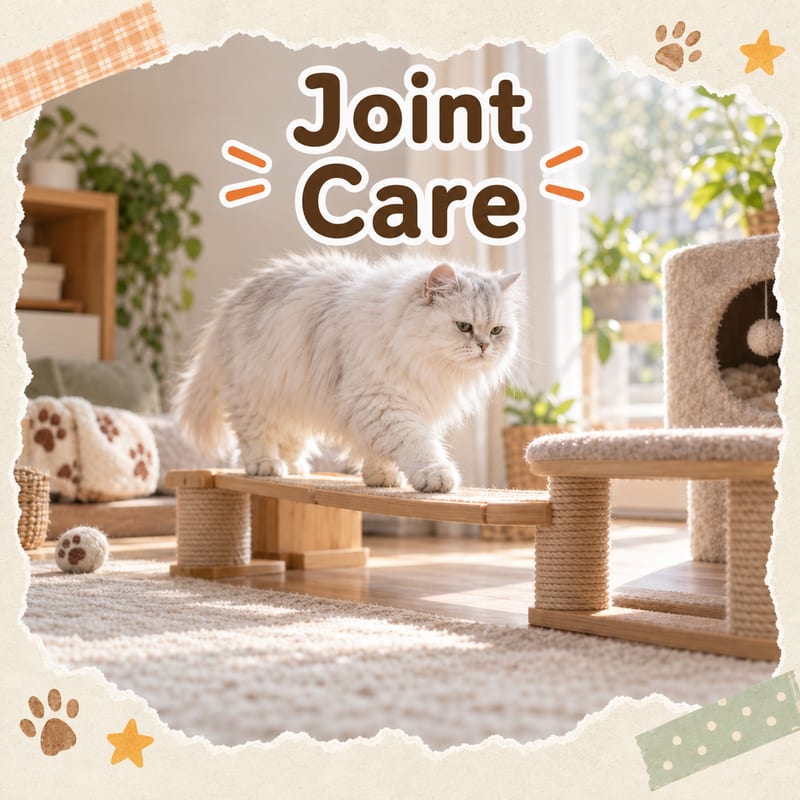
One is joints: for a slender, high-jumping breed, in old age shorten the spacing between levels on cat trees and add non-slip pads to each step; do not remove vertical routes entirely for fear of falls—just make them sturdier, as continued use maintains muscle and joints. Two is communication: if an individual was confirmed with unilateral deafness early on, re-evaluate the signalling method when hearing declines further in old age; keep light and hand signals within their visual range, and do not rely on calling their name from behind—no matter how loudly you call, they won't hear, and may think you are doing nothing.
Key takeaways
- ✅ Angora lifespan is 12–18 years; a natural breed with a robust foundation
- ✅ Top defence: congenital deafness in white + blue-eyed/odd-eyed cats; do a BAER test before getting the cat
- ✅ Deaf cats can be kept, but strictly indoor living + visual signal management are essential
- ✅ Watch gait for patellar luxation; weight management is the best prevention
- ✅ Three don'ts for the airway environment: no dusty litter, no fragrances, no smoke
- ✅ Annual blood and urine tests from age 8; longevity relies on screening, not luck
- ✅ Laboured breathing and male cats unable to urinate are emergencies; seek veterinary care immediately
Related reading
- Full analysis of the Turkish Angora personality
- Disadvantages of keeping a Turkish Angora and how to cope
- Turkish Angora price and adoption guide
- Low-dust cat litter, flowing water fountains and slicker brushes: find them all at PetChill pet supplies.
This article's health information draws on breed club data and clinical literature directions; for individual situations please consult a practising veterinarian; for emergency signs seek medical care immediately.
 Fuji One full guide →





