
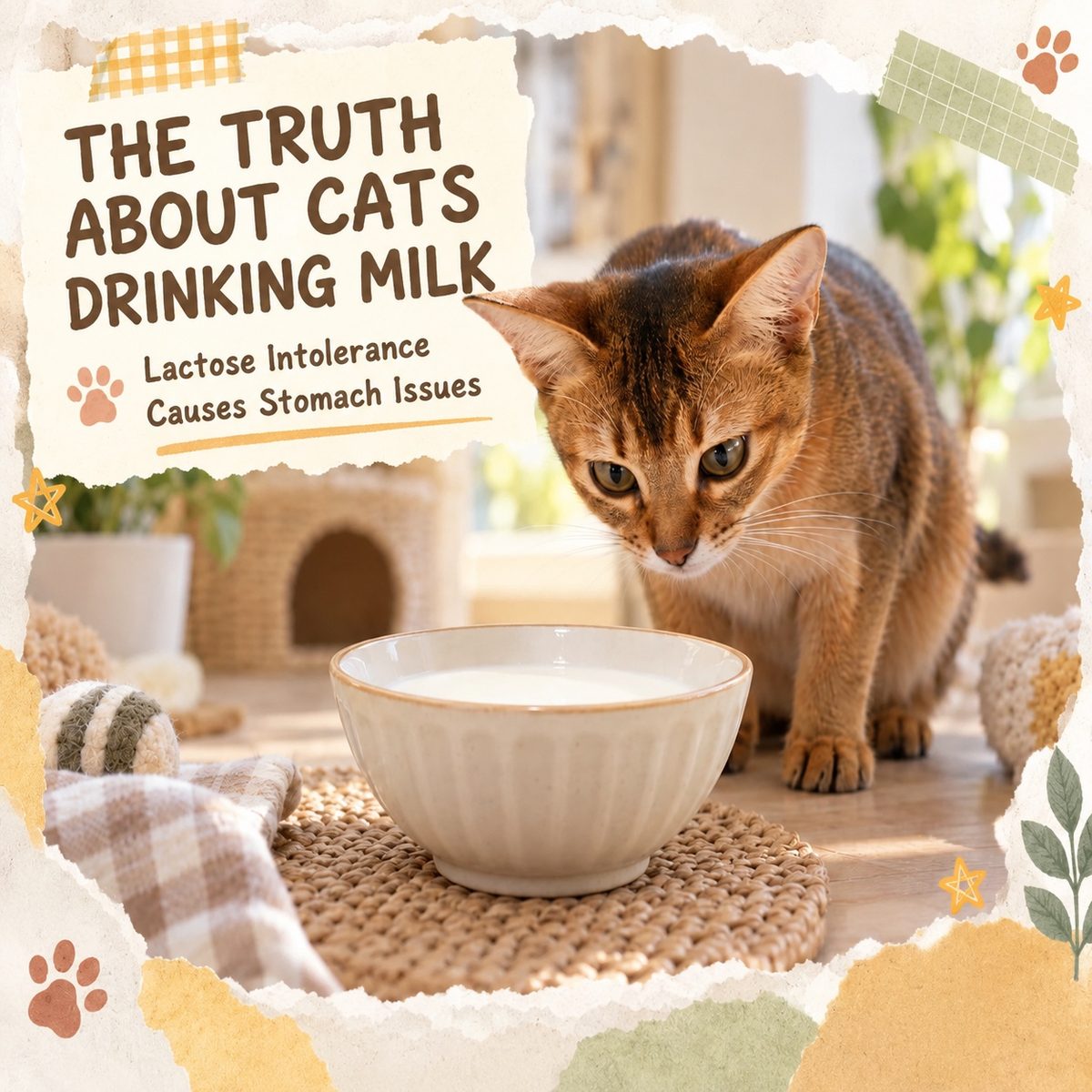
Quick answer: Most cats become lactose intolerant after weaning—their lactase production drops sharply, so drinking milk easily causes diarrhoea, vomiting and bloating. Milk isn't poison, but for cats it's too high in lactose, its nutritional profile doesn't match their needs, and it can reduce their plain water intake, putting long-term strain on the kidneys. The safe approach: plain water is the only daily drink; for a treat, choose pet-specific lactose-free milk or plain unsweetened yogurt, no more than one or two teaspoons at a time. Unweaned kittens must be given a cat-specific formula—cow's milk is not a substitute.
Many Hong Kong cat owners have tried it: pour a little milk into a saucer and place it in front of their cat, thinking it's a treat. But the movie and advertising image of 'a kitten lapping milk' is actually a long-standing mistake. Can cats drink milk? Why do some cats seem fine while others get diarrhoea and vomiting? PetChill explains the science of lactose intolerance and which 'milks' are actually safe for your cat.
Why does milk give cats diarrhoea? The key role of lactase
Milk contains a lot of lactose, and digesting lactose requires the intestinal enzyme lactase. Kittens have plenty of lactase while nursing, so they digest mother's milk perfectly well. The problem is that lactase production is only maintained while lactose is continuously present—once weaned, the enzyme gradually stops being produced.
According to feline medicine and cat nutrition literature, most cats develop lactose intolerance after 2 months of age. At that point, drinking milk means lactose cannot be broken down in the small intestine and passes into the large intestine to ferment, causing osmotic diarrhoea—watery stools, bloating, abdominal pain and vomiting.
You might say: 'My cat drinks milk and is fine!' It may just be lucky: a few cats have gut bacteria that can break down some lactose, or they have been exposed to small amounts of milk from a young age so their lactose metabolism hasn't fully declined. But 'no immediate reaction' does not mean 'beneficial'.
The table below shows the nutritional gap between cat mother's milk and cow's milk, making it clear why cow's milk is 'too dilute and too sweet' for cats:
| Nutrient | Cat mother's milk (approx.) | Cow's milk (approx.) | Practical impact on cats |
|---|---|---|---|
| Fat | 45% | 25% | Cow's milk is too dilute and low in calories; kittens grow slowly |
| Lactose | 19% | 40% | Cow's milk has more than double the lactose; adult cats can barely digest it |
| Protein | High, mainly animal-based | Moderate | Profile doesn't match cats' essential amino acid needs |
Symptoms usually seen during a lactose intolerance episode
- Gastrointestinal: watery diarrhoea, soft stools, bloating, increased flatulence
- Upper digestive tract: vomiting, nausea, sudden loss of appetite
- Behaviour: obvious discomfort within hours after drinking milk, hiding, increased vocalisation
- Around the bottom: faeces stuck to fur, redness around the anus
These symptoms usually appear within 8–24 hours after drinking milk. If there is only one mild soft stool, it usually resolves on its own within a day or two after stopping milk; but if diarrhoea persists, vomiting contains blood, or the cat is lethargic, see a veterinarian immediately—don't wait.
Potential long-term risks of drinking milk: kidney concerns
Beyond immediate gastrointestinal reactions, the long-term effects are more worrying. Cats naturally have a low thirst drive; if they get used to replacing water with milk, they may lose interest in plain water and their water intake will gradually decline. Cats are known for having fragile kidney health—chronic dehydration increases the burden on the urinary system and over time contributes to kidney concerns. For older cats with underlying kidney issues, this habit is even more dangerous.
To find out whether your cat is drinking enough water and how to encourage more drinking, see What to do if your cat won't drink water? 7 vet tips to increase water intake, which includes a dehydration self-check and key points for kidney disease prevention.
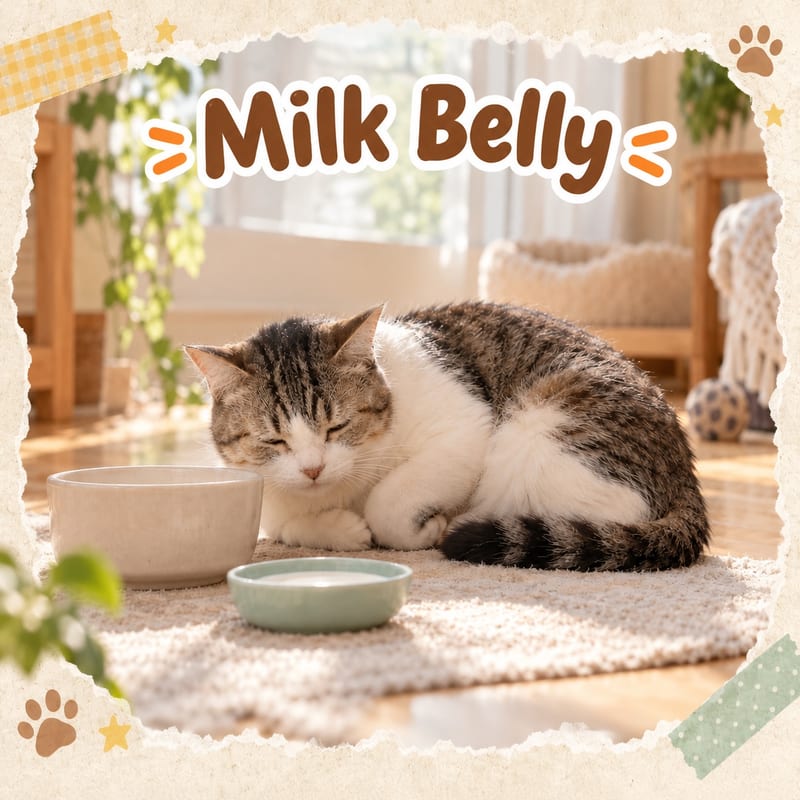
3 common myths about cats and milk
- Myth 1: Milk is a nutritional supplement. Milk's nutritional profile doesn't match a cat's needs—cat mother's milk has a much higher protein and fat ratio than cow's milk, and far less lactose.
- Myth 2: Goat's milk can replace cow's milk. Goat's milk also contains a lot of lactose, so the lactose problem is the same; only the fat structure differs.
- Myth 3: Lactose-free means it can be given freely. Lactose-free milk avoids lactose, but it may still contain various sweetening additives, and it still displaces water intake.
Want to give your cat 'milk'? Safe and unsafe options
If you want to treat your cat, here is the safe list:
✅ Safe to give
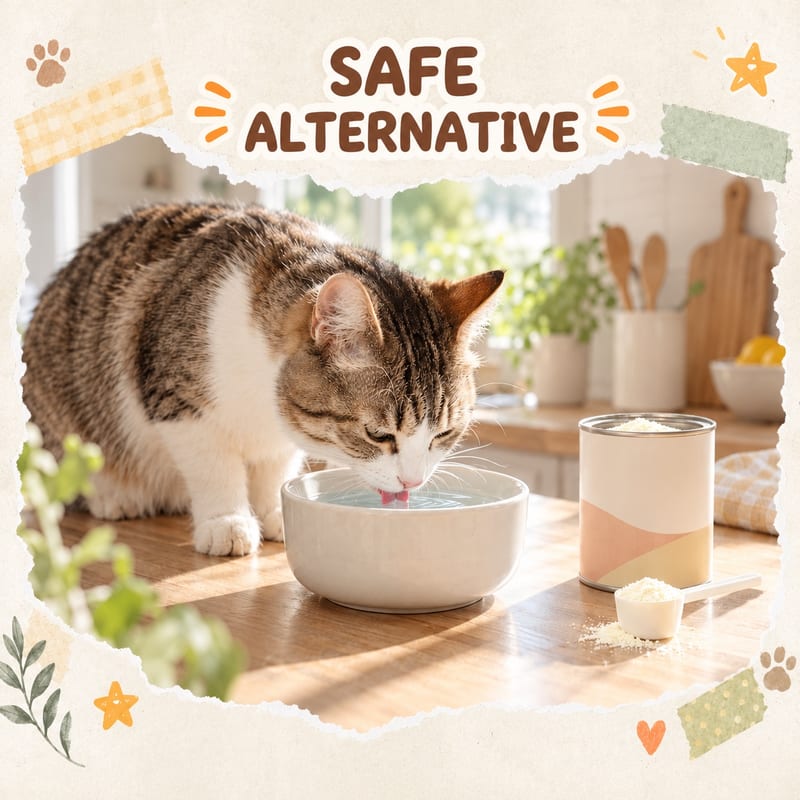
- Pet-specific lactose-free milk: formulated for cats and dogs, lactose-free, can be given as an occasional treat.
- Plain unsweetened yogurt (very small amounts): fermentation breaks down most of the lactose, leaving only a tiny amount; one small teaspoon as a treat is acceptable, but must be plain, unsweetened, without sweeteners or fruit pieces.
- Cat-specific milk replacer: for kittens or nutritional supplementation, mix according to package instructions.
❌ Never give
- Fresh milk, evaporated milk, chocolate milk, condensed milk, cream (high lactose or high sugar/fat)
- Plant milks with added sweeteners (especially xylitol, which is fatal to dogs and should also be avoided for cats)
- Coffee milk, milk tea and other human dairy drinks
| Option | Recommendation | Serving size | What to watch out for |
|---|---|---|---|
| Pet-specific lactose-free milk | ✅ Yes, as a treat | 1–2 teaspoons | Check the ingredient list for 'Lactose Free' |
| Plain unsweetened yogurt | ⚠️ Very small amounts | One small teaspoon | Must be unsweetened, no sweeteners, no fruit pieces |
| Cat-specific milk replacer | ✅ For kittens/supplementation | According to package ratio | Too thick causes bloating and vomiting; too thin lacks calories |
| Goat's milk | ❌ Not recommended | — | Lactose content similar to cow's milk; same problem |
| Fresh milk, condensed milk, cream | ❌ Forbidden | — | High lactose, high sugar and fat |
| Chocolate milk, coffee milk, milk tea | ❌ Forbidden | — | Sugar, theobromine and caffeine are harmful to cats |
| Plant milk with sweeteners | ❌ Forbidden | — | Xylitol is fatal to dogs and should be completely avoided for cats too |
For a more comprehensive list of human foods cats must not eat, see Complete guide to cat food taboos: 10 human foods that poison cats, covering chocolate, onion, garlic, grapes and xylitol.
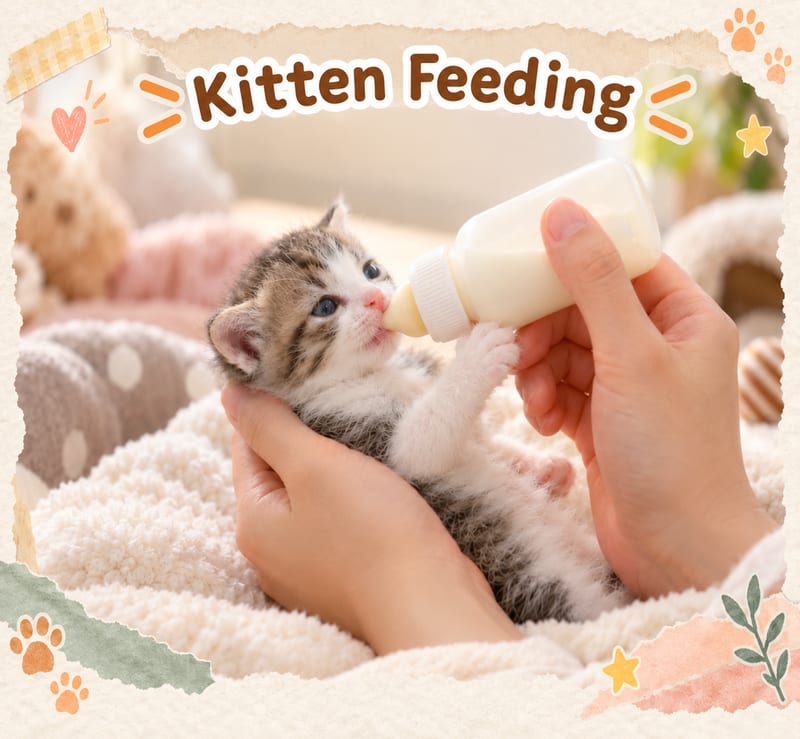
Special case: what should unweaned kittens drink?
If the kitten is not yet weaned, the choice is completely different. Clinical observations by veterinarians show that newborn kittens fed a cat-specific milk replacer are least likely to develop diarrhoea and have the most stable weight gain. The reason is simple—cat mother's milk contains about 45% fat and only about 19% lactose, while cow's milk is the opposite: up to 40% lactose and only just over 20% fat. For kittens, cow's milk is too dilute and has excessive lactose, leading to nutritional deficiencies and slow growth.
As for internet 'homemade milk' recipes (cow's milk plus egg yolk plus water, etc.), veterinary literature states they are only suitable for emergency use: concentration is hard to control and bacterial contamination is easy; kittens fed homemade milk still grow more slowly than those fed commercial cat milk replacer. Formula mixed too thick causes vomiting and bloating; too thin lacks calories. Always follow the milk-to-water ratio on the tin.
The dietary transition after weaning is even more critical—protein, fat and vitamins are all essential. See Complete guide to cat nutrition: protein, fat and vitamins are all essential and adjust feeding amounts by age and weight.
What to do if something goes wrong after drinking milk? Symptom assessment and when to see a vet
| What you observe | Possible cause | Suggested action |
|---|---|---|
| One soft stool, normal energy and appetite | Mild lactose intolerance | Stop milk, switch back to water, monitor for 24 hours |
| Watery diarrhoea 1–2 times, still playful and eating | Lactose intolerance episode | Stop milk, ensure plenty of water, watch for dehydration |
| Diarrhoea lasting more than 24 hours | Gastroenteritis or worsening lactose intolerance | Book a vet the same day; bring the dairy product's ingredient list |
| Vomiting, vomiting yellow fluid, obvious bloating | Gastrointestinal irritation or blockage | Do not self-medicate; seek veterinary care as soon as possible |
| Vomiting blood, lethargy, refusing water | Severe case | Seek emergency veterinary care immediately |
Vomiting and diarrhoea can have many causes and are not necessarily related to milk. To learn to tell 'normal hairball vomiting' from 'real illness', see Complete guide to cat vomiting: hairball or illness? 6 major causes + first aid.
Practical advice: how to give your cat 'milk' correctly
- Adult cats: plain water is the only daily drink. Milk products are only occasional treats, no more than one or two teaspoons at a time, and monitor for soft stools for 24 hours.
- Warning signs: diarrhoea, vomiting, bloating, or faeces stuck to the bottom after drinking milk means lactose intolerance is confirmed—stop immediately.
- Hydration alternatives: to get your cat to drink more, use a flowing water fountain, add wet food, or put freeze-dried treats in water—far more effective than pouring milk.
- Choosing products: choose pet-specific dairy treats labelled lactose-free and with no added sugar; check that the first ingredient is not sugar.
- Extra caution for senior cats: kidney function generally starts to decline in cats over 7 years old; any dietary change (including dairy treats) should be discussed with a veterinarian first. For senior cat care, see What to do when your cat gets old? Complete senior cat care guide.
PetChill's selected cat lactose-free dairy treats and milk replacers clearly state lactose content on the label, so you can give them with confidence. If you have a senior cat or one with a history of kidney disease, consult a veterinarian before any dietary change.
Frequently asked questions
Q: Can cats really never drink milk?
A: It's not poison, but most cats are lactose intolerant after weaning, so milk easily causes diarrhoea and vomiting. A very small amount of lactose-free milk or plain unsweetened yogurt is acceptable occasionally, but milk should not be a daily drink.
Q: My cat seems fine after drinking milk—can I keep giving it?
A: No immediate reaction doesn't mean it's beneficial. Long-term milk consumption reduces a cat's water intake and puts potential strain on the kidneys, especially in older cats. Switch to pet-specific lactose-free products as treats, one or two teaspoons at a time.
Q: Can kittens drink milk?
A: Unweaned kittens should not drink cow's milk—it's too dilute and too high in lactose, leading to nutritional deficiencies and diarrhoea. Use a cat-specific formula and mix strictly according to the instructions.
Q: Can lactose-free milk be given as water?
A: No. Lactose-free milk only avoids the lactose issue; it still carries a calorie and mineral load, and drinking more of it displaces plain water intake. One or two teaspoons a week as a treat is enough.
Q: Why do cats vomit after drinking milk?
A: When lactose cannot be digested, it ferments in the large intestine, producing gas and osmotic pressure that trigger bloating, nausea and vomiting; some cats respond with vomiting instead of diarrhoea. If vomiting persists, contains blood, or the cat is lethargic, see a veterinarian immediately.
Q: Is milk life-threatening for cats?
A: A small amount of milk is not immediately fatal for adult cats, but it causes diarrhoea, vomiting and gastrointestinal bloating, and severe cases can lead to dehydration. Kittens have more fragile guts, and diarrhoea can worsen rapidly, so milk must never be used as a formula substitute.
Q: What alternatives are there to help cats hydrate?
A: Feeding wet food as the main diet, adding a flowing water fountain, and placing multiple water bowls (away from the litter box and food) all effectively increase water intake. Some cats accept plain unsalted chicken or fish broth, but avoid salt and seasonings.
Q: What milk should kittens drink?
A: Kittens must be given a pet-specific milk replacer (such as KMR for cats); human cow's milk or infant formula must not be used. Follow the mixing ratio on the packaging and record daily weight changes; consult a veterinarian if anything seems abnormal.
Key points
- ✅ Most cats' lactase levels drop after 2 months of age, so they become lactose intolerant at weaning; drinking milk usually causes diarrhoea
- ✅ Cow's milk has 'double the lactose and half the fat' compared with cat mother's milk—its nutritional profile doesn't match a cat's needs
- ✅ Plain water is a cat's only daily drink; for hydration, use a flowing fountain, wet food, or freeze-dried treats in water
- ✅ For a treat, choose pet-specific lactose-free milk or plain unsweetened yogurt, no more than one or two teaspoons at a time
- ✅ Unweaned kittens must be given a cat-specific milk replacer, mixed strictly according to package instructions
- ❌ Never give fresh milk, condensed milk, cream, chocolate milk or milk tea
- ❌ Goat's milk is not a safe substitute for cow's milk; lactose content is similar
- ❌ 'My cat was fine after drinking it' doesn't mean you can continue—long term it reduces water intake and increases kidney strain
- ❌ If diarrhoea persists or vomiting contains blood after drinking milk, do not self-medicate—seek veterinary care immediately
PetChill's Reminder
A cat's best drink is always clean plain water; 'cats love milk' is just a human cultural myth. Next time you want to pamper your cat, a lactose-free cat dairy treat or a flowing water fountain is the truly good choice.
For more cat diet knowledge, keep following PetChill's latest articles!
References: Feline Medicine chapter on lactose intolerance and the digestive system; cat nutrition literature (comparison of cat mother's milk and cow's milk composition); common household food risk list in pet toxicology.
 Fuji One full guide →


 Feline Natural full guide →