
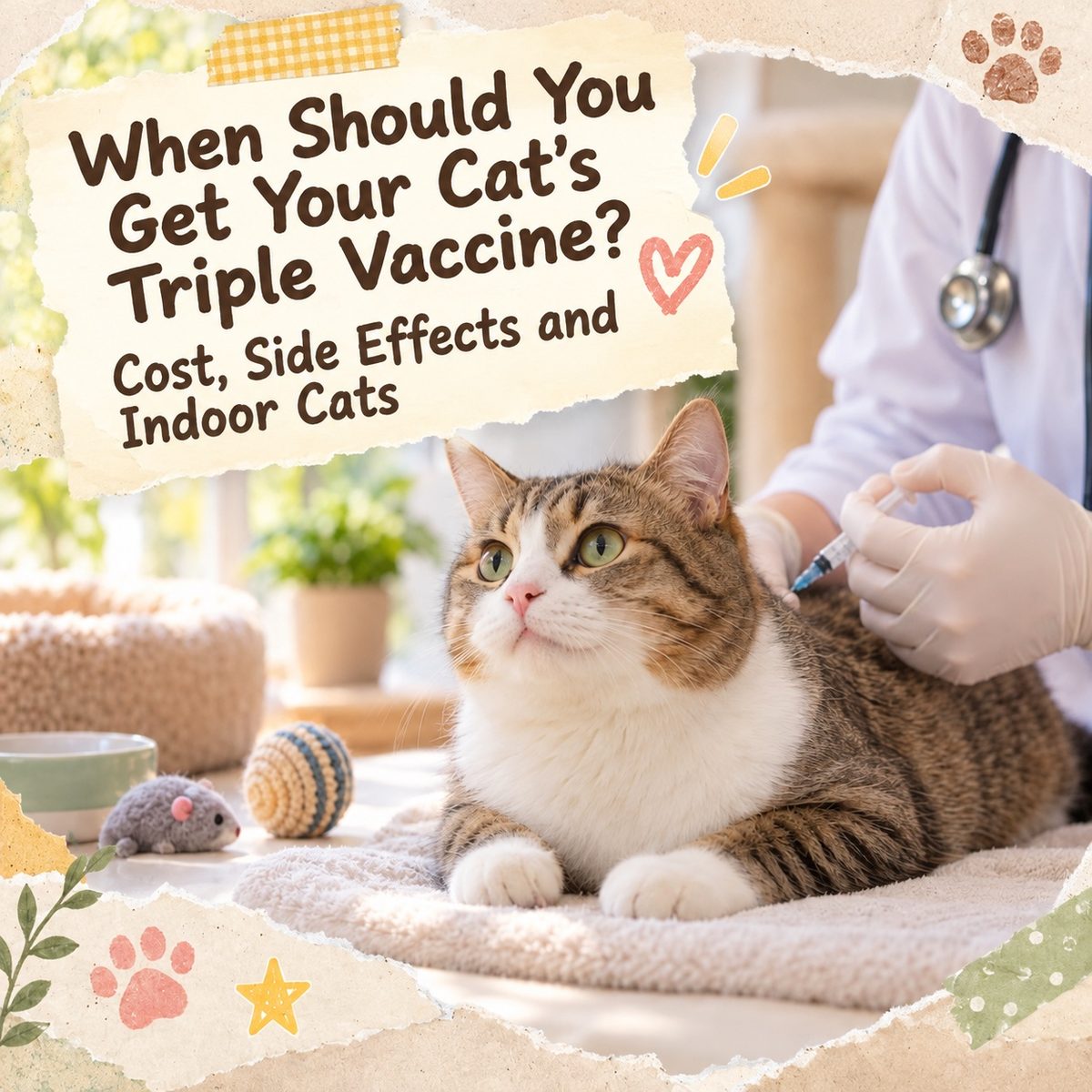
Quick answer: The most core vaccine for cats is the "FVRCP" vaccine (protecting against feline panleukopenia, feline herpesvirus, and feline calicivirus). Kittens start at 8 weeks of age, with one dose every 3–4 weeks for a total of 3 doses; after 1 year, boost every 1–3 years depending on the vaccine type. Even strictly indoor cats are advised to be vaccinated—viruses can be brought indoors on owners' clothing, shoe soles, and by visitors. A health check before vaccination is recommended, and stay at the clinic for 30 minutes after vaccination for observation.
Did you know? According to an analysis of medical records of over 2.2 million cats by Banfield Pet Hospital in the US, cats that receive comprehensive preventive care (including vaccination, neutering, and regular check-ups) have a significantly longer average lifespan than those without. Vaccination is the most basic and cost-effective part of preventive medicine—a disease that can be prevented with one shot may cost thousands of dollars and weeks of hospitalisation to treat. PetChill has put together a complete guide to cat vaccines, from kitten schedules to adult boosters, all in one place.
As a responsible cat owner, regularly vaccinating your cat is the first line of defence for their health. But when you walk into a veterinary hospital and hear terms like "3-in-1", "5-in-1", and "rabies vaccine", do you often feel confused? Today, PetChill helps you understand everything about cat vaccines.
What is the "FVRCP" vaccine? Which three diseases does it prevent?
The FVRCP vaccine (also known as the feline 3-in-1 vaccine) is recognised by veterinarians worldwide as a core vaccine, protecting against three highly contagious and potentially fatal diseases with one shot:
| Disease | Pathogen | Main symptoms | Severity |
|---|---|---|---|
| Feline panleukopenia (feline distemper) | Feline parvovirus (FPV) | Severe vomiting, bloody diarrhoea, dehydration, sharp drop in white blood cells | Mortality in kittens can reach 90% |
| Feline herpesvirus (feline rhinotracheitis) | Feline herpesvirus (FHV-1) | Sneezing, eye discharge, fever, loss of appetite | Virus remains latent for life, reactivates under stress |
| Feline calicivirus infection | Feline calicivirus (FCV) | Oral ulcers, drooling, pneumonia | Highly virulent strains can be fatal |
What these three diseases have in common: extremely contagious, long survival in the environment (the panleukopenia virus can survive over a year in the environment), and no specific helps manage—only supportive treatment. So prevention is always more important than treatment.
FVRCP vs 5-in-1: What's the difference?
There is also a "5-in-1" (or 4-in-1 plus chlamydia) vaccine on the market, which covers additionally on top of the 3-in-1:
- Chlamydia: causes conjunctivitis and eye discharge
- Feline leukaemia virus (FeLV): transmitted through saliva, can cause anaemia and lymphoma
Which one suits your cat? Simple principles:
- Strictly indoor, single-cat household → FVRCP is usually sufficient
- Outdoor access, multi-cat household, cats of unknown origin → consider the 5-in-1, and test for FeLV first
Discuss with your veterinarian which one to choose based on your cat's lifestyle and health status.
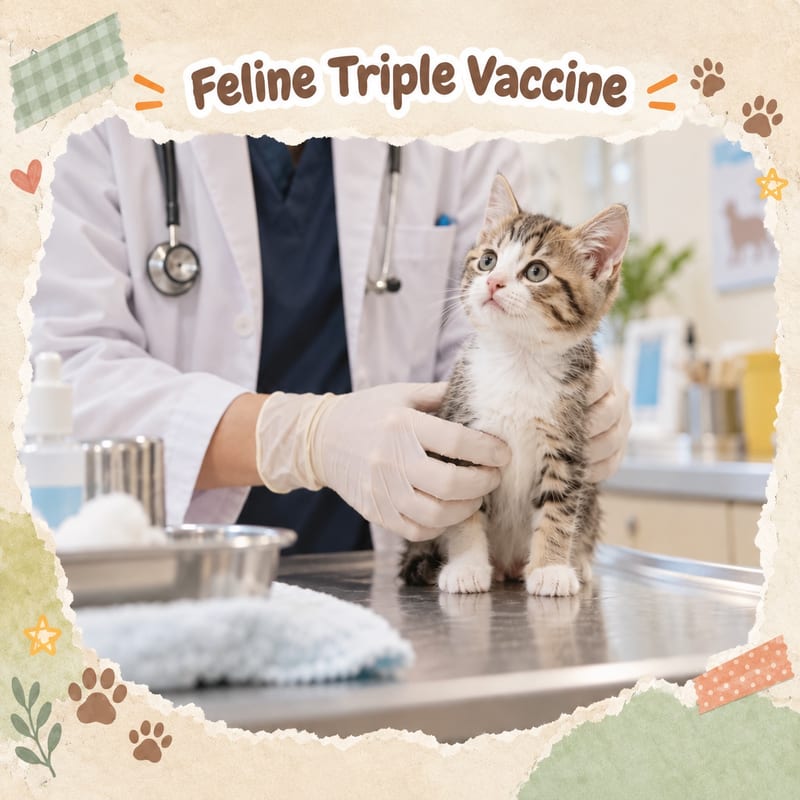
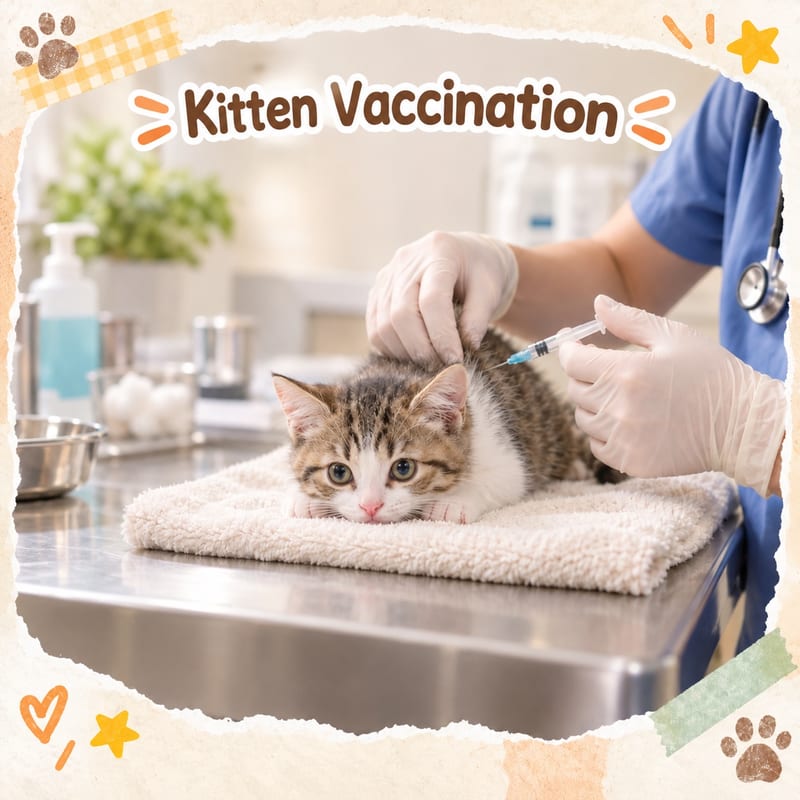
Kitten vaccination schedule
| Age | Vaccine | Notes |
|---|---|---|
| 8 weeks | First FVRCP dose | Maternal antibodies begin to wane; starting point for vaccination |
| 12 weeks | Second FVRCP dose | 3–4 weeks after the first dose |
| 16 weeks | Third FVRCP dose | Completes the primary series |
| 12 months (1 year) | First booster | Consolidates immunity |
Why 3 doses? Because kittens have maternal antibodies that neutralise the vaccine. The timing of maternal antibody decline varies between cats, so a "multiple-dose strategy" ensures at least one dose takes effect after antibodies have waned—this is the standard recommendation in the World Small Animal Veterinary Association (WSAVA) vaccination guidelines.
⚠️ Important: Before completing all doses, kittens do not have full immunity; avoid contact with cats of unknown origin and sharing items.
How often do adult cats need boosters?
This is the question most cat owners ask. According to WSAVA vaccination guidelines:
- Core vaccines (FVRCP): After the primary series, immunity lasts at least 3 years; adult cats can be boosted every 3 years (depending on the vaccine brand's instructions)
- Non-core vaccines (e.g., FeLV, chlamydia): Shorter immunity, usually boosted annually, and whether to continue should be assessed based on lifestyle risk
- Rabies vaccine: According to local regulations (see next section)
Actual frequency should follow the vaccine brand used and your veterinarian's advice—some vaccine labels state 1 year, others 3 years; do not decide on your own.
Why do indoor cats also need vaccinations?
"My cat never goes out, why vaccinate?" This is the most common misconception. The truth is:
-
Viruses enter on people: The panleukopenia virus is extremely resilient and can stick to your shoe soles, trouser legs, and handbags, bringing it indoors from outside
-
Visitor transmission: Friends who visit may have pathogens on their clothing if they have contacted other cats
-
Risk of accidental escape: A door or window left open and the cat may dash out; an unvaccinated cat exposed to a sick cat can have serious consequences
-
Boarding/grooming settings: Cat hotels and veterinary clinics are high-risk environments where many cats gather
In terms of data, panleukopenia has a very high mortality rate in unvaccinated kittens, and the virus can survive in the environment for over a year—indoors does not mean sterile.
Rabies vaccine: Do Hong Kong cat owners need it?
Many cat owners ask: "Does my cat really need a rabies vaccine?"
- Current situation in Hong Kong: Hong Kong is rabies-free; by law, rabies vaccination is mainly for dogs; there is no mandatory requirement for cats
- But consider it in these situations: If you plan to relocate or travel with your cat (most countries require proof of rabies vaccination), if your cat goes outdoors, or if your veterinarian recommends it based on individual circumstances
If you have plans to travel abroad with your cat, remember to consult your veterinarian at least 1 month in advance—many countries require 21 days after vaccination before entry.
Vaccine side effects: normal reactions vs danger signs
Most cats have no obvious reaction after vaccination; a few may experience mild discomfort, which is the immune system working normally:
Normal reactions (usually resolve within 24–48 hours):
- Mild fever, lower energy, lethargy
- Temporary decrease in appetite
- Slight swelling and tenderness at the injection site
Danger signs (contact your veterinarian immediately if any occur):
- Persistent vomiting or diarrhoea
- Swelling of the face or around the eyes, difficulty breathing (allergic reaction)
- Severe lethargy, complete refusal to eat for more than 24 hours
- A lump at the injection site lasting more than 2–3 weeks or growing larger
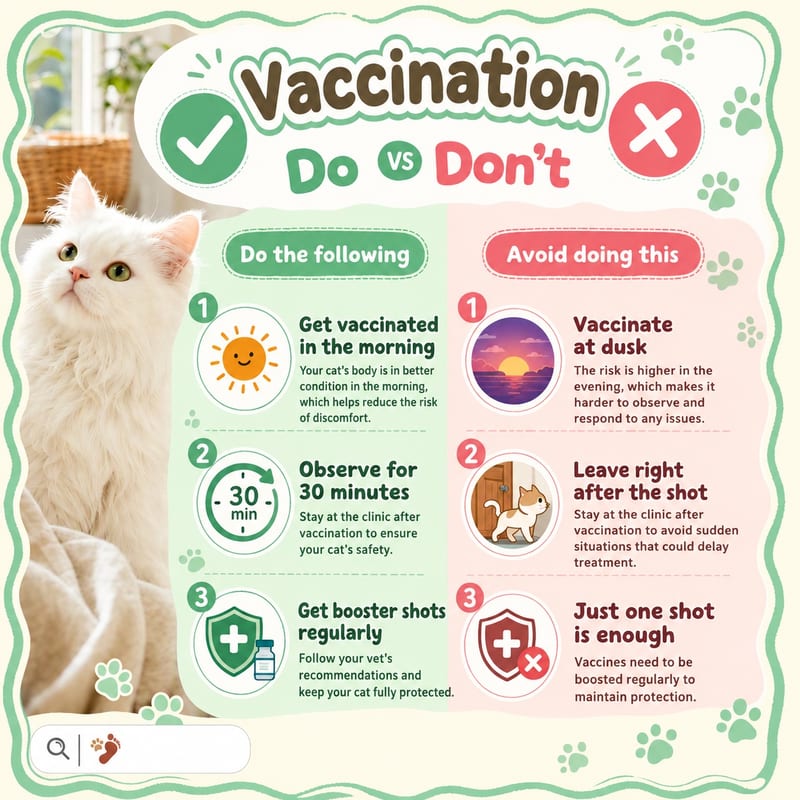
For safety, it is recommended to stay at the clinic for 30 minutes after vaccination to confirm no acute allergic reaction before leaving; and schedule vaccination in the morning so that if a reaction occurs, a veterinarian is available during the day.
Precautions before vaccination
- Can my cat eat before vaccination? Yes, normal feeding is fine; no fasting needed. But if your cat gets motion sickness or is easily stressed, a small meal 2–3 hours before vaccination can reduce the risk of vomiting
- Health check first: Vaccines are only suitable for healthy cats. Cats with fever, diarrhoea, active skin disease, or recent surgery should be vaccinated after recovery
- Observe a new cat at home for 7–14 days: Let the cat adjust to the environment and confirm health before vaccinating
- Do not deworm and vaccinate on the same day: It is recommended to separate by at least a week
- Bring the vaccination record: Record previous vaccination dates and vaccine brands for your veterinarian to plan boosters
Cat vaccination cost reference (Hong Kong market 2026)
The following are market reference ranges; actual fees vary by clinic:
| Item | Reference cost range (per dose) |
|---|---|
| FVRCP vaccine | HK$200–500 |
| 5-in-1 / FeLV vaccine | HK$300–600 |
| Rabies vaccine | HK$200–400 |
| First vaccination package (including consultation) | HK$500–1,000 |
Tip: Some clinics offer kitten vaccination packages and annual health check plans, which on average work out cheaper than paying per dose. Before vaccination, ask the clinic for a breakdown of fees.

Core vaccines vs non-core vaccines
Cat vaccines are broadly divided into two categories:
Core vaccines (essential)
- 3-in-1 vaccine (FVRCP): Protects against feline panleukopenia, feline calicivirus, and feline herpesvirus. These three diseases are highly contagious, and panleukopenia in particular has a mortality rate of 50%-90%, so it must not be taken lightly.
Non-core vaccines (given as appropriate)
- 5-in-1 vaccine: Adds feline leukaemia virus (FeLV) and chlamydia to the 3-in-1.
- Rabies vaccine: Required by law in some regions according to local regulations.
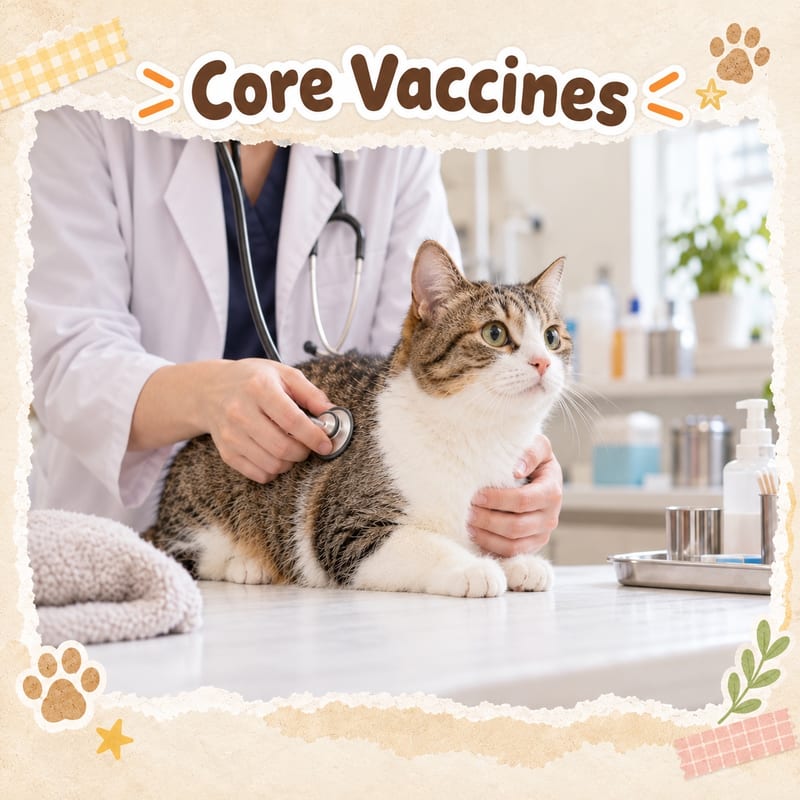
Recommended kitten vaccination schedule
| Weeks of age | Vaccine | Notes |
|---|---|---|
| 6-8 weeks | First dose of 3-in-1 | First vaccination |
| 10-12 weeks | Second dose of 3-in-1 | Booster immunity |
| 14-16 weeks | Third dose of 3-in-1 + rabies | Completes primary immunity |
Adult cats need an annual booster to maintain antibody levels. Some veterinarians recommend antibody testing (titre test) to determine whether a booster is needed.
Precautions before and after vaccination
Before vaccination:
- Confirm your cat is healthy, with no sneezing, runny nose, or other symptoms
- Deworming is recommended to be completed one week before vaccination
- For cats newly brought home, allow 7-10 days to adjust to the environment before vaccination
After vaccination:
- Slight swelling may occur at the injection site and usually resolves within 1-2 weeks
- A few cats may experience lethargy and decreased appetite, usually recovering within 24-48 hours
- In very rare cases, an allergic reaction (facial swelling, vomiting) may occur and requires immediate veterinary care
Common myths about vaccination
Q: Do indoor cats need vaccinations?
A: Yes! Viruses can be brought indoors on owners' clothing and shoes, so even cats that never go outside are at risk of infection.
Q: Can too many vaccines harm my cat?
A: Modern vaccine technology has advanced significantly, and the incidence of serious side effects is extremely low (about 1 in 10,000). Compared with the risk of infectious diseases, timely vaccination remains the best choice.
Q: Can I vaccinate my cat at home myself?
A: Not recommended. Vaccines have strict requirements for storage and administration; improper handling may render the vaccine ineffective or cause infection.
PetChill's Reminder
Vaccines are the most cost-effective investment in preventive medicine. Rather than spending a lot on treating diseases, it is better to vaccinate regularly to build a protective net. We recommend that owners keep a vaccination record and combine it with an annual health check to let your cat live a long and healthy life with you for many more years.
To learn more about cat health, keep following PetChill's latest articles!
Hong Kong small-flat practical guide: 7-day checklist before and after vaccination
Hong Kong homes are small and cats get stressed easily, so extra care is needed before and after vaccination. The following 7-day checklist helps you put the article's advice into practice without running around.
Three days before vaccination
- Reduce stress: Place the carrier in the living room as a cat house, with a towel and catnip, so the cat can go in and sleep on its own, reducing fear of the carrier.
- Deworming check: If not previously dewormed, get cat-specific deworming medication from a pharmacy, dose by weight, and complete at least seven days before vaccination.
- Health observation: Record appetite and bowel movements daily; if there is sneezing or eye discharge, reschedule immediately.
On vaccination day
- Transport arrangements: Call a taxi or pet-friendly Uber; place a pee pad at the bottom of the carrier before getting in, and bring an extra towel to cover the carrier door to reduce outside stimuli.
- Clinic procedure: Upon arrival, tell the nurse whether it is the first vaccination or a booster, show previous vaccination records, and let the veterinarian examine before deciding which vaccine to give.
Four days after vaccination
- Confine at home first: Hong Kong flats are small; you can put the cat in a room or bathroom for half a day to calm down and avoid disturbance from other pets.
- Observe side effects: Reduced eating and activity in the first 24 hours is normal; if appetite is still poor after 48 hours or the injection site is swollen and hot, take the cat to a 24-hour emergency clinic immediately (such as CityU Veterinary Medical Centre, Kowloon Animal Hospital, etc.).
- Pause bathing: Hong Kong weather is humid, and many owners like to wipe their cats daily; within three days after vaccination, use wet wipes for local cleaning, avoiding the injection site.
Long-term management
- Use a mobile app (such as "PetNote") to record each vaccination date and set a reminder for next year's booster.
- At the annual check-up, proactively ask your veterinarian: "Do we need an antibody test this year?" to reduce over-vaccination.
Follow these steps, and even the smallest Hong Kong flat can let your cat be vaccinated with peace of mind without you getting flustered.
Further reading
- Cat neutering | Hong Kong cat neutering benefits, best timing, and post-operative care guide
- Cat microchipping guide | Hong Kong costs, procedure, and real cases of lost cats found
- Kitten feeding schedule | Must-save for Hong Kong cat owners: how many meals per day + grams by weight (with chart)
- All articles index
- PetChill pet supplies
📌 Key summary
-
✅ FVRCP protects against feline panleukopenia, feline herpesvirus, and feline calicivirus
-
✅ Kittens receive one dose at 8, 12, and 16 weeks, with a booster after 1 year
-
✅ Indoor cats also need vaccination; viruses can stick to shoe soles and enter the home
-
❌ Before completing the 3 doses, do not let kittens freely contact other cats
-
❌ Do not deworm or perform surgery on the same day as vaccination
-
❌ If persistent vomiting or difficulty breathing occurs, see a veterinarian immediately
-
✅ FVRCP is a core vaccine that prevents three fatal diseases: feline panleukopenia, feline herpesvirus, and feline calicivirus
-
✅ Kittens start at 8 weeks of age, with one dose every 3–4 weeks for a total of 3 doses, and a booster at 1 year
-
✅ Adult cats' core vaccines are boosted about every 1–3 years (according to vaccine brand and veterinarian advice)
-
✅ Indoor cats also need vaccination—viruses enter via shoe soles, clothing, and visitors
-
✅ Stay at the clinic for 30 minutes after vaccination; morning appointments are recommended
-
❌ Do not rush to vaccinate sick cats or newly arrived kittens
-
✅ The 3-in-1 is a core vaccine; kittens start at 6-8 weeks with three doses
-
✅ Adult cats receive an annual booster to maintain antibodies
-
❌ The idea that indoor cats do not need vaccination is a misconception
-
❌ Self-vaccinating at home is high-risk and not recommended
-
✅ Monitor health status and side effects before and after vaccination
 Feline Natural full guide →
 Wellness Core full guide →