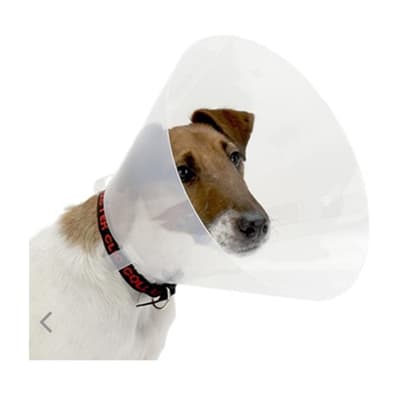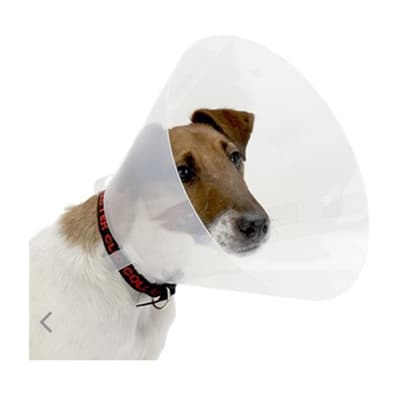
Quick answer: The ideal time to neuter a cat is 6–9 months, before the first heat; for female cats especially, neutering at this stage can greatly reduce breast cancer risk. Although surgery is routine, the first seven days after the operation require strict use of an Elizabethan collar, keeping the wound dry, avoiding jumping, and attending follow-up appointments—Hong Kong tenement buildings and village houses need extra precautions against escape and urine marking.
Neutering is part of responsible cat ownership widely recommended by animal organisations: health-wise it reduces the risk of breast cancer and pyometra; behaviour-wise it reduces yowling, urine marking and escaping; socially it helps control the stray cat population. Most cats are advised to be neutered at 6–9 months, before the first heat, but the actual timing should be assessed by your vet based on weight and development. The surgery itself is routine; post-op care is the real work—this article explains it all.
Quick choices: cat neutering at a glance
| Your question | Direct answer | See section |
|---|---|---|
| When should a cat be neutered? | Female cats around 6 months, before heat; male cats 6–9 months, once weight is adequate | Timing |
| Is it worth doing? | Health: lowers breast cancer and pyometra risk; behaviour: reduces yowling, urine marking, escaping | Benefits of neutering |
| What to prepare before surgery? | Fast as directed by the clinic, prepare a carrier and Elizabethan collar | Pre-op preparation |
| How to care after surgery? | Use a cone, rest quietly, keep the wound dry, attend follow-ups | Post-op care |
| When to return the same day? | Wound bleeding or pus, refusing food over 24 hours, persistent vomiting | Post-op triage |
| Hong Kong cost reference? | Female cats about HK$1,800–4,000, male cats about HK$1,200–2,500 (including anaesthesia and surgery) | Cost |
Surgery is routine, but no anaesthetic is risk-free; pre-op health checks and choosing a good vet are key to reducing risk. Consult your registered veterinarian with any questions.
Benefits of neutering: health, behaviour, society
Health:
- Female cats greatly reduce breast cancer risk—most pronounced when neutered before the first heat
- Avoid pyometra, ovarian cancer and other reproductive diseases
- Male cats reduce prostate-related problems
- Reduce fight injuries and infectious disease risks from mating and territory disputes
Behaviour:
- Reduce yowling in female cats—night-time crying bothers many small Hong Kong flats
- Reduce urine spraying and marking in male cats
- Reduce escaping and going missing during heat—tenement windowsills and village house doorways are especially high-risk
- Generally calmer, less restless roaming
Society:
- Effectively controls stray cat numbers, consistently recommended by animal welfare organisations
- Reduces abandonment and accidental breeding problems
Tip: Remember the three benefits—health (less breast cancer/pyometra), behaviour (less yowling/spraying/escaping), society (controls strays). Neutering female cats before their first heat is most critical for lowering breast cancer risk.
When to neuter? How to discuss timing with your vet
Common recommended schedule:
| Subject | Recommended timing | Key point |
|---|---|---|
| Female cat | Around 6 months, before heat | Before heat greatly reduces breast cancer risk |
| Male cat | 6–9 months | Once weight is adequate |
| Already in heat/given birth | Follow vet's advice | Can still be neutered, same benefits |
- Not too early: if development is incomplete and weight insufficient, anaesthetic risk and surgical conditions are not ideal
- Not too late: female cats that miss the pre-heat window have reduced breast cancer prevention benefit
- Every cat is different: breed, weight and health all affect timing
Important: There is no one-size-fits-all timing—ask your vet, who will assess weight and development. If unsure whether your cat is suitable, book a pre-op check to discuss.
Timing for female cats and kittens: two most common scenarios
| Scenario | Recommended timing | Reason |
|---|---|---|
| Female cat (not yet in heat) | Around 6 months, before heat | Neutering before heat is most beneficial for reducing breast cancer risk |
| Female cat (already in heat/given birth) | Follow vet's advice | Can still be neutered, same benefits |
| Male cat | 6–9 months | Once weight is adequate |
| Kitten (young) | Vet assesses based on weight and development | Incomplete development and low weight mean anaesthetic risk and surgical conditions are not ideal |
| Cryptorchid male cat | Check if testes not descended by 6 months | Retained testes may develop cancerous changes; better handled young |
Why neuter female cats early? Because neutering before heat gives the greatest breast cancer prevention benefit; missing this window reduces the benefit. Do kittens need to be rushed? No—weight and health are the deciding factors; the vet will assess heart and lungs, weight, temperature and vaccination/deworming records before surgery.
In Taiwan (similar to Hong Kong) most recommend 5–6 months; in the US most recommend 2 months. In Hong Kong, local vets generally assess each cat individually—do not guess on your own.

What to prepare before surgery?
- Pre-op assessment—vet checks weight and health; some clinics recommend blood tests
- Fast as directed—empty stomach before anaesthesia; exact hours follow clinic instructions
- Prepare a carrier—for transport on the day only; sturdy and ventilated
- Prepare supplies—Elizabethan collar, clean soft bedding, quiet corner
- Note follow-up dates—book suture removal/check-up on surgery day
Post-op care: the first seven days are critical
- Use an Elizabethan collar—prevent licking the wound; this is the first post-op task; if sutures are loosened by licking, they must be redone
- Rest quietly—no jumping or play that stimulates the wound; keep the cat off cabinets temporarily
- Keep the wound dry—no bathing for several days; keep clean and dry
- Monitor appetite and energy—poor appetite and lethargy in the first day or two are common and usually improve within days
- Check the wound—look daily for redness, swelling, discharge or opening
- Attend follow-ups—do not miss suture removal and checks
Tip: Post-op care mantra—collar, quiet, dry, follow-up. Most complications come from licking the wound and missed follow-ups.
When to see a vet? Post-op warning signs
If any of the following occur, contact your vet promptly—do not wait another two days:
- Wound redness, swelling, pus, opening or odour
- Complete refusal to eat for over 24 hours
- Extreme lethargy, weak response, persistent huddling
- Persistent vomiting or obvious difficulty breathing
- High or low temperature, pale gums
- Abnormal urination or defecation (e.g. male cat not urinating in litter box after surgery)
Do I need to adjust diet after neutering?
After neutering, hormonal changes lower basal metabolic rate and activity may decrease, so calorie needs are lower than before. Without adjusting portions, weight gain is easy. Practical steps:
- Switch to timed, measured feeding; reduce free feeding
- If weight keeps rising, adjust portions or switch to a weight-control formula
- Increase play time; use wand toys to restore activity
- Weigh monthly and record the number
Obesity itself brings urinary, joint and metabolic problems, so weight management after neutering is a long-term task.
Common myths about cat neutering
Myth 1: "Isn't neutering just castration—so cruel?" Neutering is routine surgery with standard anaesthesia and pain relief; cats usually recover quickly. Conversely, unneutered cats face heat anxiety, traffic accidents from escaping, fight infections and reproductive diseases—a much higher cost.
Myth 2: "Better to let her have one litter first?" This is the most common misconception. Medically there is no evidence that having a litter improves health; on the contrary, neutering a female cat before her first heat is most beneficial for reducing breast cancer risk. Cat pregnancy lasts about two months and a litter can have multiple kittens; if you cannot responsibly rehome all kittens, neutering is the responsible choice.
Myth 3: "Indoor cats don't go out, so no need to neuter?" Indoor cats still come into heat: night-time yowling, reduced appetite, restlessness and trying to escape—one careless moment with a window or door and they're gone. Heat behaviour is stressful for the cat too.
Myth 4: "Neutering always makes them fat?" Weight gain is caused by not adjusting food intake, not the surgery itself. After surgery, switch to timed, measured feeding and increase play—weight is fully controllable.
Timing with vaccines and quarantine
New owners often ask: vaccines, neutering—together or separate? General principles:
- Complete core vaccines first; arrange surgery once stable, with the exact order following your vet's plan
- Avoid extra stress such as changing food, bathing or moving house for a week before and after surgery
- At suture removal, ask the vet to check vaccine booster progress
Put vaccines, neutering and annual checks on one schedule so nothing is missed and you don't need frequent clinic visits.
What you can do today: neutering decision checklist
- Note your cat's age in months and weight; book a vet assessment for timing
- If your female cat has not been in heat, book a discussion about pre-heat neutering early
- Buy an Elizabethan collar in advance and prepare a quiet recovery corner
- Switch to timed, measured feeding after surgery and weigh monthly
- If unsure about surgery details, ask about anaesthetic method and follow-up arrangements beforehand
Neutering is an important step in responsible cat ownership; diet and weight management afterwards also affect your cat's whole life. PetChill's cat food reviews and nutrition guides can help you make the right choices at the food bowl.
This article is for reference only; consult a registered veterinarian for any concerns.
Further reading
PetChill new owner team — Hong Kong's most authoritative pet knowledge platform
Hong Kong housing-specific post-op practical guide: tenement buildings, village houses, subdivided flats
Hong Kong's cramped living spaces, ageing buildings and special ventilation design mean post-op care must be adapted to the local environment. Tenement building residents should pay special attention: after surgery, hormonal fluctuations and pain can make cats restless and prone to climbing; windowsills, balcony railing gaps and even air-conditioner units are high-risk escape points. Before surgery, reinforce all gaps with safety nets or tape; for the first three days after bringing the cat home, temporarily remove high cabinets and TV cabinet tops as jumping targets, and lay thick soft mats on the floor to reduce fall injury risk. Village house families should check that the main door latch is tight and that backyard fences have no loose boards or wire mesh holes; avoid letting the cat outside for a week after surgery, even if it usually roams freely—switch to indoor activity temporarily. In subdivided flats or open-kitchen units, watch for the cat hiding under cabinets or behind the washing machine; check at least twice daily with a torch to ensure adequate water and quiet rest space. For all housing types, convert the carrier into a short-term recovery box—with soft bedding, a water bowl (spill-proof), and a no-lid litter tray (height not exceeding 5cm)—placed away from corridors, lift noise and neighbour renovation noise. Also, Hong Kong's humid weather means the wound area should be gently dabbed dry with a clean tissue daily; never use a hairdryer or alcohol. If fur near the wound is slightly damp and matted, there may be minor discharge—book a follow-up a day earlier rather than waiting for obvious redness. Finally: whatever your home, attend the suture removal appointment—do not delay due to transport inconvenience or thinking "it seems fine". Hong Kong vet clinics are generally fully booked; a delay may mean waiting several more days, increasing infection risk.
🩺 2026 update: book key points (anaesthetic risk, cryptorchidism, cotton bud myth)
The book Cat Family Medicine Encyclopedia states directly: no anaesthetic is risk-free, so pre-op health checks and choosing a good vet are key to reducing risk. If a cat has heart disease that is not detected beforehand, the chance of danger during surgery greatly increases; if a problem is found, the vet can choose an appropriate anaesthetic method and pre-treat.
Cryptorchidism should be handled early
The book notes that if a cat's testes have not descended into the scrotum by 6 months of age, it is cryptorchidism. This defect is hereditary; testes retained under the skin or in the abdomen are constantly at high temperature and may develop cancerous changes, so surgery to remove the retained testis should be done young. If you can only feel one testicle in your male cat, tell your vet and arrange an examination.
Pre-op check key points
| Item | Content | Why important |
|---|---|---|
| Physical examination | Heart and lung auscultation, weight, temperature | Assess anaesthetic risk |
| Blood tests | Complete blood count, liver and kidney function (depending on age and clinic) | Screen for hidden disease in older cats |
| Vaccination and deworming records | Confirm vaccinated and dewormed | Avoid infection risk during surgery |
| Heat/pregnancy status | Confirm in female cats | Affects surgical arrangement and risk |
| Anaesthetic plan | Gas anaesthesia + monitoring | Shortens recovery time, improves safety |
The "cotton bud" myth
Some online claims suggest home remedies for heat behaviour, but the book does not recommend any home intervention; heat is a natural reproductive behaviour, and the only practical solution is neutering. Home intervention can injure or infect the cat and is not advised.
Hong Kong neutering cost ranges (verified 2026-10)
| Item | Price | Source |
|---|---|---|
| Cat neutering package (general range) | HK$500–2,000 | VEC Hong Kong 24-hour vet clinic public article |
| Pre-op assessment daytime consultation | HK$250 | HKSEV public fees |
| General daytime consultation | From HK$350 | LAMCVET public fees |
| Night/emergency consultation | HK$600 | LAMCVET public fees |
Note: Prices vary greatly by clinic, district, cat weight, whether in heat or pregnant, and whether blood tests are included. Before deciding, ask clearly whether the "package includes anaesthesia, medication, follow-up, blood tests", as extra items are common. All above are reference prices.
7-day post-op care table
| Day | What to do | What to observe |
|---|---|---|
| Day 0 (same day) | Fast as directed by clinic; place in quiet, warm space at home | Recovery response, temperature, vomiting |
| Day 1 | Offer small amounts of water and easily digestible food; no lifting or jumping | Drinking, energy, wound bleeding |
| Day 2 | Check wound: dry, no redness; check scrotum in male cats | Wound colour, discharge |
| Day 3 | Short activity allowed, but limit jumping up and down | Appetite recovery |
| Day 4–5 | Observe defecation and urination; keep toilet area clean | Bowel movements, urine volume |
| Day 6 | Check ointment/oral medication completed on time | Scratching or licking wound |
| Day 7 | Follow-up (as arranged by clinic); confirm wound healing | Energy, weight, wound closure |
🟢🟡🔴 Post-op triage: when to wait, when to return the same day
| Situation | Triage | Advice |
|---|---|---|
| Wound dry, appetite gradually returning | 🟢 | Attend follow-up as scheduled |
| Poor energy, not wanting to eat on the day | 🟢 | Common after anaesthesia, usually improves within 24 hours |
| Slight wound swelling, a little redness | 🟡 | Observe and keep clean; do not apply medication yourself |
| Frequent licking of wound | 🟡 | Use clinic-provided collar/anti-lick suit |
| Wound bleeding, pus, obvious swelling | 🔴 | Return same day |
| Refusing food over 24 hours, persistent vomiting | 🔴 | Return same day |
| Rapid breathing, low temperature, crying in pain | 🔴 | Contact emergency immediately |
What owners can do (3 days before to 7 days after surgery)
- 3 days before surgery clean the home and prepare a quiet area about 1×1 metre (cat bed, water bowl, litter tray), avoiding jumping.
- The night before fast as directed by the clinic (usually 8–12 hours) and limit water; do not change the timing yourself.
- 24 hours after surgery offer only plain, easily digestible food, starting with half the usual portion.
- Check the wound twice daily (at fixed times, e.g. morning and evening); take photos with your phone for comparison.
- Limit jumping for 7–10 days: put away high steps, avoid wand toy jumping games, use floor-based interaction instead.
- Keep the litter tray clean (scoop the litter twice daily) to avoid wound contact with waste.
How this fits with other items
- Pre-op deworming → Pet deworming guide
- Vaccine and neutering scheduling → Cat vaccine schedule
- Adjusting food after surgery → Cat calorie calculator
- Do supplements help? → Cat vitamin supplements
- When to do post-op checks → Pet annual check-up
Related products (available in Hong Kong, checked 2026-10-13)
- Buster Clic Collar transparent collar 15cm — reference price HK$48 (post-op anti-lick, choose size by neck circumference)
- Buster Clic Collar transparent collar 20cm — reference price HK$52 (post-op anti-lick)
- DONO pet training pads (extra large) — reference price HK$128 (useful for post-op or senior cat care, easy to clean)
Related articles
- Cat food recommendations Hong Kong: dry/wet food selection criteria and monthly budget → (calorie needs drop after neutering; adjust food type and portion)
- Cat calorie calculator | RER/MER formulas + wet/dry food gram conversion table →
- Pet annual check-up | When to do, what items, cost reference →
- New cat owner checklist | Hong Kong pre-cat preparation, supplies, budget complete guide →
References
- AAFP Position Statement: Pediatric Sterilization in Cats
- AAFP Pediatric Sterilization in Cats (PMC full text)
- VEC Hong Kong 24-hour vet clinic: Hong Kong cat neutering package price range
- HKSEV: cat neutering prices and pre-op assessment
- Agriculture, Fisheries and Conservation Department (AFCD) — Hong Kong pet health information
- Book references: 74 Cat Family Medicine Encyclopedia, 68 First-Time Dog Owner's Universal Encyclopedia
The above is for reference only and cannot replace veterinary diagnosis and treatment. Consult your registered veterinarian for neutering timing, anaesthetic assessment and post-op medication.
📌 Key summary
- ✅ Neutering female cats before their first heat is most effective for preventing breast cancer
- ✅ An Elizabethan collar must be worn for the first seven days after surgery to prevent licking and suture loosening
- ✅ Calorie needs drop after neutering; switch to timed, measured feeding and weigh monthly
- ❌ Do not wait for a litter before neutering—there is no medical health benefit and it increases risk
- ❌ Indoor cats also come into heat, yowl, spray and try to escape; neutering applies regardless of housing
- ❌ Pre-op fasting times must strictly follow clinic instructions; do not guess