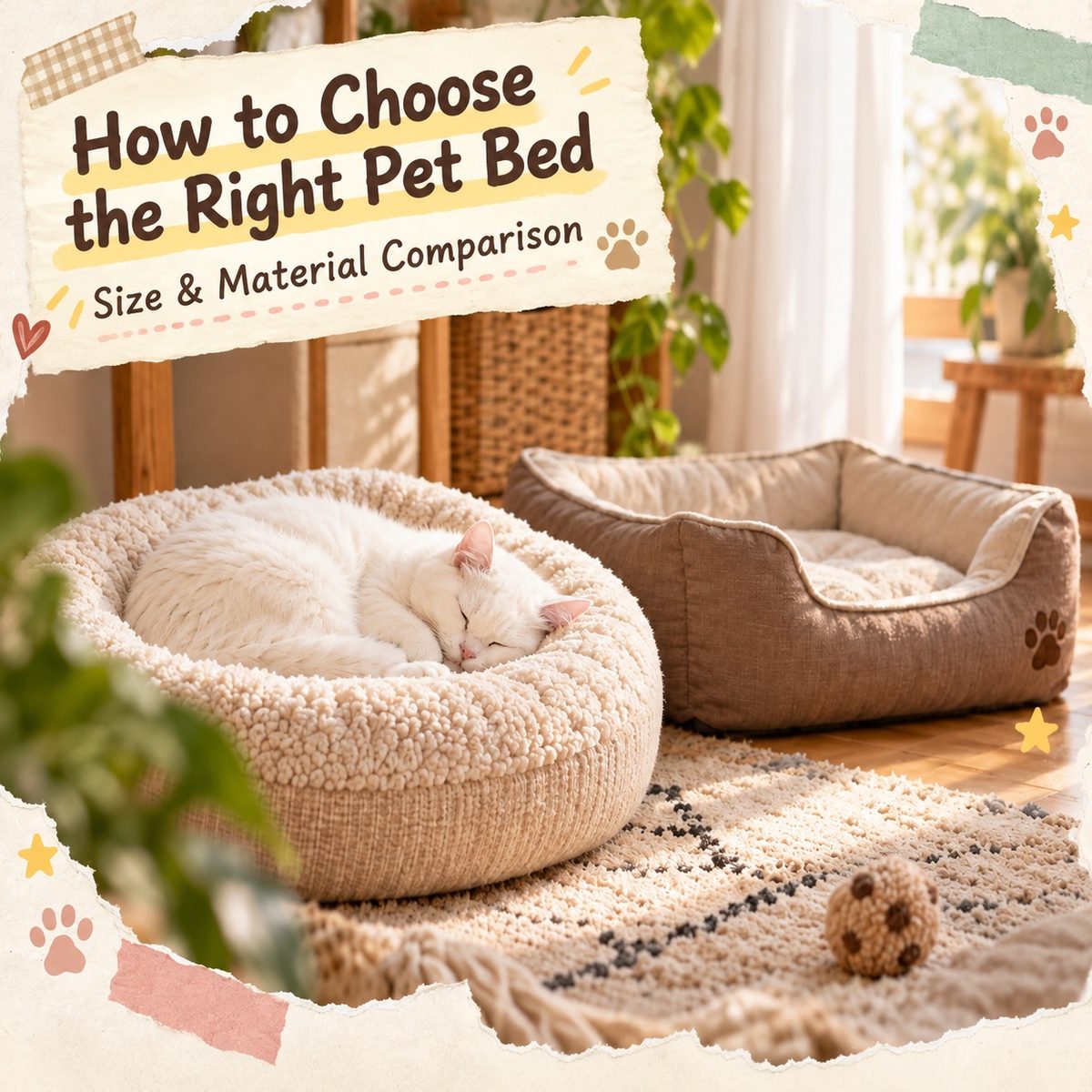
Quick answer: The most important things when choosing a pet bed are that it's big enough for your pet to fully stretch out, has a removable, washable cover, is warm in winter and can be swapped for a thinner mat in summer, and for older cats and dogs, add memory foam for joint support. Washing weekly suits Hong Kong's damp, cold climate.
In one sentence, the key points for a pet bed: choose one that's big enough to stretch out on, doesn't shed, has a removable, washable cover, and is warm enough in winter, wash it weekly, and for older cats and dogs, add an extra soft mat for joint support. Whether your cat prefers a bolster or a flat mat, and whether your dog needs memory foam, we break it down item by item below.
Do cats and dogs need a pet bed?
Many owners hesitate: since cats and dogs end up sleeping on the sofa or human bed anyway, is it worth buying a bed? The answer is yes, at least they need "their own place":
- Warmth and security – having their own territory helps cats and dogs sleep soundly, especially timid or older pets.
- Joint support – older cats and dogs are prone to joint problems, and a soft bed is much more comfortable than a hard floor; this becomes more important with age.
- Less competition for the human bed – with a comfortable bed of their own, training them to "sleep in their own spot" is easier.
- Cleanliness and hygiene – fur and dust mites stay on the pet bed; washing it regularly keeps your bed cleaner too.
A simple sign to watch: if your cat often hides under the sofa, sleeps in corners, or sleeps in boxes, it means they want their own spot.
What are the four types of pet beds?
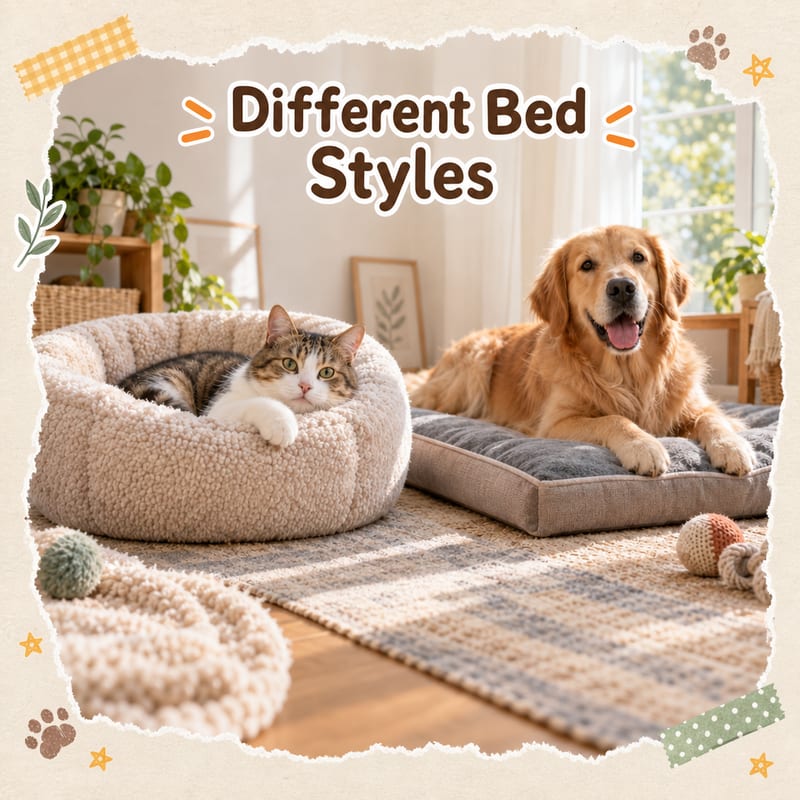
1. Flat mat – the simplest and cheapest, easy to clean, suitable for most dogs and easy-going cats. 2. Bolster bed – raised edges all around to lean against, strong sense of security, especially popular with cats. 3. Warming bed – thick fleece locks in warmth, suitable for pets that feel the cold, older pets, and those with joint discomfort, especially useful in Hong Kong's damp cold winters. 4. Pet cave – enclosed covered design, cats love to hide inside, gives timid cats peace of mind, but watch out for stuffiness in summer.
| Type | Suitable for | Notes |
|---|---|---|
| Flat mat | Dogs, easy-going cats | Easiest to clean |
| Bolster bed | Cats and dogs that like to lean | Edges should be firm enough to support |
| Warming bed | Young and old, cold-sensitive | Can be put away in summer |
| Cave | Timid cats | Ventilation, don't let it get too stuffy |
Hong Kong living spaces are mostly small, with limited room – buying two small washable beds and placing them separately in the living room and bedroom is often more practical than one large bed, so your cat can sleep anywhere.
How to choose a pet bed? Four key points
- Size – measure from nose to tail base when stretched out; the bed must be big enough for them to fully stretch out, bigger is better than smaller.
- Material – choose fabrics that don't shed or trap dust easily; cats and dogs will lick and chew, so avoid loose threads and small zipper pulls.
- Removable and washable – a removable cover is a must; a bed that can't be washed basically can't be kept hygienic long-term.
- Warmth – Hong Kong's spring humidity and damp cold winters make a warming bed or blanket very practical.
Two more advanced considerations: non-slip base (so the bed doesn't move when your dog jumps around) and height (for older dogs getting in and out, too small or too high is tiring).
Where to place it and how to get them to start using it?
Placement affects whether your cat or dog uses the bed. Three principles: quiet, not in the way of foot traffic, and appropriate temperature. Cats like to sleep near wall corners where they can see all around; dogs mostly choose areas where their owner is active. Avoid windy spots or placing directly on floor tiles – tiles get cold in winter and can affect joints.
Three tricks for the adjustment period: put a used towel or an old blanket they sleep on in the bed so it has a familiar scent; feed treats on the bed to create a "bed = good things" association; and for the first few nights, place the bed a little closer to where you sleep. Most will start using it within one or two weeks. Do note: if your cat or dog suddenly stops using their usual bed and hides in corners or won't sleep in their fixed spot, it could be a sign of discomfort, so don't just assume they "don't like the bed".
How often to clean?
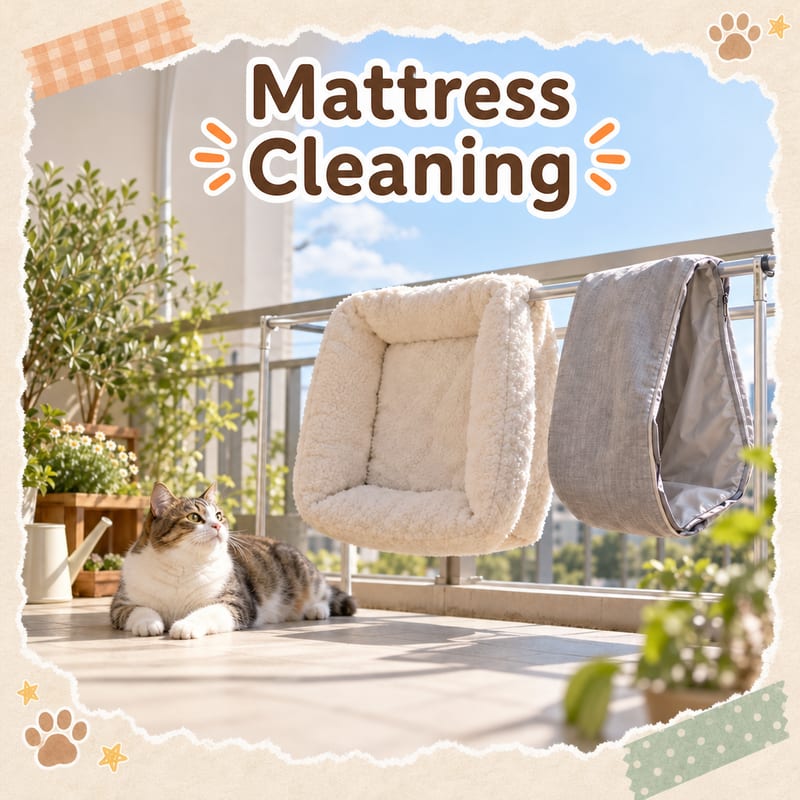
- Wash the cover weekly – this is only possible with a removable, washable design.
- Remove fur daily – use a lint roller or broom to deal with surface fur and reduce dust mite buildup.
- Watch for odours and dampness – a damp inner cushion can breed bacteria and mould; take extra care in Hong Kong's humid weather and replace the inner cushion when necessary.
- For cats and dogs with sensitive skin, use unscented, pet-safe laundry products when washing to avoid chemical residue.
Pet beds are gathering places for fur, dust mites, and bacteria – not cleaning enough can turn them into a source of skin problems – don't just choose looks over washability.
When do you need extra thick support?
In the following cases, you need not just a bed but a thick or memory foam one: older pets that hesitate when getting up or are slower on stairs; post-surgery recovery; overweight dogs. If your pet is unsteady for the first few steps after waking up or won't let you touch their back or lower back, it could be a sign of joint problems – consult a registered veterinarian and don't rely on just changing the bed.
How to choose materials? A look at common fabrics
- Memory foam: best support, top choice for older dogs with joint issues; choose high-density true foam – cheap shredded foam filling collapses in a month or two.
- Foam / PP cotton: mainstream for affordable soft mats, comfortable but average lifespan, suitable for healthy adult dogs and cats.
- Fleece / faux cashmere surface: warm and skin-friendly, popular in Hong Kong winters; catches fur easily, so lint-roll frequently.
- Cooling / ice silk fabric: an alternative to stuffy cave beds in summer, suitable for heat-sensitive flat-nosed dogs and older cats.
- Canvas Oxford outer layer: bite-resistant and durable, suitable for small dogs and cats and pets that like to dig at their beds.
Do you need a bed in summer? Yes – but switch to a thinner version or a cooling mat; don't use the same thick bed all year round. Pets will jump between cool floor tiles and the bed themselves – this is normal temperature regulation, so don't force them to sleep in the bed.
Bed selection chart for different pets
| Pet type | First choice | Add-on | Avoid |
|---|---|---|---|
| Kittens and puppies | Small bolster mat | Washable fabric | Too large a bed (no sense of security) |
| Medium to large adult dogs | Thick flat mat | Bite-resistant fabric | Small bed (can't sleep steadily) |
| Adult cats | Bolster bed / cave | Spot by the window | Open flat mat |
| Older cats and dogs | Thin memory foam bed | Low entrance, non-slip base | Too high or too soft sinking spots |
| Post-surgery recovery | Waterproof bed | Replaceable inner core | Long plush that gets dirty easily |
If you place two types, observe for a week – whichever they sleep in is the one to thank. Don't force your pet to use a particular bed just because "it was expensive".
Multi-cat households don't need one bed per cat – cats will take turns using the same bed, but each cat needs its own "safe spot"; for dogs it's the opposite – one bed per dog is more stable to avoid conflicts over beds. If budget is limited, prioritise: removable/washable > right size > support > appearance.
When should you replace an old bed?
A pet bed isn't a one-time investment; retire it if any of the following occur: the inner cushion has collapsed in one spot and you can feel the floor when lying on it; it's washed to the point of fading and pilling, and still releases
an odour when pressed after washing; the outer fabric is chewed through and foam is exposed. Generally, a healthy pet's bed lasts one and a half to two years; for an older dog with joint problems, if the memory foam loses its rebound, the support function is gone in name only – replacing it in time is more practical than buying new toys.
What you can do starting today
- Take a photo of your cat or dog's usual sleeping spots to understand their preferred height and location, and use the photo to choose where to place the bed before buying.
- Measure once from nose to tail base and note down the right size.
- Check whether your current bed has a removable, washable cover; if not, put it on the replacement list.
- Considering the humid weather, also check out the rainy season damp-proofing guide and the water fountain guide to upgrade your home supplies all at once.
Further reading: Pet product buying guide, Pet water fountain, Cat toys. This article is for reference only; consult a registered veterinarian if in doubt.
Related product recommendations
You don't need many daily items, just the right ones. Here are some related products available at PetChill:
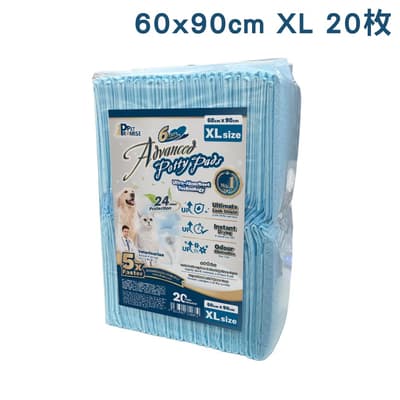
- Pet Promise pet pee pads dog pee pads dog diapers lightweight thickened version [60x90 XL size 20 pieces] - limited-time offer (Pet Promise) – skin and coat care
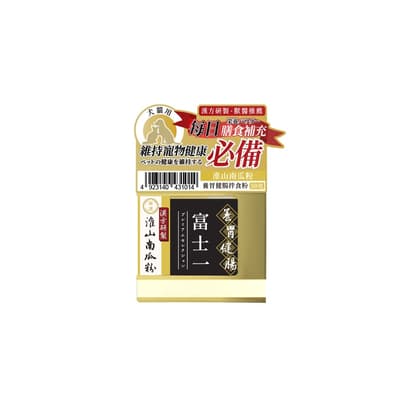
- Fujiichi Chinese herbal formula Chinese yam and pumpkin meal topper stomach health formula 50g (for cats and dogs) (Fujiichi) – available at PetChill
Want to see more: Pet Promise brand guide
Product prices and latest offers are subject to the product page; this article is for reference only.
📌 Key takeaways
- ✅ Measure from nose to tail base; the bed must allow full stretch
- ✅ A removable, washable cover is a must, otherwise it's hard to maintain hygiene long-term
- ✅ Young and old pets feel the cold; a warming bed or blanket is essential for Hong Kong winters
- ❌ Don't buy too large a bed for kittens or puppies – it gives no sense of security
- ❌ Once memory foam collapses, it loses support; replace every one and a half to two years
 Pet Promise full guide →
 Fuji One full guide →


 Fuji Cat full guide →