CANAGAN, ZiwiPeak, GO! SOLUTIONS, Wellness CORE, Instinct, Catit and Fuji-ichi freeze-dried are the cat and dog food brands Hong Kong pet owners most often compare. The key to choosing food is not which brand has the best reputation, but whether the packaging shows a "Complete & Balanced" claim, whether it matches the life stage, and whether it meets international standards such as AAFCO or FEDIAF; prescription diets must be diagnosed and followed up by a veterinarian.
Quick answers
- Brand reviews can only be a reference, not a conclusion. What really matters is whether the packaging shows "Complete & Balanced", whether it matches the life stage, and whether it meets international standards such as AAFCO or FEDIAF.
- CANAGAN, GO! SOLUTIONS, Wellness CORE, Instinct, Catit and ZiwiPeak each have their own positioning: grain-free high protein, air-dried high meat content, freeze-dried raw, accessory ecosystem — there is no such thing as "one brand that is definitely right for everyone".
- Prescription diets are therapeutic diets and must be diagnosed and followed up by a veterinarian; mixing a prescription diet with regular food dilutes the formula and makes condition control unstable.
- Mixing foods is not necessarily harmful, but mixing two complete foods long-term will unbalance the nutritional ratio and make calorie and condition monitoring inaccurate. When changing food, follow a seven-day transition: 75% old food, 50%, 25%, and finally zero.
- The logic behind choosing novel proteins (duck, venison, rabbit, insect) for allergic cats is "never encountered before", and an elimination diet trial must be led by a veterinarian.
- The dietary directions for diabetic cats and kidney-disease cats are different: the former focuses on low carbohydrates and weight management, the latter on phosphorus control and quality protein balance; both require adjustment through blood tests and follow-up visits.
Key summary
- Look at the label before the reputation: The AFCD's "Pet Food Safety Guidelines" advise paying attention to the "Complete & Balanced" claim, prioritising brands with a professional team and certifications such as HACCP/ISO, and matching the pet's age.
- Positioning of six common brands: CANAGAN has a full grain-free range, ZiwiPeak is air-dried with high meat content, GO! SOLUTIONS has many ranges, Wellness CORE is high protein, Instinct focuses on freeze-dried raw, Catit extends from accessories to food; Fuji-ichi freeze-dried and YORA insect protein are alternative choices.
- Prescription diets are not expensive regular food: They are designed for conditions such as kidney disease, diabetes, urinary, gastrointestinal or allergies, and how long to use them and how to combine them with medication must be decided by a veterinarian.
- Know how to read nutritional standards: Protein level cannot be judged by a single percentage; wet and dry food must be converted on a dry matter basis; vitamin E supplementation should first identify the cause of deficiency, and sunflower oil is not the first choice; vitamin K is mainly responsible for blood clotting, not the mainstay of the immune system; cats can synthesise vitamin C themselves.
- Two most practical things about buying food in Hong Kong: Buy from authorised and reputable channels, and store dry and wet food according to package instructions (refrigeration and freezing each have temperature requirements).
- Stop using if anything is abnormal: If the food has an odour, mould, discolouration or damaged packaging, stop using it immediately and keep the receipt for follow-up; if ingested by mistake or if there is persistent vomiting or lethargy after eating, see a veterinarian immediately.
What are the differences between CANAGAN, ZiwiPeak, GO! SOLUTIONS, Wellness CORE, Instinct, Catit and Fuji-ichi freeze-dried reviews?
Before comparing brands, set three bottom lines first, otherwise it is easy to be led away by reputation.
First, complete foods must be labelled "Complete & Balanced" and meet standards of international bodies such as the Association of American Feed Control Officials (AAFCO) or the European Pet Food Industry Federation (FEDIAF), or standards adopted by the regulatory body of the country of origin.
Second, they must match the life stage (junior, adult, senior); a mismatch will cause nutritional imbalance.
Third, check whether the brand has a professional team, reliable contact information and factory certifications such as HACCP or ISO.
These three points are the key recommendations of the AFCD's "Pet Food Safety Guidelines" (official guidelines page), and are also the premise of any brand review.
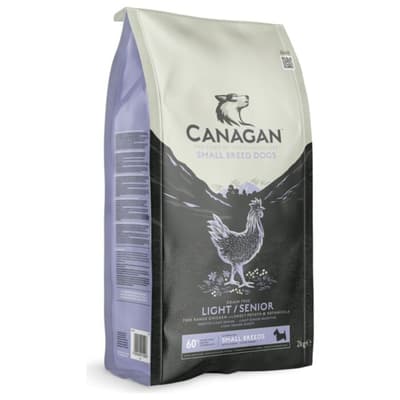
CANAGAN: A common grain-free range brand in Hong Kong, with very finely divided formulas, for example the grain-free free-range chicken senior formula has small kibble and small-breed versions, plus the fussy eater range's chicken & duck and chicken & salmon formulas. Pet owners' reviews mostly revolve around ingredient list transparency and palatability. Note: changing flavour is actually changing food; different flavours of the same brand have different protein sources and also require a transition.
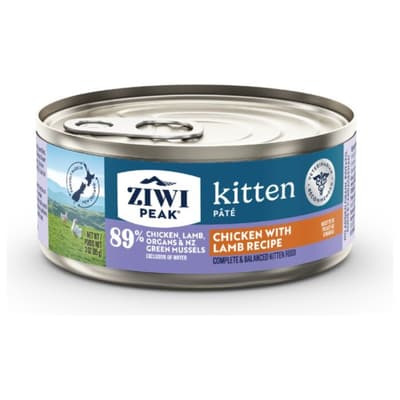
ZiwiPeak: Known for its micro-steamed air-dried and air-dried processes, with high meat content and relatively higher moisture than ordinary dry food, and also cans and kitten formulas. The advantage is a concept close to raw meat without the need to handle raw meat; note the high calorie density and relatively high price, which makes overfeeding and overweight very easy, so portions must be weighed; opened cans must be refrigerated and eaten as soon as possible.
GO! SOLUTIONS: A Canadian brand with many ranges, such as the sensitivity & shine range and the nine-meat range, with dry food, cans and freeze-dried all available. Many ranges are both an advantage and a trap: different formulas of the same brand have different life stages and ingredient ratios, so read the label of each bag before buying; when shopping online, also check the best-before date and do not buy near-expiry products just because they are cheap.
Wellness CORE: A range positioned as high protein and grain-free, and easily confused with the everyday-formula WELLNESS name. Before buying, check clearly the range name and protein source on the packaging; if the pet owner only wants everyday feeding, it is not necessary to choose the highest-protein range; if the cat is highly active or needs to build muscle, discuss with a veterinarian.
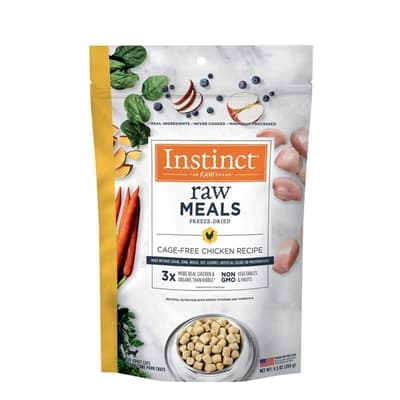
Instinct: Focuses on freeze-dried and raw concepts, such as the grain-free ultimate protein range and freeze-dried adult cat raw complete food. Sales channels in Hong Kong are mainly authorised pet shops, pet chains, veterinary clinics, and the brand's official or authorised online stores; the AFCD guidelines also remind people to buy from reputable and authorised channels and avoid sources of unknown origin. After opening freeze-dried products, moisture protection is most important; keep them sealed.
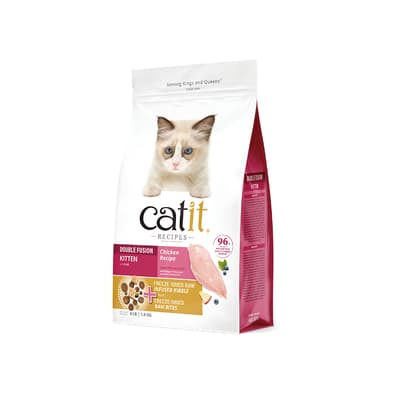
Catit: What everyone is most familiar with is actually water fountains, litter boxes and toy accessories; only in recent years has it extended to cat food, such as the Catit Recipes royal range kitten formula. The reason for its popularity is the complete accessory ecosystem, easy availability in Hong Kong and consistent design; but buying food and buying accessories are two different things — food must be judged on nutritional standards, life stage and ingredient list, and you cannot assume the complete food is fine just because "the brand's stuff is quite good".
Fuji-ichi freeze-dried: Mainly freeze-dried raw bone-in complete food, such as venison, squab and ostrich formulas, plus freeze-dried treats such as dehydrated chicken shreds. The advantages are convenience, relatively high protein and moisture, and easy rehydration with water; it is a common option for animals that need to increase water intake or need a novel protein. As for the place of origin and manufacturer, this article will not fill them in by guesswork: the correct approach is to check the place of origin and manufacturer markings on the packaging, or verify with the authorised distributor and customer service.
YORA: Uses black soldier fly larvae (insect protein) as the main animal protein source, positioned as an alternative protein and sustainable route. For cats and dogs suspected of sensitivity to meat or fish, insect protein is one of the novel protein options, but it must also meet the complete and balanced standard, and a veterinarian should be consulted before switching, because allergy investigation requires an elimination diet trial and other foods cannot be mixed in midway.
| Brand | Main direction | More obvious advantages | Points to note |
|---|---|---|---|
| CANAGAN | Grain-free, finely divided ranges | Transparent ingredient list, many flavour choices, small-breed and senior formulas | Changing flavour means changing food; re-transition required |
| ZiwiPeak | Micro-steamed air-dried, air-dried, cans | High meat content, higher moisture, kitten formulas | High calorie density and price; portions must be weighed |
| GO! SOLUTIONS | Multiple ranges, sensitivity & shine | Full dry, wet and freeze-dried range, many choices | Standards and stages differ by range; read each bag's label |
| Wellness CORE | High protein, grain-free | High protein ratio | Easily confused with the same manufacturer's WELLNESS range |
| Instinct | Raw, freeze-dried | Freeze-dried complete food is convenient, protein sources clear | Moisture protection after opening; buy only from authorised channels |
| Catit | Accessories driving food | Complete accessory ecosystem, easy to buy in Hong Kong | Accessory reputation does not mean food meets nutritional standards |
| Fuji-ichi freeze-dried | Freeze-dried raw bone-in complete food and treats | Easy rehydration with water, high protein | Place of origin and labelling must be checked on the packaging yourself |
| YORA | Insect protein, alternative novel protein | A novel protein source, can be an option for sensitive animals | Discuss with a veterinarian before switching; must meet complete and balanced standards |
For in-depth analysis of a single brand, you can refer to the site's brand reviews and authenticity verification methods and Hong Kong brand official goods authenticity guide.
What is the difference between prescription food and regular food? How do you know you are buying it the right way?
Prescription food (veterinary prescription diet) is not an "upgraded version of regular food" but a therapeutic diet: it adjusts nutritional ratios for specific conditions, for example kidney disease requires phosphorus control, diabetes requires carbohydrate control, urinary problems require mineral control, and gastrointestinal and allergy cases may require hydrolysed protein or a single novel protein.
Regular food only needs to meet complete and balanced standards, while prescription food must be prescribed by a vet based on diagnosis, blood test results and disease progression, so the purchasing method and follow-up method of the two are completely different.
| Item | Prescription food | Regular food (including premium, grain-free, natural ranges) |
|---|---|---|
| Design purpose | For a diagnosed condition, a therapeutic diet | To maintain the daily nutritional needs of healthy animals |
| Purchasing method | Generally requires a vet prescription or supply through clinics, authorised channels | Available at pet shops, official online stores, authorised distributors |
| Standard reference | Disease indicators and veterinary assessment (e.g. blood tests, urinalysis, blood glucose curves) | Complete and balanced labelling, AAFCO/FEDIAF standards, life stage |
| Can it be fed long-term | Yes, but requires regular vet rechecks and blood test follow-up | Yes, but must be adjusted according to life stage |
| Can it be mixed with regular food | Not recommended unless instructed by a vet | During food transition, can be mixed in proportions |
| Price and portion | Usually higher, portion must strictly follow instructions | Varies widely, expensive does not necessarily mean suitable |
There are several common misconceptions to clarify.
First, expensive does not equal suitable: the value of prescription food lies in matching the condition, not the price.
Second, mixing prescription food with regular food is not "more comprehensive nutrition" but diluting the formula, which distorts both the therapeutic effect and the monitoring data.
Third, buying prescription food online for another animal, or passing leftovers to another pet, should not be done, because each animal's condition and stage are different.
Fourth, prescription food cannot replace rechecks: the vet needs to adjust the formula and portion according to blood test results, and after the condition improves it may be possible to switch back to regular food.
To understand the practical use of prescription food and recheck requirements, you can read further on prescription food reviews and long-term use considerations.
How should protein content, vitamin E and vitamin K be understood?
Protein standards: Many pet owners only compare the protein percentage on the front of the packaging, but this approach is misleading.
First, what should be compared is the "dry matter basis", i.e. the ratio after deducting moisture; wet food has a high water content, so directly comparing percentages with dry food is unfair.
Second, the premise of high quality is meeting the lower limits and complete and balanced standards of international standards, not the higher the better; excessively high protein may not be suitable for animals with kidney disease, liver disease or pancreatic problems.
Third, look at the source: animal protein is essential for obligate carnivores like cats, and a high proportion of plant protein does not mean high quality.
Finally, the labelling must correspond to life stage, because the needs of kittens, adult cats and senior cats are different.
Any of the above should be discussed with a vet, and you should not decide on your own based on online comparison tables; for international reference you can see the WSAVA Global Nutrition Guidelines.
Vitamin E: Vitamin E is an antioxidant nutrient that mainly protects cell membranes from oxidative damage; deficiency can be caused by malabsorption, hepatobiliary or pancreatic disease, long-term intake of oxidised oils, etc. The approach is for a vet to diagnose the cause, then decide whether supplementation is needed and how much.
As for using sunflower oil to "supplement" vitamin E, vets generally do not recommend it: sunflower oil is mainly linoleic acid, its vitamin E content is relatively low, and the oil itself will oxidise if stored improperly, so adding oil yourself may make things worse. To understand the principles for choosing supplements, you can see how to choose pet vitamins and health supplements.
Vitamin K: The main function of vitamin K is to assist the activation of clotting factors and maintain normal blood clotting function; it is not a main nutrient of the immune system. "Vitamin K can boost immunity" is a common misconception: immunity is supported by overall nutrition, sufficient protein, antioxidant nutrients, vaccines and the living environment together.
If an animal shows uncontrollable bleeding, subcutaneous bleeding or accidental ingestion of anticoagulant-type poisons, it is an emergency and requires immediate veterinary attention, not self-supplementation with vitamin K.
Vitamin C: Cats and dogs can synthesise vitamin C themselves in the liver, and healthy cats and dogs generally do not need extra supplementation. Requirements may change when ill, after surgery, under long-term stress or with severe malnutrition, but whether to supplement and how much must be decided by a vet according to the situation; excessive supplementation is not without risk.
What are the risks of mixing food, transitioning food, and mouldy or insect-infested food?
Mixing food itself is not taboo; it depends on the purpose and proportion. Mixing during the transition period is standard practice; long-term mixing of two different staple foods is another matter.
| Mixing situation | Main risk | Recommended approach |
|---|---|---|
| Mixing during transition | Sudden complete change causes vomiting, diarrhoea | Follow the seven-day ratio: 75% old food, 50%, 25%, finally zero |
| Mixing prescription food with regular food | Dilutes the therapeutic formula, unstable condition control, distorted recheck data | Unless instructed by a vet, do not mix |
| Two different staple foods half and half long-term | Nutritional imbalance, total calories hard to calculate, weight out of control | Choose one as the staple food, use the other only as treats or a food topper |
| Adding freeze-dried or canned food to "supplement nutrition" | Calories and minerals exceed requirements | Deduct the amount from the main meal according to the packaging dosage |
| Adding wet food to increase water intake | Generally low risk, but canned food spoils easily after opening | Refrigerate after opening, consume within a short time, do not leave at room temperature for long |
| Mixing cheap food to save money | Nutritional standards and batch consistency hard to determine | Rather choose a qualified staple food in small packaging and control cost by portion |
For the correct way to change food, AFCD guidelines recommend a seven-day transition period: on days one to two, 75% old food with 25% new food; on days three to four, half and half; on days five to six, 75% new food; on day seven, fully switch to the new food. This pace is especially important for animals with sensitive stomachs. For detailed methods, you can see cat and dog food transition and gastrointestinal adaptation.
If the food shows mould spots or insect infestation, remember one principle: do not pick out the mouldy part and continue feeding. Mold hyphae and mycotoxins can spread throughout the whole bag, and the parts invisible to the naked eye carry the same risk, while insect infestation usually reflects damaged packaging or a damp storage environment.
The correct handling steps are: stop using immediately, seal the remaining food and packaging, keep the receipt and packaging label (batch number and expiry date are most important), take photos as a record, and contact the seller or importer for follow-up.
Taking PetChill as an example, customer service WhatsApp service hours are Monday to Saturday 09:30–18:30, and the platform has a seven-day return arrangement (goods must be kept in their original condition); if a suspected food safety issue is involved, you can also enquire with the relevant departments such as AFCD.
As for questions like "which brand has been found to exceed heavy metal limits", this article will not name any brand, because individual allegations that have not been officially announced cannot be treated as fact. The correct approach is to check official recall and warning announcements, such as the AFCD pet food safety guidelines page, and the American Veterinary Medical Association's pet food and product recalls and alerts; if you find a problem with a batch you have bought, keep the evidence and contact the seller according to the steps above.
How do you choose a novel protein for an allergic cat? What is the difference between the diets for diabetic cats and kidney disease cats?
The logic of choosing a novel protein for an allergic cat is actually very simple: if the cat has long been fed mainly chicken, beef and fish, the body may have an adverse reaction to these proteins, so the vet will recommend switching to a protein source it has "never been exposed to", such as duck, venison, rabbit, or insect protein, for an elimination diet trial.
There are three key points: one, the novel protein must be truly new to that animal itself; if it has eaten duck before, duck does not count as novel; two, during the trial, no other food, treats or human food may be sneaked in, and no other proteins may be mixed in; three, the duration and interpretation of results are led by the vet; many owners try for a few days on their own and draw conclusions, but the data is actually insufficient.
If the vet determines it is a food allergy, a hydrolysed protein formula is also a common direction; you can refer to hydrolysed protein cat food brands and principles.
The dietary approaches for diabetic cats and kidney disease cats are often lumped together, but in reality the differences are considerable.
| Comparison item | Diabetic cats | Kidney disease cats |
|---|---|---|
| Primary goal | Stabilise blood sugar, weight management, reduce insulin requirement | Slow decline of kidney function, control phosphorus, maintain nutrition and muscle |
| Carbohydrates | Both the International Society of Feline Medicine and iCatCare point out that low-carbohydrate diets help with control | When there is no diabetes, there is no need to deliberately go low-carbohydrate |
| Protein | Generally leans towards high protein, low carbohydrate, but must be paired with kidney function assessment | The focus is the balance between high-quality protein and phosphorus control, not simply low protein |
| Monitoring method | Blood glucose curve, weight, water intake and urine output, follow-up visits to adjust medication | Blood tests (creatinine, SDMA), blood pressure, urine protein, adjust treatment according to IRIS staging |
| Common mistakes | Reducing medication or adding meals on your own, randomly switching food, relying only on treats for hydration | Buying ordinary "low protein" food on your own as if it were a kidney disease formula, ignoring phosphorus content |
| Common principles | Cannot change medication on your own, cannot switch food suddenly, cannot stop follow-up visits | Same as left |
For dietary management of diabetic cats, the consensus guidelines of the International Society of Feline Medicine (ISFM) and iCatCare focus on weight management and dietary control, and emphasise that each cat's plan must be individually adjusted; for details see the iCatCare cat diabetes page.
Kidney disease cats, on the other hand, should be adjusted according to the staging and treatment recommendations of the International Renal Interest Society (IRIS); the official information is at the IRIS staging system.
The two can occur at the same time, so it is even more important not to buy food on your own as a substitute for veterinary diagnosis. For further reading on this site, see the Cat Diabetes Care Guide and Cat Chronic Kidney Disease Care.
What tips are there for choosing food when shopping online and in physical stores in Hong Kong?
- Stick to authorised channels: The Agriculture, Fisheries and Conservation Department guidelines recommend buying from reputable shops, official websites, authorised distributors or retailers, and veterinary clinics, and avoiding online platforms of unknown origin. Be especially careful with large packages, because counterfeit goods and parallel imports usually appear in channels with unclear sources.
- Check five things on the label: complete and balanced statement, applicable life stage, the protein sources among the first few ingredients, batch number and expiry date, storage instructions. If the label information is unclear, do not buy.
- Calculate unit price, not package price: large packages are usually cheaper per kilogram, but after opening they must be used up within a reasonable time; if you only have one small animal, buying too large a bag makes it easy for the food to absorb moisture and spoil. Calculating the price per kilogram and then considering consumption speed is the correct way to compare.
- Follow storage instructions exactly: for dry food, it is recommended to put the original bag into a sealed container, so you can check the label at any time, and keep it in a cool, dry place, avoiding direct sunlight and high-humidity environments; products requiring refrigeration should be kept at 0 to 4 degrees Celsius, and those requiring freezing should be kept at minus 18 degrees Celsius or below.
- Wet food cans after opening: should not be left at room temperature for long; leftovers must be refrigerated immediately and used up within a short time, or simply discarded; do not reheat several times.
- Make good use of platform systems: taking PetChill as an example, members have a personal exclusive 5% off discount code (enter at checkout, can be used together with other offers), purchases accumulate points (ten points equals HK$1), free shipping sitewide with no minimum spend, returns within seven days (goods must remain in original condition), payment supports Alipay, WeChat Pay and PayMe, and customer service WhatsApp service hours are Monday to Saturday 09:30–18:30. Before buying, you can ask clearly about the batch and expiry date, and keep the receipt after purchase.
The following are several real product examples; prices and stock are subject to the instant price marked on the online store (extraction date 2026-10-14):
| Product | Suitable for | Reference price | Link |
|---|---|---|---|
| CANAGAN Dog Food Grain-Free Free-Range Chicken Senior Formula Small Kibble for Small Dogs 2kg (GTL2) | Senior small dog staple food | HK$279 | Product page |
| Instinct Cat Food Grain-Free Freeze-Dried Adult Cat Raw Staple Food Free-Range Chicken 9.5oz (614074) | Adult cat staple food (freeze-dried) | HK$248 | Product page |
| Catit Recipes Royal Series Cat Food Kitten Formula 4lb (44522) | Kitten staple food | HK$270 | Product page |
| ZiwiPeak Cat Can Chicken with Lamb Kitten Formula 85g (CKC85) | Kitten canned food / food topper | HK$34 | Product page |
| Freeze-Dried Cat and Dog Food Raw Bone and Meat Staple Food Venison Formula 500g | Cat and dog freeze-dried staple food | HK$158 | Product page |
| Freeze-Dried Treats Dehydrated Shredded Chicken Medium Can 100g | Cat and dog treats | HK$78 | Product page |
| Meadowland Cat Food Complete Balanced Series Venison 1.8kg (ML007C1) | Adult cat staple food (novel protein) | HK$278 | Product page |
| K9 Natural Dog Food Lamb and Salmon Feast 3.6kg (K9-LS36K) | Adult dog staple food | HK$1,550 | Product page |
| GO! SOLUTIONS Dog Food Sensitive Skin and Coat Care Series Salmon Small Kibble 3.5lb | Dog sensitive skin direction | HK$225 | Product page |
| CIAO Cat Treats Japan INABA Churu Spoon Tuna 14g×3P (TSC-261) | Cat treats (not staple food) | HK$15 | Product page |
Buying treats also requires following the rules: treats should only make up a small portion of daily total calories, and when feeding treats you should reduce the main meal portion accordingly, avoiding using treats to replace staple food or to "top up nutrition". Meat paste treats like CIAO have good palatability but cannot be treated as staple food; feeding freeze-dried treats with added water is a common way to increase water intake, but they must likewise be counted in calories.
When should you see a vet immediately?
In the following situations you should not wait, and should not switch food or stop medication on your own; contact a vet immediately:
- Persistent vomiting or diarrhoea, especially vomiting blood, vomiting foreign objects, diarrhoea with blood, or black faeces.
- Extremely poor spirit, slow responses, pale gums, or convulsions, unsteady walking, loss of balance.
- Marked increase or decrease in water intake and urine output, blood in urine or difficulty urinating, which may be related to diabetes, kidney disease or urinary problems.
- Marked weight loss in a short period, even if appetite is normal or even increased, blood tests are still needed.
- Persistent itching of skin or ears, hair loss, repeated infections; when food allergy is suspected, an elimination diet trial should be arranged by a vet; do not try new food on your own.
- Accidental ingestion or eating mouldy or foul-smelling food: do not induce vomiting on your own; take the packaging and go to the clinic immediately.
- Animals with kidney disease or diabetes showing decreased appetite, vomiting, extreme weakness: these are situations requiring immediate adjustment of treatment.
This article was reviewed by the PetChill Veterinary Editorial Team; the content is for reference only and cannot replace veterinary diagnosis, prescription or treatment.
Further Reading
- How to Read Pet Food Brand Reviews? Authenticity Verification and Checking Process
- Hong Kong Pet Brand Authorised Goods Authenticity Identification Guide
- Wellness CORE Cat Food Trial Pack and Purchasing Considerations
- Prescription Diet Reviews and Long-Term Use Considerations
- Hydrolysed Protein Cat Food Brands and Principles
- Complete Guide to Switching Food for Cats and Dogs and Gastrointestinal Adaptation
- Cat Diabetes Care Guide
- Cat Chronic Kidney Disease Care Guide
- How to Choose Pet Vitamins and Supplements
- Freeze-Dried Dog Food Purchasing Guide
Vet Warning: In emergencies, contact a vet immediately; this article is for reference only and cannot replace veterinary diagnosis. Information verified as of 2026-10-14Source: PetChill Editorial Team
⚠️ Some products mentioned in this article have been discontinued (marked "discontinued" in the text), and the related prices are records from before discontinuation; for the prices of other products, please refer to the current display on the online store.
 CANAGAN full guide →
 Wellness Core full guide →
 Instinct full guide →