When it comes to cat and dog food brand reviews and prescription diet comparisons, the core is one sentence: prescription diets must be prescribed by a veterinarian based on a diagnosis, while regular commercial food is judged on ingredients, origin, palatability and trial pack performance, not on online reviews alone.
Quick answers
- The value of grain-free food is mainly avoiding grain-related allergens and raising the animal protein ratio, but "grain-free" does not mean "allergen-free", nor does it suit every cat or dog.
- Prescription diets are a veterinary prescription category, not an ordinary product category: Hills tends to organise formulas by condition or organ system (such as k/d, z/d), while Royal Canin splits by condition, breed, size and age (such as RENAL, URINARY S/O, GASTROINTESTINAL).
- Choosing a prescription diet is not about choosing a brand; it follows the veterinarian's diagnosis. Different brands use different nutrient ratios for the same condition, so you cannot swap them yourself.
- For freeze-dried food, the quality keys are the stated country of origin, ingredient sources, protein and fat ratios, and palatability after rehydration plus handling hygiene.
- Trial packs and small bags are the lowest-cost testing tool: you can test palatability and digestive response before deciding whether to buy a large bag.
- Online reviews and reseller reliability are useful references, but they cannot replace a veterinarian's diagnosis or serve as quality certification.
Key takeaways
- Following the previous two parts, this article focuses on brand reviews, prescription diet comparisons and the practical steps before placing an order.
- Grain-free, natural, freeze-dried and hypoallergenic are all formula labels; they only mean something when matched to your pet's actual nutritional needs.
- Prescription diets have clear preconditions: veterinary diagnosis, prescription, and regular follow-up adjustments, not picking one online yourself.
- Trial packs are the most practical screening tool, especially for picky cats and dogs and animals with sensitive digestion.
- Before ordering, check the ingredient list, country of origin, best-before date, return arrangements and customer service channels; buy only when all four are in place.
What are the benefits of grain-free cat food for cats?
The design logic behind grain-free recipes
"Grain Free" means the recipe uses no wheat, corn, rice, barley or oats, and instead uses peas, potato, chickpeas and lentils for carbohydrates and bulk. This design is not just a trend; there are three practical considerations behind it:
- Avoiding grain-related allergens: some cats and dogs show skin or digestive reactions to specific grains, and after investigation a veterinarian may suggest switching to a grain-free recipe.
- Raising the animal protein ratio: when meat replaces some of the grain, protein density usually rises. Cats are carnivores with high protein needs, and they also need animal-source taurine, arginine and the accompanying preformed vitamins, a point also stressed in iCatCare's feeding guidance (see iCatCare cat feeding guidelines).
- Suiting sensitive digestion cases: some owners observe less bloating and softer stools after switching, but these are individual experiences and cannot be treated as proof of a therapeutic effect.
When a grain-free recipe is worth considering
- Cats and dogs already diagnosed by a veterinarian with an adverse reaction to a certain grain.
- Cases prone to bloating and soft stools when switching food, where the veterinarian suggests trying a grain-free recipe.
- Animals that eat little and need higher protein density (first confirm with the veterinarian that kidney and liver condition are suitable).
Four limits you cannot ignore
- Grain-free ≠ low-carb: peas, potato and chickpeas are still carbohydrate sources, so it does not automatically become a "low-carb recipe".
- Grain-free ≠ allergen-free: chicken, beef, fish, egg and dairy are all common allergens and can still be present in grain-free recipes. (Further reading: How to choose hydrolysed protein cat food)
- It should not be treated as a general health conclusion: international veterinary bodies are still discussing the possible link between grain-free recipes and heart health in dogs, with no conclusion so far, so if in doubt ask your veterinarian rather than deciding based on online comments.
- Switch food gradually: sudden changes easily cause digestive upset. (Further reading: Complete guide to switching cat food)
| Comparison item | Grain-containing recipe | Grain-free recipe |
|---|---|---|
| Main carb sources | Rice, wheat, corn, oats | Peas, potato, chickpeas, lentils |
| Protein ratio | Depends on the recipe, wide range | Generally higher, but still varies a lot between brands |
| Common suitable cases | Everyday staple for generally healthy cats and dogs | Documented grain reactions, or a veterinarian's suggestion to try |
| Watch out for | Grain allergens, filler ratio | Not the same as hypoallergenic or low-carb |
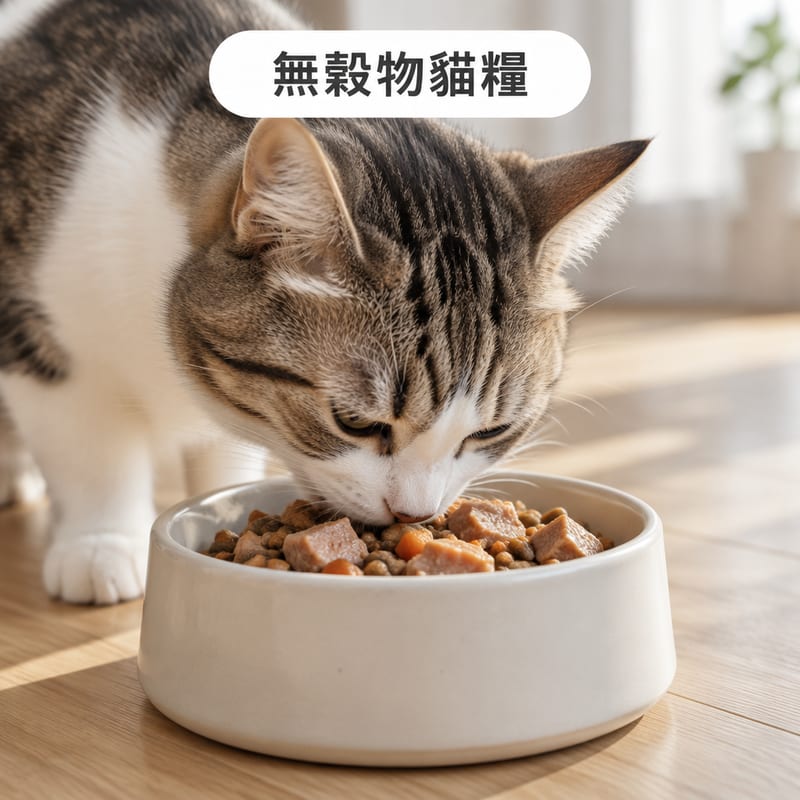
Real examples (prices pulled live from the online shop; the price shown on the page at the time applies):
- FirstMate cat canned food grain-free wild salmon 156g — HK$9.5.
- Loveabowl dog food grain-free all-life-stages lamb and mackerel ocean recipe 425g — HK$351.2.
For more on reading grain-free ingredients and labels, see another feature on our site: The truth about grain-free cat food.
What is the difference between Hills prescription diets and Royal Canin prescription diets?
The shared precondition for both
Prescription diets (veterinary prescription diets) are nutritional formulas designed for specific conditions, but they are not medicine and should not be used long term as a "health food" on your own. There is only one path: veterinary diagnosis → prescribed formula → regular follow-up and testing → adjustment based on results. Online reviews, friend recommendations and shop staff suggestions do not constitute a prescription.
Differences in how the ranges are organised
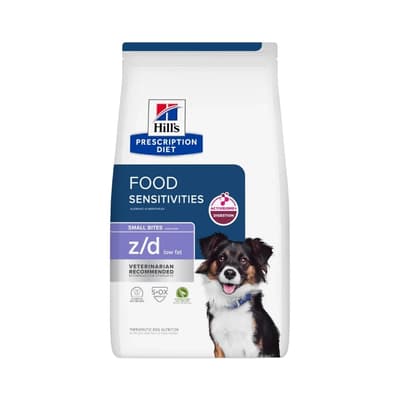
- Hills: ranges are named and organised by condition or organ system, such as k/d (multi-organ care), z/d (low fat / food sensitivity), Derm Complete (skin and food sensitivity) and Metabolic (weight management). Dogs and cats each have dry and canned versions.
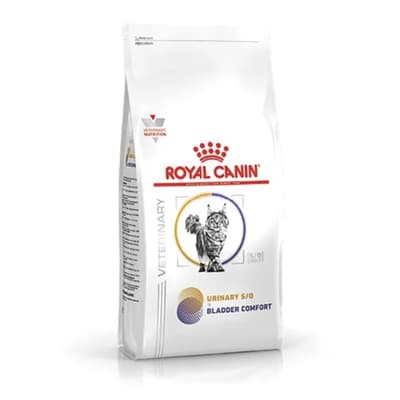
- Royal Canin: besides condition ranges (RENAL, URINARY S/O, GASTROINTESTINAL, GLYCOADVANCED, SATIETY+MOBILITY, HYPOALLERGENIC, CARDIAC), it also splits by breed, size (small dogs, medium and large dogs, large adult dogs) and age (puppies, adult cats, 7+ senior cats).
- Other practical differences: kibble size and texture, the extent of wet food coverage (gravy / pate), calorie density and price band. So "which is better" is not a brand question but a matching question. The WSAVA Global Nutrition Guidelines also recommend that pet food selection be based on nutritional assessment and veterinary professional judgement, not on brand fame or packaging claims alone (see WSAVA Global Nutrition Guidelines).
| Comparison item | Hills prescription diets | Royal Canin prescription diets |
|---|---|---|
| Naming and range logic | Mainly by condition or organ system (k/d, z/d, etc.) | Condition plus breed, size and age, multi-dimensional |
| Common range directions | Kidney, low fat, skin and food sensitivity, weight management | Kidney, urinary, gastrointestinal, diabetes, satiety, hypoallergenic, cardiac |
| Wet food coverage | Canned versions for both dogs and cats | Wet food for both dogs and cats, in gravy and pate ranges |
| Confirm with veterinarian before buying | Condition direction, whether low fat or hypoallergenic is needed | Condition direction, size, weight target and portion plan |
| What you must not do yourself | Switch brands yourself, change the daily portion yourself | Switch brands yourself, change the daily portion yourself |
Real examples (prices pulled live from the online shop):
- Royal Canin prescription diet cat food URINARY S/O+BLADDER COMFORT adult cat urinary S/O+bladder comfort prescription 2kg — HK$340.
- Hills prescription diet dog food z/d low fat formula 1.5kg — HK$434.
Both of the above are veterinary prescription diets; please confirm your veterinarian's instructions and follow-up arrangements before ordering. To understand a single brand's prescription range positioning, see the Hills brand guide and ADVANCE prescription diet review.
Besides Royal Canin, which other brands of cat prescription diets are worth recommending?
In one sentence: the question is not "which brand is worth recommending" but "which formula will your veterinarian prescribe for your cat's diagnosis". Common prescription diet brands include Hills, Royal Canin and ADVANCE, each covering kidney, urinary, gastrointestinal, hypoallergenic and weight management directions. For the same condition direction, protein, phosphorus, sodium and fat ratios differ between brands, so you cannot switch from brand A to brand B yourself, nor mix two brands for long-term feeding.
| Common nutritional direction | Example formula names | Who decides |
|---|---|---|
| Kidney support | Hills k/d; Royal Canin RENAL range | Veterinarian, with blood and urine follow-up |
| Urinary management | Royal Canin URINARY S/O range | Veterinarian, based on urine test results |
| Gastrointestinal | Royal Canin GASTROINTESTINAL range | Veterinarian, based on symptoms and diet history |
| Hypoallergenic / hydrolysed protein | Hills z/d, Derm Complete; Royal Canin HYPOALLERGENIC | Veterinarian, allergens must be ruled out first |
| Weight management | Hills Metabolic; Royal Canin SATIETY+MOBILITY | Veterinarian, with regular weighing |
| Diabetes glucose control | Royal Canin GLYCOADVANCED, GLYCOBALANCE | Veterinarian, with blood glucose monitoring |
Before choosing a brand, clarify three things: first, the diagnosis direction (kidney, gastrointestinal or skin); second, whether there are other chronic conditions (for example, kidney function affects both protein and phosphorus planning); third, the follow-up rhythm (prescription diet periods usually require regular testing, with feeding adjusted to the reports). All three are decided by the veterinarian, not by reviews.
Further reading: Diet planning for chronic illness, Kidney diet and phosphorus management.
Where is PETMIUM freeze-dried food made, and how is the quality?
Freeze-drying is a process, not a quality label
Freeze-drying first freezes the ingredients, then in a vacuum under low pressure lets the ice sublimate directly into water vapour, preserving raw meat flavour and nutritional structure, so that after rehydration it is close to raw meat in taste and texture. The advantages are strong aroma, usually high palatability and light weight; the cost is a high processing cost, a high price, and easy moisture absorption after opening, so correct storage is needed.
Origin and quality should be looked at separately
- Country of origin labelling: check the country of origin or manufacture on the packaging. Ingredient sources, regulatory systems and testing standards differ by origin, and the ingredient list of the same brand may differ by origin, so you cannot go by brand alone.
- Ingredient list order: the first ingredient should be a named meat (such as chicken, beef, salmon), not a vague "meat by-products" wording.
- Protein and fat ratios: freeze-dried food is calorie-dense and the portion is much smaller than dry food; follow the packaging suggestion and then fine-tune by weight and your veterinarian's instructions, without guessing.
- Best-before date and batch number: note the best-before date and batch number on the packaging; after opening, seal it, keep it away from light, and refrigerate or freeze if necessary.
- Handling hygiene: freeze-dried food is mostly a raw-meat process, so wash your hands afterwards and clean food bowls and tools thoroughly. The AVMA notes that raw pet food carries a higher bacterial risk than other processed products (see AVMA safe handling of pet food and pet treats).
What else to compare besides origin
Freeze-dried, air-dried and dehydrated processes differ in texture and nutrient retention; before choosing, see our feature: Freeze-dried vs air-dried food comparison; for dog food, see also Choosing freeze-dried dog food.
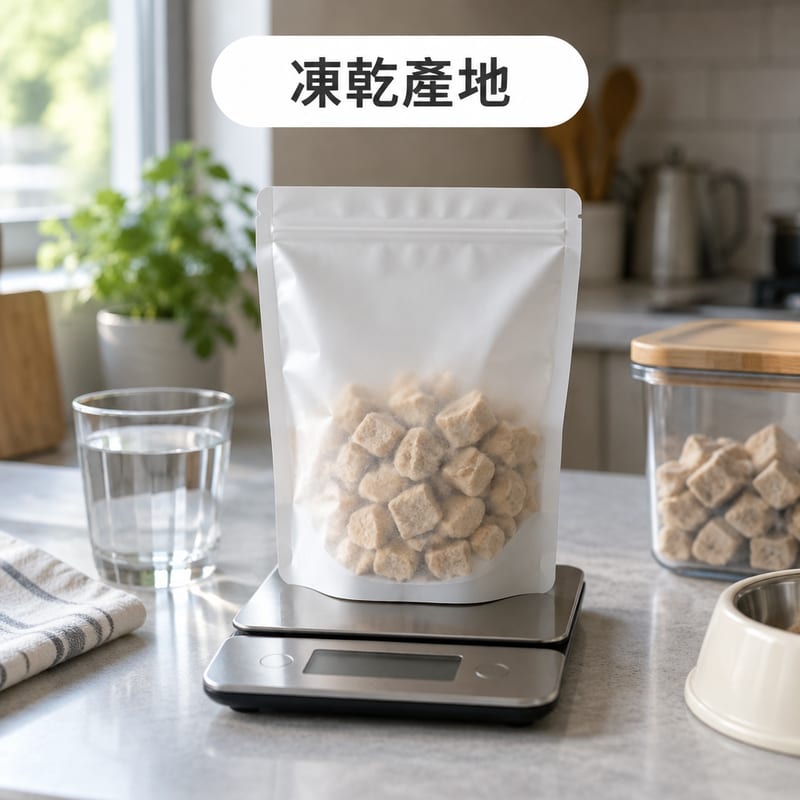
Real example: VITAL ESSENTIALS cat food freeze-dried raw food mini patties beef + chicken 3.75oz — HK$74.2. Before buying, confirm whether the product is positioned as a complete food or a treat, as the feeding arrangements differ.
Does Wellness Core offer trial packs or small bags so cat owners can try different flavours or recipes?
Trial packs and small bags: the most practical first step
Trial packs have four values: testing palatability (will a picky cat or dog eat it), testing digestive response (any change in stools or bloating), controlling cost (no need to buy a large bag at once) and supporting a gradual transition (a 7 to 10 day mixed transition). For animals with sensitive digestion, a trial pack is almost a necessary step.
| Product type | Example (available at PetChill) | Price | Suitable case |
|---|---|---|---|
| Cat food trial pack 250g | WELLNESS CORE cat food grain-free hairball control chicken recipe trial pack 250g | HK$40 | Wanting to test the palatability of grain-free cat food |
| Dog food trial pack 250g | WELLNESS CORE dog food grain-free classic original recipe boneless turkey and chicken trial pack 250g | HK$25 | First try of grain-free dog food |
| Dog food trial pack 250g (senior) | WELLNESS CORE dog food grain-free senior turkey and chicken recipe trial pack 250g | HK$25 | Trying a senior recipe for dogs over seven |
| Small can | FirstMate cat canned food grain-free wild salmon 156g | HK$9.5 | One-off wet food trial |
Prices are pulled live from the online shop; the price and stock shown on the page at the time apply. Trial pack product links can be found by searching the brand keyword in the online shop, or see Wellness Core trial pack introduction.
How to use consumer reviews
- Look at multiple sources: check several platforms and forums for the same product; a single negative review does not mean a widespread problem.
- Look at specific details: whether batch numbers, best-before dates, damaged packaging, abnormal smells or reactions after eating are mentioned; reviews with only emotional wording have low reference value.
- Look at complaint records: check whether the brand or reseller has public recalls, complaints or quality incident records; proactive verification channels include the brand's official website and your veterinarian (further reading: Telling genuine Hong Kong pet brands from fakes).
- It is not a diagnosis: reviews can help you screen, but if your pet has symptoms, take it to a veterinarian; do not try to handle it yourself by switching food.
Are online resellers reliable?
- Check authorisation and labels: products from proper channels usually have complete ingredient lists, best-before dates and labels; be careful if the packaging clearly differs from the official version.
- Check after-sales arrangements: whether there is local customer service and a returns channel. PetChill offers 7-day returns (goods must be kept in their original condition), and customer service WhatsApp hours are Monday to Saturday 09:30–18:30.
- Check ingredient list consistency: parallel imports may lack Traditional Chinese labels, and the ingredient list may differ from the official version; do not buy if the ingredient list is incomplete. The Hong Kong Agriculture, Fisheries and Conservation Department's animal management website has pet food safety information you can check directly (AFCD Animal Management).
- Check price reasonableness: for goods clearly below market price, pay attention to the source batch and storage conditions, especially freeze-dried and wet food, which have higher temperature requirements.
For a fuller verification process, see Brand authenticity and review checking.
When to see a veterinarian immediately
In the following situations you should not wait, nor try to handle it by switching food yourself:
- Repeated vomiting after eating, vomiting blood, bloody diarrhoea or black stools.
- Appetite clearly dropping for more than a day, or refusing to eat or drink at all.
- Lethargy, slowed reactions, unsteady walking, seizures or loss of consciousness.
- A hard, bloated abdomen, not letting you touch the belly, or continuous drooling.
- A sudden large change in water intake or urine output, especially while on a prescription diet.
- Severe itching, hair loss, redness or facial swelling on the skin.
- Symptoms continuing for more than two days with no improvement during a food transition.
- Accidental ingestion of human medication, chocolate, grapes or indigestible foreign objects.
Reviewed by the PetChill veterinary editorial team. This content is for reference only and cannot replace veterinary diagnosis, prescription or treatment.
Further reading
- The truth about grain-free cat food
- Wellness Core trial pack introduction
- Hills brand guide
- How to choose hydrolysed protein cat food
- Telling genuine Hong Kong pet brands from fakes
- Complete guide to switching cat food
In an emergency, contact a veterinarian immediately; this article is for reference only and cannot replace veterinary diagnosis. Information checked as of 2026-10-14 · Source: compiled by the PetChill editorial team
 Royal Canin full guide →
 Wellness Core full guide →
 Fuji One full guide →