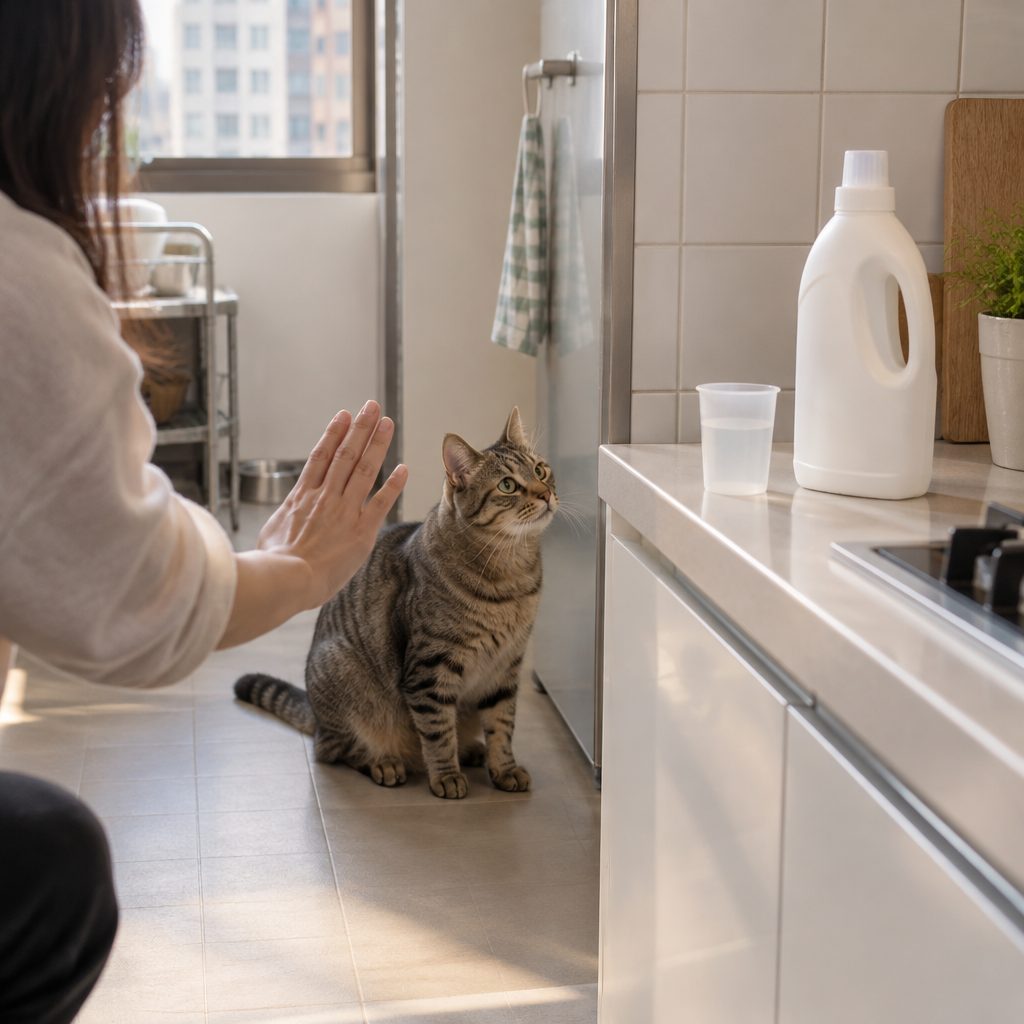
The three most common sources of pet poisoning in Hong Kong homes are chlorine-based bleach and cleaners, pesticides, and plants and foods such as jasmine, aloe and grapes. If you suspect ingestion or exposure, do not induce vomiting or give medication yourself; remove the pet from the scene, keep the packaging, and let a vet assess as soon as possible.
Quick answers
- High-risk sources of poisoning in Hong Kong homes: chlorine-based bleach, irritating gases from mixing white vinegar with bleach, pesticides (sprays, ant baits, flea products), skincare products containing salicylic acid, and jasmine, aloe, avocado, grapes/raisins, xylitol, caffeine and high-salt foods.
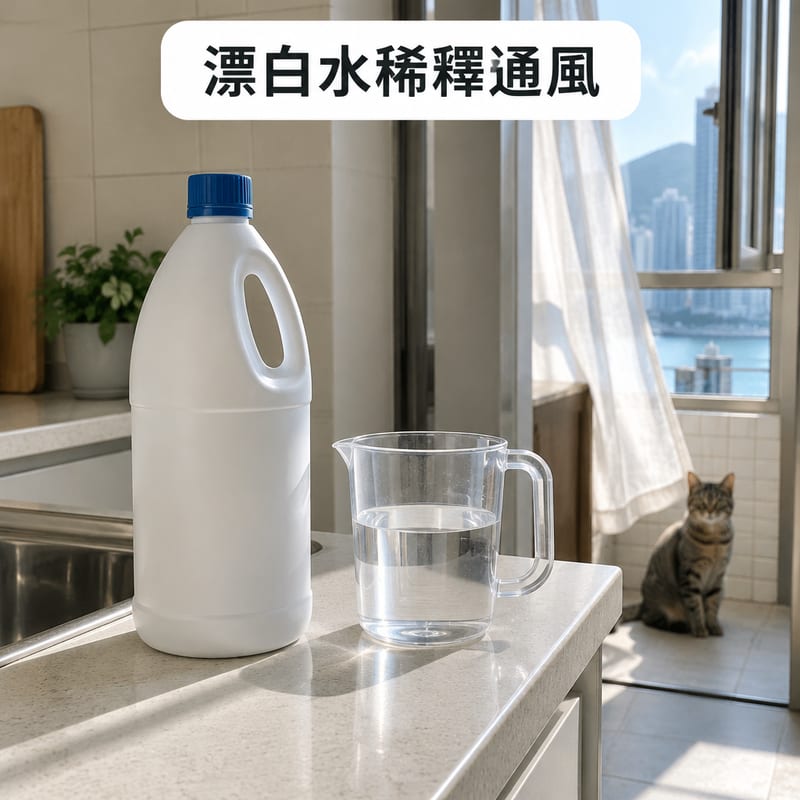
- White vinegar and chlorine-based bleach must not be used together; mixing releases irritating gases such as chlorine. During cleaning and until surfaces are dry, pets must be kept away; afterwards wipe again with water, dry completely and ventilate.
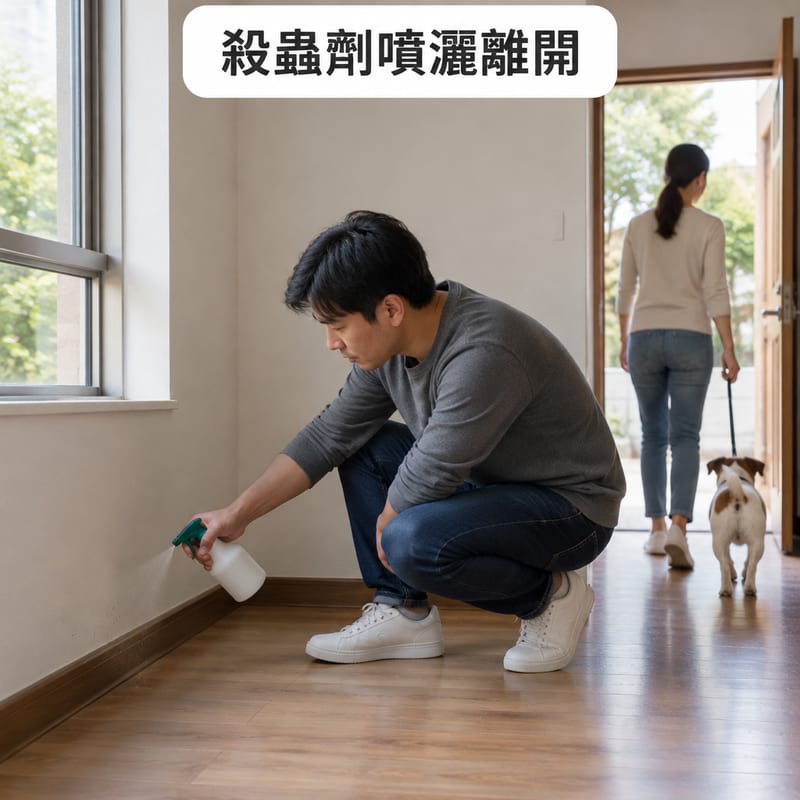
- Pesticides are among the most toxic household products; pets can be exposed by inhalation, skin contact or grooming. Keep pets away during application, and only allow them back when surfaces are completely dry.
- If grapes/raisins, xylitol, caffeine, high-salt foods or plants are ingested, never induce vomiting yourself; contact a vet immediately and report what was eaten, roughly how much and when.
- Vomiting, seizures, loss of balance, abnormal pupils and rapid breathing are emergencies—go to the vet clinic immediately and do not adopt a 'wait and see overnight' attitude.
Key points
- Household chemicals fall into three categories: corrosive (chlorine bleach, drain cleaner), irritating gases (white vinegar plus bleach), and pesticides and insecticides. The danger mechanisms differ, but the common point is: owners should not induce vomiting, give medication or use any 'detox' method themselves.
- Mixing cleaners is a common accident in Hong Kong: in small flats with poor ventilation, using white vinegar and bleach together causes gas concentrations to build up quickly, affecting both people and pets; pets are shorter and closer to the gas source.
- Pesticide exposure routes are more numerous than imagined: sprays, ant bait stations, deworming spot-ons, medicated shampoos, garden products, and even floors that are not dry after treatment can all cause exposure.
- Plant and food risks must be distinguished: jasmine and aloe are plant risks; avocado, grapes/raisins, xylitol, caffeine, high-salt foods, garlic, ginger, Sichuan pepper and star anise are food risks. The handling principle is the same: do not feed, store safely, and treat ingestion as an emergency.
- Symptoms can be delayed: some poisoning reactions do not appear immediately, so 'nothing happened a few hours after eating' does not mean it is safe; follow veterinary advice.
- Bring complete information when seeking veterinary care: packaging or labels, plant samples, vomit, time of occurrence, pet's weight and medical history to help the vet decide quickly.
Hong Kong homes are small, with kitchen, bathroom and living room almost undivided; cleaning products are often within reach, and cats and dogs groom, lick their paws and explore the floor every day. This lifestyle makes 'ingestion' and 'exposure' much more likely than in large houses abroad. Below we first break down household chemicals and pesticides, then discuss toxic plants and foods, and finally focus on symptom assessment, when to seek veterinary care and home protection.
This article only covers exposure routes, risks and when to seek veterinary care; it does not provide any dosages or self-treatment methods. Any decision involving medication, gastric lavage, inducing vomiting or other treatment must be made by a vet.
What harmful gases are released when white vinegar and bleach are mixed? How should cleaning residues be handled?
Mixing chlorine-based bleach (bleach, some disinfectants, some mould removers) with acidic cleaners (white vinegar, citric acid, some descalers) releases irritating gases such as chlorine. These gases irritate the eyes, nasal cavity, throat and trachea; at high concentrations or in small spaces, they can cause coughing, watery eyes and difficulty breathing. Pets are shorter, and gases and mist tend to accumulate near floor level, so inhaled concentrations are usually higher than for people. The American Veterinary Medical Association (AVMA) also reminds that even household cleaning products labelled 'natural' carry risks for pets; pets should be removed during cleaning and should not be allowed back until surfaces are dry.
Cleaning residues also matter. Acetic acid itself has low acute toxicity for cats, but residual acidic odour and moisture can irritate the respiratory tract and skin, especially in pets with sensitive airways or skin problems; moreover, cats and dogs lick floors and paws, so residues may be ingested. Safe practice: use the two products separately, open windows for ventilation, keep pets in another room, wipe again with water after finishing, and let surfaces dry completely and odours disperse before pets return. If a pet has a history of airway or skin disease, ask your vet before cleaning. (See White vinegar cleaning residue and cat safety)
| Household chemical | Common exposure routes | Signs to watch for | What owners should do |
|---|---|---|---|
| Chlorine-based bleach (bleach, mould remover, some disinfectants) | Licking floors or cloths, licking paws, inhaling mist, drinking water from unrinsed bowls | Drooling, vomiting, burning mouth, coughing, lethargy | Remove from scene, ventilate, keep packaging, contact vet immediately; do not induce vomiting |
| White vinegar (acidic cleaner) | Licking residual surfaces, inhaling vinegar mist, prolonged skin contact | Respiratory irritation, watery eyes, red or itchy skin, gastrointestinal upset | Wipe again with water and dry completely; ask vet if unwell |
| White vinegar plus chlorine bleach (mixed) | Inhaling irritating gases such as chlorine during cleaning | Coughing, rapid breathing, watery eyes, dullness | Take pet away immediately, open windows, treat breathing symptoms as emergency |
| Drain cleaner, strong alkaline cleaners | Licking bottle mouth or splashes on fur then grooming | Burns to mouth and oesophagus, severe drooling, difficulty swallowing | Emergency: go to vet clinic immediately; do not rinse or feed anything yourself |
| Skincare products containing salicylic acid (exfoliants, acne treatments, some shampoos) | Licking product from hands or skin, biting bottles | Vomiting, lethargy, abnormal breathing, abnormal body temperature | Store all skincare products safely; ask vet immediately if exposed |
How long should pets stay away when using pesticides? When to seek veterinary care after exposure?
Pesticides are among the most toxic household products, and exposure routes are more numerous than many people think: spray cans, mosquito coils and electric liquid repellents, ant bait stations, deworming spot-ons and medicated bath products, garden products, and floors and sofas that are not dry after treatment. Pets can be exposed in three ways: inhaling mist or gas, direct skin contact (lying on the floor or sofa), and ingesting when grooming or licking paws.
The answer to 'how long should they stay away' is not a fixed number of hours but conditional: during and after application, pets should stay in another room or leave the premises; only allow them back when surfaces are completely dry, ventilation is adequate and odours have dispersed. AVMA and several veterinary organisations consistently say 'do not let pets contact surfaces until dry', and follow the product label instructions. If using sprays or space fumigation products, ventilation time should be longer; fish tanks and birds are especially sensitive to aerosols and must be completely isolated.
As for 'how long until chemicals enter the blood', there is also no single answer: inhalation and mucous membrane contact absorb fastest, skin contact is slower but can continue absorbing, and ingestion is absorbed through the gut; actual speed depends on ingredient, concentration, formulation, surface dryness and pet weight. The key is: judgment should not rely on 'wait a few hours to see if anything happens' but on 'exposure + symptoms'; if either is present, ask a vet immediately. (Further reading: Household toxins and cat risk list)
The Hong Kong Agriculture, Fisheries and Conservation Department (AFCD) pesticide page contains information on local pesticide regulation and safe use; before applying any pesticide, read the label and safety instructions carefully: https://www.afcd.gov.hk/tc_chi/quarantine/qua_pesticide/qua_pesticide.html
| Pesticide type | Main exposure routes | What to do during and after application | When to seek immediate veterinary care |
|---|---|---|---|
| Spray insecticides, mosquito coils, electric liquid repellents | Inhaling mist or gas, licking deposits | Keep pets away, open windows, only allow back when surfaces dry and odour gone | Coughing, rapid breathing, drooling, dullness |
| Ant bait stations, cockroach baits | Biting open bait stations, licking bait | Place baits completely out of reach, remove after use | Drooling, vomiting, tremors, seizures |
| Deworming spot-ons, medicated shampoos | Skin absorption, licking application site | Use as directed by vet; prevent licking at application site for a short time | Drooling, unsteady walking, abnormal pupils, skin redness |
| Garden products (potted plants, balcony) | Licking residue on leaves, licking paws | Keep pets off balcony or planter area after use; separate watering times | Vomiting, diarrhoea, tremors, abnormal pupils |
Jasmine, aloe, avocado: what effects and long-term risks after ingestion by cats?
Hong Kong families like to place potted plants on windowsills, balconies and living rooms, and cats naturally chew leaves, dig soil and drink vase water. The following are common plants and fruits in Hong Kong that pose risks to cats and dogs:
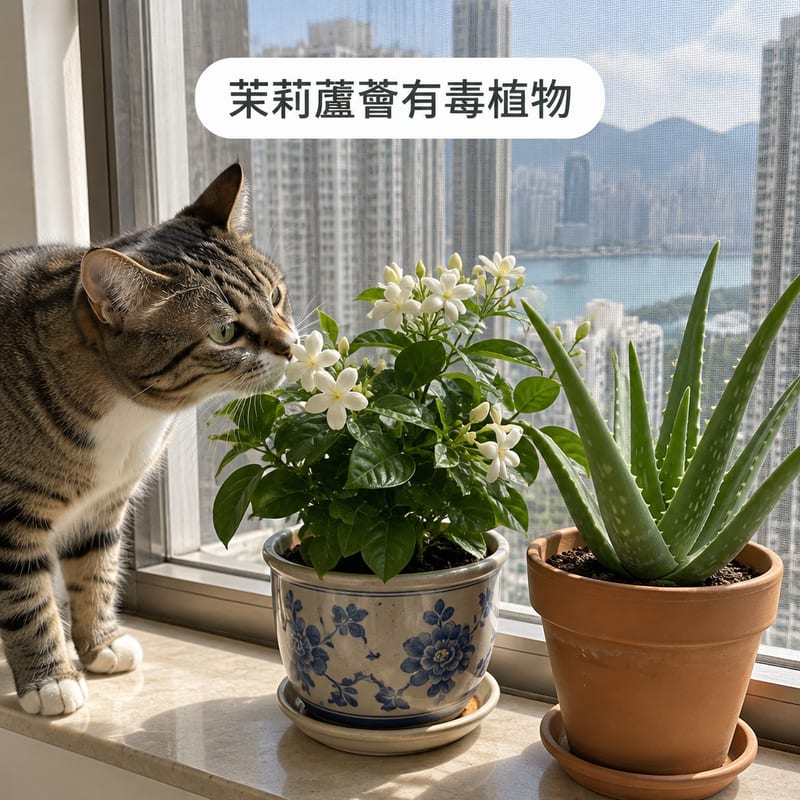
- Jasmine: Jasmine is potentially toxic to cats; the main risk comes from compounds in leaves and flowers, and ingestion can cause gastrointestinal upset and neurological symptoms. Essential oils, aromatherapy or diffuser products pose even higher risk because cats have limited ability to metabolise such compounds. Long-term health effects depend on amount and frequency of exposure; do not judge yourself—have a vet assess. (Further reading: List of toxic plants for cats)
- Aloe: Aloe contains anthraquinones; ingestion of leaf pulp or skin by cats can cause vomiting and diarrhoea. Skincare aloe gels usually contain additives and should also be kept away from cats. After ingestion, do not induce vomiting; first remove the plant, note which part and roughly how much was eaten, then ask a vet.
- Avocado: Avocado poses risks to many pets including cats, dogs, birds and rabbits, mainly involving the skin, leaves, pit and the plant itself; the flesh should not be fed either. After ingestion, watch for vomiting, diarrhoea, lethargy and breathing.
- Lilies, dieffenbachia, dumb cane, etc.: High-risk plants; some species are especially dangerous to cats, and homes with cats should avoid keeping them.
Practical home protection: net balcony plants or hang them out of reach; empty vase water daily (cats drink vase water); keep aromatherapy, diffusers and essential oils out of pet areas; put cut branches and leaves straight into a covered bin. If your cat chews plants, consider safe alternatives such as cat grass.
What to do if a cat eats grapes, caffeine, xylitol or high-salt food?
This section focuses on foods and food ingredients. There is only one principle: do not feed, store safely, treat ingestion as an emergency, do not induce vomiting yourself.
| Food or ingredient | Key risk | Common symptoms | What to do after ingestion |
|---|---|---|---|
| Grapes, raisins | Nephrotoxic to cats and dogs; mechanism not fully understood; no recognised safe amount | Vomiting, loss of appetite, lethargy, changes in drinking and urination | Do not induce vomiting; contact vet immediately and report how many and when; blood tests needed even if well |
| Xylitol (sweetener) | Common in sugar-free gum, sugar-free sweets, some peanut butter and baked goods | Lethargy, unsteady walking, vomiting | Treat as emergency; go to vet clinic immediately with packaging |
| Caffeine (coffee, tea, energy drinks, some supplements) | Affects central nervous system and heart | Restlessness, fast heart rate, tremors, vomiting, raised temperature | Do not induce vomiting or feed anything; contact vet or emergency clinic immediately |
| High-salt foods (snacks, pickles, seasoned soups) | Excess salt affects electrolytes and nerves | Vomiting, diarrhoea, thirst, unsteady walking, tremors | Do not force water; contact vet immediately and report food type and amount |
| Garlic, ginger, Sichuan pepper, star anise and other spices | Garlic is an allium food; other spices are irritants to cats; processed foods often also contain salt and oil | Drooling, vomiting, diarrhoea, lethargy | Do not induce vomiting; remove food and ask vet immediately; bring packaging for composite seasoned foods |
| Peanut butter, nut butter (with salt, sugar or sweetener) | Some products contain xylitol or high salt | Vomiting, lethargy, unsteady walking | Check ingredient label; if suspicious ingredient, treat as emergency |
Several points to note:
- Grapes and raisins should never be tried: including raisins, grape juice and raisin bread, because there is no recognised safe amount and individual variation is large. (Further reading: Emergency steps for cat grape ingestion)
- Xylitol is not just in gum: sugar-free sweets, some peanut butter, some baked goods and supplements can contain xylitol; check the ingredient list before buying.
- Caffeine is not just in coffee: strong tea, energy drinks, some painkillers and weight-loss supplements contain caffeine; desks and handbags are the most common accidental sources.
- Do not force water or milk: these do not neutralise toxins and may cause choking or electrolyte problems; leave all treatment decisions to the vet.
- First aid contraindications related to low blood sugar: if a pet has a blood sugar problem, giving sweet food or sugar water yourself is high-risk; ask a vet first. (Further reading: Common mistakes in cat hypoglycaemia first aid)
Skincare and household products: how to avoid salicylic acid, alcohol and formaldehyde?
Besides cleaners and pesticides, Hong Kong homes have several other easily overlooked chemicals:
- Skincare products containing salicylic acid: exfoliants, acne treatments, some shampoos and medicated pet shampoos may contain salicylic acid. Cats licking hands, skin products or biting bottles can cause exposure. All skincare products and ointments should be kept in closed drawers, not on bedside tables or low cabinets.
- Alcohol and alcohol-containing products: hand sanitiser, alcohol wipes, alcoholic desserts and drinks. Alcohol affects the central nervous system, blood sugar and body temperature in pets; even small amounts can cause problems. After using hand sanitiser, wait until completely dry before touching pets.
- Formaldehyde releasers and some new furniture, adhesives, aromatherapy products: can irritate eyes and skin and may cause respiratory reactions. Ventilate after bringing in new furniture and prevent pets from staying close for long periods.
- Camphor balls, insect repellents, insect-repellent sachets: odours and ingredients are toxic to pets; keep wardrobes and shoe cabinets closed and do not let pets lie on clothing that has been stored with camphor.
- Human medications: painkillers, cold medicines, ointments and supplements are common causes of household poisoning; all medications should be stored sealed and not left on bedside tables or coffee tables. (Further reading: Pet medication safety guide)
To reduce household chemical risks, consider pet-specific or simpler-ingredient cleaning products, and keep ventilated and use at separate times throughout. Examples to consider (prices subject to current online store prices):
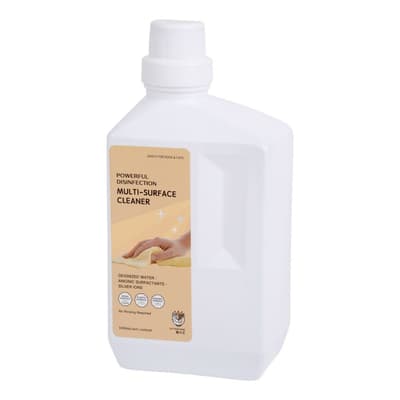
- Cat & Dog King Pet Disinfectant Cleaner (multi-surface) 1000ml — HK$98, suitable for multi-surface cleaning in cat and dog areas.
- DETTOL Natural Plant Extract All-Purpose Household Disinfectant 1L — HK$83.9; still ensure pets are away and ventilate during use.
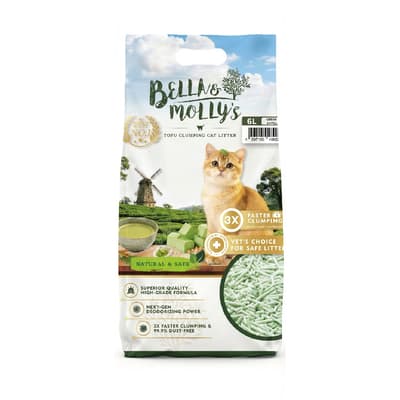
- Bella & Molly's 2.0mm Tofu Cat Litter Natural Ultra-Clumping Green Tea 6L — HK$18, convenient for cleaning vomit or keeping the environment dry after accidents.
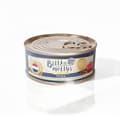
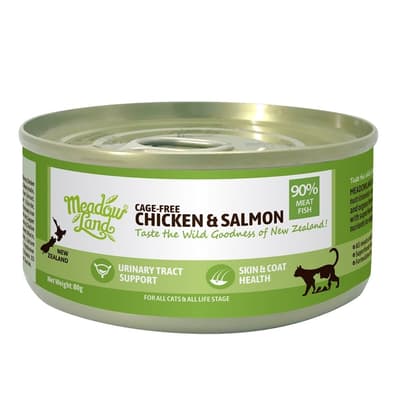
- Meadowland Cat Can Complete Wet Food Classic Pate Chicken + King Salmon 80g — HK$18; when appetite is poor during recovery, complete wet food reviewed by our editorial team is safer than human food.
Cleaning products also have usage precautions: do not mix different products; wipe away residues with water after use; move pets to another room during ventilation; rinse food and water bowls thoroughly with water. For related practices, see Safe choices for litter box cleaning products.
When to see a vet immediately
The following situations are all emergencies—do not wait, and do not observe overnight first:
- Seizures, loss of balance, staggering, abnormal pupils or reduced light response: neurological signs, possibly related to pesticides, alcohol, xylitol or other toxins.
- Rapid breathing, open-mouth breathing, persistent coughing or gum colour changes: may be inhalation of irritating gases or respiratory burns.
- Repeated vomiting, vomiting blood, severe drooling, difficulty swallowing or obvious mouth pain: suspected corrosive chemical exposure.
- Ingestion of grapes/raisins, xylitol, caffeine, high-salt foods, human medications, pesticides or any plant: even without immediate symptoms, veterinary assessment is needed because some reactions are delayed.
- Lethargy, unresponsiveness, abnormal body temperature, persistent diarrhoea or no bowel movements: warning signs of systemic effects.
- Skin or eye contact with concentrated cleaners, pesticides or essential oils: do not apply medication yourself; contact the vet clinic immediately.
If unsure which category applies, treat as an emergency. When calling or attending, prepare the following: product packaging or label, plant sample or photo, vomit, route and time of exposure, pet's weight and age, and any chronic illness or current medication. This information helps the vet decide faster and is the owner's most valuable contribution.
Prevention at home is equally important: keep pets away during cleaning and medication; store chemicals in closed cabinets; net or hang balcony plants high; cover food waste and bins; ventilate with new furniture and aromatherapy products; post a 'do not feed' list and vet clinic and emergency clinic phone numbers on the fridge door. Daily records and regular check-ups also help; see Pet annual check-up guide and Household toxin risk list.
Further reading
- Household toxins and cat risk list
- List of toxic plants for cats
- White vinegar cleaning residue and cat safety
- Emergency steps for cat grape ingestion
- Emergency warning signs such as cat vomiting and seizures
- Basic principles of pet emergency first aid
- Pet medication safety guide
References: WSAVA Global Guidelines (https://wsava.org/global-guidelines/), AVMA Household Hazards (https://www.avma.org/resources-tools/pet-owners/petcare/household-hazards), Hong Kong AFCD Pesticide Information (https://www.afcd.gov.hk/tc_chi/quarantine/qua_pesticide/qua_pesticide.html), Hong Kong AFCD Pet Food Safety Guidelines (https://www.afcd.gov.hk/tc_chi/quarantine/qua_petfood/qua_petfood.html), International Cat Care (ISFM parent organisation, https://icatcare.org/advice/keeping-your-cat-safe/).
This article was reviewed by the PetChill Veterinary Editorial Team. The content is for reference only and cannot replace veterinary diagnosis, prescription or treatment.
In an emergency, contact a vet immediately; this article is for reference only and cannot replace veterinary diagnosis.
Information checked as of 2026-10-14 · Source: PetChill Editorial Team
 K9 Natural full guide →
 Feline Natural full guide →
 Bella & Molly's full guide →