Diet management for a chronically ill cat is not about finding one perfect food once and for all; it's about steadily carrying out the same routine every day: feeding at fixed times, weighing portions on a digital scale, recording how much is eaten and drunk, weighing regularly, with the formula and portion decided by the veterinarian based on the condition, weight trend and blood test results. The cat owner's job is to observe and record, not to adjust the formula themselves.
Quick answers
- Diet management means a daily routine: feeding at fixed times, weighing, recording food and water intake, weighing regularly, and attending follow-up visits on time.
- Which food to use and how much per meal must be decided by the veterinarian based on the condition; when one cat has two conditions, the priority is also judged by the veterinarian.
- Recommended items to record include weight, 24-hour water intake, food eaten per meal, spirit and activity, bowel and urine output, and number of vomits.
- Food refusal is the warning sign that most needs early notification to the veterinarian, especially for diabetic cats and cats with a heavy liver burden; you must not take the attitude of "let it go hungry for a day or two first".
- Buying prescription food in Hong Kong usually requires a veterinary prescription or clinic confirmation; after delivery, check the batch and best-before date.
- If there is persistent vomiting, lethargy, rapid breathing or no urine, don't wait for the follow-up visit — contact the veterinarian immediately.
Key points
- Management is not the same as changing food: changing food is only one step; what really determines success is daily portion control and observation records.
- No records, no judgement: the three trend lines of weight, water intake and food intake are the most important reference for the veterinarian when adjusting the formula.
- Weigh portions, don't rely on a measuring cup: the portion in the same cup of food can vary a lot; weighing grams directly on a digital scale is most consistent.
- Don't add extras yourself: complementary wet food, soup cans, meat paste and human food gravy all raise phosphorus, sodium or fat and make dietary control ineffective.
- Change food slowly: generally use a gradual 7 to 10 day approach, observing bowel movements, vomiting and appetite at each stage; if abnormal, go back to the previous stage.
- Bring records to follow-up visits: bring the feeding record, weight record and food bag packaging; it's far more accurate than describing from memory.
What's the difference between "choosing food" and "diet management"?
Many cat owners think that after diagnosis, buying prescription food completes the task, but in reality, for chronically ill cats, 80% of dietary control lies in daily execution. Choosing food is a one-off decision, usually made by the veterinarian based on the condition, blood test results and the cat's taste preferences; diet management is the repeated actions every day afterwards, including fixed feeding times, accurate weighing, observing reactions and continuous recording. Both matter equally, but only the latter can be controlled by the cat owner every day.
When management is steady, the veterinarian has continuous data to compare at follow-up visits — for example, whether weight is continuously falling, whether water intake has suddenly increased, whether food intake has decreased due to oral discomfort; if everything relies on "seems to have eaten less", the veterinarian can only estimate from that day's examination, and the accuracy of formula adjustments is naturally lower.
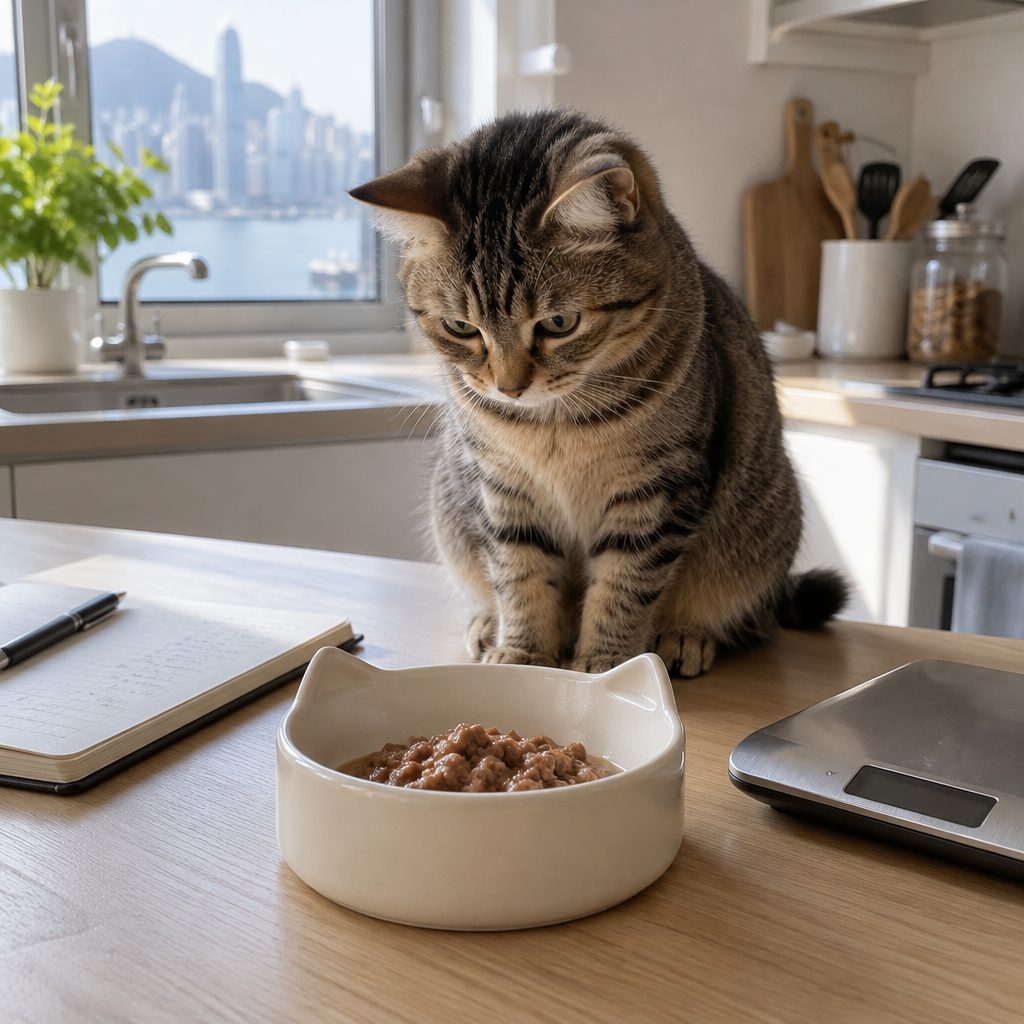
In practice, it's recommended to establish a fixed routine: feed at the same time every day, weigh portions on the same scale, record immediately after feeding, weigh once a week and write it in the book. This routine doesn't need high technology — a notebook and a pen are enough; the key is consistency.
How do the dietary directions for four chronic conditions differ?
The nutritional focus is completely different for different chronic conditions, so "a friend said this food is good" is the most common starting point for mistakes. The table below lists the general direction for four common situations; the actual formula and portion are always decided by the veterinarian.
| Condition type | Dietary direction (details decided by veterinarian) | Most common daily mistake | Signals to watch |
|---|---|---|---|
| Chronic kidney disease | Control phosphorus and protein levels, maximise water intake | Adding ordinary canned food, treats or human food gravy to the food yourself | Changes in water intake and urine output, continuous weight loss, deteriorating spirit |
| Diabetes | Control carbohydrates, fixed feeding times and portions | Feeding times not matched with medication times, adding meals at will | Sudden changes in food intake, mood swings, unsteady walking |
| Heart disease | Control sodium, maintain ideal weight, ensure sufficient taurine | Mixing food with roast meat sauce or thick soup, allowing weight gain | Faster breathing rate at rest, easily tired, unwilling to move |
| Pancreatitis | Control fat, small frequent meals | Thinking "high fat is nourishing" and adding high-fat canned food yourself | Vomiting, abdomen not allowing touch, sudden drop in appetite |
| Hyperthyroidism | Calorie and protein needs change; weight must be followed closely | Thinking "eats a lot but never gains weight" is normal, ignoring weight records | Changes in weight, heart rate, water intake and frequency of vocalisation |
One cat can have two conditions at once, for example chronic kidney disease with heart disease; the two directions pull against each other, so you must not mix two prescription foods yourself. To understand the specific dietary principles for various conditions, see the Chronic Illness Cat Diet Management Guide and the Cat Chronic Kidney Disease Care Guide.

What should be recorded daily? How to measure weight and water intake?
Recording doesn't need to be complicated, but it needs a fixed method, otherwise the data won't match up and will have no reference value. The table below is a monitoring checklist you can copy directly.
| Monitoring item | How to measure | Recommended frequency | Situations requiring immediate notification to the veterinarian |
|---|---|---|---|
| Weight | Same digital scale, same time (e.g. morning empty stomach) | 1 to 2 times per week | Continuous downward trend, obvious loss within a week |
| Water intake | Pour a known amount of water daily, measure remainder after 24 hours | Daily | Sudden large increase or obvious decrease in drinking |
| Food intake | Weigh each meal, record how much actually eaten and how much left | Every meal | Food intake below about half of usual for two consecutive days |
| Spirit and activity | Record sleep, hiding, jumping and willingness to interact | Daily | Hiding for long periods, not responding to calls, unwilling to walk |
| Bowel and urine | Record frequency, shape, urine volume and odour | Daily | No urine, frequent litter box visits, blood in urine, constipation |
| Vomiting and others | Record frequency, contents, drooling | Daily | Repeated vomiting, vomiting blood, seizures, rapid breathing |
When weighing, note three points: place the scale on a hard floor, not on carpet; have the same person operate it each time — carrying the cat onto the scale causes more error, so you can weigh in a carrier or bag first; write it in the book immediately after weighing, don't rely on memory. For water intake, in multi-cat households it's best to separate locations and bowls; if that's not possible, note "shared by multiple cats" in the record.
Look at the trend of the weight number, not a single day. Weight loss in chronically ill cats usually happens slowly; weighing twice a week shows the direction; if there is also muscle loss (backbone and hip bones feel especially prominent), even if the scale number hasn't changed much, you should tell the veterinarian. To know which early warning signs to look for, see Early Warning Signs of Chronic Illness in Cats and Understanding Kidney Disease Stages in Senior Cats.
How to handle a cat refusing prescription food?
Food refusal is the most common and most easily underestimated problem in chronically ill cats. If a cat eats little for a short time, weight and muscle loss can already occur, so the principle is "observe first, record, ask the veterinarian as soon as possible", not trying to entice eating yourself.
First, distinguish the degree of refusal: not eating at all, eating only a few bites, only accepting a certain texture, or only accepting treats. These four situations are handled completely differently; the more specific the record, the easier for the veterinarian to judge whether the problem is the food's taste, texture, oral discomfort, or loss of appetite caused by the condition itself.
Second, don't add complementary wet food, soup cans, meat paste or human food gravy yourself to "trick" the cat into eating. The phosphorus, sodium, fat and carbohydrate ratios of such foods may not meet the condition's requirements; long-term mixing will make dietary control ineffective, and at follow-up it will be hard to judge whether the formula is actually working.
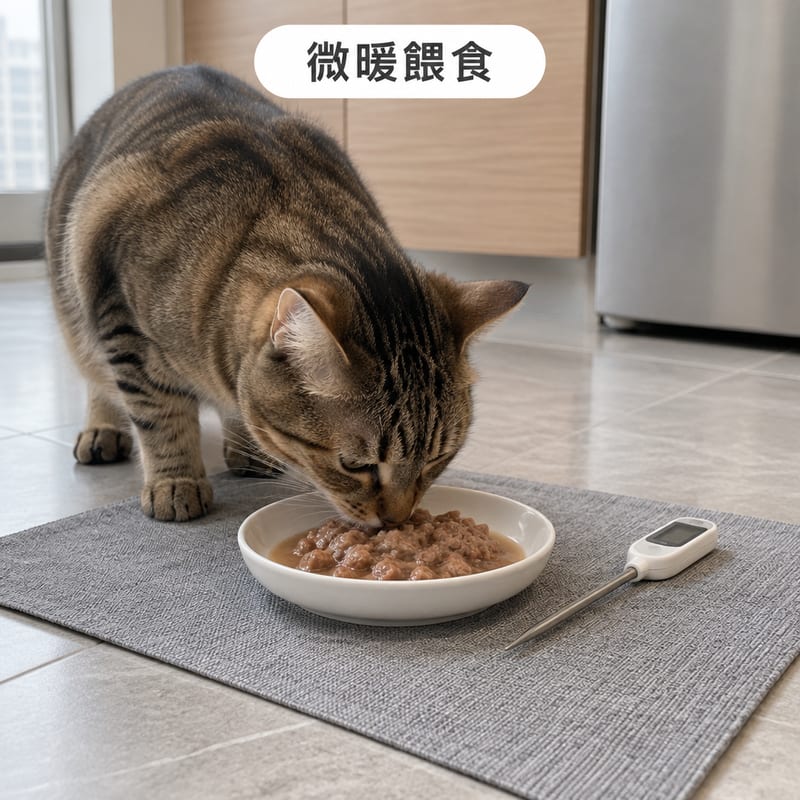
Third, directions you can ask the veterinarian about usually include: switching to another texture of the same formula (pâté, chunks, shreds), warming slightly to about body temperature, changing to a shallow dish to reduce whisker stress, feeding alone in a quiet place, avoiding stressful events before and after feeding (e.g. injections, going out, bathing). If the cat has oral pain, tartar or nausea caused by chronic kidney disease, it must be handled by the veterinarian; changing food won't solve it. For gradual arrangements during food transitions, see Cat Food Transition and Digestive Adaptation.
How to help cats hydrate, buy food and cooperate with follow-up visits?
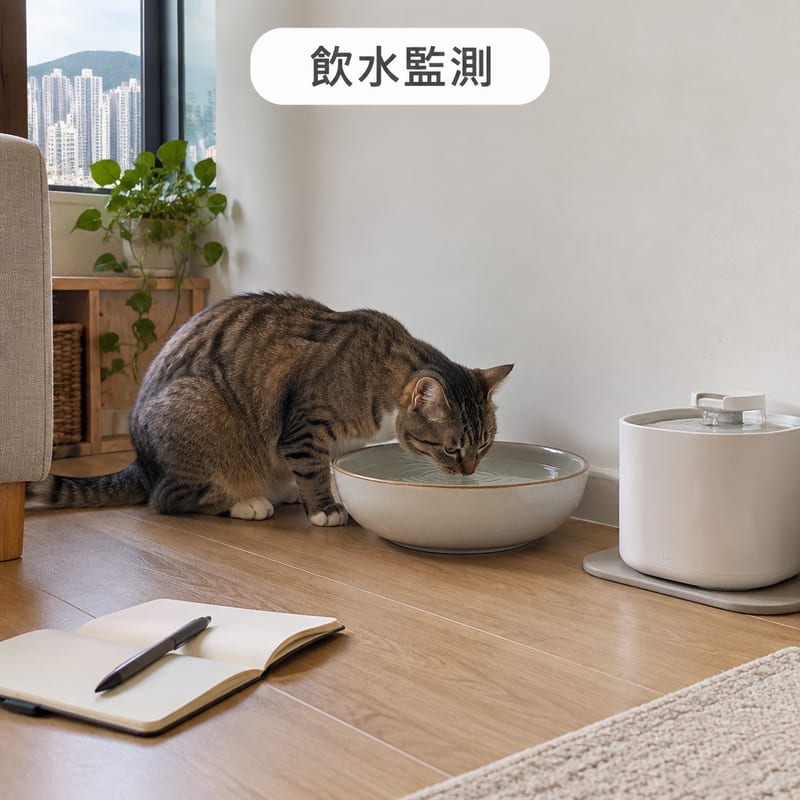
Hydration: Cats naturally drink little, and chronically ill cats need even more attention. Practical approaches include: placing several water bowls, using wide shallow bowls, changing to fresh water daily, keeping bowls away from the litter box and food bowl, trying a flowing water fountain, replacing some dry food with wet food (ask the veterinarian first), and adding a small amount of warm water to wet food. Increase the amount of water gradually; adding too much at once will cause food refusal.
Buying prescription food: In Hong Kong, buying prescription food usually requires a veterinary prescription or clinic confirmation; when shopping online, some platforms require clinic details. After delivery, check the batch, best-before date and packaging integrity, and store separately from ordinary food to avoid family members feeding the wrong food. Below are examples currently available; prices and stock are subject to the online store's live price:
- Royal Canin Prescription Cat Food EARLY RENAL+MOBILITY Early Renal and Joint Prescription 2kg — HK$319
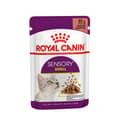
- Royal Canin Prescription Cat Wet Food RENAL+MOBILITY Renal and Joint Prescription (Gravy) 85g — HK$20
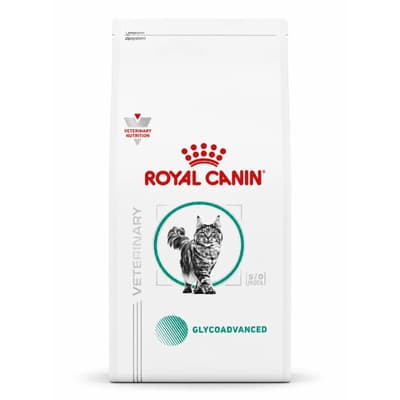
- Royal Canin Prescription Cat Food GLYCOADVANCED Adult Diabetic Control Prescription 1.5kg — HK$300
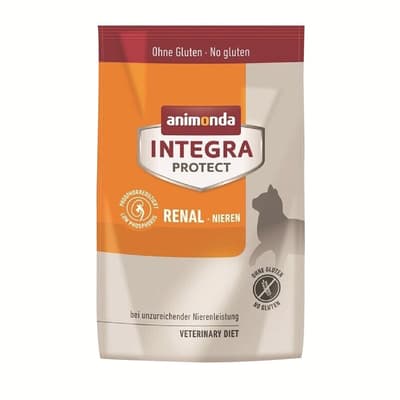
- Animonda INTEGRA PROTECT Prescription Cat Food Adult Renal Formula 1.2kg — HK$155
- AIXIA Cat Wet Food Renal Health Complete Meal Pouch Series 40g — HK$8.5
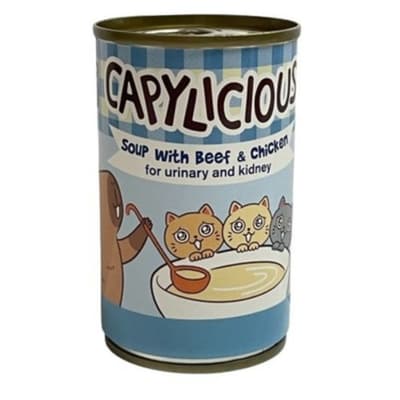
- Capylicious Cat Canned Functional Hydration Soup Urinary and Renal Support Beef and Chicken Soup 140g — HK$14
PetChill offers free delivery across the store, local Hong Kong delivery, no minimum spend; members have a personal 5% off discount code, which can be used at checkout, and there is also a 7-day return arrangement. If you have questions about food types, stock or prescription requirements, you can ask customer service; service hours are Monday to Saturday 9:30 am to 6:30 pm.
Cooperating with follow-up visits: Bring the feeding record book, weight record, packaging of the food and treats currently being eaten, and whether there has been recent vomiting, diarrhoea or food refusal. For a pre-visit preparation checklist, see Checklist for Taking Your Cat to a Follow-up Visit.
When to see a veterinarian immediately
In the following situations, don't wait for the follow-up visit; contact the veterinarian or a 24-hour emergency clinic immediately:
- Persistent or repeated vomiting, especially vomiting blood, vomiting foreign objects, or vomiting as soon as they eat.
- Complete food refusal for more than one day, or food intake below about half of usual for two consecutive days.
- Obvious lethargy: hiding for long periods, not responding to calls, unwilling to stand up or walking unsteadily.
- Abnormal breathing: noticeably faster breathing rate at rest, open-mouth breathing, laboured breathing or noisy breathing.
- Abnormal urination: no urine at all, frequent litter box visits but very little urine, blood in urine, or prolonged posturing to urinate (an emergency).
- Rapid weight loss or obvious muscle loss, accompanied by sudden changes in water intake or food intake.
- Seizures, loss of consciousness, abnormal body temperature, or a hard distended abdomen that won't let you touch it.
The above are general principles only. The condition of a chronically ill cat can change in many ways, so if you feel "something is different from usual", it's better to call the veterinarian a day early than to wait for symptoms to become obvious. Medication, dosage and treatment arrangements are always decided by the veterinarian; cat owners should not add, reduce or stop medication themselves.
Further reading
- Chronic Illness Cat Diet Management Guide
- Early Warning Signs of Chronic Illness in Cats
- Chronic Kidney Disease Care for Cats
- Low Phosphorus Diet Guide for Cats with Kidney Disease
- Diabetes Care Guide for Cats
- Hyperthyroidism Guide for Cats
- Checklist for Taking Your Cat to a Follow-up Visit
- Complete Guide to Senior Cat Care
References: WSAVA Global Nutrition Guidelines (https://wsava.org/global-guidelines/global-nutrition-guidelines/), International Cat Care feline health information (https://icatcare.org/advice/), AAFP feline guidelines (https://catvets.com/guidelines/position-statements), IRIS chronic kidney disease staging resources (https://www.iris-kidney.com/), Hong Kong AFCD pet food safety information (https://www.afcd.gov.hk/tc_chi/quarantine/qua_petfood/qua_petfood.html).
This article was reviewed by the PetChill Veterinary Editorial Team. The content is for reference only and cannot replace veterinary diagnosis, prescription or treatment.
In an emergency, contact a veterinarian immediately; this article is for reference only and cannot replace veterinary diagnosis.
Information checked as of 2026-10-14 · Source: PetChill Editorial Team
 Royal Canin full guide →
 AIXIA full guide →
 Fuji One full guide →