Bichon Frise
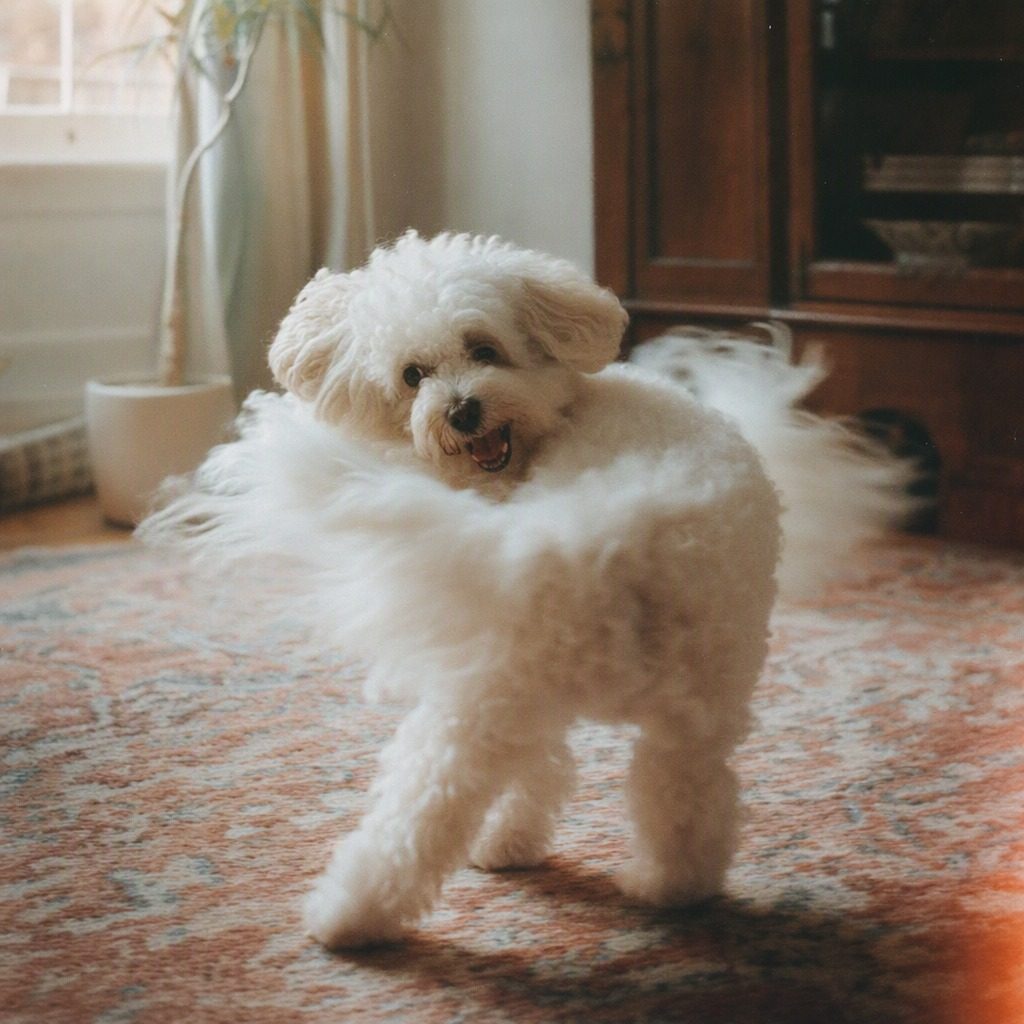
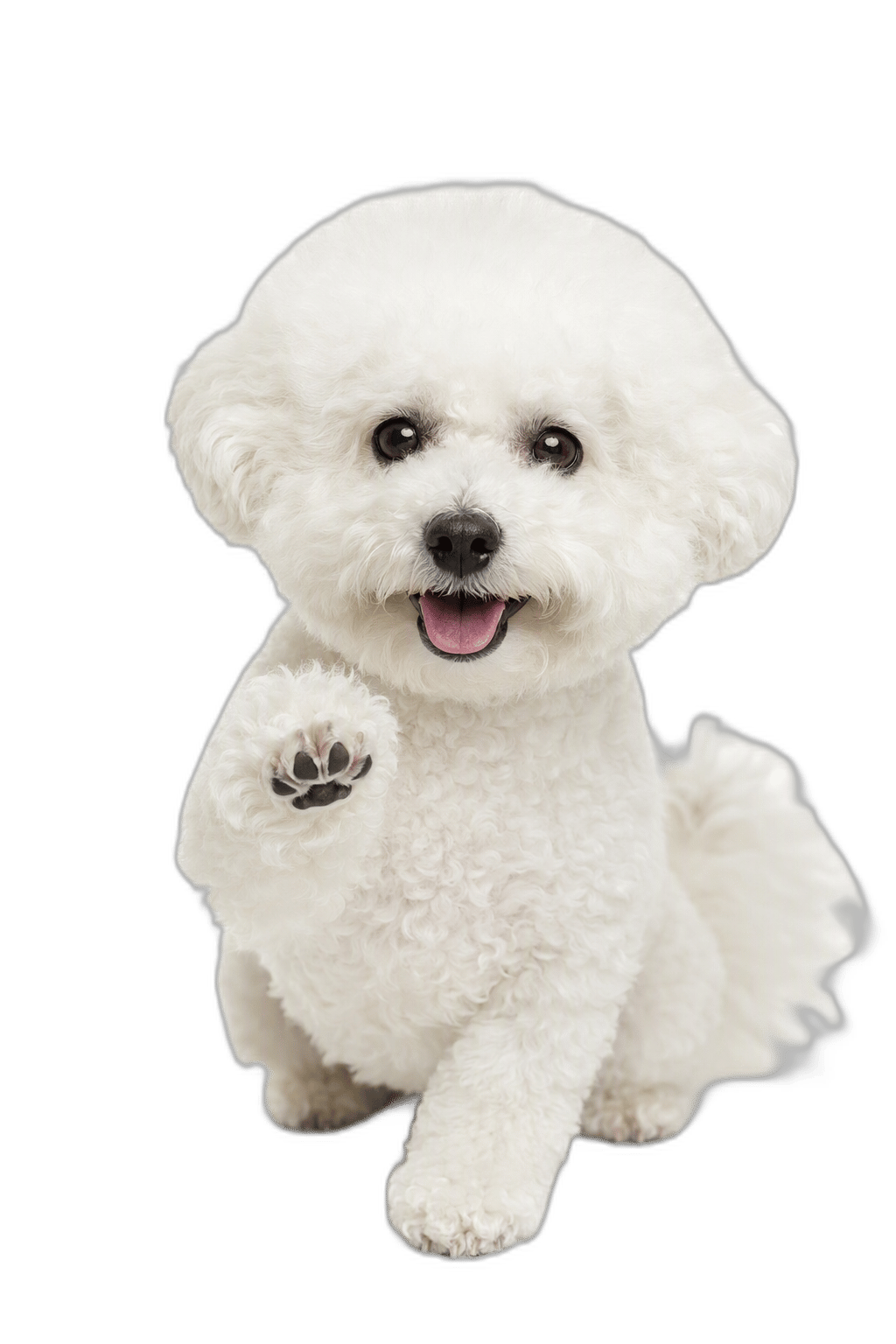
The Bichon Frise is a small white dog originating from the Mediterranean region, known for its fluffy curly coat, round black eyes and cheerful temperament, and is a popular apartment companion dog in Hong Kong. Adult weight is about 3–5 kg and shoulder height about 23–28 cm; chest depth is about half the body length and the body shape is close to square. The skeleton is roughly set by 10–12 months, and weight may increase slightly until it stabilises around 15 months. Average lifespan is about 12–15 years, the typical long-lived range for small breeds. The coat is a white double curly coat: low-allergen and almost non-shedding, but the hair keeps growing and doesn't fall out on its own, so professional grooming is needed every 4–6 weeks. The temperament is cheerful, affectionate, highly sociable and easy to train, with moderate tolerance of being alone and a tendency towards separation anxiety. Hong Kong market reference: pet quality about $10,000–25,000, pedigree quality about $25,000–45,000; monthly costs about $1,500–2,900. The international kennel clubs recognise only one size, and "mini" and "teacup" are marketing terms. Exercise needs are two short walks a day, 30–45 minutes in total; the floor-area requirement is far lower than for medium and large dogs.
📺 32-second video · Cantonese narration
The Bichon Frise story, in one take
From its origins to Hong Kong homes — how did the Bichon Frise become one of Hong Kong's most popular pet breeds?
- ✓Origin story: starting in its homeland
- ✓Personality: Gentle and affectionate
PetChill Pet Encyclopedia
Daily life & habits
A Bichon's day can be planned very regularly: a 15–20 minute morning walk at a fixed time to build routine; a short interaction and toilet break at midday, with home-visit services recommended for those out for long periods; a 15–25 minute walk at dusk, the golden window for burning energy; brushing and checking around the eyes in the evening, 5–10 minutes daily to prevent tear stains; quiet company before bed to reduce separation anxiety. The principle for matching exercise: an adult Bichon weighing 3–5 kg needs 30–45 minutes of walking in total each day plus 10–15 minutes of indoor play, and that is enough; excessive running and jumping (especially before 1 year old) does nothing good for developing joints. After a walk they still look expectant, so add sniffing and brain games to tire them out. Weigh them at the same time each month and do a body condition check every two weeks; put the numbers from vaccination visits on the same chart so any abnormal rate of change is obvious at a glance. They are classic shadow dogs, so when left alone give them puzzle feeders and sniffing mats to pass the time. Choose early morning or after sunset for walks, avoiding the 11:00–16:00 peak sun; after getting home, dry the legs and belly and check the skin for redness while you're at it. In summer avoid long periods baking in the sun, and leave a shaded spot and fresh water at home.
Care essentials
Grooming
A Bichon's double curly coat keeps growing and doesn't fall out on its own; leave it two weeks without care and it starts to mat, and within a month the mats may be bad enough that the whole section has to be shaved short. Professional grooming in Hong Kong generally costs $400–800 per session every 4–6 weeks, averaging about $500–900 a month, or about $2,000–4,000 a year — an ongoing expense you cannot skimp on; eye cleaner, brushes, shampoo and other daily care items are extra at about $100–300 a month. In daily care, use a pin brush every 2–3 days, brushing up from the undercoat until you can see the skin; after bathing the coat must be dried thoroughly at low temperature, because an undercoat that isn't dry through easily leads to wet-dog smell, yeast and skin problems. Tear stains show up very clearly on a white curly coat: wipe the mouth after meals, wipe the paws after walks, keep the eye area dry with eye cleaner daily and trim hair that covers the eyes; if tear staining suddenly worsens or comes with redness and scratching, see a vet to rule out ingrown eyelashes, blocked tear ducts and infection. Bichons are a low-shedding breed, but dead hair gets trapped in the curly undercoat and clumps if not brushed — "low shedding" doesn't mean no maintenance. Grooming is the Bichon's biggest fixed expense, not food, so put it in the monthly budget rather than waiting for mats to fix things. Don't bathe too often, and choose a mild pet shampoo.
Training
The right way to start with a Bichon is short and frequent: 5–10 minutes per session, 2–3 sessions a day, and stop as soon as they get distracted — they get bored, not lazy. Reward before correction: food motivation is high, and taking part of the dry food out as rewards is the simplest approach. Toilet training has four anchor points: on waking, after meals, after play, and before bed they must go to the spot, and reward immediately when they get it right. Start toilet and crate training from the first day home, and consistency of rules is key. They love to perform and will spontaneously jump onto the sofa seeking attention, so turn the performance into a command game while setting boundaries. Strong learning motivation and an ability to read your face make them the classic "clever but will negotiate" companion dog. The socialisation window is about 3–14 weeks; follow vaccination progress and your vet's advice on going out, exposing them to different surfaces, sounds and friendly people and dogs. They are extremely sensitive to tone of voice and expression, so scolding does particular damage — use only the reward route, with a steady tone. Scolding and physical punishment make them cower and work worse; when they get it wrong, take them back to the spot and do it again, and clean away the smell — that's enough.
Diet
Choose a small-breed formula labelled "Puppy", with protein and a calcium-phosphorus ratio suited to skeletal development — don't add calcium powder yourself in excess. The number of meals decreases with age: at 2–3 months, 3–4 meals a day; after 6 months, transition to 2 meals a day; feed at fixed times and amounts, and don't free-feed — leaving the bowl out for all-day eating is the easiest way to raise a fat Bichon. Start portions from the packaging recommendation and adjust every two months according to the weight curve, keeping treats under 10% of daily calories. Change food gradually over 7–10 days; slow down if stools go soft, because Bichons generally have sensitive digestion and a sudden food change is the number one cause of diarrhoea. High-risk foods are grapes and raisins, onion, xylitol and cooked bones — never feed them. After neutering the metabolic rate drops, so reassess calories, possibly reducing by 10–20%; staple food and treats cost about $500–1,000 a month, and sensitive individuals can choose a low-allergen formula. Puppies on dry food need their water intake watched; note any sudden increase and follow up with the vet. Do a body condition check every two weeks — feel the ribs and look at the waistline — which is more reliable than a single figure in kg. In puppyhood don't treat snacks as meals, to avoid excess weight in youth.
Living environment
A practical setup for a Bichon in a small flat: fixed positions for the food and water bowls, with a non-slip mat to reduce spills; put the crate or pen in a corner of the living room to create a "safe den"; add steps to the sofa and bed to reduce the joint load from daily jumping. Hong Kong's humidity is persistently high from May to September (5–9), a severe test for a double-coated Bichon — an undercoat that isn't dry through is effectively throwing a party for yeast and bacteria, so use a dehumidifier at home to keep humidity at around 50–60%, and dry the legs and belly after walks in the rain. In summer walk in the early morning or after sunset, avoiding the 11:00–16:00 peak sun; before a walk hold the back of your hand on the ground for five seconds — if it's too hot to touch, walk on grass instead. A dog must never be left in a car. Housing Society rental units have in principle allowed small pet dogs with a valid dog licence since April 2025 (month 4); for private units, check whether the building's deed of mutual covenant has a no-pets clause. In autumn and winter grooming can be every 5–6 weeks, and deworming should not stop all year. A Bichon's muzzle is a normal length so it dissipates heat better than flat-faced dogs, but a thick white curly coat and small size still don't mean it can be overheated at will. If the dog scratches persistently, the skin changes colour or thickens, or the ear canals smell, that falls under dermatology — see a vet early rather than applying ointment yourself.
Bichon Frise everyday food & supplies
Chosen by species (dog) from products PetChill stocks — not a breed-specific formula. Actual suitability depends on age, weight and health.

Nutriplan Soft Dog Food Immunity and Skin Care Support 1.2kg (64337)
HK$98About HK$81.67 per kg
Price checked 2026-10-21; the store page shows the live price, stock and offers.

Bella & Molly's Dutch Berry Royal Selected Dog Food AAFCO Grain-Free Single Protein Salmon Formula 50g (Limited Time Experience)
HK$10About HK$200 per kg
Price checked 2026-10-21; the store page shows the live price, stock and offers.
 Special offerHK$175HK$235
About HK$77.16 per kg
Price checked 2026-10-21; the store page shows the live price, stock and offers.
History & origin
The Bichon Frise is a small dog originating from the Mediterranean region, with a history going back to the 14th century. "Bichon Frise" means "curly lap dog" in French, and their ancestors were probably descendants of water spaniels and small white dogs.
Bichons were originally pets of Spanish and Italian nobility, and after arriving in France in the 16th century their charming looks made them a hit in the French court, becoming lap dogs of noblewomen. After the French Revolution, Bichons moved from the court into ordinary life, and thanks to their affectionate nature became companions of street performers and family pets.
Today the Bichon Frise is one of the most popular small breeds worldwide. They have the signature white curly coat (like cotton candy or a cloud), black button eyes and a black nose, making them extremely cute in appearance. In temperament they are cheerful, affectionate, lively and playful, friendly to children and other pets — the classic "happy pill". They don't shed (curly coat structure) and are considered a low-allergen breed, but need regular grooming (every 4-6 weeks) to keep the coat tidy. Bichons suit urban families and are a popular choice for first-time dog owners.
Who it suits
Is the Bichon Frise right for you?
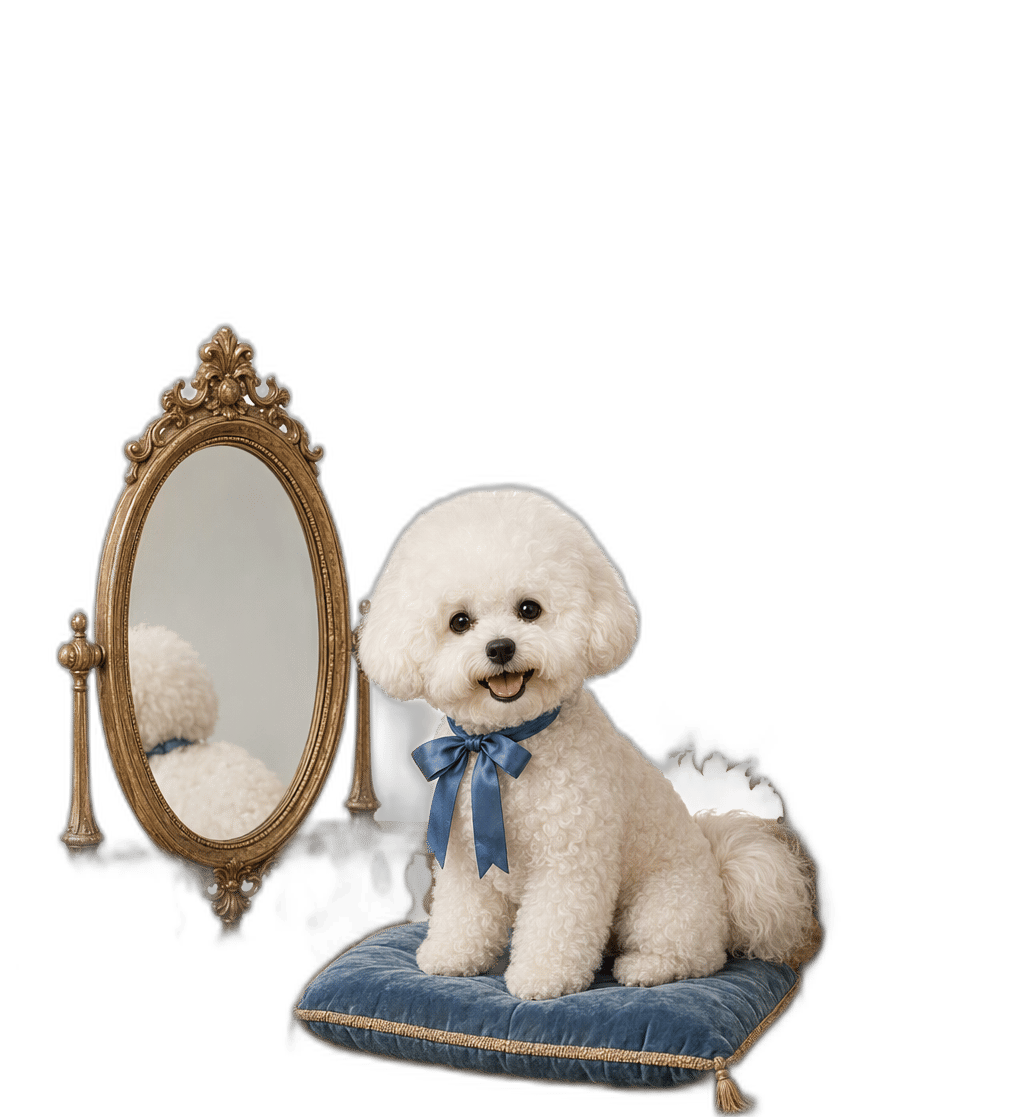
Very suitable for apartment and small-flat residents: small size, low exercise needs. Suitable for first-time dog-owning families: affectionate and easy to train. Suitable for families with children: good tolerance, but teach children not to hug too tightly. Not recommended for people who work long hours or travel often: Bichons are prone to separation anxiety and easily bark when left alone. If you are sensitive to grooming costs, assess it first — a white curly coat needs regular professional grooming. Three high-risk combinations are worth resolving first: working nine to ten with more than 8 hours alone each day carries a high risk of separation anxiety, so confirm you have boarding or family members taking turns; for households sensitive to dust mites and lint, Bichons are low-shedding but not hairless, and dander is also an allergen; if the budget only covers "the purchase price" with no monthly reserves, grooming, skin and dental care are all ongoing costs. If none of the three applies, most of the drawbacks are really routine maintenance — fixed times, a fixed budget and a fixed method will manage them. If no one is home for long periods, arrange boarding or a dog-walking service before getting a dog; for beginners, they are small and eat little and are behaviourally easy, but care is not cheap — the white coat, tear stains and skin all need regular investment. Don't punish the dog because "it cries so hard" — anxiety is not disobedience.
Health & care
Common health issues and care advice for the Bichon Frise
Most common problems in Bichons are "quality-of-life" issues rather than "fatal" ones; what actually shortens their lives tends to be obesity, untreated periodontal disease and accidents. Six major influencing factors: genetics and source, weight, dental care, skin and ear canals, environmental safety, and medical follow-up. The longevity checklist: complete the core vaccination course in puppyhood, get them used from an early age to having the mouth touched, eyes wiped and coat brushed, and keep treats under 10% of daily calories; in adulthood do a body condition check every month — ribs easily felt with a light touch and a visible waistline are ideal — brush the teeth at least 2–3 times a week, exercise 30–45 minutes daily at fixed times, and have a full health check once a year plus monthly deworming; from 7 years old change health checks to every six months, adding blood and urine tests, and make walks short and frequent. After 8 years old there may be changes in sleep cycles, decline in sight and hearing, and increased anxiety about unfamiliar environments. If appetite drops sharply for more than 24 hours or water intake suddenly doubles, see a vet as soon as possible. Senior care relies on a fixed routine, a small night light, and a bed on the floor level. An older dog that hesitates when getting up or refuses stairs may have joint pain — that is not normal ageing; don't underestimate the long-term effects of dental disease and obesity.
Want to see more dog breeds?
Besides the Bichon Frise, you can also compare Beagle, Rottweiler and Maltese — breed guides that compare personality, size and care difficulty.
Frequently asked questions
The questions people ask most about the Bichon Frise
The Bichon Frise originates from the Mediterranean region; after arriving in France in the 16th century it became a favourite in the court and is regarded as a French breed. "Bichon Frise" means "curly lap dog" in French.
They hardly shed. The Bichon's hair has a curly structure and does not shed seasonally, so it is considered a low-allergen breed, suitable for people sensitive to dog hair.
Yes. The Bichon's white curly coat keeps growing, so grooming is needed every 4-6 weeks, plus daily brushing to prevent matting; grooming costs have to be budgeted for.
Cheerful, affectionate, lively and playful, friendly to children and other pets — a typical "happy pill" and particularly well suited to family life.
Yes. The white coat shows tear stains easily, so the eye area needs regular cleaning, the diet needs attention (avoiding allergens), and a vet should be consulted if necessary.
Bichon Frise articles
6 articles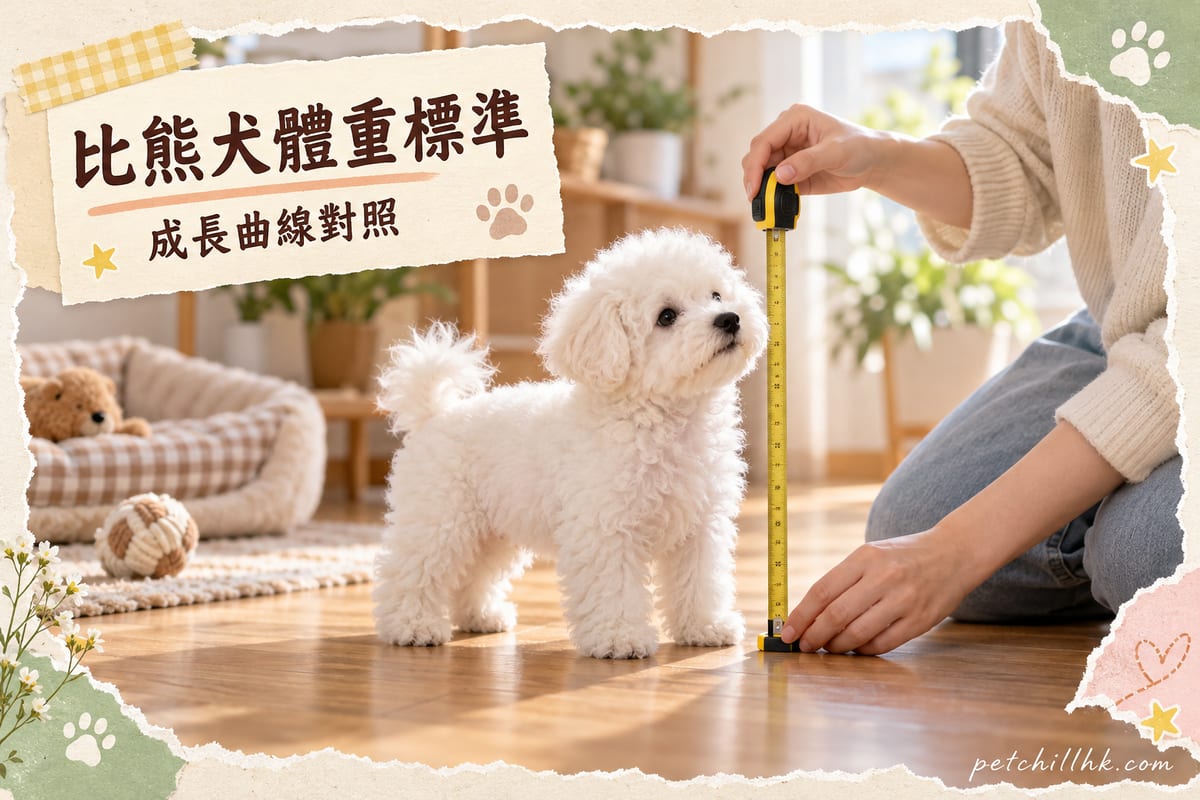
How Much Should a Bichon Frise Weigh? Hong Kong Puppy to Adult Growth Curve Chart
An adult Bichon Frise typically weighs about 3–5 kg and stands 23–28 cm at the shoulder, with bones nearing full development at around 10–12 months. This article provides a weight growth curve chart from birth to adulthood, feeding and care tips for each stage, the 5-point Body Condition Score (BCS) check, a home measurement SOP, and the truth behind 'mini Bichon' claims.
Read the full article →
Bichon Frise Downsides: 7 Real Costs Hong Kong Owners Must Know (With Monthly Budget)
Is a Bichon Frise easy to keep? This honest guide breaks down 7 downsides: high grooming costs, white coat that shows dirt and tear stains, sensitive skin, separation anxiety and clinginess, alert barking, genetic risk of patellar luxation, and common dental issues — each with practical solutions and monthly cost estimates.
Read the full article →
Bichon Frise Hong Kong Care Guide: Public Housing Rules, Damp and Heat Management, and Source Verification
Is a Bichon Frise right for Hong Kong? This guide breaks down the legal restrictions on keeping a Bichon Frise in Hong Kong (Housing Authority public housing tenancy, Housing Society arrangements, building deeds of mutual covenant, dog licence rules), practical setup for small flats, key points for managing damp and heat in Hong Kong's weather, and how to verify licensed breeders and adoption sources, so you can think it through before deciding whether to get a dog.
Read the full article →
Bichon Frise Lifespan: 12–15 Years and How to Help Them Live Longer
Bichon Frises generally live around 12–15 years, making them one of the longer-lived small breeds. The influencing factors, in order of importance, are genetic origin, weight control, dental care, skin and ear canal management, environmental safety, and regular health checks. Below are the key checks for each life stage and a practical longevity checklist.
Read the full article →
Bichon Frise Personality and Intelligence Explained | Hong Kong Owner's Training Guide: Smartness and Obedience at a Glance
Where does the Bichon Frise rank in intelligence? This article breaks down Bichon personality, learning ability, getting along with children and other pets, male-female differences, and training methods. It clarifies the common misconception of 'dog intelligence ranking 100' and analyses how the intelligence and workload differences between the Border Collie and the Bichon affect your decision to keep one, with a trait-behaviour-response table.
Read the full article →
Bichon Frise Price and Adoption Guide | Hong Kong Buying Tips 2026
Bichon Frise prices in Hong Kong are around $10,000–25,000 (pet grade) and $25,000–45,000 (show/breeding grade). This guide covers the eight documents to check when buying a dog in Hong Kong, the truth behind the 'mini Bichon' premium, adoption routes via SPCA, NKAC and IRC, the free puppy adoption trap, and a monthly cost estimate table.
Read the full article →You may also like
Other dog breeds like the Bichon Frise