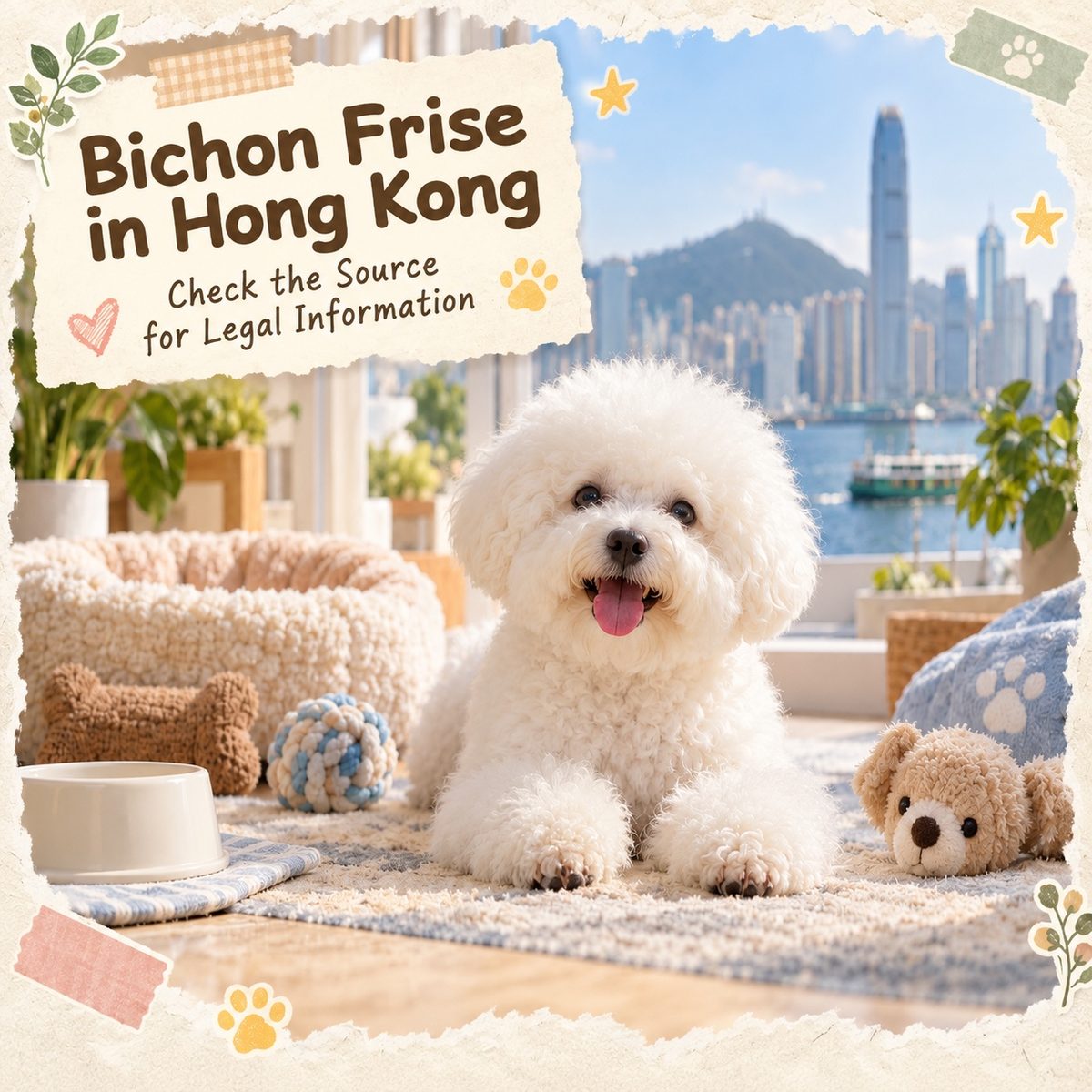
Quick answer: The Bichon Frise is small and has moderate exercise needs, so it is quite suitable for Hong Kong homes; the real hurdle is the law—Housing Authority public housing tenancies prohibit keeping dogs (service dogs such as guide dogs excepted), while private buildings depend on the deed of mutual covenant. Dogs aged five months and over must have a dog licence, and damp and heat management plus grooming every 4–6 weeks are ongoing tasks.
Want to know all about the Bichon Frise? Start with the Bichon Frise breed profile.
1. Clear the legal hurdle first: public housing, Housing Society and building deeds
Keeping a Bichon Frise in Hong Kong—the first hurdle is not money, but whether the place you live allows it. You need to distinguish three systems:
- Housing Authority public housing: The tenancy explicitly prohibits keeping dogs without consent; the one-off temporary scheme from 2003 closed registration long ago and has not been relaxed since. What has been relaxed in recent years is a tolerant arrangement for neutered cats; the dog policy remains unchanged. In other words, public housing tenants basically cannot keep a Bichon.
- Housing Society rental units: Since April 2025, the Housing Society has in principle allowed tenants to keep small household pets, including dogs with a valid dog licence, but some mixed estates are still subject to the building's deed of mutual covenant.
- Private units: There is no legal prohibition, but the building's deed of mutual covenant and tenancy terms may prohibit keeping pets, and breach of contract can mean being asked to move the dog out at any time.
Before getting a dog, confirm in writing with the management office or landlord and keep a record. This step costs nothing but can save the whole family trouble once the dog has grown up.
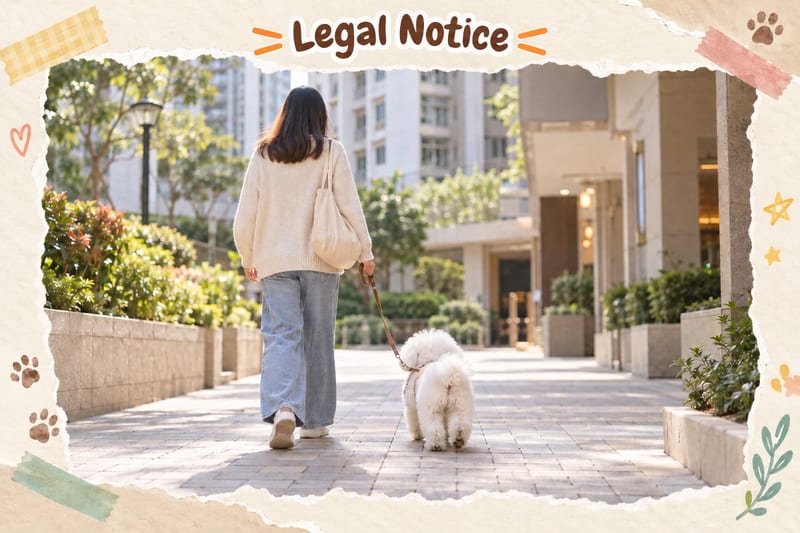
2. Is a Bichon Frise suitable for a small flat in Hong Kong?
Yes, and it is one of the easier small breeds to care for. The Bichon Frise is generally 23–28 cm at the shoulder and 3–5 kg in weight, so its floor-area requirements are far lower than those of medium and large dogs. Two walks a day totalling 30–45 minutes, plus indoor play, is roughly enough to burn off energy—this is a completely different world from the Border Collie: a Border Collie typically needs more than an hour of high-intensity exercise and mental tasks every day, and in a small flat without proper outlet it easily develops destructive behaviour. So those searching for 'Border Collie Hong Kong price' should assess their own time and space before getting one, not just look at the price.
From puppy to adult, weight goes through several stages; for a comparison see Bichon weight standards and growth curve.
Practical setup for keeping a Bichon in a small flat:
- Fix the food and water bowls in place and use a non-slip mat to reduce water spills
- Put a crate or pen in a corner of the living room to create a 'safe den'
- Add steps to the sofa and bed to reduce the daily joint strain of jumping up and down

3. Dog licence, vaccination and microchip: three pieces of paper that can help you
Hong Kong law requires that dogs aged five months and over must have a dog licence, and rabies vaccination by a registered veterinarian is required before licensing. It is also advisable to keep up the following:
| Item | Recommended practice | Frequency/timing |
|---|---|---|
| Dog licence | Complete vaccination and license around five months old, renew on time | Follow up annually |
| Rabies vaccine | Administered by a registered veterinarian and records kept | According to the veterinarian's recommended interval |
| Core combination vaccine | Core items such as distemper and parvovirus | According to the puppy schedule |
| Microchip | Implant and register transfer of ownership | One-off |
| Monthly deworming | Flea, tick and heartworm prevention | Monthly; do not stop in humid conditions |
If you keep a dog without a licence and encounter enforcement, the consequences range from fines to confiscation; this 'saving' is absolutely not worth it.
4. Damp is the biggest enemy of a white coat
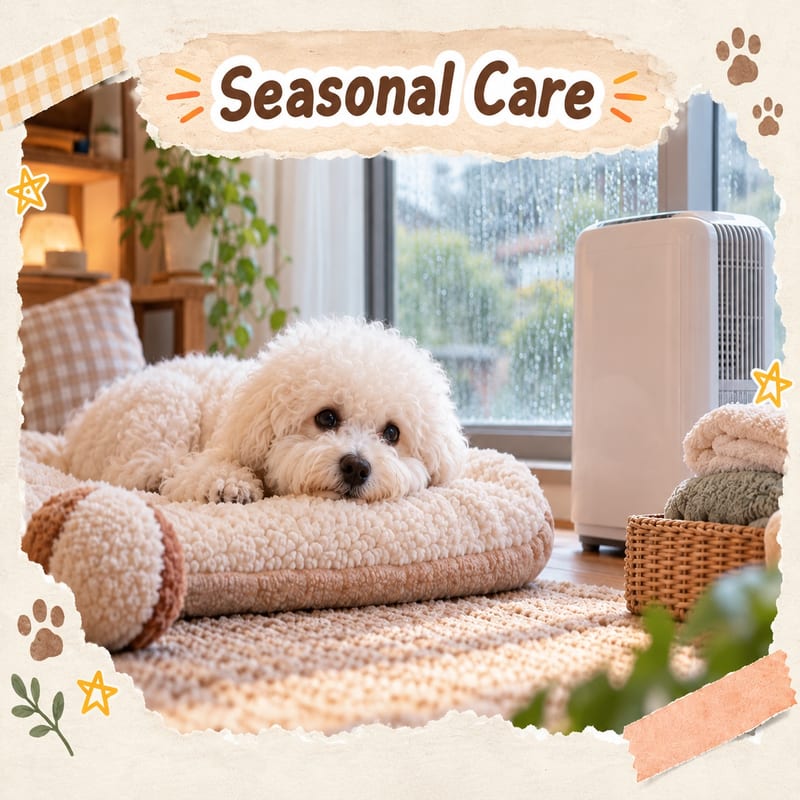
Hong Kong's humidity is persistently high from May to September, a severe test for the Bichon's double curly coat. An undercoat that is not thoroughly dry is an invitation for yeast and bacteria to party: wet-dog smell, itching, ear scratching and reddened skin often follow. There are three practical principles:
First, always dry thoroughly after a bath—use a hairdryer on low heat, lift the coat layer by layer and dry down to the skin, not just until the surface looks fluffy. Second, use a dehumidifier at home to keep humidity at around 50–60%, which is comfortable for both coat and skin. Third, after walking in the rain, dry the legs and abdomen; for individuals prone to damp ear canals, deal with ear hair regularly as advised by the veterinarian or groomer.
If the dog shows persistent scratching, skin discolouration or thickening, or smelly ears, this falls within dermatology—see a veterinarian as soon as possible rather than applying medication yourself.
5. Summer heat protection: the five-second pavement test
The Bichon has a normal-length muzzle and cools better than flat-faced breeds, but a thick white curly coat and small body still do not mean it can be left in the heat. Practical summer measures:
- Choose early morning or after sunset for walks, avoiding the scorching 11:00–16:00 period
- Before a walk, hold the back of your hand against the ground for five seconds; if it is hot to the touch, walk on grass or go later
- Never leave a dog in a car, even for a few minutes
- Signs of heatstroke: rapid panting, heavy drooling, unsteady standing—move the dog to shade immediately, pour water over the body to cool it down, and call the veterinarian
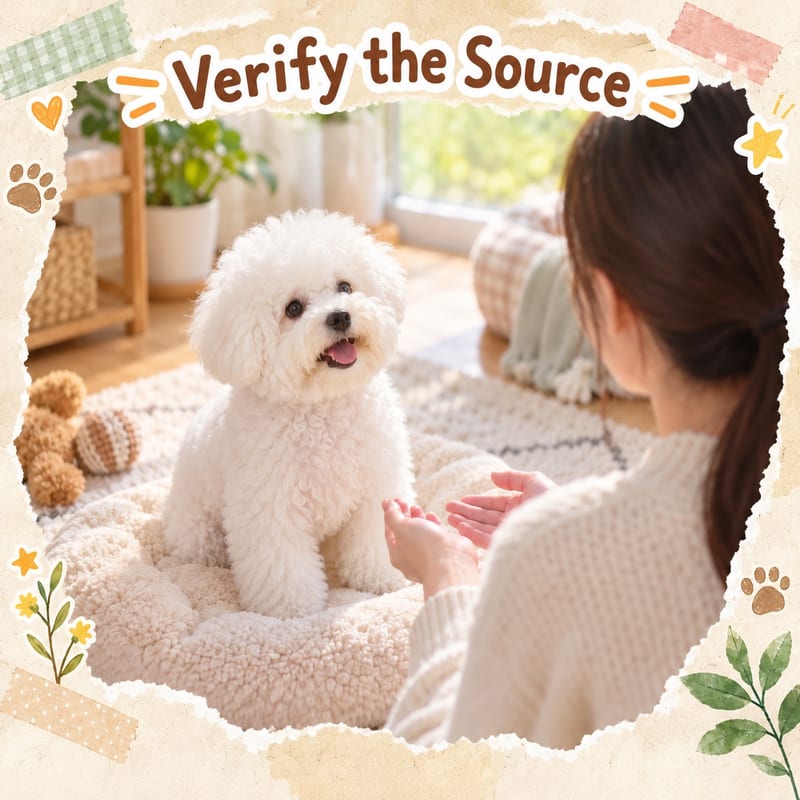
6. Source verification: licensed shops, breeders and adoption
For those searching 'Hong Kong buy dog recommendation', 'Hong Kong pet shop recommendation' or 'Hong Kong licensed breeder list', remember: the list is based on the licensed animal trading premises published by the Agriculture, Fisheries and Conservation Department; versions circulating on websites and in groups may be out of date at any time. When visiting a shop, stick to the bottom line: see the mother dog on site, vaccination and deworming records signed by a veterinarian, and a written contract in black and white. As for 'free puppy adoption Hong Kong' and 'Hong Kong dog adoption', the SPCA, the Hong Kong Animal Adoption Centre and rescue organisations occasionally have Bichon or Bichon-cross cases; the purebred proportion is low and there may be a wait, but the proper adoption process itself already includes vaccination and neutering, so its value is actually higher than 'free, take it home now' sources.
7. All in one table: seasonal checklist for keeping a Bichon in Hong Kong
| Item | Spring/summer | Autumn/winter | Advice |
|---|---|---|---|
| Walk times | Early morning/after sunset | All day, watch for dryness | Avoid scorching sun and wet ground |
| Damp control | High-risk period | More relaxed | Dehumidifier, dry the undercoat |
| Deworming | Essential monthly | Do not stop | Fleas and ticks are active all year |
| Grooming | Every 4–6 weeks | Every 5–6 weeks | White coat can be trimmed a little shorter in summer |
| Joints | Watch for slippery floors | Keep warm in air-conditioning | Use non-slip mats, add steps |
Frequently asked questions
Can I keep a Bichon Frise in public housing? Housing Authority public housing tenancies prohibit keeping dogs, with exceptions only for dogs registered under the 2003 temporary scheme and service dogs; what has been relaxed in recent years is a tolerant arrangement for neutered cats, not dogs. Housing Society rental units, however, have in principle allowed small pet dogs with a valid dog licence since April 2025, subject to the notice for the building you live in.
Is a Bichon Frise suitable for a small flat in Hong Kong? Yes. 30–45 minutes of daily walking plus indoor play is largely enough, far easier to manage than herding breeds such as the Border Collie, but you need to budget for grooming and time.
What procedures are required to keep a Bichon Frise in Hong Kong? Licence for dogs aged five months and over (rabies vaccination first), microchipping recommended, and check whether the deed of mutual covenant and tenancy have any no-pet clauses.
How should I care for a Bichon's coat in humid weather? After bathing, dry the undercoat layer by layer on low heat, keep home humidity at around 50–60%, and dry the legs after rain; persistent scratching or smelly ears require a veterinarian.
What are the key points for summer heat protection? Avoid walking at midday, test pavement temperature with the back of your hand, never leave the dog in a car; rapid panting and drooling are signs of heatstroke—cool down immediately and seek veterinary help.
How do I find a licensed source? Rely on the AFCD's published list of licensed animal trading premises, see the mother dog on site, check vaccination records and sign a written contract; for adoption, register with the SPCA, the Hong Kong Animal Adoption Centre and rescue organisations.
Key takeaways
- ✅ Legal hurdle first: Housing Authority public housing prohibits dogs; Housing Society rental units have in principle allowed licensed small dogs since April 2025; private units depend on the deed of mutual covenant
- ✅ Dogs aged five months and over must have a dog licence, with rabies vaccination first; keep renewal and microchip records
- ✅ The Bichon suits small flats; 30–45 minutes of daily walking, with a pen, non-slip mats and steps
- ✅ Hong Kong's damp is the enemy of a white coat: dry the undercoat, dehumidify to 50–60%, dry the legs after rain
- ✅ In summer avoid midday outings, test ground temperature with the back of your hand, and never leave the dog in a car under any circumstances
- ✅ Whether buying or adopting, verify first: AFCD licensed list + see the mother dog on site + written contract
Related reading
- Bichon Frise Hong Kong price and adoption guide
- Bichon Frise disadvantages: honest analysis and how to cope
- Bichon Frise lifespan and longevity guide
- PetChill pet supplies: one-stop for small-dog damp-control home, dehumidifying and outdoor products
 Wellness Core full guide →
 Fuji One full guide →