
Quick answer: The real downsides of a Bichon Frise centre on 7 points: high grooming costs, white coat that shows dirt and tear stains, sensitive skin, separation anxiety and clinginess, alert barking, risk of patellar luxation, and common dental issues. Each has practical solutions — read this before deciding, so you don't regret an impulse purchase later.
Want a full breed overview? Start with the Bichon Frise breed profile.
Let's be fair: this is not a discouragement piece. Bichon Frises are called "cotton candy" for their cheerful, family-friendly nature; the American Kennel Club (AKC) breed description calls them cheerful, affectionate and sociable companion dogs, and the UK Kennel Club lists them as suitable for families. Precisely because they are so lovable, we have a duty to spell out the downsides before you decide:
The fairest rule of dog ownership: the right owner is the one who knows the downsides and still accepts them.
Below are the 7 downsides, each with practical solutions and cost estimates.
Downside 1: Grooming is an unavoidable recurring expense
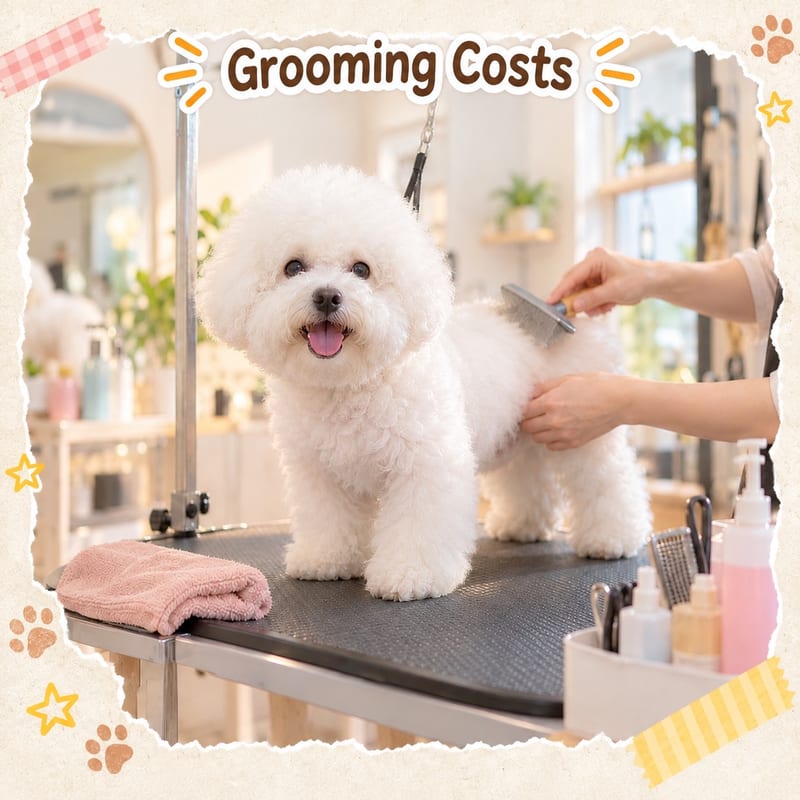
A Bichon's double curly coat grows continuously and does not shed on its own; leave it two weeks and mats start, leave it a month and you may need to shave it all off. Professional grooming in Hong Kong is typically $400–800 per session, every 4–6 weeks.
Solution: Put grooming in your fixed monthly budget; every 2–3 days, brush from the undercoat with a slicker brush until you can see the skin; after bathing, dry thoroughly on low heat (especially important in Hong Kong's humid weather).
Downside 2: White coat shows dirt, tear stains are very visible
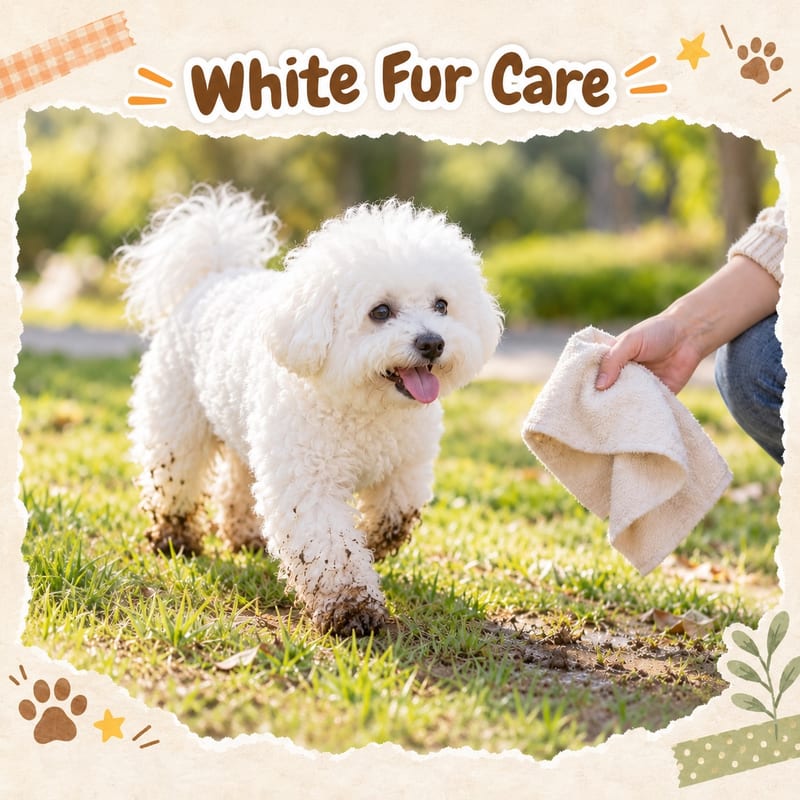
A white curly coat is a walking whiteboard: food sauce at meals, mud on walks, and reddish-brown tear stains from constantly moist eyes — a daily test for owners who want that "snow-white fluffy head".
Solution: Wipe the mouth after meals and paws after walks; keep the eye area dry daily with a pet eye cleaner and trim hair that covers the eyes; if tear stains suddenly worsen or are accompanied by redness and scratching, see a veterinarian to rule out ingrown eyelashes, blocked tear ducts and infection — do not use human eye drops.
Downside 3: Sensitive skin tendency
Bichons are recognised as one of the more skin-sensitive breeds, and Hong Kong's humid, muggy climate amplifies the risk: wet-dog smell, itching, and recurring yeast infections are common. Diet, bathing frequency and environmental humidity all need managing.
Solution: Keep home humidity around 50–60%; choose a mild pet shampoo and dry thoroughly after washing; if problems recur, discuss a hypoallergenic diet trial with your veterinarian. Medical issues should be diagnosed by a registered veterinarian — don't rely on internet remedies.
Downside 4: Separation anxiety, clingy to the point of being a "shadow"
Bichons are classic "velcro dogs": wherever you are, they are. Long periods alone can lead to anxious barking, destructive behaviour, or even refusing food. Families with long working hours who expect an independent dog should think carefully.
Solution: Start gradual alone-time training from short periods, keep departures and returns low-key; use food puzzle toys and snuffle mats to pass the time; consider daytime daycare or a second companion if necessary. Do not punish the dog for "crying so much" — anxiety is not disobedience, and punishment only makes it worse.
Downside 5: Alert barking
Bichons are quite alert; the doorbell, lift sounds, or footsteps in the corridor can trigger "announcement" barking. Soundproofing in small flats is often poor, so neighbour complaints are a real risk.
Solution: Do sound desensitisation training from a young age; don't shout to stop barking (they may think you're joining in); use positive reinforcement with "quiet — reward", and move their bed away from the door to reduce triggers. If barking is separation-related and worsening, consult an accredited trainer or a veterinary behaviour clinic.
Downside 6: Patellar luxation (kneecap dislocation)
A common orthopaedic problem in small dogs, and Bichons are on the list. Mild cases may just skip a few steps on one leg while running and recover; frequent or severe cases may need surgery.
Solution: Control weight (excess weight directly worsens wear); add steps to sofas and beds to reduce high jumps; put non-slip mats on floors; have annual veterinary palpation checks. Surgery and rehabilitation can easily cost over $10,000, so an emergency fund or pet insurance is worth considering early.
To know the ideal weight range, see the Bichon Frise weight growth curve.
Downside 7: Dental problems come quickly
Small dogs are generally prone to tartar and periodontal disease, and a Bichon's small crowded teeth need extra care; bad breath, drooling, and refusing hard food are often warning signs.
Solution: Brush teeth at least 2–3 times a week with dog toothpaste; use veterinary-approved dental products as supplements; scaling requires anaesthesia and is a surgical procedure — regular check-ups let the veterinarian assess timing.
Who should think twice: three high-risk groups
Now a quick self-assessment. If you fall into any of these three groups, resolve them before getting a Bichon:
- Out from 9am to 10pm, alone more than 8 hours a day: high risk of separation anxiety; confirm daycare or family rotation before considering a dog.
- Family members sensitive to dust mites or pet dander: Bichons are low-shedding but not hairless; dander is also an allergen — consider allergy testing first.
- Budget only covers the purchase price, no monthly reserve: grooming, skin and dental care are ongoing costs; stopping grooming is harder to handle than keeping a poodle.
If none apply, most of these downsides are simply "routine maintenance" — fixed time, fixed budget, fixed methods, and they can be managed steadily long-term.
One table: downside × solution × cost estimate
| Downside | Core solution | Monthly cost estimate |
|---|---|---|
| Grooming | Fixed 4–6 week grooming + home brushing | $500–900 |
| White coat dirt and tear stains | Wipe after meals and eyes, trim regularly | $50–150 |
| Sensitive skin | Humidity control + mild shampoo + diet management | $100–300 (including reserve) |
| Separation anxiety | Gradual alone training + toys + daycare | 0–$800 (depending on daycare) |
| Alert barking | Desensitisation + positive reinforcement | 0–$600 (training spread out) |
| Patellar luxation | Weight control + non-slip + steps | Medical reserve $200–400 |
| Dental issues | Regular brushing + vet assessment for scaling | $100–200 (spread out) |


Key takeaways
- ✅ Grooming is the biggest recurring expense: about $500–900 per month, unavoidable
- ✅ White coat = frequent wiping and trimming: tear stains, mouth after meals, paws after walks are daily tasks
- ✅ Sensitive skin and Hong Kong humidity amplify each other; keep humidity at 50–60% and dry thoroughly — a golden rule
- ✅ Separation anxiety is managed with gradual training + environmental enrichment; punishment only worsens it
- ✅ Prevent patellar luxation with weight control and non-slip floors; build a medical reserve early
- ✅ Start brushing teeth from puppyhood; scaling assessed by a veterinarian
- ✅ If you accept all this and still want one, you are the right Bichon owner
Related reading
- Bichon Frise personality and intelligence
- Bichon Frise lifespan: factors and how to extend it
- Bichon Frise price and adoption guide in Hong Kong
- PetChill pet supplies: eye care for white-coated dogs, slicker brushes and non-slip products
 Wellness Core full guide →
 Fuji One full guide →





