Yorkshire Terrier
📺 32-second video · Cantonese narration
The Yorkshire Terrier story, in one take
From its origins to Hong Kong homes — how did the Yorkshire Terrier become one of Hong Kong's most popular pet breeds?
- ✓Origin story: starting in its homeland
- ✓Personality: Gentle and affectionate
PetChill Pet Encyclopedia
Yorkshire Terrier everyday food & supplies
Chosen by species (dog) from products PetChill stocks — not a breed-specific formula. Actual suitability depends on age, weight and health.
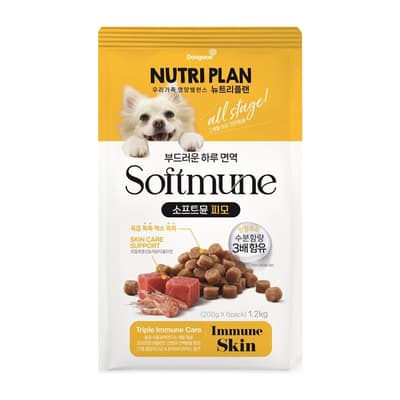
Nutriplan Soft Dog Food Immunity and Skin Care Support 1.2kg (64337)
HK$98About HK$81.67 per kg
Price checked 2026-10-21; the store page shows the live price, stock and offers.

Bella & Molly's Dutch Berry Royal Selected Dog Food AAFCO Grain-Free Single Protein Salmon Formula 50g (Limited Time Experience)
HK$10About HK$200 per kg
Price checked 2026-10-21; the store page shows the live price, stock and offers.
 Special offerHK$175HK$235
About HK$77.16 per kg
Price checked 2026-10-21; the store page shows the live price, stock and offers.
History & origin
The Yorkshire Terrier is a small terrier from Yorkshire in England, originating in the 19th century during the Industrial Revolution. Scottish workers who migrated to work in the textile mills of Yorkshire brought several kinds of small terrier with them, and those terriers were crossed with local breeds to produce the Yorkshire Terrier.
The Yorkshire Terrier was originally a working dog, catching rats in textile mills and mines, and its small size and brave character made it an excellent ratter. But its silky long coat and elegant looks soon drew the attention of high society, and in the Victorian era it became a fashionable pet among the aristocracy.
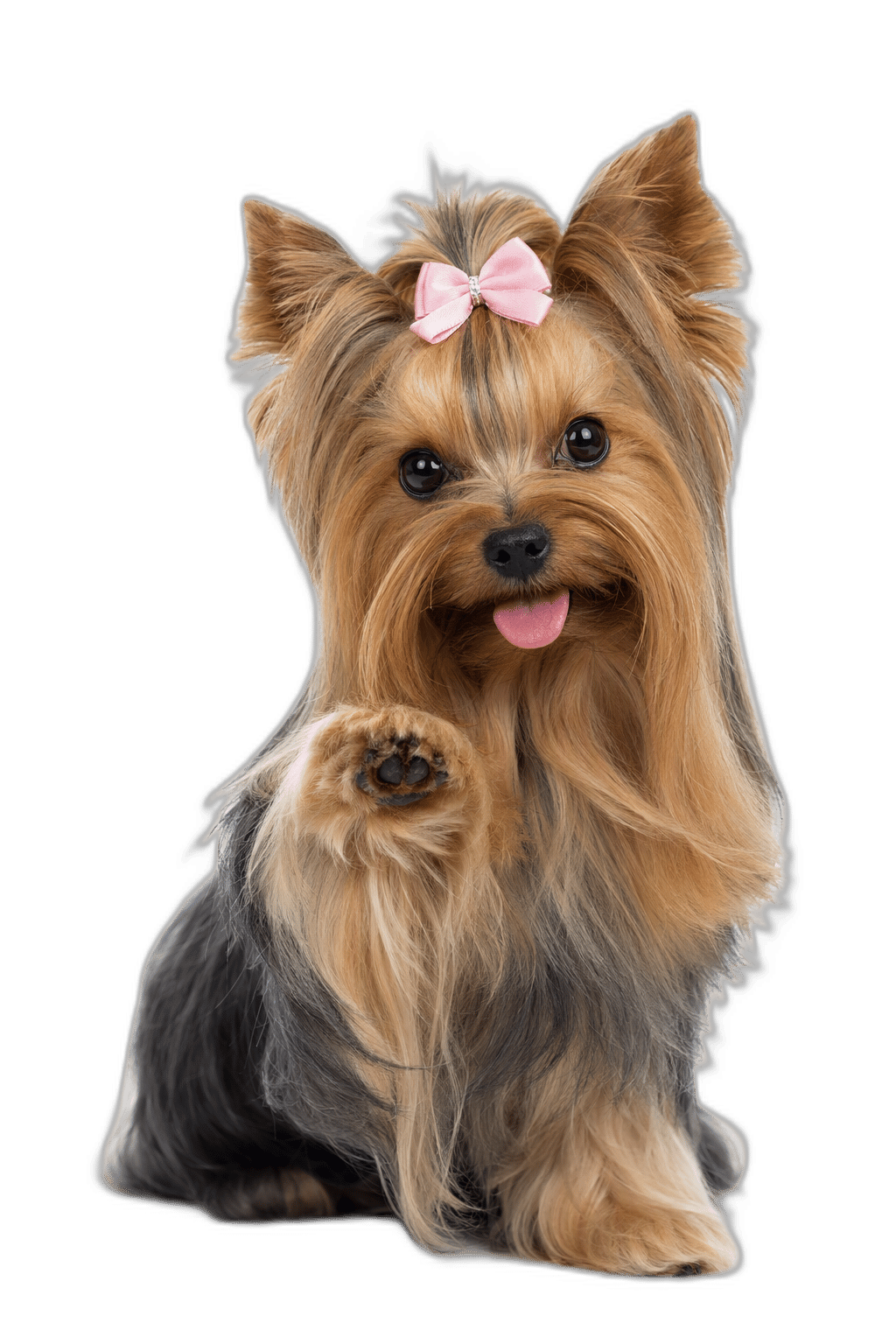
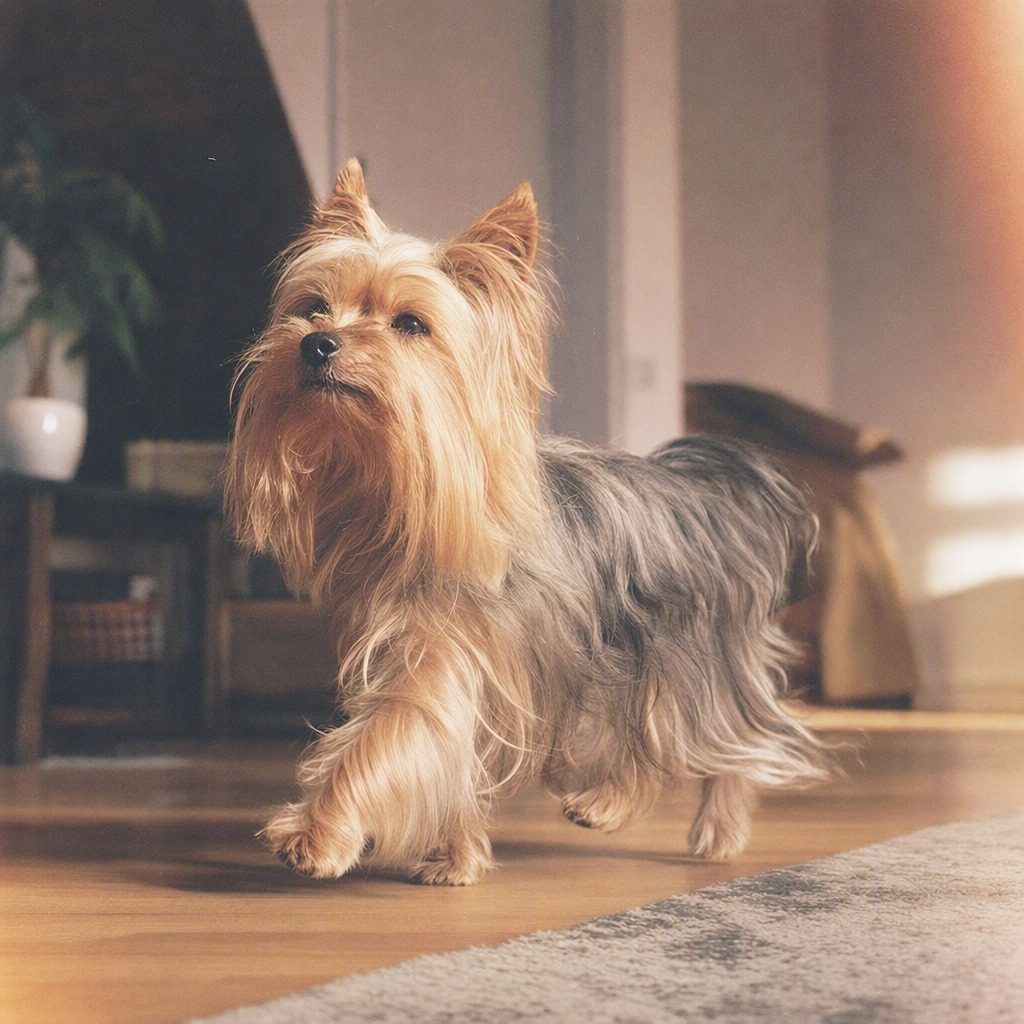
Today the Yorkshire Terrier is one of the most popular small breeds in the world. They are small (generally only 2-3 kg), with a silky long coat like human hair and a blue-and-tan colouring, giving an elegant, finely made appearance. In temperament the Yorkshire Terrier is brave, intelligent, loyal and affectionate; small in body but bold in character, which is where the saying 'a small body with a big soul' comes from. They are extremely loyal to their owner but wary of strangers and quick to bark, so early socialisation training is needed. The Yorkshire Terrier suits a small urban flat and is a popular choice for single people and older owners.
Frequently asked questions
The questions people ask most about the Yorkshire Terrier
The Yorkshire Terrier comes from Yorkshire in 19th-century England, bred from small terriers brought over by Scottish workers crossed with local breeds; they were originally rat catchers in textile mills and mines.
The Yorkshire Terrier is a small breed, generally only 2-3 kg, one of the smallest dog breeds in the world, and suits a compact flat.
It barks easily. The Yorkshire Terrier is brave but wary of strangers and quick to bark, so early socialisation training and 'quiet' cue training are needed.
The Yorkshire Terrier has a silky long coat, much like human hair, and needs daily brushing and regular grooming, or it can be clipped short to make it easier to manage.
Very much so. The Yorkshire Terrier is small with moderate activity needs, a compact flat gives it enough room, and it is an ideal choice for city living.
Yorkshire Terrier articles
4 articles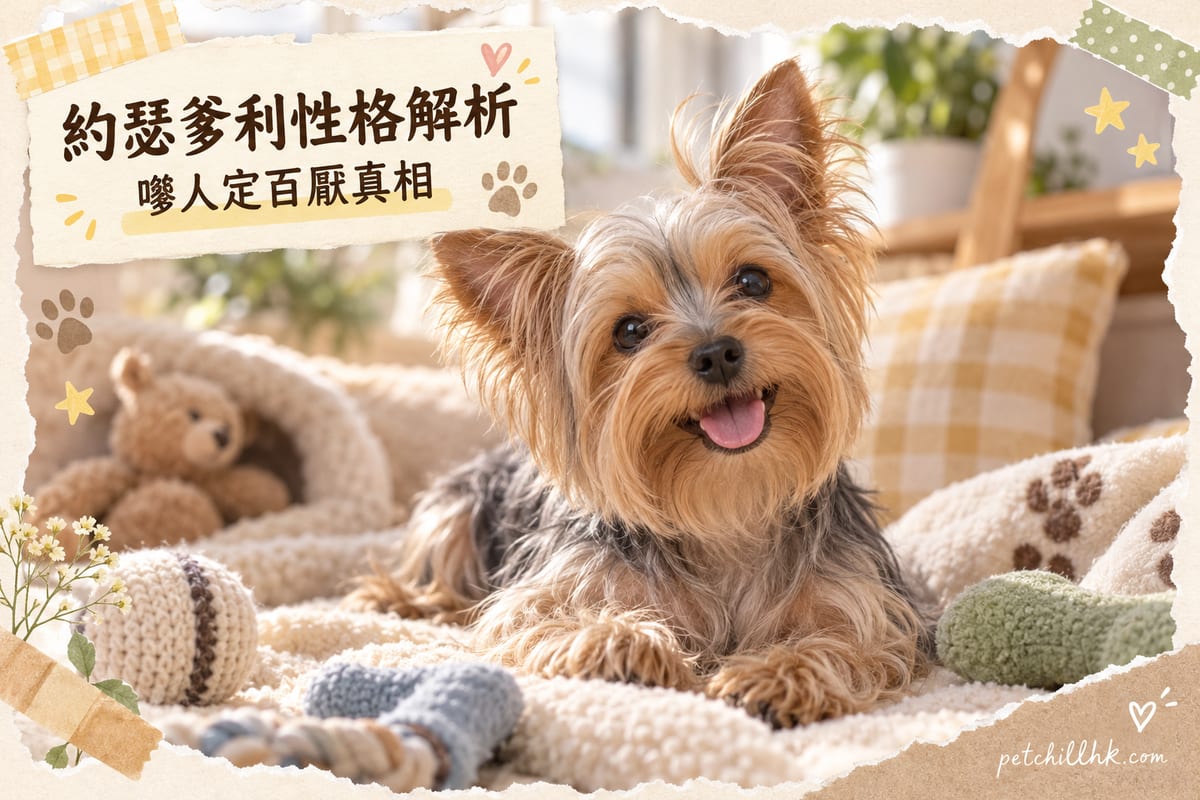
Yorkshire Terrier Personality Explained | A Must-Read for Hong Kong Owners: A Smart, Affectionate Companion with a Mind of Its Own
What is the Yorkshire Terrier's personality like? Brave and alert, smart and affectionate but with a mind of its own, ranked 27th in canine intelligence. This article breaks down five key personality traits, a four-week barking reduction plan, getting along with children and other pets, differences between males and females, and monthly costs in Hong Kong.
Read the full article →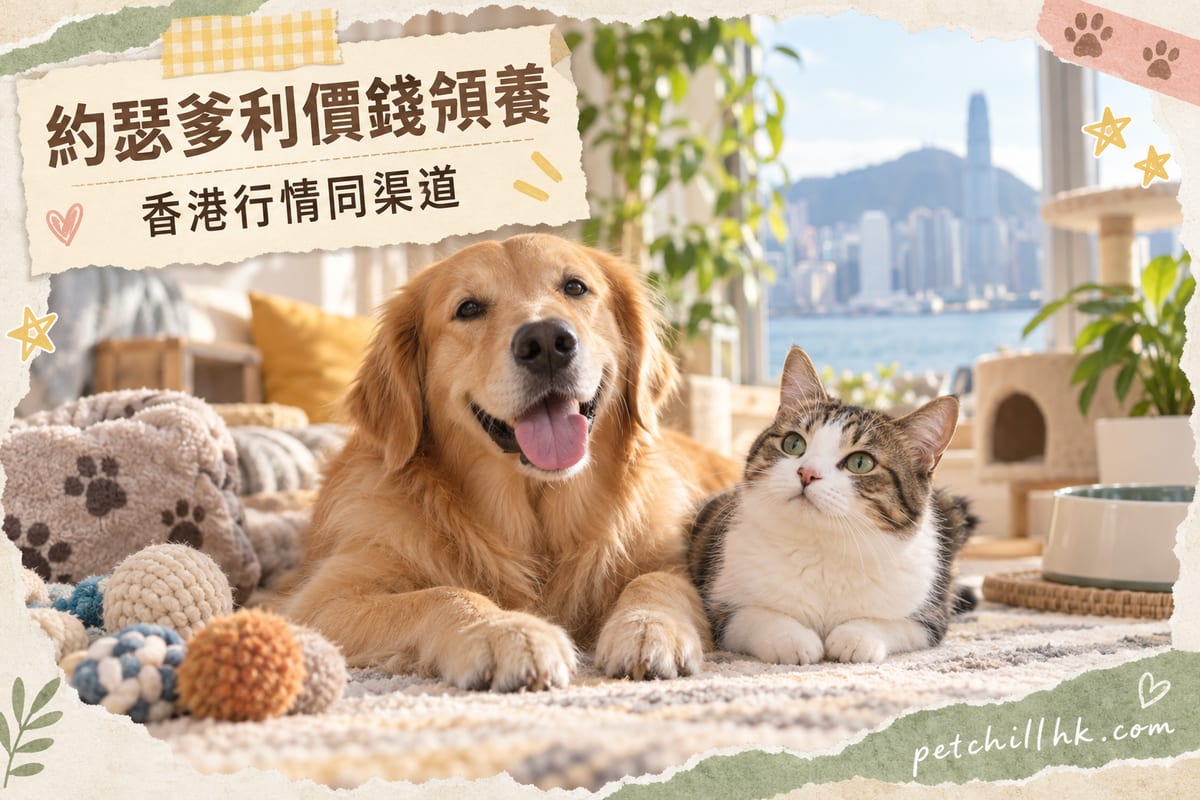
Yorkshire Terrier Price and Adoption Guide: 2026 Hong Kong Market, Channels and Verification Checklist
In 2026 Hong Kong, a pet-grade Yorkshire Terrier costs around $8,000–20,000, while a pedigree-grade one costs around $20,000–38,000; the high premium for a 'teacup Yorkie' is a danger signal. This article covers Hong Kong market price ranges, the chances and methods of adopting a Yorkie through the SPCA and NKAC, an eight-point verification checklist, and a monthly expense estimate table.
Read the full article →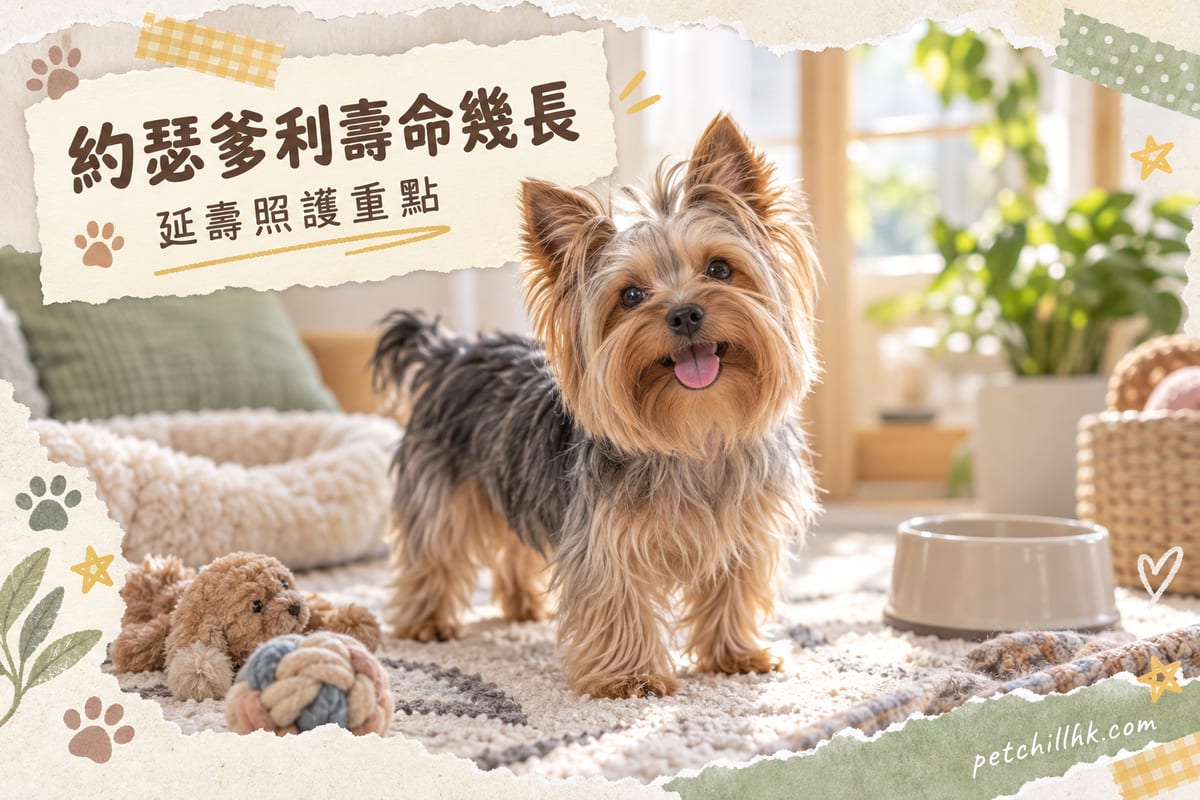
How Long Do Yorkshire Terriers Live? | Hong Kong 11–15 Years, Key Factors and a Longevity Checklist
Yorkshire Terriers typically live around 11–15 years, making them one of the longer-lived small breeds. This article breaks down six factors that affect their lifespan (genetic background, weight, teeth, knees and trachea, environmental safety and veterinary care), compares them with other breeds of similar size, and provides a longevity checklist from puppyhood to old age, a health-check focus table for each life stage, and warning signs to see a vet.
Read the full article →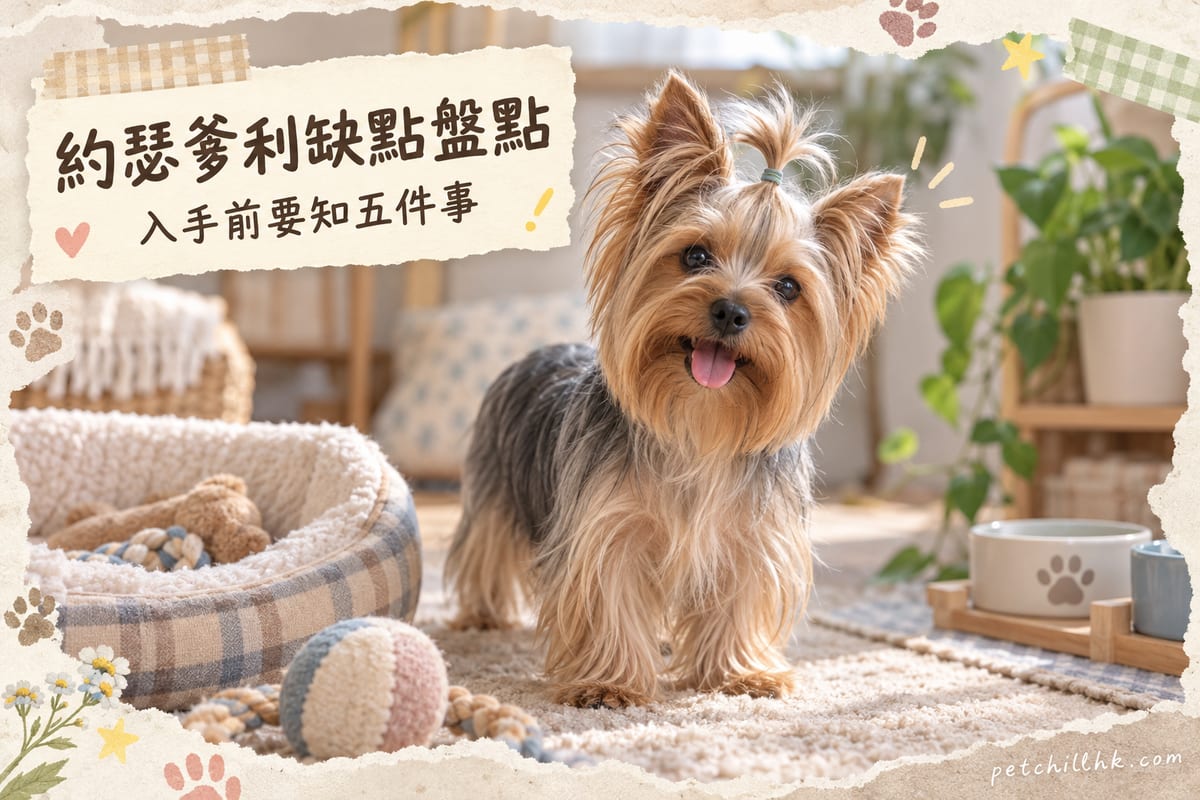
The Downsides of Owning a Yorkshire Terrier | 6 Real Costs Hong Kong Owners Must Know
Before you fall for the silky coat and dainty looks of a Yorkshire Terrier, here is an honest breakdown of 6 common downsides: alarm barking, long-coat grooming duty, fragile size, dental problems, separation anxiety, and puppy hypoglycaemia risk. Each comes with practical solutions and cost guidance — not a deterrent, just the truth.
Read the full article →You may also like
Other dog breeds like the Yorkshire Terrier