
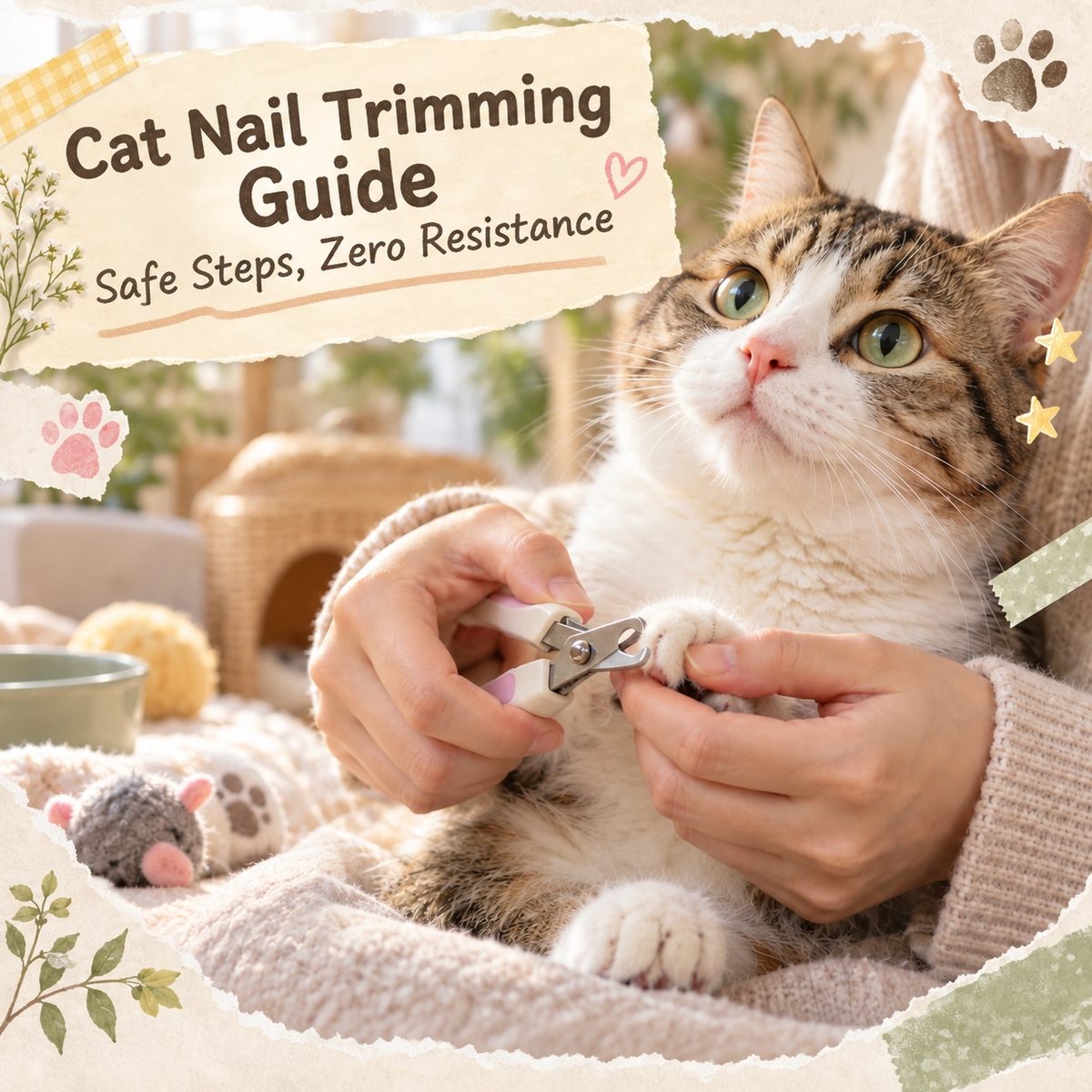
Quick answer: Just get your cat used to having its paws touched, identify the blood line, then use pet-specific nail clippers to cut off the transparent tip in one go. Reward with treats immediately after trimming, and you can easily do it at home without fear of scratches.
For many cat owners, trimming a cat's nails is a nightmare. The cat struggles desperately, you end up with scratched hands, and the nails remain untrimmed—damaging the human-cat relationship. In fact, with the right method, nail trimming can be simple. PetChill has put together this complete guide to help you say goodbye to 'nail-trimming phobia'.
Why do cats need regular nail trimming?
A cat's nails grow continuously. Without regular trimming, the following problems can occur:
-
Ingrown nails: Overgrown nails can curve and pierce the paw pads, causing infection and pain
-
Furniture damage: Scratching behavior intensifies, with sofas and curtains bearing the brunt
-
Accidental injuries: Playtime scratches family members, especially in households with children
-
Nail fractures: Overgrown nails are more likely to break and bleed during activity
Preparation before nail trimming
Tools
- Pet-specific nail clippers: Choose a style with a safety guard to avoid cutting too deep
- Styptic powder: For emergency bleeding control if you cut the quick
- Treats: For positive reinforcement, to build a good impression
Environment
- Choose a time when your cat is relaxed (just woke up, after a meal)
- Do it in a quiet, well-lit space
- Prepare a towel in case you need to restrain the cat
5-step nail trimming tutorial
Step 1: Build touch tolerance
In daily non-trimming times, frequently gently hold your cat's paws and press the paw pads to expose the nails. Practice 1-2 minutes daily for a week to get your cat used to paw handling.
Step 2: Observe nail structure
Cat nails contain a 'quick' (pink blood vessel). Cutting the quick will cause bleeding and pain. Only cut the transparent tip at the front of the nail.
Step 3: Correct hold
Gently hold the cat's paw, use your thumb and index finger to secure the toe to be trimmed, and apply slight pressure to expose the nail. Be steady but not rough.
Step 4: Quick and precise cut
Hold the clipper at a 45-degree angle to the nail and cut in one go. Hesitation will make the cat more nervous. Start with the hind paws, which are usually less sensitive than the front paws.
Step 5: Immediate reward
After trimming each paw, immediately give treats and praise. Positive association is key to getting your cat to cooperate next time.
| Step | Key action | Tip |
|---|---|---|
| 1. Build touch tolerance | Daily gentle paw holding, press paw pads | 1-2 minutes daily for a week |
| 2. Observe nail structure | Identify the pink quick | Cut only the transparent tip |
| 3. Correct hold | Thumb + index finger secure toe | Steady, not rough |
| 4. Quick and precise cut | 45-degree angle, one cut | Start with hind paws, less sensitive |
| 5. Immediate reward | Treats + praise | Build positive association |
What if you cut the quick?
Don't panic! Immediately press styptic powder onto the bleeding area for 30 seconds to 1 minute. If you don't have styptic powder, clean gauze or cornstarch works too. It usually stops within a few minutes. If bleeding persists for more than 5 minutes, contact your vet.
Recommended trimming frequency
- Average indoor cat: Every 2-3 weeks
- Senior or less active cats: Every 2 weeks (less nail wear)
- Kittens: Nails are softer and grow faster; check every 2 weeks
PetChill's caring advice
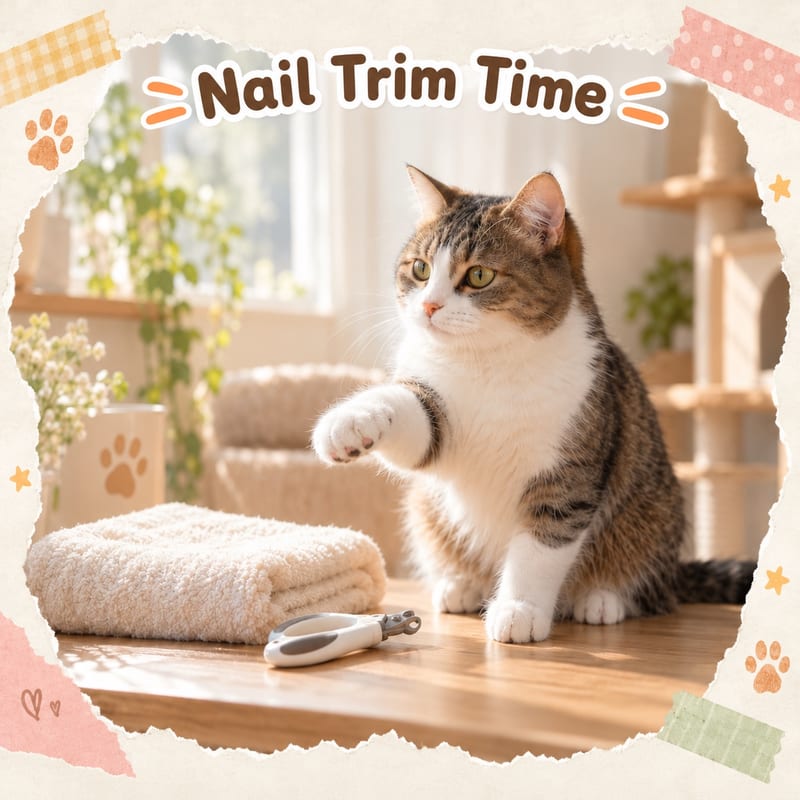
If your cat really resists nail trimming, don't force it! You can do it in stages: front paws today, hind paws tomorrow. Or seek help from a professional vet or pet groomer. Remember, patience and a positive attitude are more important than trimming all nails at once.
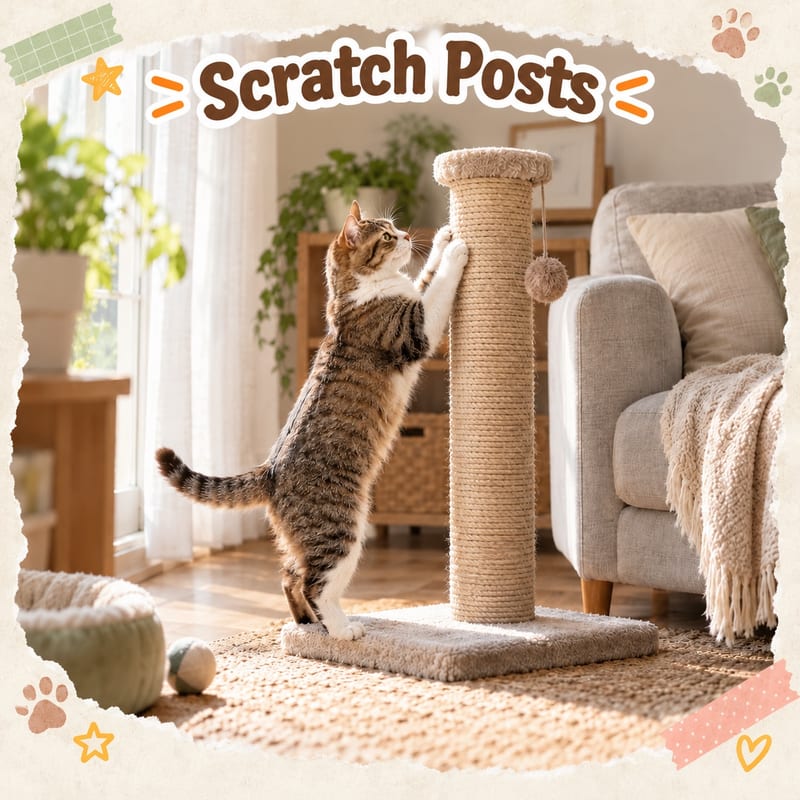
Pair with PetChill's recommended scratching boards and cat scratching posts to help your cat naturally wear down the outer layers of its nails and reduce trimming frequency!
Hong Kong small-flat nail trimming in practice: works even in tiny spaces
Hong Kong homes are small, and when cats get nervous they hide under the sofa, making trimming even harder. Actually, with good use of space, it's still manageable.
Pick the right time to start Hongkongers work during the day and only have time at night. But cats are energetic at night and more likely to get excited. It's better to choose a weekend morning when the cat has just woken up and is hungry; after eating, it will be more lethargic. If you can only do it at night on weekdays, first use a teaser toy to tire the cat out, then trim when it's exhausted.
Manoeuvring in small spaces No big living room? No problem! Close the bathroom door, put down a non-slip mat; the lighting is good and it's easy to clean. When trimming, face the corner with your back to the wall; with no escape route, the cat will let you hold its paw. If the cat is extremely resistant, you can first wrap its body in a towel like a 'spring roll', exposing only one paw to reduce struggle space.
Styptic powder alternatives No styptic powder at home? You can buy 'alum powder' or 'cornstarch' from Hong Kong pharmacies; the kitchen definitely has some. If you cut the quick, press for 30 seconds to stop bleeding. If it still drips after 5 minutes, go immediately to a 24-hour emergency vet (e.g., in Kowloon City, North Point).
Split trimming schedule Trim two front paws today, the rest tomorrow night; no need to do it all at once. After each trim, immediately open a can of wet food as a reward, and the cat will naturally look forward to next time. Remember to keep the nail clippers and treats in the same drawer; take them out before trimming so the cat associates it with something good.
Further reading
- All articles index
- PetChill pet supplies
- Cat and dog neutering guide →
- Cat weight management and BCS →
- Multi-cat household space planning →
- 5 tips for cat scratching training →
- The secret of cat purring →
📌 Key summary
- ✅ Trim every 2-3 weeks; kittens or senior cats may need every 2 weeks
- ✅ Start by handling paws daily to build touch tolerance
- ✅ Cut only the transparent tip, avoid the pink quick
- ❌ Don't force if the cat struggles; split over several days
- ❌ If you cut the quick, press with styptic powder immediately; don't panic