Quick answer: The main benefits of neutering cats and dogs in Hong Kong are preventing reproductive system diseases (such as pyometra, mammary tumours, prostate problems), improving heat-related behaviours (roaming, urine spraying, calling), and helping control stray animal numbers. The best timing varies by species and size: cats are generally recommended at 6–9 months, while dogs need veterinary assessment based on skeletal development. In the first week after surgery, strict wound care, restricted activity and timely follow-up appointments are crucial.
The one-line conclusion on neutering: three major benefits—health (reducing reproductive system diseases), behaviour (reducing roaming, urine spraying, calling), and society (controlling stray animal numbers)—and animal organisations generally recommend it; cats mostly at 6-9 months, dogs depending on size, timing must be discussed with a vet, and after surgery watch the wound, use a collar, and attend follow-up appointments on time. Below we explain each point.
Why do animal organisations recommend neutering?
Neutering isn't just about "not wanting them to have babies"—it's part of preventive medicine:
Health aspects:
- Females: reduces the risk of mammary tumours, ovarian cancer, pyometra and other reproductive system diseases—pyometra is an emergency and a real threat to unneutered middle-aged female cats and dogs.
- Males: reduces prostate diseases and testicular-related problems.
Behavioural aspects:
- Reduces roaming during heat—cats and dogs have a much stronger urge to dash out the door or window during heat, which is a high-risk period for getting lost and traffic accidents.
- Reduces urine spraying and nighttime calling in cats, and reduces territory marking and fighting tendencies in dogs.
Social aspects:
- Directly reduces accidental breeding, helping control stray cat and dog numbers, which is an important part of Hong Kong's street cat problem.
When is the best time to neuter?
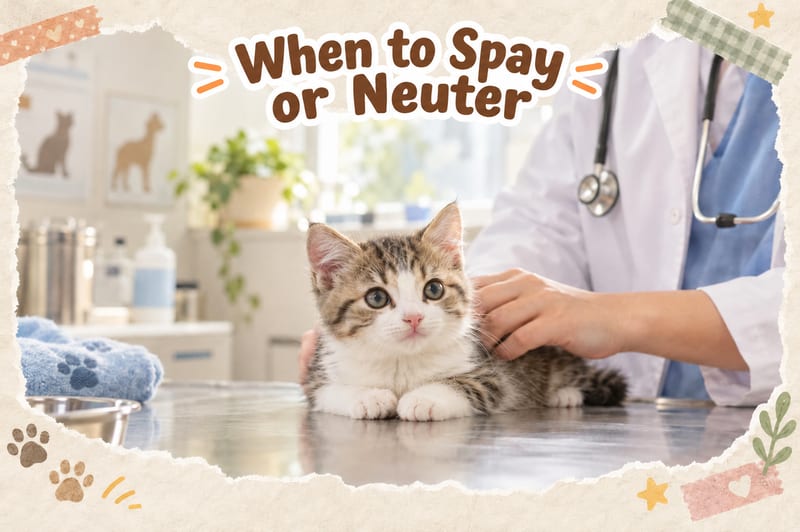
There is no standard answer that applies to all pets; the general principles are:
| Subject | General recommendation | Basis |
|---|---|---|
| Cats | About 6–9 months | Aim for before first heat |
| Small dogs | Earlier | Weight, developmental stage |
| Large dogs | Later | Skeletal maturity |
⚠️ Timing must be discussed with a vet—neutering too early may affect development, too late misses some health benefits. The vet will recommend the best time based on weight, developmental stage and health status; don't decide based on what you read online.
Before surgery, the vet will first do a health check (checking for potential upper respiratory infections, anaemia, etc.) and clearly explain the surgical method, anaesthetic risk and cost—remember to ask about each of these.
What to prepare before surgery?
- Health check: confirm the pet is fit for anaesthesia on the day.
- Follow vet instructions for fasting: an empty stomach before anaesthesia is mandatory; the duration follows the clinic's instructions.
- Ask clearly about costs and options: female neutering is more extensive, with different costs and recovery periods—know in advance.
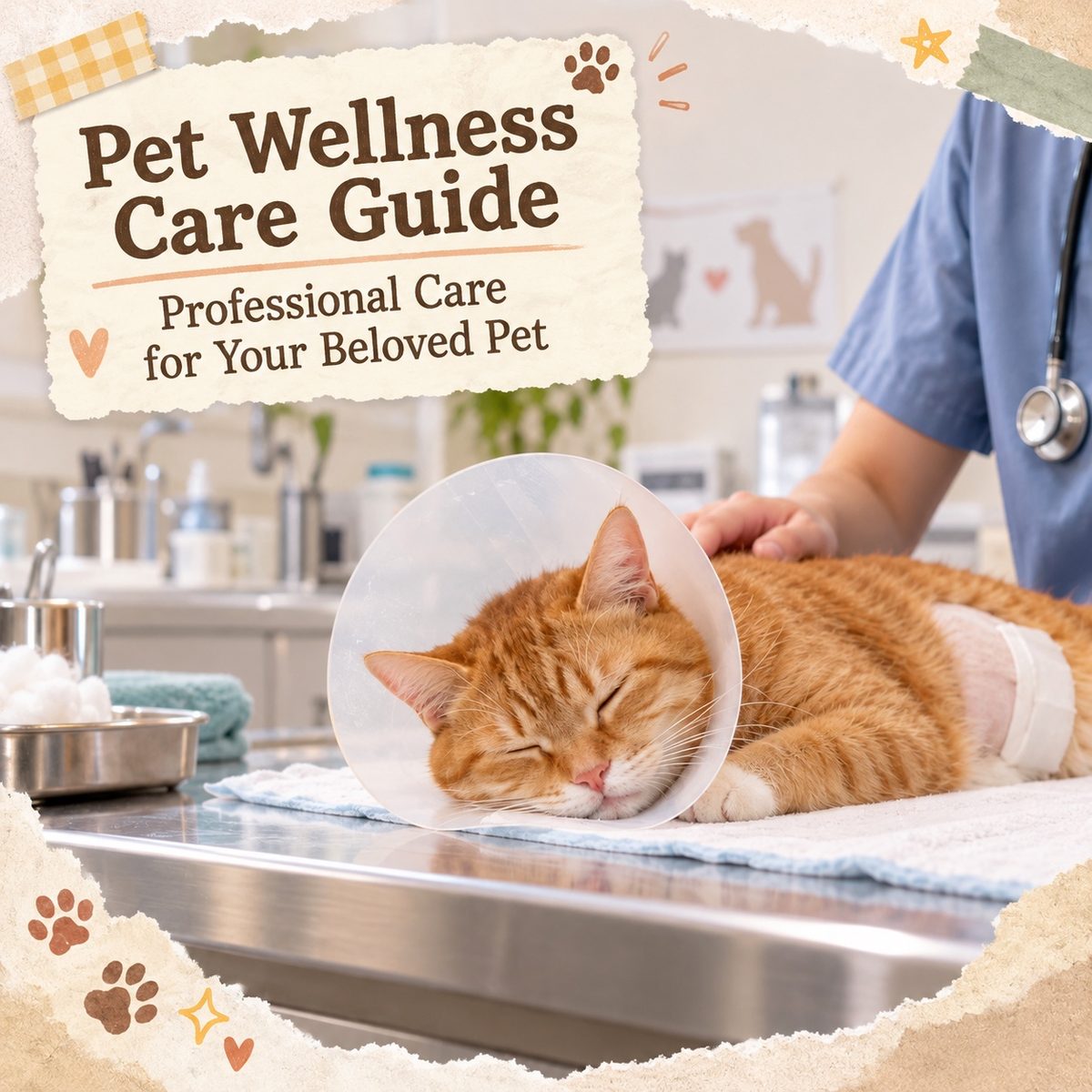
- Prepare recovery supplies: Elizabethan collar or post-surgery suit, clean soft bedding, a quiet recovery corner with few people.
- Book the pick-up time: try to schedule surgery on a day when someone is home; the first 24 hours require observation.
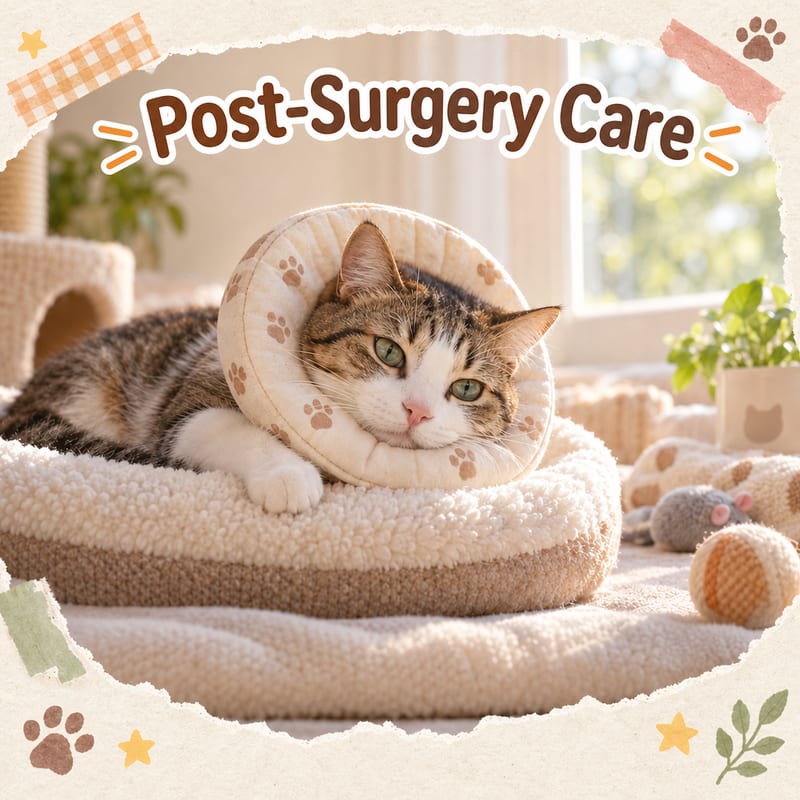
Post-surgery care: the first week is most critical
Five key points:
- Wound—check daily for redness, swelling, discharge, loose stitches; do not let your pet lick—licking is the number one cause of infection and stitch removal; use an Elizabethan collar at all times if necessary.
- Rest—limit jumping too high, going down stairs, playing with other pets; put away cat trees temporarily.
- Diet—resume feeding as instructed by the vet; a slightly reduced appetite short-term after surgery is common, don't worry excessively, but they must eat.
- Follow-up—attend stitch removal and check-ups on time; don't skip that trip.
- Weight management—metabolism changes after neutering; weight gain is more likely if you don't adjust portions; switch to normal calorie feeding and measured amounts, and don't treat surgery as an excuse to overfeed.
When to see a vet immediately?
If any of the following occur after surgery, don't wait for the follow-up appointment—contact your vet immediately:
- Completely not eating or drinking for more than a day
- Very lethargic, weak response, persistent drowsiness
- Wound redness and swelling worsening, pus, bleeding or stitches bursting open
- Persistent vomiting, noticeably enlarged abdomen
- Rapid breathing, pale gums
- Females still showing heat-like behaviour or abnormal discharge after surgery
These may be signs of infection, inadequate pain control or other complications; the earlier treated, the better.
Common question: Is neutering cruel?
Many owners feel sorry for their pets "having surgery", but from veterinary consensus, neutering does not make cats and dogs "feel lost"—they don't have human-like reproductive self-identity, and it actually avoids the stress of restlessness and calling during heat. What truly affects quality of life is obesity and boredom, which are solved by feeding control and companionship/play. If there are multiple unneutered pets in the home, the stress during heat and risk of accidental breeding are even higher; planning the schedule is the responsible approach.
Are male and female surgeries different?
Yes: male surgery is less extensive, most recover faster, usually back to normal in two to three days; female surgery is abdominal, with a larger wound, recovery usually takes one to two weeks, and the collar is worn longer. So on the day you pick up your pet, ask the vet clearly: how long is the recovery period, when is the follow-up, and is there a pain management plan. A slightly reduced appetite in the first few days after female surgery is common, but if completely not eating, see the vet.
What you can do starting today
- Note your pet's birth month and estimate whether you are already in the recommended window.
- Call the vet clinic to book a neutering assessment, ask about costs and post-surgery arrangements.
- Buy an Elizabethan collar or post-surgery suit in advance.
- After the follow-up, adjust diet portions with the vet to prevent overweight.
This article is for reference only and cannot replace professional diagnosis; for surgical timing and care questions, please consult a registered veterinarian.
Related product recommendations
New pet owners need to prepare basic equipment and staple food all at once. Here are related products available at PetChill:
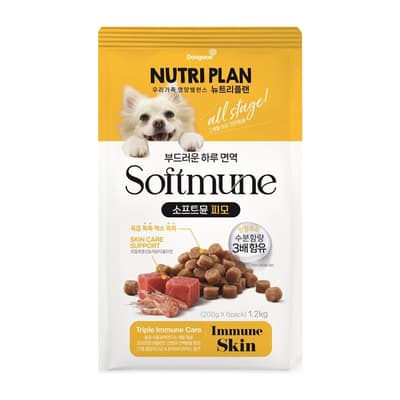
- Nutriplan Nutrition Plan Soft Dog Food Immune & Skin Care Support 1.2kg (64337) (Nutriplan Nutrition Plan) — skin and coat care
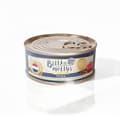
- Bella & Molly's Dutch Bella Royal Selection Dog Food AAFCO Grain-Free Series Single Protein Salmon Recipe 50g (Limited Trial) (Bella & Molly's) — grain-free formula, suitable for pets with sensitive stomachs
Want to see more: Nutriplan Nutrition Plan Brand Guide
Product prices and latest offers are subject to the product page; this article is for reference only.
Further reading
PetChill Newbie Team — Hong Kong's most authoritative pet knowledge platform
- Cat Weight Management and BCS →
- Multi-Cat Home Space Planning →
- Cat Tail Language Decoded →
- 5 Cat Scratching Training Tips →
- The Secret of Cat Purring →
Hong Kong Small Flat Neutering Practical Checklist: From Booking to Recovery
Hong Kong living spaces are tight, and pet owners in small flats need to turn neutering into concrete actions. Step one: check your pet's birth certificate or vaccination record and calculate the months—if a cat is already 6 months old, or a small dog is near 5–6 months, you can start contacting clinics. It's recommended to prioritise private veterinary clinics familiar with local public housing environments (for example, those with branches in Sham Shui Po, Kwun Tong, Tsuen Wan, etc.) for easier follow-ups and emergency response; when booking, proactively ask: whether they offer a brief pre-surgery video assessment, whether there is nighttime emergency support, and whether post-surgery suits/collars can be purchased on the spot. Step two: start preparing two days before surgery—clear a corner of the living room or bedroom, lay old towels and soft bedding, away from air-conditioning vents and direct sunlight; put away all cat trees, dog toys and stairs to ensure an obstacle-free space for the first 72 hours after surgery. Step three: bring on surgery day: pet ID (if applicable), previous vaccination records, completed consent form (some clinics offer electronic pre-filling), and a lightweight carrier or backpack (for quiet transport home). Step four: immediately implement the "three noes and one yes" after returning home: no holding, no bathing, no removing the collar; do observe breathing rhythm and wound dryness every 2–3 hours. Step five: if on day 3 after surgery you find your cat or dog trying to paw off the collar or lick the wound, immediately reinforce the collar knot with tape or switch to a post-surgery suit; on day 7, regardless of notification, proactively call the clinic to confirm stitch removal arrangements. Finally, once recovery is over, start diet management: reduce the total daily food amount by 10–15%, feed in 3 meals, and pair with low-energy activities like window bird-watching and sniffing games to avoid anxiety behaviours from boredom in a small flat.
📌 Key summary
- ✅ Neutering significantly reduces the risk of pyometra, mammary tumours in unneutered females and prostate diseases in males
- ✅ Reduces behavioural problems such as roaming during heat, urine spraying and nighttime calling, improving home quality of life
- ✅ Neutering is even more important for pets in small Hong Kong flats to avoid high-risk behaviours like jumping out of windows or dashing through doors due to heat stress
- ❌ Do not decide surgery timing based on online age recommendations alone; it must be assessed by a registered vet based on weight, development and health status
- ❌ Do not delay seeing the vet just because your pet is slightly lethargic or has a mild decrease in appetite after surgery; if there is complete refusal to eat, wound pus or rapid breathing, contact the vet immediately
- ❌ Neutering does not mean you can feed freely—metabolic changes can easily lead to obesity; you must adjust portions and maintain activity levels
 Nutriplan full guide →

 Bella & Molly's full guide →

 Royal Canin full guide →