Quick answer: Ideal weight varies by breed (3-8 kg), with a Body Condition Score (BCS) of 4-5 being the standard. Check ribs and waistline to judge if your cat is overweight. Feeding at set times and amounts, plus 15-20 minutes of interactive play daily, can effectively manage weight.
Have you ever picked up your cat and thought, "Wow, you've gotten heavier"? According to veterinary research, over 40% of domestic cats worldwide are overweight or obese, and Hong Kong's indoor cats are even more affected. Cats can't tell you they're too fat, but obesity greatly increases the risk of diabetes, arthritis, fatty liver and other diseases. Today we'll show you the simplest ways to help your cat maintain a healthy body condition!
How to tell if your cat is overweight
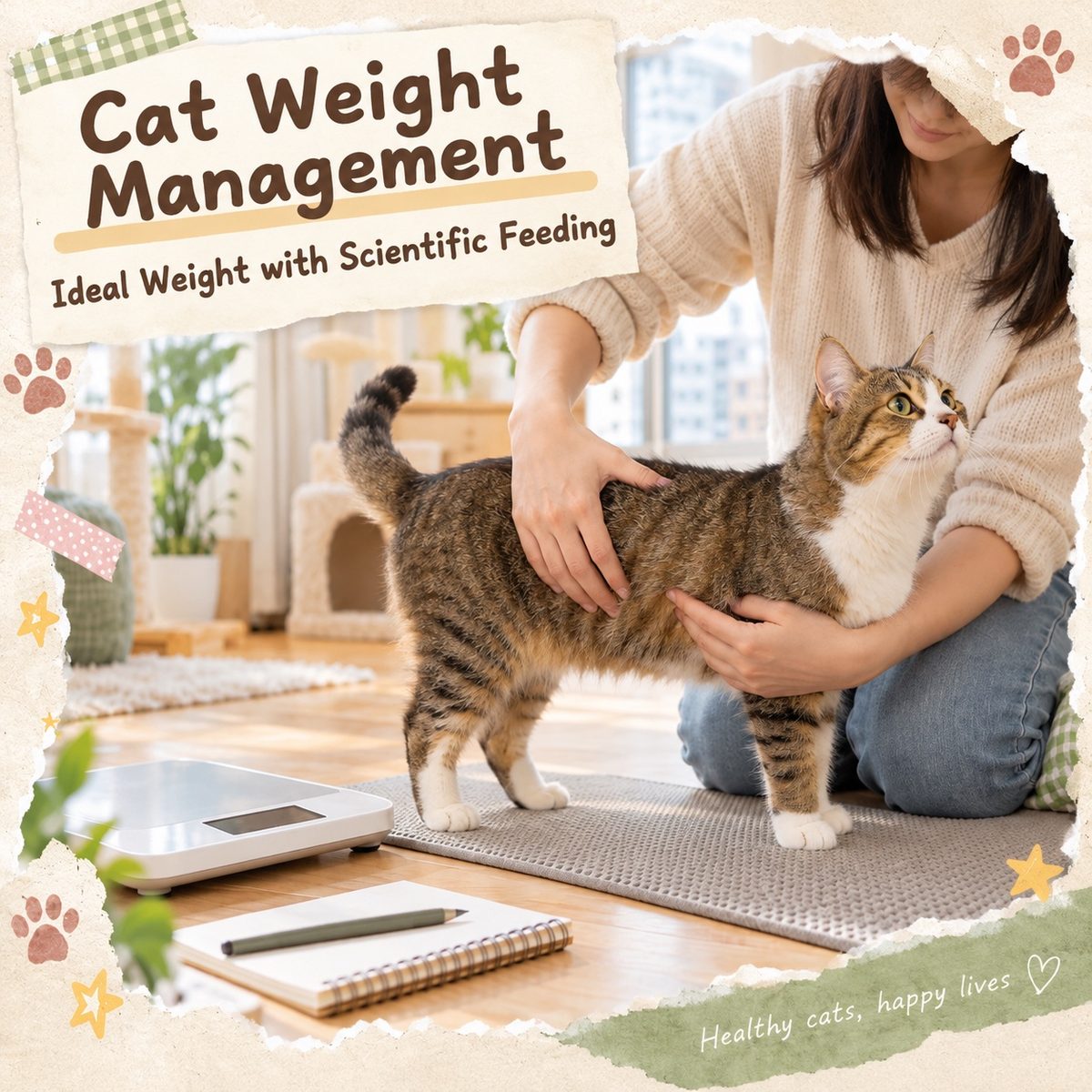
You don't need precision instruments—your hands and eyes can give a preliminary assessment. Veterinarians commonly use the Body Condition Score (BCS) to evaluate cat weight, on a 1-9 scale, with 4-5 being ideal.
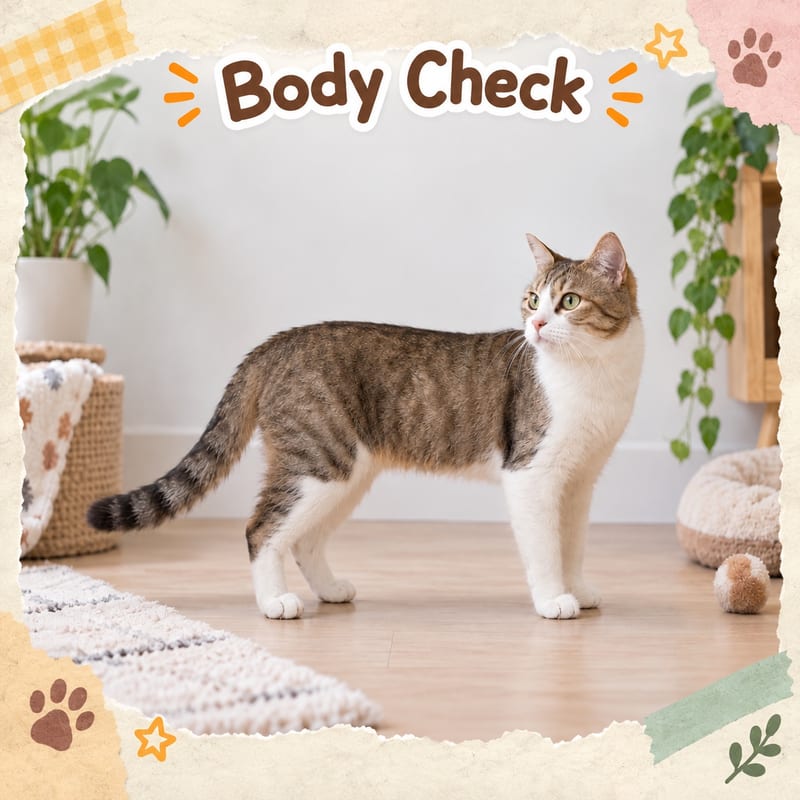
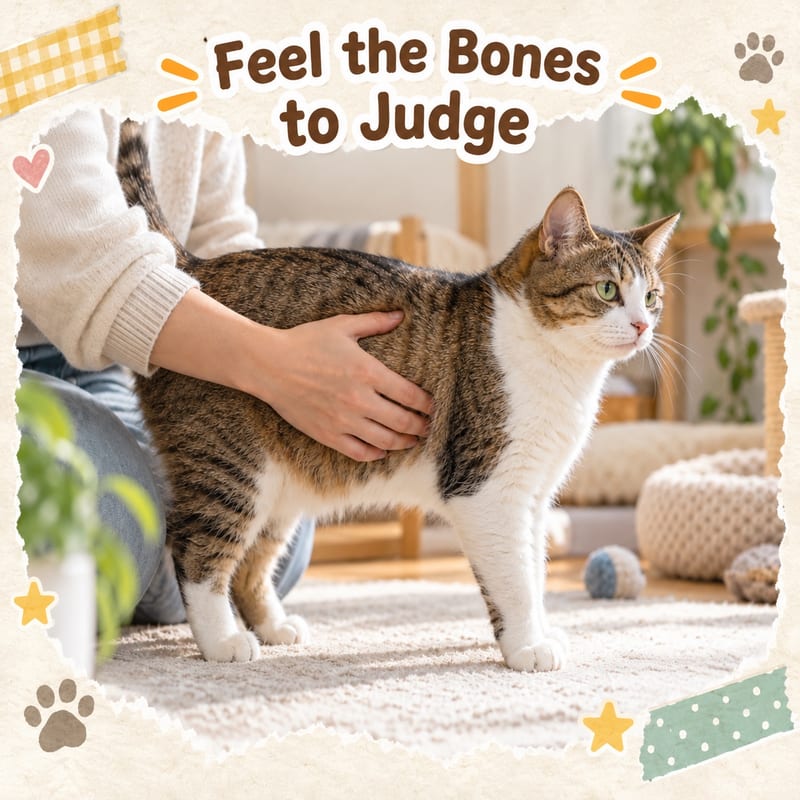
Rib check
Gently press both hands along the sides of your cat's ribcage. If you can easily feel the ribs with a thin layer of fat covering them, the body condition is normal. If you can't feel the ribs at all, the fat layer is too thick and your cat is overweight.
Waistline check
Looking down from above, a cat in normal condition should have a visible waist narrowing. If the body is barrel-shaped with no waistline, that's a sign of obesity. From the side, the abdomen should be slightly tucked up, not hanging down as a "belly".
Ideal weight reference table for common breeds
| Breed | Ideal weight (kg) | Characteristics |
|---|---|---|
| British Shorthair | 4.0 - 6.0 | Sturdy build, prone to obesity |
| Siamese | 3.0 - 4.5 | Slim body, high activity level |
| Ragdoll | 4.5 - 8.0 | Large breed, matures slowly |
| American Shorthair | 3.5 - 5.5 | Strong constitution, medium build |
| Scottish Fold | 3.0 - 5.5 | Fragile joints, weight control especially important |
| Bengal | 3.5 - 5.5 | Very active, less prone to obesity |
| Persian | 3.5 - 5.5 | Flat-faced breed, fluffy coat can hide obesity |
| Hong Kong domestic cat (mixed) | 3.5 - 5.5 | Varied builds, use BCS assessment as standard |
Note: Male cats generally weigh 0.5-1 kg more than females. The above figures are for reference only; actual assessment should be based on a veterinarian's BCS evaluation. For other health indicators, see the cat hydration guide for daily water intake.
Standards can vary greatly between breeds. For the full British Shorthair growth curve, see British Shorthair weight standards and growth curve.
How many calories does a cat need daily?
A 4 kg adult cat needs about 250 kcal (about 1100 kJ) per day. This number adjusts with activity level, age, and neuter status. After neutering, metabolism drops by 20-30%; if food intake isn't reduced, weight gain follows quickly.
Feeding amount reference table
Daily feeding amount for adult cats (grams):
- 3 kg: about 45 g dry food
- 4 kg: about 60 g dry food
- 5 kg: about 70 g dry food
- 6 kg: about 80 g dry food
These figures are for reference only; actual feeding amounts should be adjusted according to the cat food packaging recommendations and veterinary guidance. Wet food (canned) has higher water content, so the gram amount fed will be correspondingly higher.
Health threats of obesity in cats
Being overweight is not just "cute"—obesity triggers a series of serious health problems:
Diabetes: Obese cats are 4 times more likely to develop diabetes than normal-weight cats. Insulin resistance prevents the body from properly regulating blood sugar, and daily insulin injections may eventually be needed.
Arthritis: Excess weight accelerates joint wear, especially in the hind legs and spine. Cats reduce activity due to pain, creating a vicious cycle: "the more it hurts, the less they move; the less they move, the fatter they get."
Fatty liver (hepatic lipidosis): If an obese cat suddenly stops eating (e.g., due to illness-related anorexia), the liver rapidly breaks down fat, leading to fatty liver, which can be fatal. If you notice your cat suddenly not eating or becoming lethargic, immediately refer to hidden warning signs of illness in cats to judge whether emergency veterinary care is needed.
Urinary system problems: Obese cats are more prone to lower urinary tract diseases, including urethral obstruction, which is an emergency requiring immediate medical attention.
5 steps to scientific weight loss
If your cat is confirmed overweight, do not suddenly cut food drastically—that can trigger fatty liver. The correct approach is gradual:
Step 1: Calculate target calories. Consult your veterinarian to calculate daily calories based on your cat's ideal weight, generally 10-20% less than current intake.
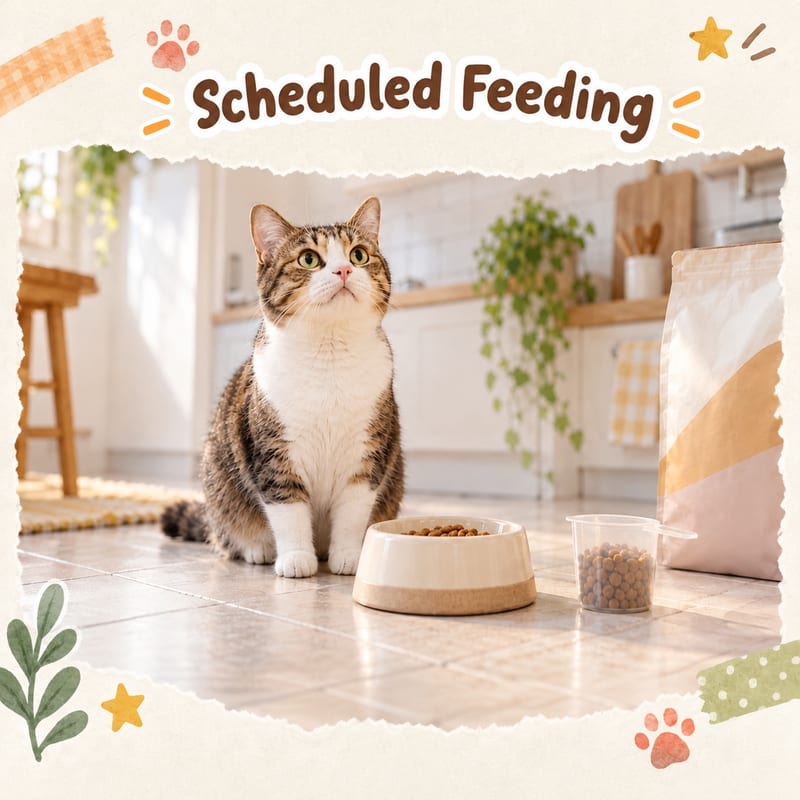
Step 2: Feed at set times and amounts. Stop free-feeding (leaving food out all day) and switch to 2-3 scheduled meals daily. Use a kitchen scale to measure portions precisely.
Step 3: Increase interactive play. Spend 15-20 minutes daily playing with your cat using wand toys, laser pointers, etc. Breeds like Bengal and Siamese especially need more activity. Also ensure your cat gets enough rest; understanding the secrets of cat sleep helps create a reasonable activity and rest schedule.
Step 4: Reduce treats. Treats should not exceed 10% of daily intake. Replace high-calorie treats with freeze-dried chicken pieces, or use part of the regular meal as training rewards.
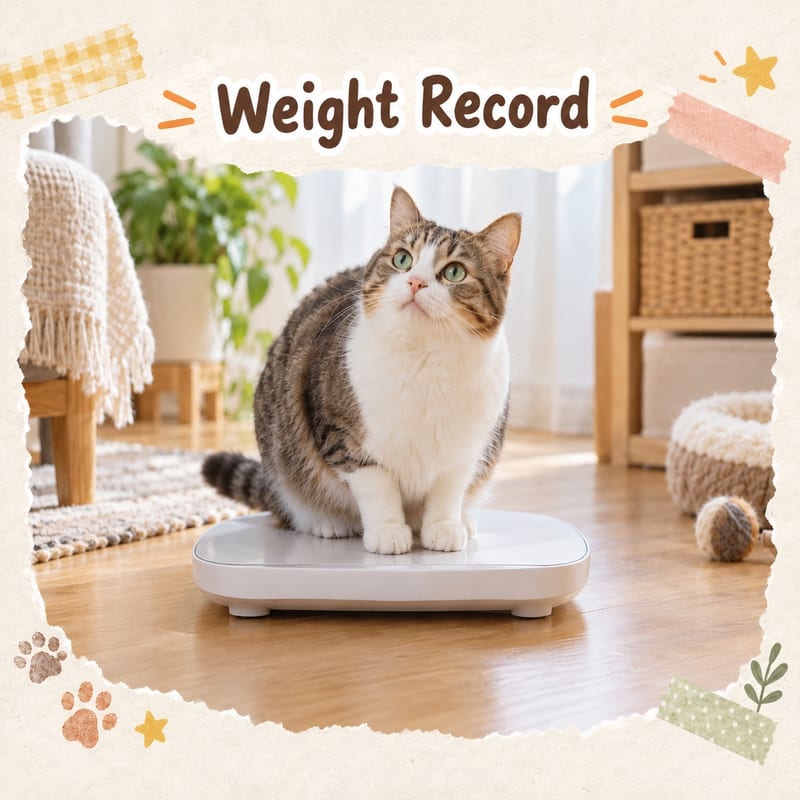
Step 5: Monitor regularly. Weigh your cat every 2 weeks and record changes. Healthy weight loss is 1-2% of body weight per week—don't rush.
Prevention is better than treatment: daily management tips
- Adjust food after neutering: Start reducing feeding amount by 20-30% within 48 hours after neutering surgery, and monitor weight changes.
- Don't feed human food: The salt and seasonings in human food are harmful to cats, and calories are hard to control.
- Separate feeding in multi-cat households: If you have multiple cats, ensure each has its own bowl to prevent food competition leading to overeating.
- Regular check-ups: Take your cat for a health check at least once a year; the veterinarian will assess weight and overall health.
Practical weight loss checklist for small Hong Kong flats
Hong Kong is short on space—many cat owners live in less than 300 sq ft—but weight loss doesn't require a big area. This checklist helps you manage weight scientifically even in a tiny flat.
1. Three-minute space makeover
- Wall shelves: Buy 3 L-shaped shelves with screws from a local hardware store for about HK$150. Install them on the side of a wardrobe or hallway wall at 1.2–1.8 m high; jumping up and down already burns calories.
- Floor-to-ceiling pole: DIY with an IKEA cardboard tube wrapped in sisal rope, placed by the window; cats will naturally climb up to watch the street.
2. Feeding schedule (for 9-to-5 office workers)
| Time | Action | Tool |
|---|---|---|
| 07:30 before leaving | Automatic feeder dispenses 1/3 of daily food for breakfast | Xiaomi automatic feeder or Petkit |
| 13:00 | Automatic feeder dispenses 1/3 of daily food for lunch | Same as above |
| 19:30 after work | Hand-feed 1/3 of daily food for dinner + interactive play | Kitchen digital scale to measure grams precisely |
3. Zero-space interactive games
- Laser pointer "hallway sprint": Shine from bedroom to living room wall corner, back and forth 10 times, 30 seconds each, 30 seconds rest, 5 minutes total.
- Wand toy "fishing": Sit on the sofa, dangle the feather wand under the coffee table; your cat pounces and bites, panting within 10 minutes.
4. Treat control tactics
- Pre-portion freeze-dried chicken pieces into bags of 5 pieces, store in your office drawer, and open at most one bag per day as training rewards.
- Use a "snuffle mat" with 5–6 pieces of dry food hidden, forcing your cat to use its nose to find food, increasing foraging time.
5. When to see a vet
- If weight hasn't dropped at all for two consecutive weeks, or weekly loss exceeds 2%, book a vet appointment immediately to adjust the diet plan.
- If your cat suddenly refuses food for over 24 hours, or vomits or becomes lethargic, go to a 24-hour clinic immediately (e.g., CityU Veterinary Medical Centre, Kowloon Animal Hospital) to prevent fatty liver worsening.
Remember, no matter how small your Hong Kong home, with the right methods you can still help your cat lose weight healthily.
Book weight-loss data: goals and pace
The book Forever Love Dog gives several very specific guidelines for weight loss that can be directly applied to cats:
| Item | Book recommendation |
|---|---|
| Weight loss rate | Aim for 1% of body weight per week |
| Example | A 50 lb (about 22.7 kg) dog needs to lose 10 lb, i.e., about 0.5 lb (about 200 g) per week |
| Weighing frequency | Weigh weekly to confirm normal progress |
| Starting approach | For the first two weeks, put all calories within a 10-hour feeding window, then shorten to 8 hours |
| Number of meals | Can split into 2-3 meals, increasing frequency and reducing portion size |
| After reaching goal | Maintain the same feeding window, split into 1-2 meals |
| Before bed | No food within at least two hours before bedtime |
| Body condition score | Use a 5-point scale: 1 very thin, 2 thin, 3 average, 4 overweight, 5 obese |
Special note for cats: Cats cannot fast or lose weight extremely quickly—too rapid weight loss risks hepatic lipidosis. Therefore, a cat's weight loss plan should be slower and must be monitored by a veterinarian; do not halve the food amount on your own.
How to calculate weight-loss calories
- First calculate RER: RER = 70 × current body weight (kg)^0.75 (formula details in cat calorie calculator)
- Multiply by weight-loss factor 0.8: For example, a 5 kg cat has RER = 234 kcal, ×0.8 = about 187 kcal/day as a starting point
- Review every two weeks: Aim for 1% loss per week; if weight loss stalls, adjust by 5-10%, not a drastic cut all at once
- Monitor muscle simultaneously: Protein ratio must be sufficient during weight loss, otherwise you lose muscle
- Canned food helps: Canned food has high water content and low calorie density; the same portion volume is larger, making it easier to satisfy appetite (see cat wet food guide)
Products checked on 2026-10-12 (available in Hong Kong)
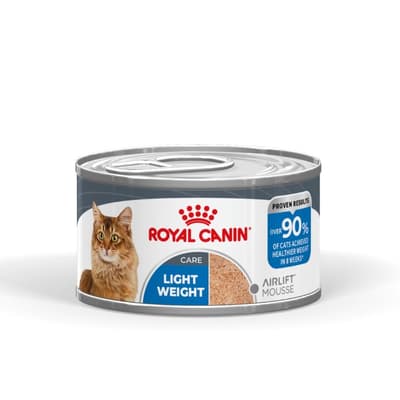
- Royal Canin AIRLIFT Adult Cat Weight Control Complete Wet Food 85g — reference price HK$25.2/can
- Signature7 Cat Can Nutritional Pate Healthy Digestion + Weight Control Chicken + Barley 80g — reference price HK$13/can
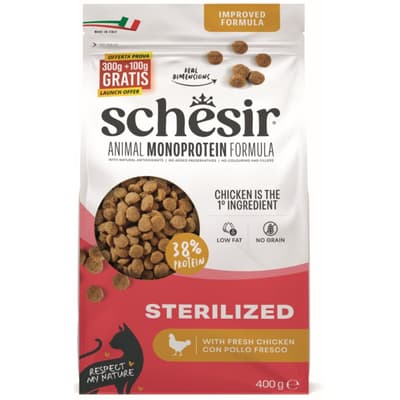
- Schesir Cat Food Neutered Weight Control Formula Chicken 400g — reference price HK$58
The above content is for reference only and cannot replace veterinary diagnosis and treatment. Cat weight loss plans involve health risks; please consult your veterinarian and schedule regular follow-ups.
References
- Agriculture, Fisheries and Conservation Department (AFCD)
- Veterinary Surgeons Board of Hong Kong (VSBHK)
- National Research Council (NRC) Nutrient Requirements of Dogs and Cats (2006)
Further reading
- Multi-cat home space planning →
- Cat tail language decoded →
- Cat scratcher buying guide →
- 5 cat scratching training tips →
- The secret of cat purring →
📌 Key summary
-
Aim for 1% body weight loss per week (book data)
-
✅ Check ribs and waistline to judge if your cat is overweight
-
✅ Reduce food by 20-30% within 48 hours after neutering to prevent obesity
-
✅ 15-20 minutes of daily wand toy interaction aids weight loss
-
❌ Sudden drastic food reduction can trigger fatty liver
-
❌ Treat calories should not exceed 10% of daily total intake
-
❌ Never feed human food high in salt and seasonings
✅ Check ribs and waistline at least once a month to detect weight abnormalities early ✅ Reduce feeding amount by 20-30% within 48 hours after neutering to prevent weight gain from slower metabolism ✅ Replace free-feeding with scheduled, measured meals using a kitchen scale ✅ 15-20 minutes of daily interactive play effectively boosts indoor cat activity ✅ Healthy weight loss rate is 1-2% per week; never rush by drastically cutting food
❌ Suddenly reducing food drastically can cause fatal fatty liver ❌ Feeding human food—salt and seasonings are harmful and calories are hard to control ❌ Judging obesity by weight number alone, ignoring breed differences and BCS body condition score ❌ Neglecting regular health checks—take your cat for a check-up at least once a year
For more cat health knowledge, keep following PetChill's latest articles! In emergencies, remember to refer to the cat emergency first aid guide to be prepared.
 Royal Canin full guide →