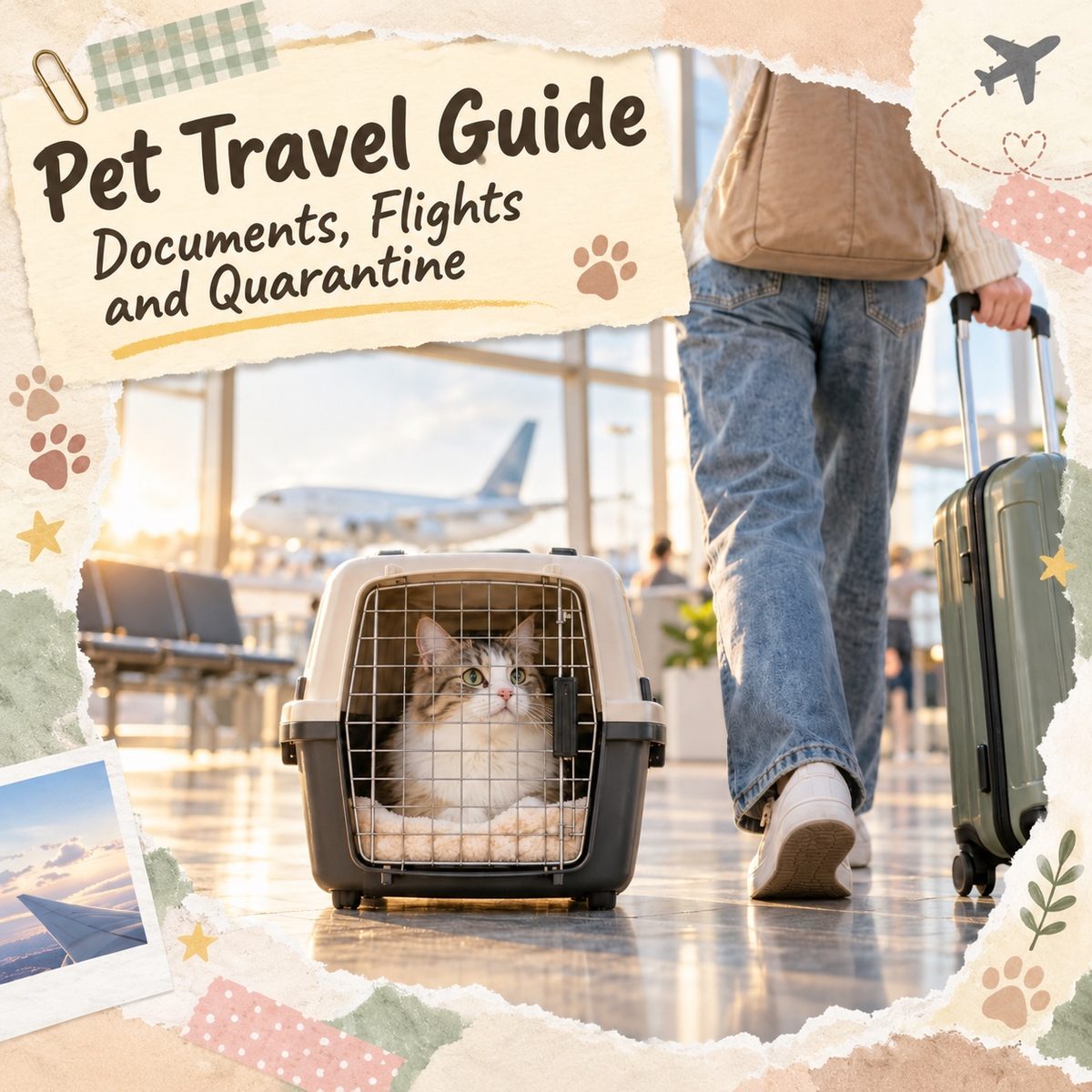
Quick answer: For Hong Kong outings or business trips with cats and dogs, cats are best left at home with at-home feeding, while dogs can be booked into a boarding centre early; for outings, an airline crate or short leash is essential; check the latest transport rules before boarding, and allow several months for border and exit procedures.
One-sentence summary for travelling with pets: Business trip — leave cats at home with a pet sitter, book dogs into a boarding centre, and reserve early; outings — use an airline crate for cats and a leash for dogs; transport — the MTR generally does not allow dogs (except assistance dogs), and actual procedures are subject to the latest official rules; border and exit procedures require several months of preparation. Here is the breakdown.
Going on a business trip or holiday: how to arrange for your pet?
Four options, choose according to your pet's personality and the length of your trip:
1. At-home care (first choice for cats) Hire someone to visit daily to feed, change water, scoop the litter and play for ten minutes. Cats are territorial animals, and keeping the environment unchanged is the greatest comfort; unfamiliar places are the source of stress. Suitable for trips of one to two weeks and cats that are not too dependent on their owner.
2. Pet boarding centre / pet hotel (mainstream for dogs) Has activity space and dedicated staff, suitable for dogs that need outdoor exercise. Key points: visit in person (check cleanliness, isolation areas, 24-hour staffing), check whether vaccination certificates are required, and ask clearly about feeding and walking frequency. Peak seasons (annual leave, Lunar New Year) fill up fast, so book at least one month ahead.
3. Leave with friends / family The most familiar people are the most reassuring, but they must truly understand your pet's feeding amounts, restrictions and escape risks. Remember to leave the veterinarian's contact details and write down the daily schedule.
4. Take them with you Only consider this for short trips and pets that adapt well (see transport restrictions below).
| Option | Suitable for | Weakness |
|---|---|---|
| At-home care | Cats, timid dogs | Need a trusted person |
| Boarding centre | Social dogs | Unfamiliar environment, peak-season competition |
| Leave with friends/family | Both | Their experience varies |
| Take with you | Short trips, adaptable pets | Many transport restrictions |
Tip: Whichever option you choose, leave both paper and electronic health records (vaccination certificates, regular medication, vet phone number), plus a recent full-body photo of your cat or dog, so you can prove ownership if anything happens.
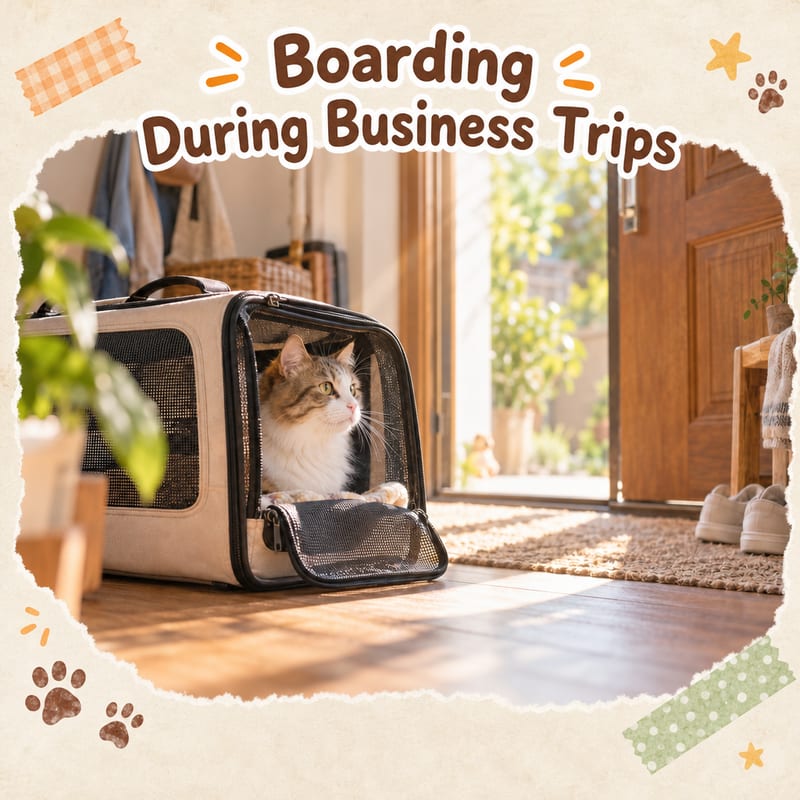
Taking pets out: gear checklist
Cats:
- Airline crate / pet carrier — sturdy with reliable locks; this is the only way to prevent escape.
- Do not use a cord to drag a cat outside — a frightened cat may go limp or bolt and injure its neck; it is completely different from a dog.
- Pee pad at the bottom (for carsickness or incontinence), cover with a thick towel to block light and reduce stress.
Dogs:
- Short leash — beyond the legal requirement, it is a lifesaver in markets and crowded areas.
- Portable water bowl, water, poop bags, treats (for rewards and distraction).
- ID tag on collar: write the owner's mobile number.
Both: Do not feed too much before going out (to reduce carsickness and vomiting), for journeys over two hours plan water stops, and watch for heatstroke — never leave a pet alone in a car in summer, not even for a minute.
Transport rules: where can you take them and where can't you?
The general direction for travelling with pets in Hong Kong:
- MTR: Generally no animals allowed, except guide dogs and other assistance dogs. Arrangements for small pets in containers vary by station enforcement — check the MTR's latest carriage conditions before you go.
- Buses / minibuses: Most require pets to be inside a bag or box; individual drivers may use their own judgment, so have a backup plan.
- Taxis / ride-hailing: Ask the driver in advance; there is no guarantee.
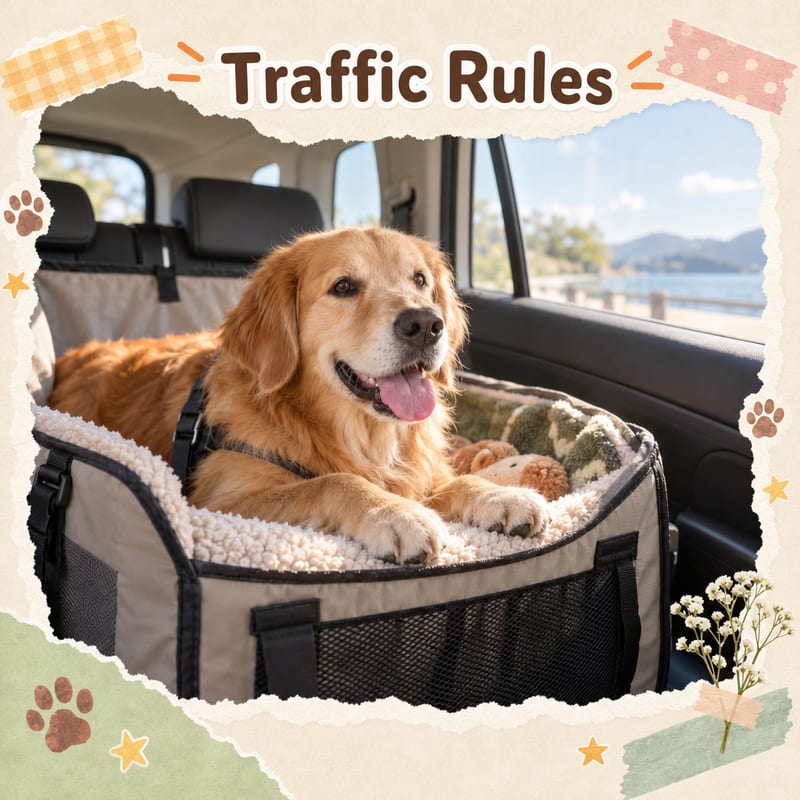
- Private car: The most freedom, but pets must be secured in a crate or supervised by a person, and must not block the driver's view.
⚠️ These rules are updated from time to time; the above is only the general situation. Checking the official website or calling to ask before you travel is the safest approach; do not rely on old experience or online posts.
Border and exit: procedures are more complex than you think
Taking cats and dogs out of Hong Kong or bringing them back from abroad involves microchipping, vaccination records (including rabies), and for some destinations blood antibody tests and official health certificates. From booking to release can span several months, and requirements vary by place and change. The correct approach: check the latest procedures with the destination's official quarantine department and a licensed agent, and allow ample time; do not trust any verbal promise of "instant processing". Before the quarantine dates are confirmed, do not buy non-refundable flight tickets or hotel bookings.
Pre-departure checklist
- Boarding / at-home care booked, vet contact left
- Vaccination records and health certificates ready in paper form
- Cat crate / dog leash of suitable size, locks tested
- ID tag with new mobile number (local number if going abroad)
- Transport arrangements checked against the latest official rules
What you can do starting today
- Write the next business trip date into your routine, and book boarding three months before.
- This week, test your cat or dog with the airline crate: open the door, put treats inside, and let it become a sleeping den.
- Take a new full-body photo of your pet with clear markings and body shape.
- Once an exit plan is confirmed, check quarantine procedures immediately; don't wait until the last minute.
Besides travelling with your pet, the ones staying behind should also be comfortable — PetChill's outing gear guide helps you choose the right size airline crate and leash.
Related product recommendations
New pet owners need basic gear and complete food ready at once. Here are related products available at PetChill:
- Pet Promise Pet Pee Pads Dog Pee Pads Dog Diapers Lightweight Thickened [60x90 XL 20 sheets] - Limited Offer (Pet Promise) — skin and coat care
- Fujiichi Freeze-Dried Treats Dehydrated Salmon Cubes Vacuum Pack 800g (for cats and dogs) (Fujiichi) — freeze-drying locks in nutrition
Want to see more: Pet Promise Brand Guide
Product prices and latest offers are subject to the product page; this article is for reference only.
Further reading
PetChill Newbie Team — Hong Kong's most authoritative pet knowledge platform
Hong Kong small-flat practicalities: seven-day countdown checklist before going out
Living in a 300 sq ft flat doesn't mean you can't arrange things properly. The following seven-day countdown turns the article's advice into small daily tasks, so you won't be caught unprepared.
D-7 Confirm bookings
- Call or WhatsApp the boarding centre / at-home sitter to reconfirm dates, price and feeding frequency. Remember to ask "what if I need to change dates last minute?".
- Photograph the vet's card, save it in your phone album, and also put a copy next to your pet's usual food container.
D-6 Check gear
- Take out the airline crate and check the door lock, screws and ventilation holes for looseness. Test-pull the dog leash a few times to see if any stitching is coming undone.
- Go out and buy spare pee pads and poop bags immediately, and put them in the shoe cabinet by the front door so you won't forget when leaving.
D-5 Mock training
- Open the airline crate door, put treats and a towel inside, and let your cat or dog go in and out freely to get used to the crate as a "safe base".
- Dog owners can walk two laps in the corridor at home, practising "heel walking" with a short leash to reduce bolting outside.
D-4 Back up documents
- Scan vaccination certificates and microchip information into PDFs on your phone, and email them to yourself and the caregiver.
- Print an extra copy, put it in a clear document bag, and stick it on the side of the airline crate.
D-3 Test transport
- Check the latest MTR and bus conditions online again, and take screenshots for records.
- If planning to take a taxi, note "pet, small box" in the ride-hailing app a day early to see if any driver accepts.
D-2 Nice photo of your pet
- Take a full-body photo in natural light with clear markings and colour patches, for easy identification if lost.
- Send the photo to the caregiver as well, so they have a copy.
D-1 Pack the bag
- Use a small backpack with compartments: 2 pee pads, water bowl, bottled water, a small amount of dry food, poop bags, wet wipes.
- Put the backpack by the front door so you can grab it and go the next morning without searching.
Departure day
- Feed half a meal 3 hours before leaving to reduce carsickness and vomiting.
- Send a final WhatsApp to the caregiver to confirm they have received the keys, document bag and photo.
Follow this, and even in a 200 sq ft subdivided flat you can leave gracefully and your pet can feel at ease.
📌 Key summary
- ✅ Leave cats at home with at-home feeding; unchanged environment is most reassuring
- ✅ Boarding centres fill up in peak season; book at least one month ahead
- ✅ For outings, use an airline crate for cats and a short leash for dogs; do not drag a cat on a cord
- ❌ The MTR generally does not allow dogs; do not rely on old experience
- ❌ Do not trust "instant processing" for border and exit; allow several months
- ❌ Never leave pets alone in a car in summer
 Fuji One full guide →


 Pet Promise full guide →


 Fuji Cat full guide →