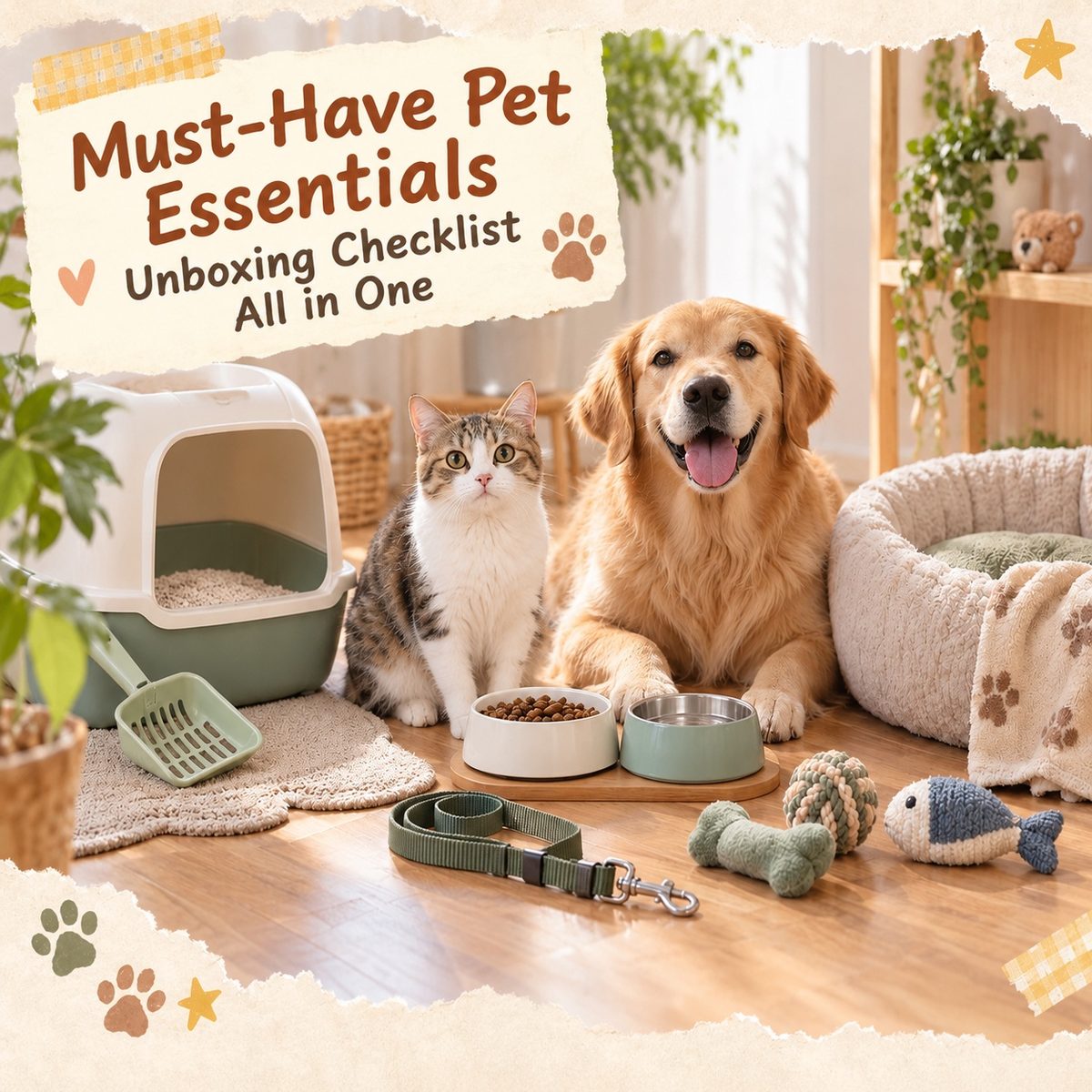
Quick answer: New cat and dog owners don't need to buy everything at once. Start with food, bowls, litter box/pee pads, bed, carrier/leash and window screens (for cats). First-month budget $2000-5000, monthly $300-800. Add other items gradually after observing your pet's reaction — save money and avoid pitfalls.
Getting a cat or dog for the first time isn't complicated: Cats need a litter box and litter, cat food, bowls, cat bed, scratching post, carrier, plus window screens to save lives; Dogs need dog food, bowls, leash, dog bed, brush, toys, pee pads, poop bags. First-month including medical: $2000-5000, monthly $300-800, plus an emergency medical reserve. Here's the breakdown.
Before Getting a Cat, Check Your Home Environment
Hong Kong's housing environment poses two challenges for cats: window safety and landlord approval. Most units are high-rise, and cats are curious and love to climb. Without cat-proof window screens, the risk of falling is real. Also, tenants must confirm in advance whether the landlord or building allows pets. Sort both out before bringing a cat home — don't fix things after the fact.
New Cat Essentials Checklist
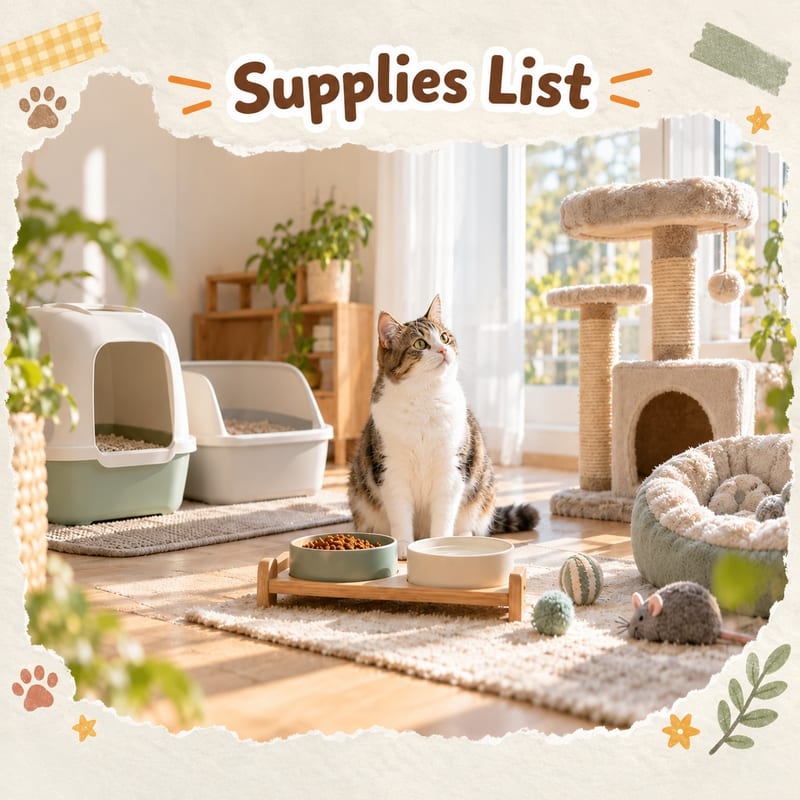
Basic supplies (buy first):
- Litter box + cat litter — for toileting. The box should be larger than the cat and allow turning around; open or covered depends on the cat's preference.
- Cat food — staple diet. Kittens need kitten food; check if the first ingredient is meat.
- Water bowl, food bowl — wide and easy to clean; change water daily.
- Cat bed — for sleeping; a soft mat can work as a substitute.
- Scratching post — for claw sharpening; placing it next to the sofa is most effective for protecting furniture.
- Grooming brush — regular brushing reduces hairballs and shedding.
- Carrier — essential for vet visits; without one, future vet trips will be a hassle.
- Window screens — not just a supply but a safety bottom line; must install.
Shopping tips: Many cat supplies risk being "bought but unused" — buy two types of cat bed and see which the cat prefers; choose a litter box style the cat accepts. Get the basics first, then add based on the cat's reaction.
New Dog Essentials Checklist
Basic supplies:
- Dog food — staple diet; choose formula based on size and age.
- Water bowl, food bowl — for large dogs, choose heavy bowls to prevent tipping.
- Leash — required by law outdoors; essential.
- Dog bed — a fixed sleeping spot helps with routine training.
- Brush — choose by coat type; long-haired dogs need frequent brushing.
- Toys — chew toys, interactive toys; reduce the chance of destructive behaviour.
- Pee pads — useful during house training.
- Poop bags — civilised walks; owner's duty.
Note: A leash is required by Hong Kong law; dogs must be properly controlled when outdoors. Besides a leash, bring water on walks and avoid long walks under the hot sun in summer.
How to Calculate Pet Budget?
| Item | Approximate Amount |
|---|---|
| Initial supplies (basic cat or dog list) | $1000–2500 |
| Medical (vaccines/checkup/neutering) | $1000–3000 |
| Monthly food, litter, cleaning | $300–800 |
| Emergency medical reserve | Set aside a few thousand extra |
Two iron rules: Prepare first-time investment in the $2000-5000 range, monthly $300-800; always set aside a medical reserve — accidents and illnesses don't make appointments. Pet ownership is a lifelong responsibility; have a clear budget before getting a pet, don't act on impulse.
What to Buy First, What Can Wait?
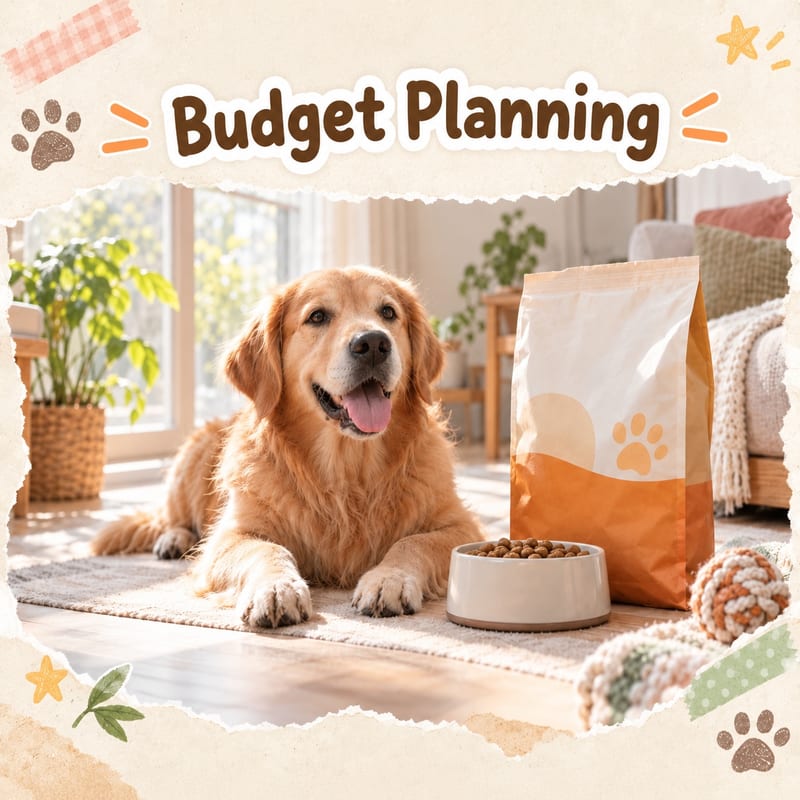
Buying everything at once leads to pitfalls. Divide into three tiers:
- Must be ready before bringing pet home: food, bowls, water, litter box (cat) or pee pads (dog), resting spot, carrier/leash.
- Complete within the first month: grooming tools, scratching post/dog chew toys, cleaning supplies.
- Decide after observation: cat trees, pet strollers, premium toys — buy only if your pet uses them.
New Pet Owner Checklist
- Basic supplies (litter box/food/bowls/bed) purchased
- Window screens (cat) / leash (dog) ready
- Book vet: vaccination + neutering schedule
- Set monthly budget + emergency reserve
- Schedule daily companionship and playtime into routine
Five Things New Owners Most Often Get Wrong
Spending money in the wrong place is more wasteful than not spending. Here are the most common pitfalls:
- Cheap food — food with poor nutritional balance will eventually cost you in vet bills; food is the one area you shouldn't skimp on.
- Litter box too small — cats grow fast; a small box will be too cramped in two or three months. Buy one size larger and save buying twice.
- Buying an automatic feeder too early — cats may not know how to use it, dogs may push it and spill food. Observe habits first.
- Clothes and hats — except for special breeds or extremely cold weather, most pets refuse to wear them. Buy one for fun.
- Non-washable pet beds — beds that can't be washed become dust mite nests in three months; cheap or expensive, it's a waste.
What You Can Do Starting Today
- Tick off the list above and note what you haven't bought.
- If getting a cat, ask about cat-proof window screens today; if getting a dog, choose a suitable leash first.
- Book the first vet check-up after bringing your pet home.
- Not sure which food to choose? Check PetChill's cat and dog food reviews and rankings to save on trial and error.
Related Product Recommendations
For new pet owners, basic equipment and staple food should be prepared at once. Here are related products available at PetChill:
- Pet Promise Pet Pee Pads Dog Pee Pads Dog Diapers Lightweight Thickened [60x90 XL 20pcs] - Limited Offer (Pet Promise) — Skin and coat care
- Nutriplan Soft Dog Food Immune & Skin Care Support 1.2kg (64337) (Nutriplan) — Skin and coat care
See more: Pet Promise Brand Guide
Product prices and latest offers are subject to the product page; this article is for reference only.
Further Reading
PetChill Newbie Team — Hong Kong's most authoritative pet knowledge platform
Hong Kong Small Unit Practical Tips: How to Place Items to Save Space and Stay Safe
Hong Kong homes are small; poor placement leads to tripping and safety issues. Here are practical tips for 300-500 sq ft units:
Cat Placement
- Place litter box in bathroom or kitchen corner, at least 1 metre from food bowls to avoid eating near toilet odour. Covered boxes reduce litter tracking, but watch your cat's acceptance.
- Cat bed can go on windowsill or wardrobe top to use vertical space. If windowsill has screens, place a soft mat as a "viewing platform" — cats love it.
- Stick scratching post on wall, preferably along cat's usual path; scratching there effectively protects the sofa.
Dog Placement
- Place dog bed in living room corner, away from drafty doorways. Small dogs can use round beds; large dogs use foldable mats, stored away during the day to save space.
- Keep pee pads in a fixed spot in bathroom or balcony; don't move them during training or the dog gets confused.
- Hang leash and poop bags on a hook by the door for easy grab-and-go.
Shared Tips
- Use non-slip mats under food and water bowls to prevent spills; place water bowl in the centre of living room for easy access.
- Store toys in a basket; make "toy tidy-up" a daily routine before bed to keep things neat and avoid tripping.
- Cover all electrical cords with cable tidies; new pets, especially cats and dogs, may chew cords — costly if chewed.
Remember: Hong Kong units are small; space is more important than supplies. Determine your pet's movement flow first, then decide placement for comfort and safety.
Hong Kong Pet Ownership Practicalities: When to See a Vet?
Hong Kong has many vet clinics, but not every situation needs emergency care. According to the article, book immediately in these cases:
Within the first three days of bringing pet home — basic check-up, faecal parasite test, confirm vaccination records, and ask the vet about suitable food.
Daily observation red lines — loss of appetite for over 24 hours, vomiting twice or more consecutively, bloody diarrhoea, extreme lethargy, rapid breathing. If any occur, call your regular clinic immediately; don't wait.
Prevention is better than helps manage — annual vaccinations, monthly deworming and flea treatment. The article already reminds you to set aside an emergency medical reserve for these sudden situations.
Before seeing the vet — bring food bag, daily videos (e.g., abnormal stool), medical card to save time and help the vet diagnose faster.
Remember: Most Hong Kong clinics require appointments. Save contact details of two or three 24-hour emergency clinics in advance so you're not scrambling in an emergency.
 Pet Promise full guide →
 Nutriplan full guide →