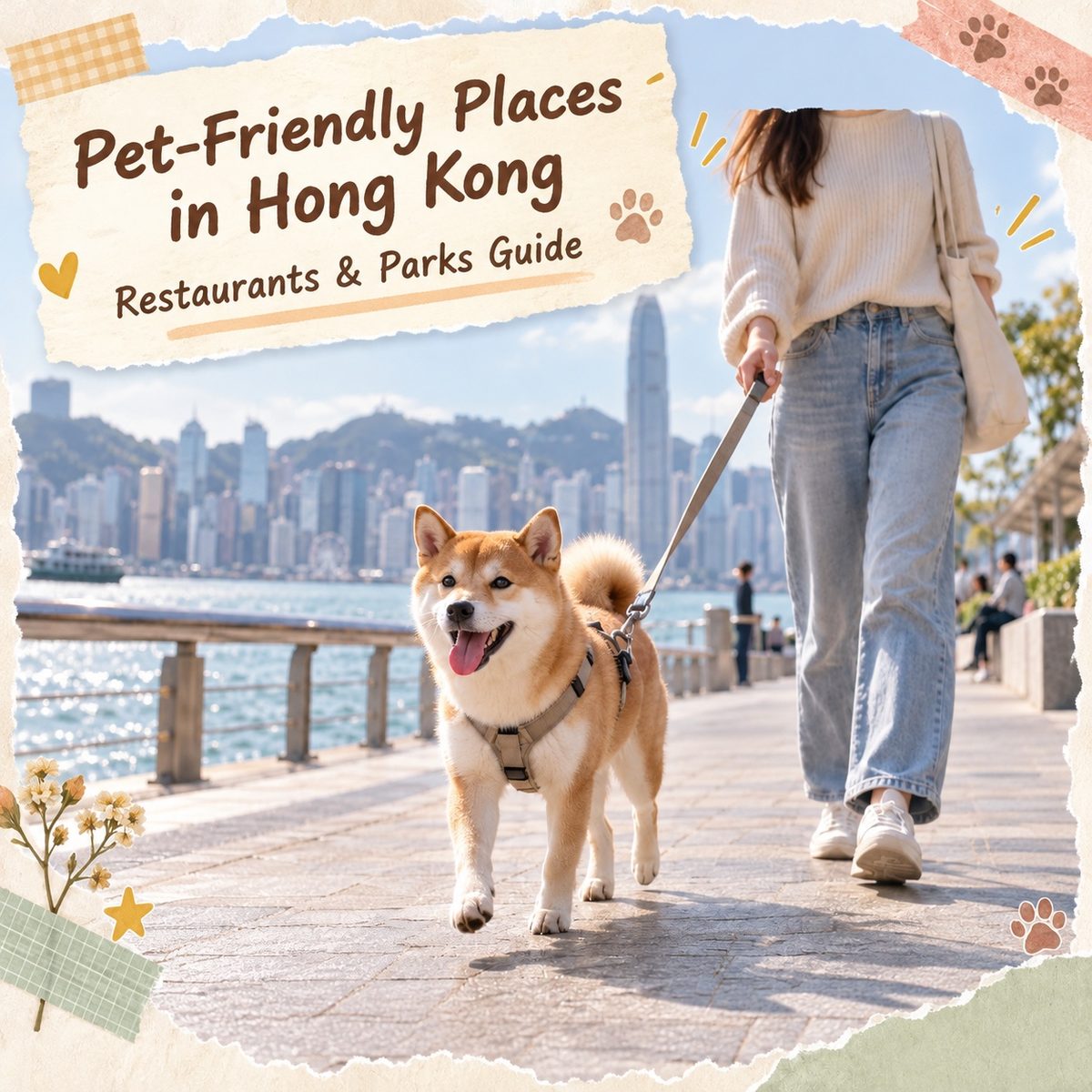
Quick answer: Looking for pet-friendly places in Hong Kong? Remember three steps: first go to the LCSD website to find dog parks, then choose a restaurant with outdoor seating and call to confirm, and finally bring the three essentials — leash, poop bags and water bowl — and avoid peak hours for a foolproof outing.
The three key points for taking your furry friend out: the LCSD runs parks with dog facilities in various districts, and the list is on its official website; pet-friendly restaurants mostly offer outdoor seating, so a quick phone call before you go is the safest bet; the MTR and most eateries have restrictions on dogs (except guide dogs), and leashing and cleaning up poop are basic legal requirements. This article teaches you how to find places systematically, so you don't have to guess.
Why do dogs need a place to burn energy?
Dogs need daily exercise and sniffing stimulation. Being stuck in a small flat with only a few steps to walk for a long time can build up anxiety, shown as barking, destructive chewing or excessive licking. Dedicated dog play facilities provide an environment where dogs can be off-leash to some extent and socialise at a distance from other dogs; on days when you don't have time for the park, waterfront promenades and hiking routes with fewer steps are also good walking options.
Pet-friendly parks: how to find them and how to use them?
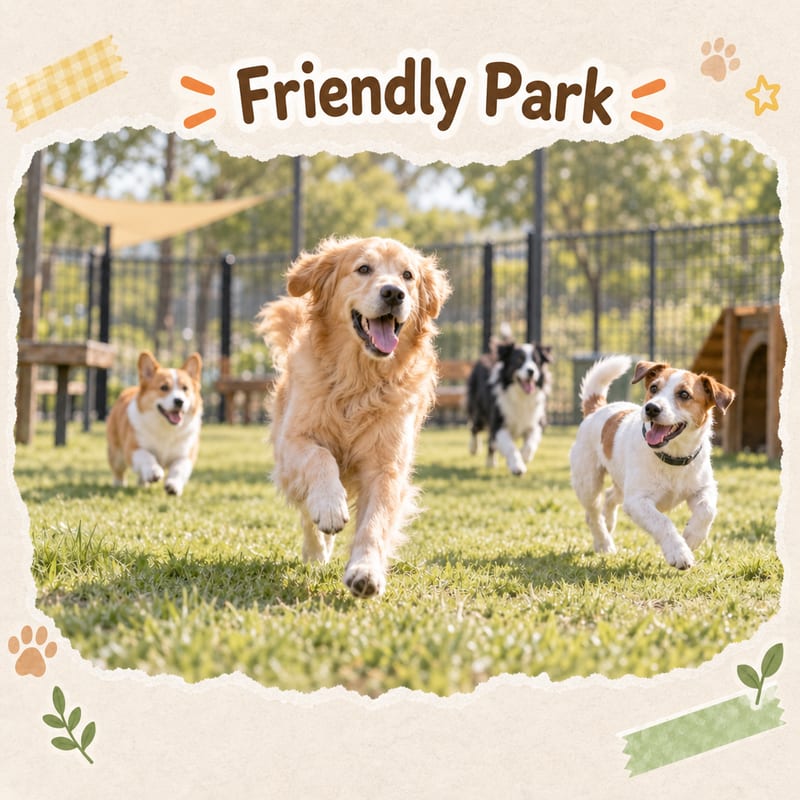
Every district in Hong Kong has parks with dog facilities (commonly called dog parks), fenced areas where dogs can be off-leash. Finding them is easy:
- Go to the Leisure and Cultural Services Department website and search for "parks with dog facilities"; you can filter by district to see the list and locations.
- Some areas have several options within a short walk: urban waterfronts, new town parks, and more open areas in the New Territories are the types of places dog owners often visit.
- Before you go, check the park's opening hours and facility status (some may be closed for maintenance).
Etiquette and safety bottom lines for using dog parks:
- Puppies that haven't had all their vaccinations and sick dogs should not join the crowd.
- Watch your dog's body language; if it's too scared or too excited, leave early.
- Bring your own poop bags and clean up immediately.
- Avoid the sunniest and busiest times; in summer, check if the ground is too hot for paws.
Pet-friendly restaurants: how to confirm so you don't waste a trip?
In recent years, more and more restaurants allow pets, but policies can change at any time, and there is no permanently valid list. The safest confirmation process:
- Search: Use "pet-friendly restaurant" plus the district you want to go to (e.g. Central, Sai Kung, Repulse Bay) and look at recent tags in social media posts.
- Check the type of seating: Restaurants with outdoor seats, rooftop seats, or pet-friendly zones are usually much more tolerant; indoor air-conditioned seats have more restrictions.
- Call and ask clearly: Whether dogs are allowed, if there are size restrictions, whether you can sit in a designated area, and whether you need to bring your own pet mat.
- Bring the three essentials: a mat/pet carrier, water bowl and treats — even if the restaurant is friendly, sorting it all out yourself avoids dirty looks.
Tip: Even if the restaurant says welcome, choose a table near the door or outdoors, away from busy walkways; if your dog begs for food, feed it treats beforehand so it doesn't drool at customers.
Public place rules: where are pets not allowed, and where should you be careful?
When taking pets to public places, these are the most common types of rules:
| Type of place | General rules |
|---|---|
| MTR | No animals allowed (except guide dogs etc.) |
| Buses/minibuses | Most require pets to be in carriers; details vary |
| Shopping malls | Mostly not allowed; some have pet areas |
| Ordinary parks | Some designated no-entry areas |
| Eateries | By law, most do not allow pets inside (except service dogs) |
Note: The above is the general situation; rules of each organisation may be updated, so refer to the latest official information before you go. The most common mistake is "thinking it's allowed": being turned away from a mall with a dog, or stopped from bringing a cat on transport, ruining the whole day's plans. Checking 2 minutes in advance is the best investment for taking pets out.
Can I take cats out?
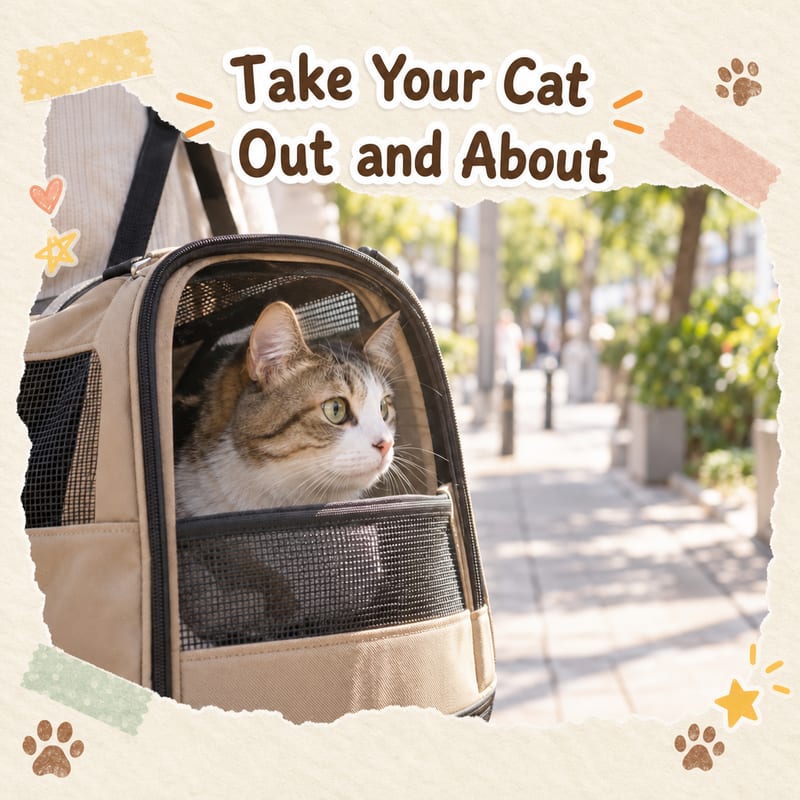
Unlike dogs, most cats are not suited to being taken out all day — a change of environment is a stressor for cats. Reasonable occasions for cats to go out are trips to the veterinarian or on the way home, using a sturdy carrier rather than dragging on a leash. If owners want to let cats see the world, first test the cat's reaction at home for a short time; if it's scared and cowering, stop immediately.
Health and training checks before outings with your furry friend
Having fun depends on your pet being ready:
- Vaccinations and deworming up to date? Park grass is a hotspot for fleas and ticks, so regular deworming is a prerequisite for outings; puppies that haven't had all their shots should not join the dog park crowd.
- Basic commands solid? Commands like "come", "stop" and "drop it" are life-saving tools in crowded, traffic-heavy environments; if your dog doesn't respond at home, don't take it to busy places yet.
- Social state: Dogs that bark wildly, cower, or get extremely excited at the sight of other dogs should start practising during quiet hours and in quiet places, then gradually upgrade.
- Age and stamina: Senior dogs and flat-faced breeds (e.g. pugs, French bulldogs) cannot tolerate heat; in hot summers, shorten outings and rest in shady spots more often.
What you can do starting today
- Go to the LCSD website and find the two dog parks closest to your home, and note their opening hours.
- Pick one or two restaurants you like and call to confirm their pet policy.
- Buy a portable water bowl and poop bags, and hang them by the door as an outing bag.
- For the first visit to a new place, choose non-peak hours, observe your dog's reaction, and then decide whether to go often.
Taking your furry friend out is about preparation; only then is each outing enjoyable. To learn how to choose pet carriers and leashes, see PetChill's outing supplies buying guide.
Related product recommendations
New pet owners need to prepare basic equipment and staple food all at once. Here are related products available at PetChill:
- Fujiichi Freeze-Dried Treats Dehydrated Salmon Cubes Vacuum Pack 800g (for cats and dogs) (Fujiichi) — freeze-drying locks in nutrition
- Bella & Molly's Dutch Royal Dog Food AAFCO Grain-Free Series Single Protein Freeze-Dried Dehydrated Fresh Chicken with Chicken 12kg or (6 packs of 2kg in bag) - Limited Offer (Bella & Molly's) — freeze-drying locks in nutrition
See more: Fujiichi Brand Guide
Product prices and latest offers are subject to the product page; this article is for reference only.
Further reading
PetChill Newbie Team — Hong Kong's most authoritative pet knowledge platform
Practical guide for small flats in Hong Kong: find a dog park and restaurant near home in two steps
Living in Hong Kong, the most practical thing is to first lock down spots "within a 15-minute walk"; not needing transport already cuts half the hassle.
Step 1: Find a dog park in five minutes Open your phone, go directly to the "Leisure and Cultural Services Department" website → search "parks with dog facilities" → choose your district (e.g. Kwun Tong, Sha Tin, Tuen Mun). The website lists park names, addresses, opening hours and facility photos. Bookmark two at once: one closest to home, and one for when you want to hike further on holidays.
Step 2: Confirm a pet restaurant in three minutes In the same district, open Google Maps and type the keyword "pet-friendly restaurant + district name", and look at IG/Facebook check-in photos from the last three months. If you see outdoor seating, screenshot it, then call the restaurant directly and ask: "Can I bring my dog? Are there size restrictions? Do I need to bring my own mat?" If they answer readily, book a non-peak time immediately, e.g. Monday to Thursday at 3pm.
Step 3: Hang an "outing bag" by the door Most rubbish rooms downstairs in Hong Kong give out free poop bags; grab ten or so and hang them on a hook by the door. Add a collapsible water bowl, a short leash and a small towel. Check the bag for three seconds before leaving, so you don't have to scramble each time.
Step 4: Choose a time for the first visit For a new park or restaurant, always choose Monday to Thursday before 9am or after 3pm, when there are fewer people and dogs, so your dog can sniff slowly and you can observe the environment. If your dog is calm, try a busier weekend time next time.
Following these four steps, no matter which district you live in, you won't be fumbling in the dark; you can arrange a spot within five minutes, and even a small flat can raise a happy pet.
📌 Key summary
- ✅ The LCSD website lists all dog parks in Hong Kong
- ✅ Pet-friendly restaurants mostly have outdoor seating; call ahead to confirm
- ❌ The MTR, malls and indoor eateries mostly do not allow pets
- ✅ Leashing and immediate cleanup of poop are basic legal requirements
- ❌ Puppies without all vaccinations and sick dogs should not go to dog parks
- ✅ Cats should go out in a sturdy carrier, not on a leash
 Fuji One full guide →


 Fuji Cat full guide →
 Bella & Molly's full guide →