
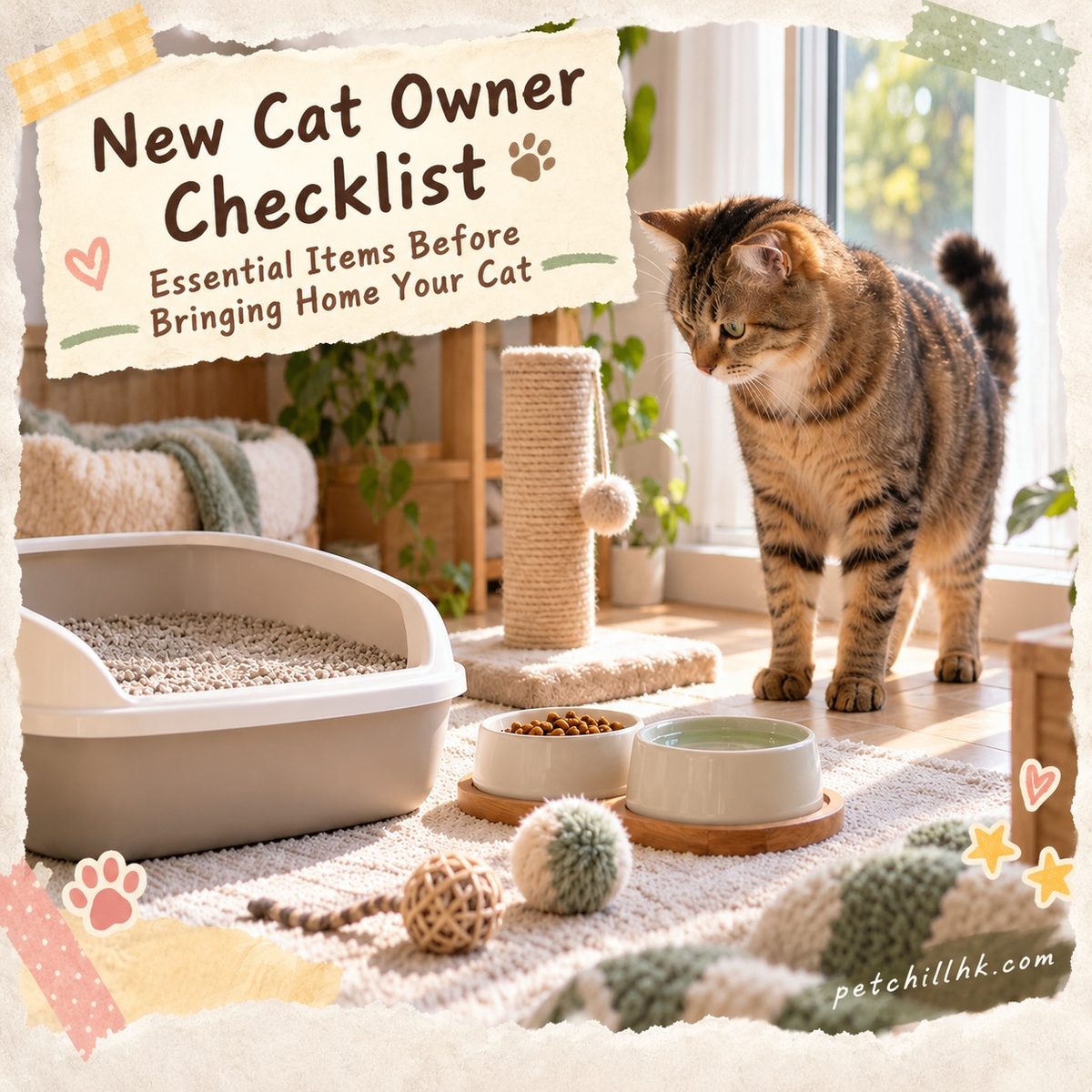
Quick answer: Before getting a cat, just buy the six basic supplies — litter box, cat food, bowls, cat bed, scratching post, and carrier — install window screens, tidy away cables and medicines, budget $2000-5000 for the first month and $300-800 per month thereafter, and you're ready to welcome your new boss.
The core of new cat ownership comes down to three things: essential supplies (litter box and litter, cat food, bowls, cat bed, scratching post), home safety (window screens are a must, tidy cables and medicines, avoid lilies), and a clear budget (about $2000-5000 for the first month, $300-800 per month). Just follow this checklist.
Before getting a cat, ask yourself three questions
Getting a cat is not an impulse decision — a cat can be with you for over a decade, so it's a long-term commitment. Before deciding, confirm three things with yourself and your housemates:
- Time: You need to feed, scoop the litter, change water daily, and make time to play and burn off energy. If you leave for work in the morning and only get home at night, consider whether the cat will be alone all day.
- Space and safety: Hong Kong flats are small, but cats don't need a big home — they need a safe environment. Window screens are the bottom line, not a luxury.
- Housemates' opinions: Is anyone allergic to cat hair? If renting, confirm the landlord or building allows pets. If any of these three is unresolved, it's better to wait.
Prepare before getting a cat; it's better than discovering problems after.
New cat owner essential supplies checklist
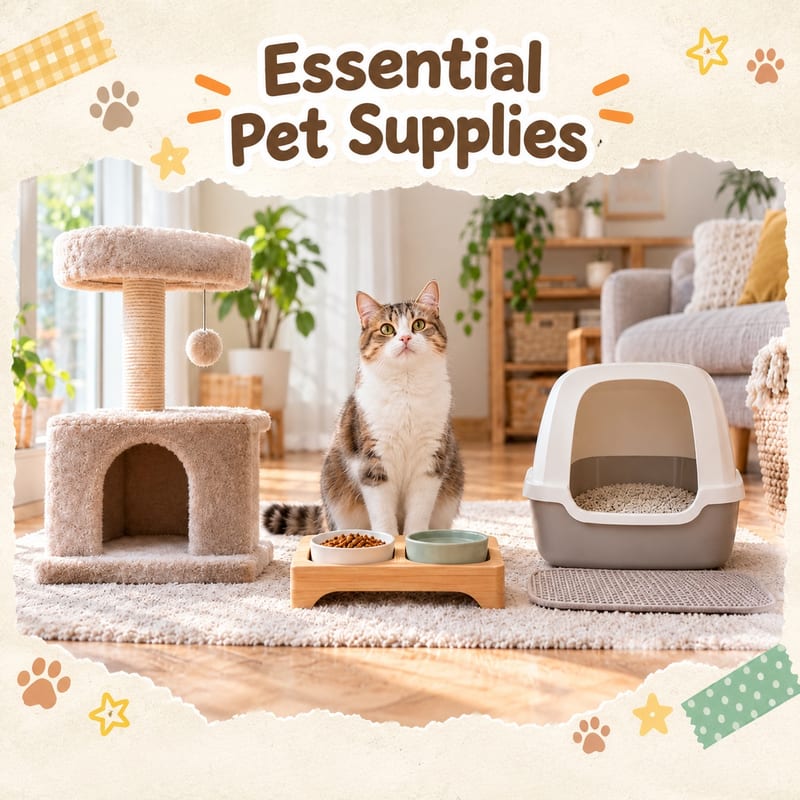
First step: buy the six basics — without any one of them, your cat's basic life is unstable:
- Litter box + cat litter — for toileting. The box should be bigger than the cat so it can turn around; open or covered depends on the cat's acceptance.
- Cat food — staple diet. Kittens need kitten food; check that the first ingredient is meat.
- Water bowl, food bowl — wide-mouthed and easy to clean recommended; change water daily.
- Cat bed — for sleeping. A soft mat can substitute if no bed.
- Scratching post — essential for claw sharpening; placing it next to the sofa is most effective and protects furniture.
- Carrier — essential for vet visits and car rides; without one, even future vet visits will be difficult.
Second tier (can add gradually): cat tree, interactive toys, grooming brush, nail clippers. New owners don't need to buy everything at once — get the basics first, then add according to your cat's preferences to avoid buying things the cat won't use.
Home safety: which areas are most dangerous?
The most common accidents for new cat owners are not from eating wrong things, but from windows. Hong Kong is densely built with high-rises; please check these five items one by one:
- Window screens — must install, no negotiation. Cats are curious and love to climb; an open window can easily lead to a fall or escape. This is the most important safety equipment for cat ownership in Hong Kong.
- Tidy cables — cats love to chew; chewing wires can injure the mouth or even cause electric shock. Use cable trunking or store them in cabinets.
- Store medicines and cleaning agents — many human medicines are toxic to cats; don't leave them on tables.
- Put away plastic bags and garbage bags — cats can suffocate if they crawl inside; use a lidded bin.
- Watch out for toxic plants — lilies are fatal to cats; even a small ingestion can cause severe harm. Check other plants before buying.
⚠️ Remember: window screens, cables, lilies are the three biggest risks new owners overlook, with the most serious consequences.
What budget does a new cat owner need?
Calculate your finances clearly before getting a cat, so you can have peace of mind:
| Item | Approximate amount |
|---|---|
| First-round supplies (litter box, cat food, bowls, bed, scratching post, carrier) | $1000–2000 |
| Medical (vaccines / neutering / health check) | $1500–3000 |
| Monthly food, litter, cleaning | $300–800 |
| Emergency medical reserve | Set aside several thousand more |
That means first-month investment is about $2000-5000. Special reminder: don't skimp on the medical reserve — without insurance, if a cat has urinary or gastrointestinal problems, the cost can far exceed the usual monthly food and litter expenses.
How to choose cat food and cat litter?
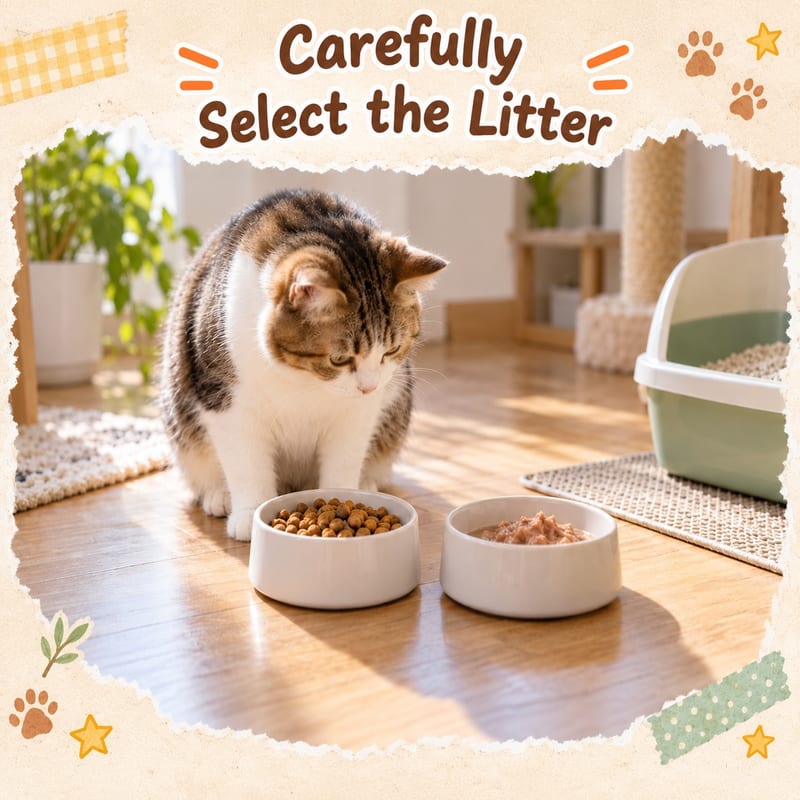
When choosing cat food, look at the ingredient list: the first ingredient should be meat, not grain fillers. Kittens and adult cats have different nutritional needs; don't mix. Transition food gradually; don't switch all at once or the stomach may react.
When choosing cat litter and litter box, consider two things: whether the cat is willing to use it, and whether it's convenient for you to scoop. Consider clumping, dust levels, and odour control; in small flats, odour control is a practical priority. Place the litter box in a quiet corner away from food and water so the cat feels safe using it.
What to do in the first week after bringing your cat home?
The most important principle in the first week is give space, don't force:
- Prepare a small room with food, water, litter box, and cat bed all together to reduce the environment and help it familiarise.
- It's normal for the cat to hide under the table or sofa; don't drag it out to hold.
- Gradually expand the activity area and let it explore on its own.
- While it's not yet familiar, train touching ears, mouth, and paws — this will make nail clipping and vet visits much easier.
- Arrange a vet health check, and discuss vaccination and neutering schedules.
- Feed at regular times daily and play at regular times (even ten minutes gets a response) to help the cat build routine and trust quickly.
What you can do starting today
- Measure all windows at home and get a quote for cat-proof window screens — this is the top priority.
- Make a list of the six basics and buy gradually according to your budget.
- Remove lilies and other unsuitable plants from your home; put cables into trunking.
- Decide between adoption and purchase — before buying, also read the adoption and cat food review guides.
Want to know which cat food is good value and which cat litter is best for odour control? PetChill's cat food reviews and supply buying guides have detailed comparisons, so you won't be confused before buying.
Related product recommendations
When starting to keep pets, basic equipment and staple food should be prepared at once. Here are related products available at PetChill:
- Fuji One Natural Minimalist Daily 3.0 Tofu Cat Litter Lavender 6L - Original Import (Fuji One) — tofu litter, flushable, low dust
- Fujihime no Awayuki 3.0 Natural Purifying Soy Milk Tofu Cat Litter Original 18L - Original Import (random old/new packaging) (Fujihime no Awayuki) — tofu litter, flushable, low dust
See more: Fuji One brand guide
Product prices and latest offers are subject to the product page; this article is for reference only.
Further reading
PetChill new owner team — Hong Kong's most authoritative pet knowledge platform
- Decoding cat trust signals →
- 10 signs your cat trusts you →
- Complete guide to trimming cat nails →
- 5 tips for training cats to scratch →
- The secret of cat purring →
Hong Kong small flat practical: complete safety setup in three days
Hong Kong flats are small, but in three days you can turn your flat into a cat-safe home. Day 1: measure all windows, contact a cat-proof window screen installer for a quote, and order the six basic supplies; while waiting for delivery, put all cables into trunking or drawers, and immediately throw away lilies and other toxic plants. Day 2: supplies arrive, place litter box in the bathroom corner, cat bed in a quiet spot in the room, scratching post next to the sofa; use tape to mark window screen installation positions for the installer. Day 3: after screens are installed, do another full home check to confirm no gaps, switch to a lidded bin, lock medicines and cleaning agents in a cabinet; bring the cat home in the evening and it immediately has a safe and comfortable first room. Done in three days, then adjust positions according to the cat's habits.
Hong Kong small flat practical: complete safety setup in three days
Hong Kong flats are small, but in three days you can turn your flat into a cat-safe home.
Day 1: measure + order + tidy
- Use a soft tape to measure all window widths and heights, WhatsApp photos to the cat-proof window screen installer for an instant quote; at the same time order the six basic supplies with home delivery to save time.
- While waiting for delivery, put all cables into trunking or drawers; immediately throw away lilies and other toxic plants, don't be soft-hearted.
Day 2: placement + marking
- Supplies arrive, place litter box in the bathroom corner (away from food bowls), cat bed in a quiet spot in the room (next to wardrobe or under bed), scratching post next to the sofa (protect furniture).
- Use tape to mark installation positions on window frames so the installer can finish in five minutes.
Day 3: inspection + fine-tuning
- After screens are installed, do another full home check to confirm no gaps; switch to a lidded bin, lock medicines and cleaning agents in a cabinet.
- Bring the cat home in the evening and it immediately has a safe and comfortable first room. Then adjust positions according to the cat's habits, e.g., if you find it likes to sleep on top of the wardrobe, add a soft mat there.
You don't need to take leave for the three-day process; do a little after work and finish on the weekend, then you can accompany your cat to adapt to the new home with peace of mind.
📌 Key summary
- ✅ Buy the six basic supplies first, then add gradually according to the cat's preferences
- ✅ Window screens, cables, lilies are the three fatal risks in Hong Kong
- ✅ First-month budget $2000-5000, then $300-800 per month
- ❌ Don't buy all toys at once; many cats won't use them
- ❌ Don't bring a cat home before installing window screens; risk of falling or loss
 Fuji One full guide →


 Fuji Cat full guide →


 K9 Natural full guide →



