Bengal
📺 32-second video · Cantonese narration
The Bengal story, in one take
From its origins to Hong Kong homes — how did the Bengal become one of Hong Kong's most popular cat breeds?
- ✓Origin story: starting in its homeland
- ✓Personality: Gentle and affectionate
PetChill Pet Encyclopedia
Bengal everyday food & supplies
Chosen by species (cat) from products PetChill stocks — not a breed-specific formula. Actual suitability depends on age, weight and health.
 Special offer
Nutriplan Cat Food Complete Health Nutritional Formula 5kg (64352)
HK$123HK$128About HK$24.6 per kg
Price checked 2026-10-21; the store page shows the live price, stock and offers.

Bella & Molly's Dutch Berry Royal Selected Cat Food AAFCO Anti-Aging Grain-Free Single Protein Salmon Formula 50g (Limited Time Experience)
HK$10About HK$200 per kg
Price checked 2026-10-21; the store page shows the live price, stock and offers.

Hills Cat Food Life Stage Series Adult Formula Chicken 490g (609885)
HK$55About HK$112.24 per kg
Price checked 2026-10-21; the store page shows the live price, stock and offers.
History & origin
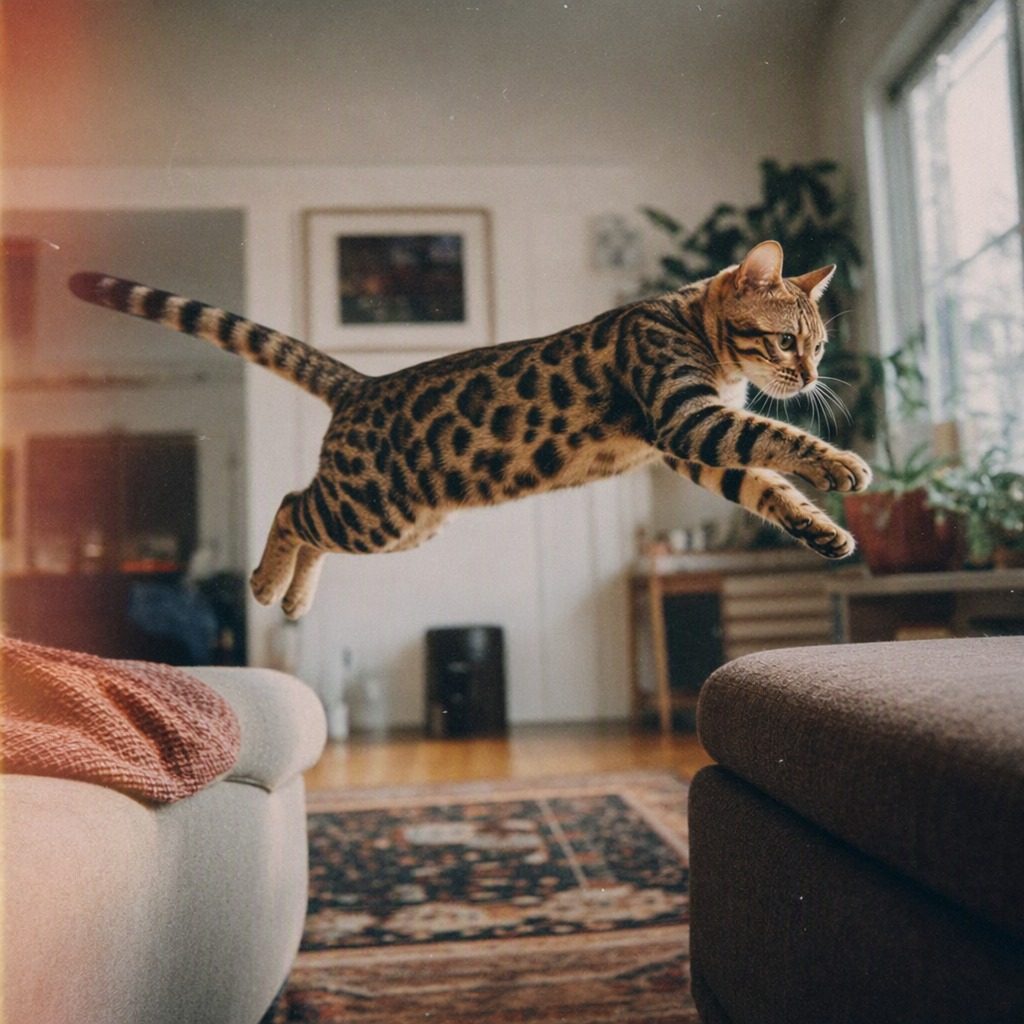
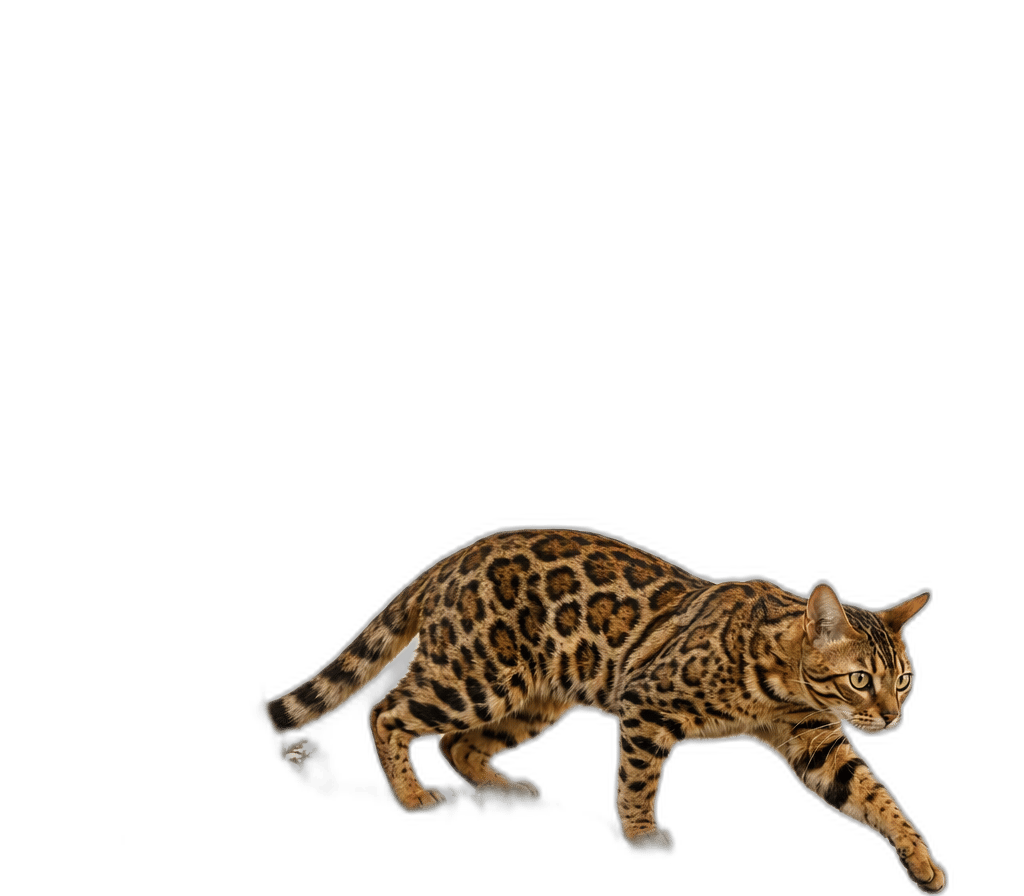
The Bengal is one of the few domestic cat breeds with wild blood, and the leopard markings on its coat make it look like a miniature leopard. In the 1960s the American geneticist Jean Mill crossed the Asian Leopard Cat with domestic cats, hoping to produce a cat with a wild look and a gentle temperament.
After many generations of careful breeding and selection, only the offspring from the fourth generation onwards had a stable enough temperament for family life. In 1986 TICA formally recognised the Bengal as a breed in its own right. Today's Bengal is many generations away from the wild leopard cat and is entirely domestic in temperament, keeping only the gorgeous leopard coat.
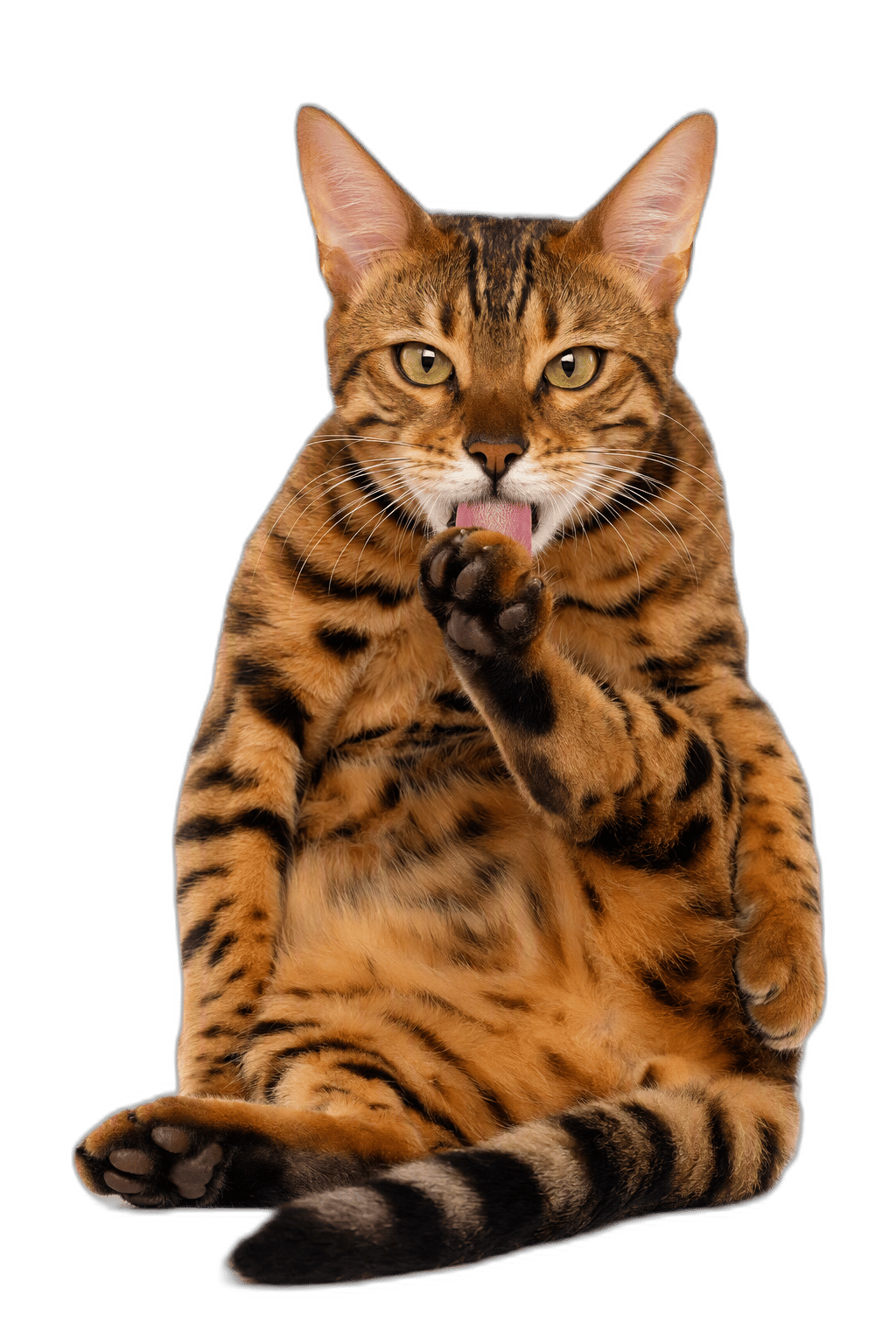
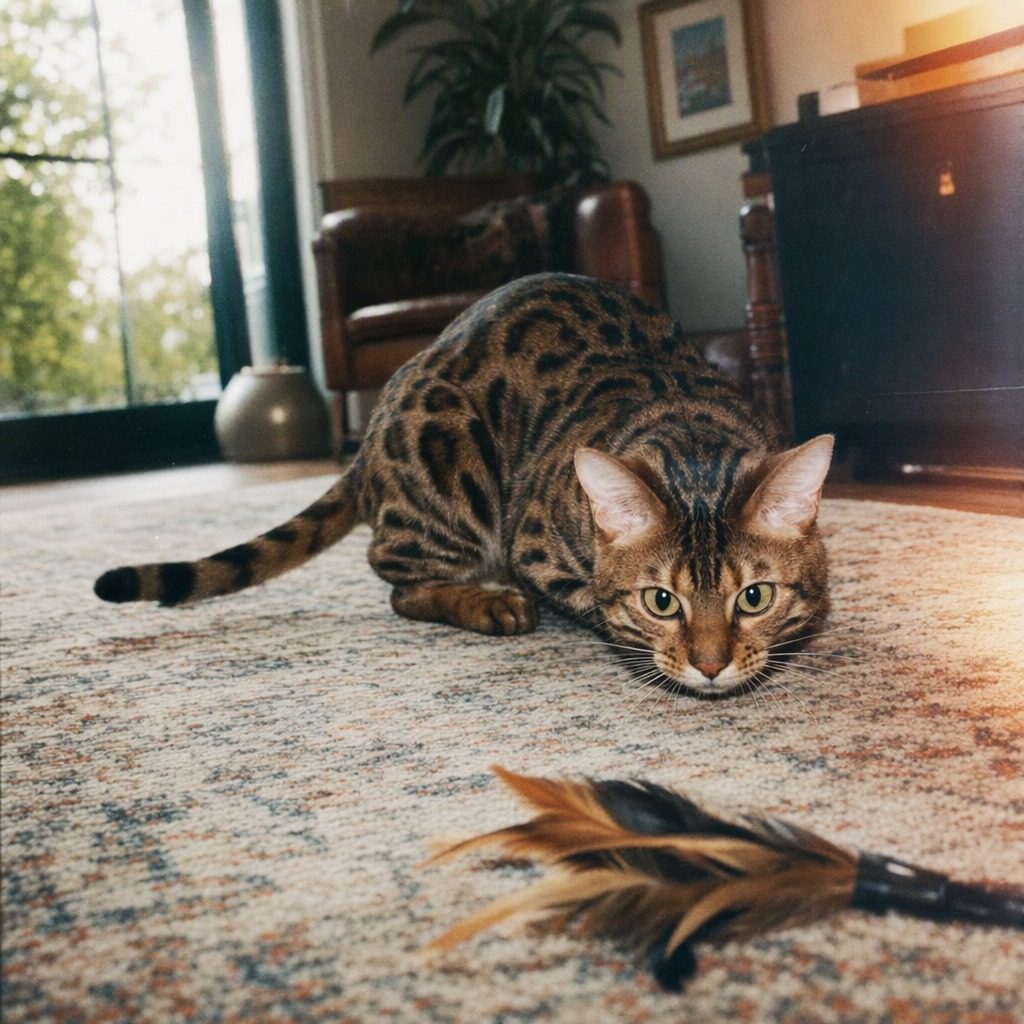
Bengal coat colours are mainly Brown Spotted and Snow, and most distinctive of all is the 'glitter' effect - the coat shimmers in sunlight as though dusted with gold. They are full of energy, highly intelligent and intensely curious, and love playing fetch, opening latches and even playing with water. If you want a pet with 'a leopard's looks and a cat's soul', the Bengal is the best choice. In Hong Kong, because they need plenty of space to move and plenty of company, they suit owners with the time and energy to match.
Frequently asked questions
The questions people ask most about the Bengal
Yes. The Bengal is descended from crosses between the Asian leopard cat and domestic cats, developed in the 1960s by the American geneticist Jean Mill, but today's Bengals are many generations away from that wild ancestry and are entirely domestic in temperament.
Extremely. Bengals are full of energy and highly intelligent; they love playing fetch, opening latches, and even playing with water, and they need plenty of toys and company.
Bengals carry a distinctive 'glitter' gene that makes the tips of the hairs look dusted with gold, so the coat shimmers in sunlight - it is their signature feature.
Not really the best fit. Bengals need a lot of activity and mental stimulation; if the owner is too busy they will get up to mischief, so they suit experienced owners with time to spare.
If its energy has no outlet, yes! A bored Bengal will wreck the place; aim for 30 minutes or more of play a day, plus cat trees and puzzle toys to burn off the energy.
Bengal articles
6 articles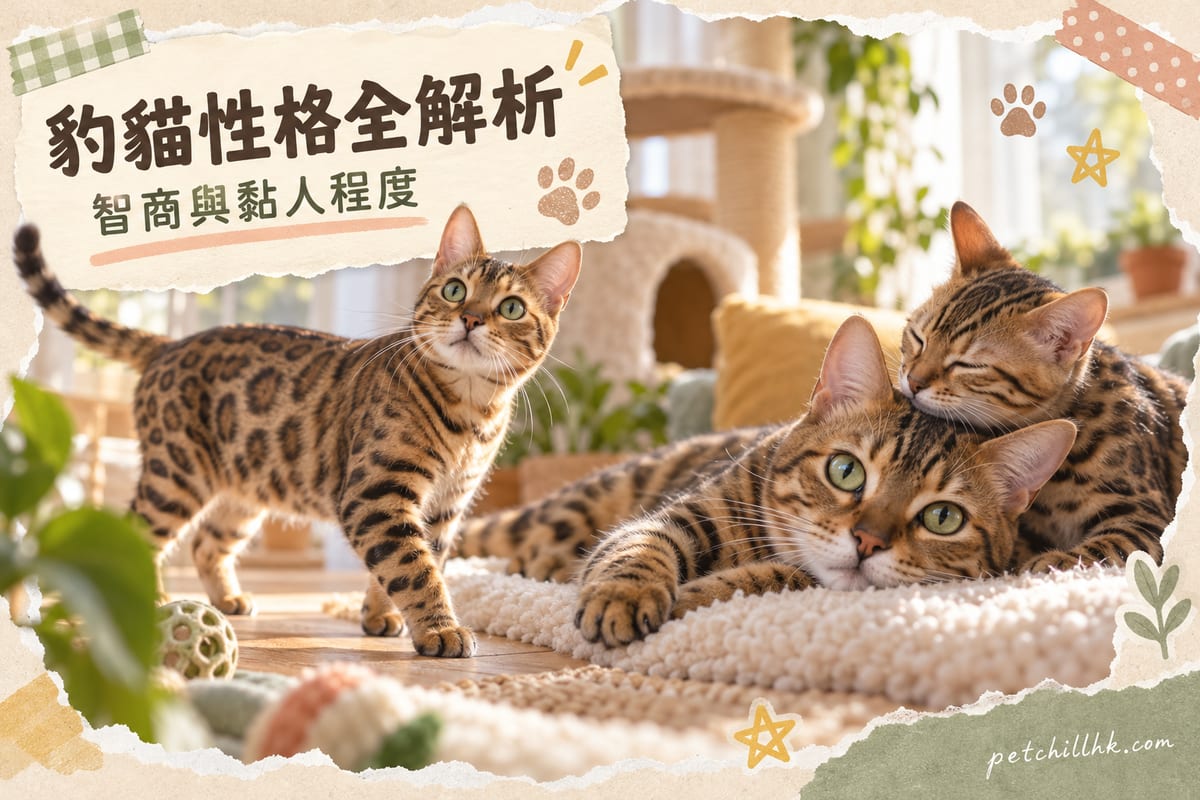
Bengal Cat Personality Explained | Hong Kong Bengal IQ, Affection and Male-Female Differences
Are Bengal cats really like dogs? This article breaks down the five key personality traits of the Bengal, its widely recognised high intelligence (opening doors, target training, fetch games), how it gets along with children and other pets, the personality differences between males and females, and interaction training tips, with a trait × behaviour × response table to help you decide if this 'dog among cats' suits your home.
Read the full article →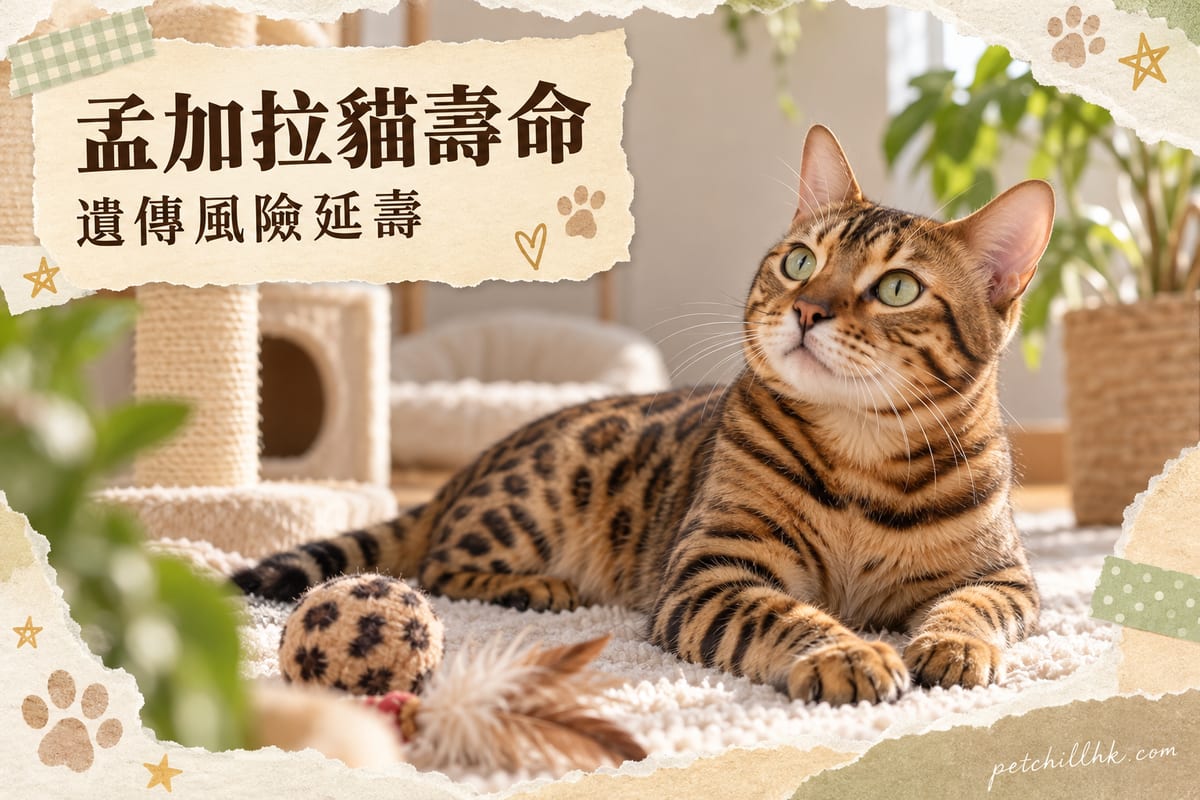
How Long Do Bengal Cats Live? | Hong Kong Bengal Genetic Risks and Longevity Guide
Bengal cats typically live 12 to 16 years, a wider range than many breeds. This article breaks down the factors affecting Bengal lifespan—genetic health (HCM, PKdef), weight management, diet quality and stress environment—and compiles an age-based health check schedule and a 10-point longevity checklist to help you and your spotted cat go further together.
Read the full article →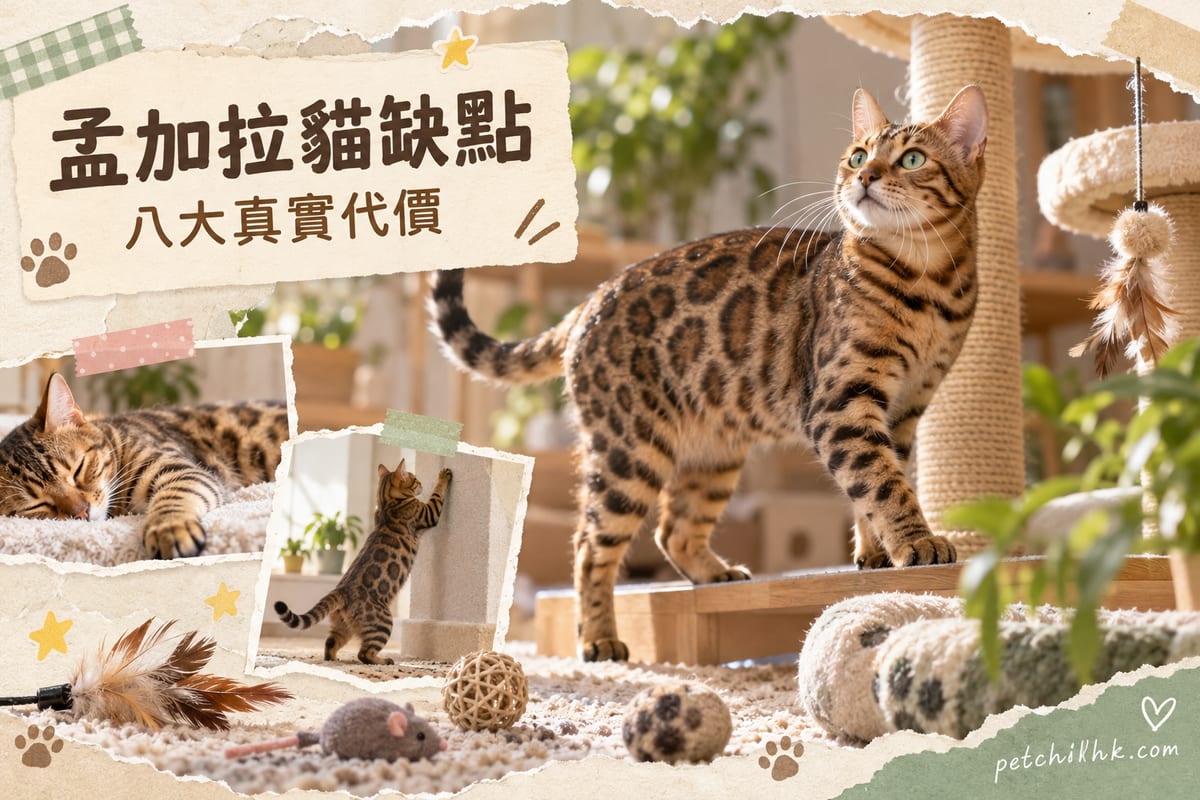
Before You Get a Bengal Cat: 8 Real Downsides and How to Handle Them in Hong Kong
Are Bengal cats really that difficult? This article honestly breaks down the eight common downsides of the Bengal breed—extreme energy, talking back, destructive tendencies, water obsession, separation anxiety, fussy eating, midnight parkour and medical costs—and offers practical solutions and cost directions for each, so you can make a prepared decision before welcoming a spotted cat into your home.
Read the full article →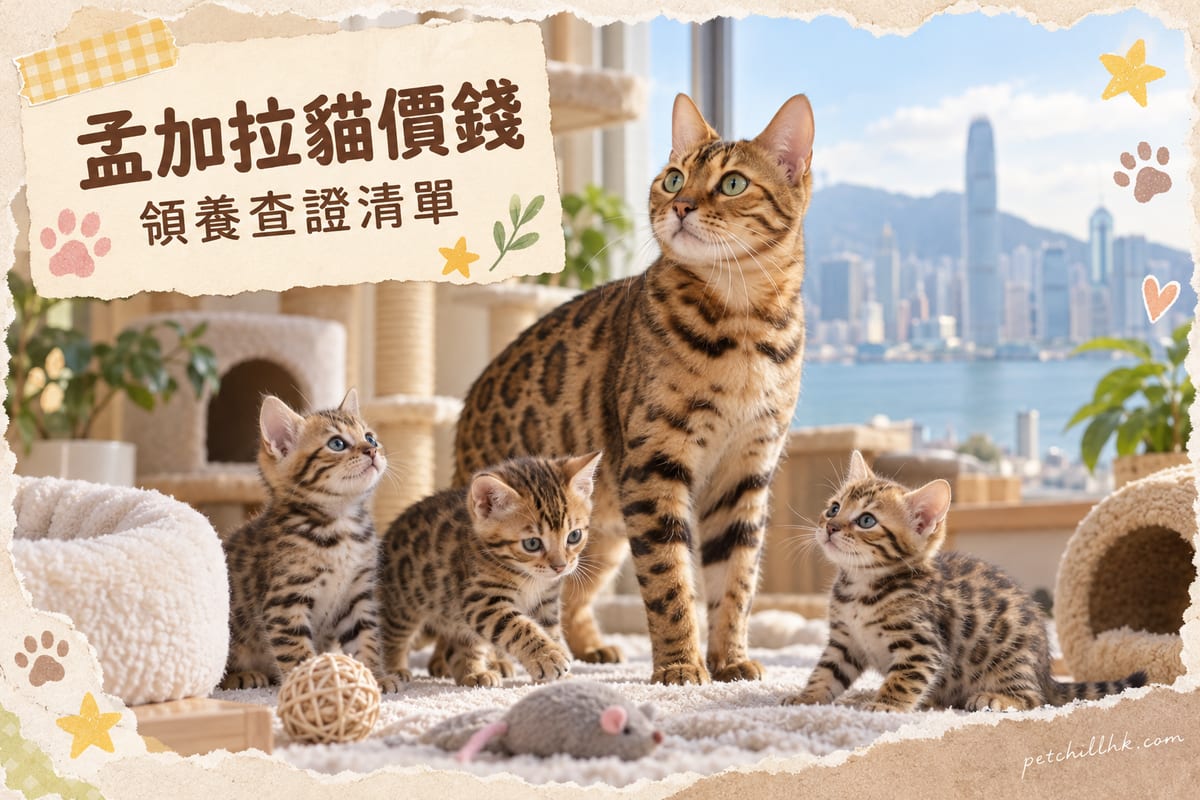
Bengal Cat Prices and Adoption Guide: Hong Kong Cattery Rates, Adoption Routes and a Pre-Purchase Checklist
How much does a Bengal cat cost? This guide covers the price ranges for pet-grade and pedigree Bengals in Hong Kong, the bloodline and coat factors that affect price, adoption routes (SPCA, IRC, Cat Aid and other rescue groups) and how feasible adoption really is, plus an 8-point pre-purchase checklist and a monthly cost estimate table — so you neither overpay nor miss an adoption opportunity.
Read the full article →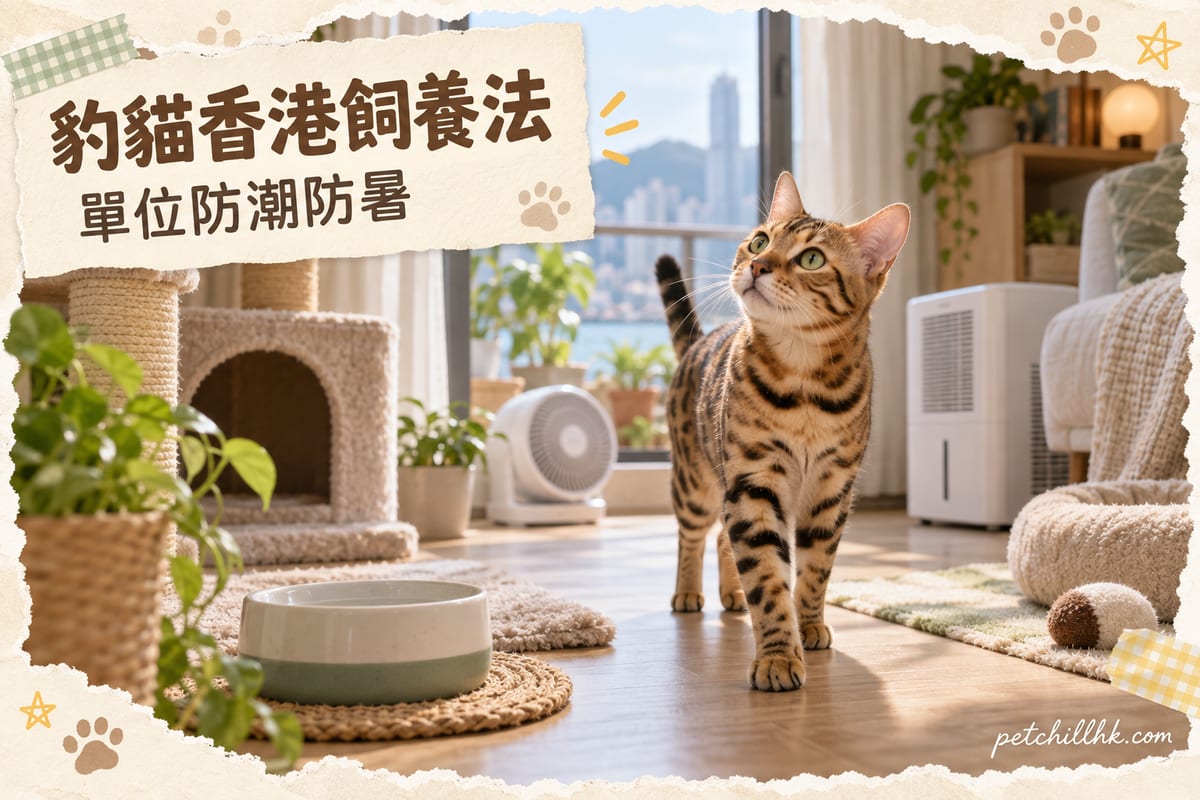
Bengal Cats in Hong Kong: The Complete 2026 Guide to Small Flats, the Law, and Humidity & Heat Protection
Can you keep a Bengal cat in Hong Kong? Do you need a licence? This article breaks down the legal difference between Bengal cats and Hong Kong's wild leopard cats, space planning for high-energy cats in small flats, heat and humidity protection, escape prevention, and deed of mutual covenant considerations, with a project-by-suggestion table to help you raise a healthy, worry-free spotted cat anywhere in Hong Kong, Kowloon or the New Territories.
Read the full article →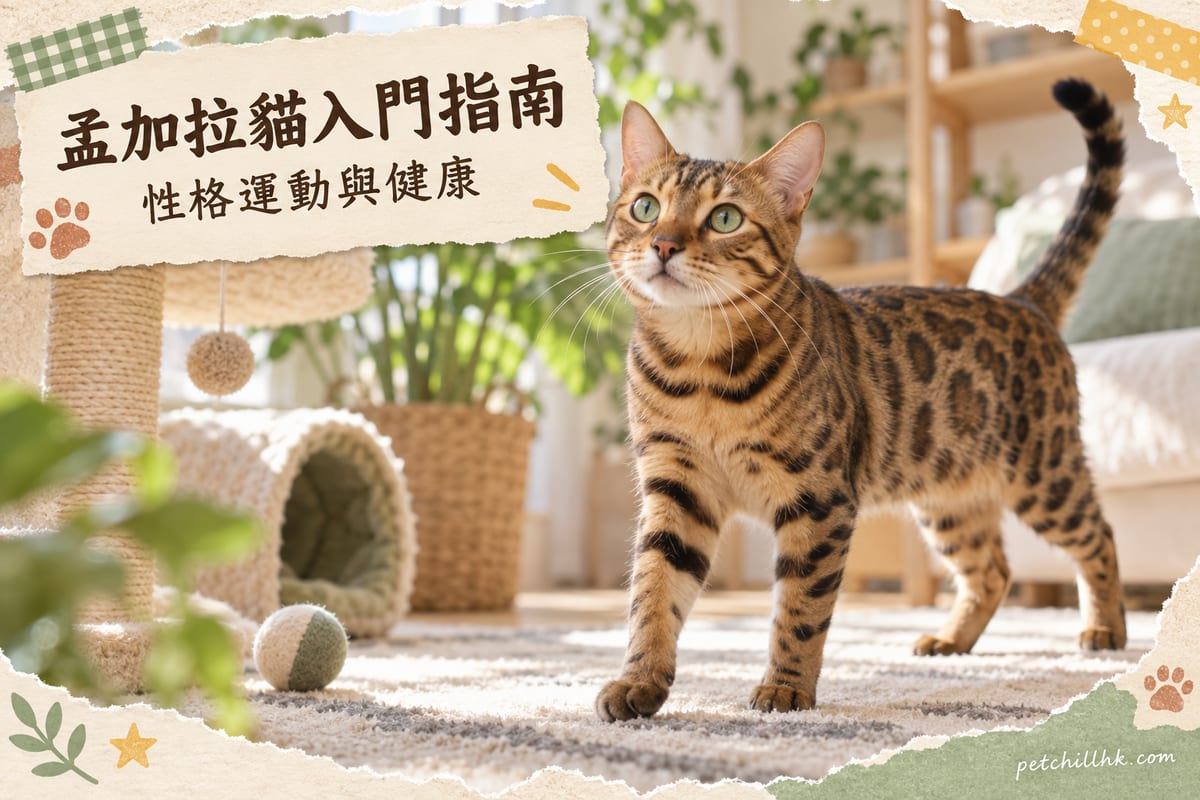
Bengal Cat Care Guide in Hong Kong | Personality, Exercise Needs and Health Watch
Thinking of getting a Bengal cat? This spotted, muscular cat needs high-intensity daily exercise, and small Hong Kong flats must provide vertical space. This guide covers personality, genetic health issues, diet and legal sources, plus practical setup tips — a must-read for Hong Kong cat owners!
Read the full article →You may also like
Other cat breeds like the Bengal