Domestic Cat

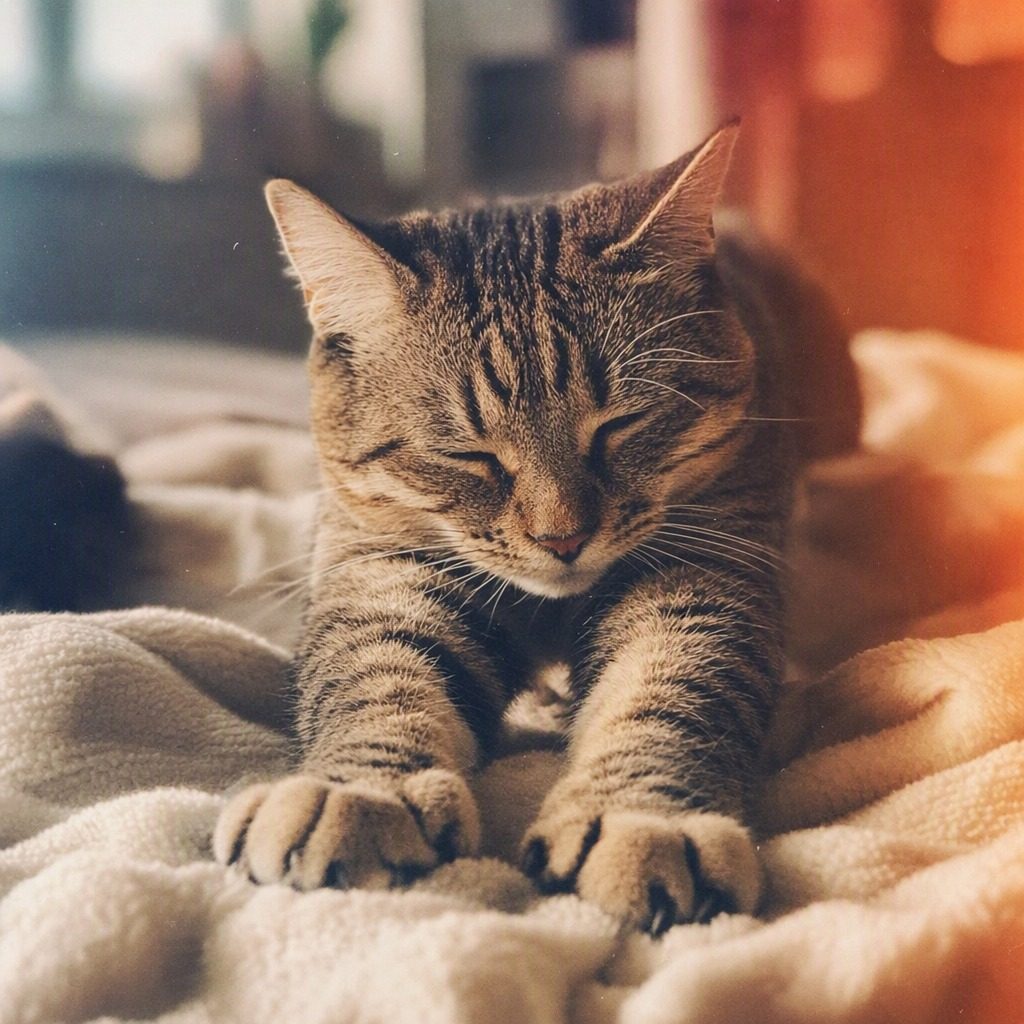
📺 32-second video · Cantonese narration
The Domestic Cat story, in one take
From its origins to Hong Kong homes — how did the Domestic Cat become one of Hong Kong's most popular cat breeds?
- ✓Origin story: starting in its homeland
- ✓Personality: Gentle and affectionate
PetChill Pet Encyclopedia
Domestic Cat everyday food & supplies
Chosen by species (cat) from products PetChill stocks — not a breed-specific formula. Actual suitability depends on age, weight and health.
 Special offer
Nutriplan Cat Food Complete Health Nutritional Formula 5kg (64352)
HK$123HK$128About HK$24.6 per kg
Price checked 2026-10-21; the store page shows the live price, stock and offers.

Bella & Molly's Dutch Berry Royal Selected Cat Food AAFCO Anti-Aging Grain-Free Single Protein Salmon Formula 50g (Limited Time Experience)
HK$10About HK$200 per kg
Price checked 2026-10-21; the store page shows the live price, stock and offers.

Hills Cat Food Life Stage Series Adult Formula Chicken 490g (609885)
HK$55About HK$112.24 per kg
Price checked 2026-10-21; the store page shows the live price, stock and offers.
History & origin
The local domestic cat, also called the village cat or house cat, is the most common cat in Hong Kong and also the 'breed' with the longest history. Strictly speaking it is not a pedigree breed but an umbrella term for domestic cats produced by thousands of years of natural evolution and interbreeding.
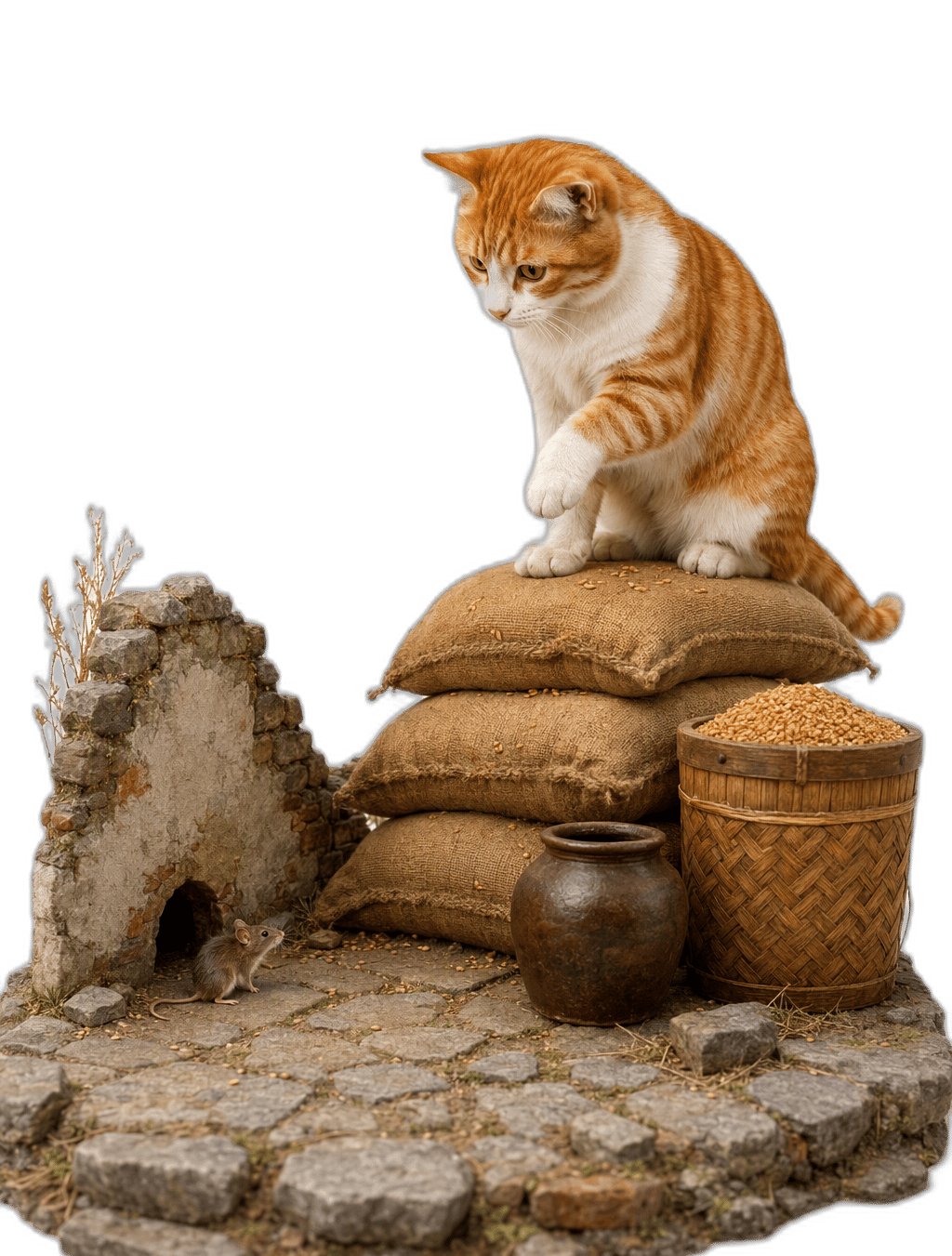
Cat domestication goes back ten thousand years to the Fertile Crescent in the Middle East, when people began farming, granaries attracted rodents, rodents attracted wild cats, and humans and cats began a mutually beneficial relationship. Cats gradually moved from being rodent catchers to household companions, and spread around the world with migration and trade.
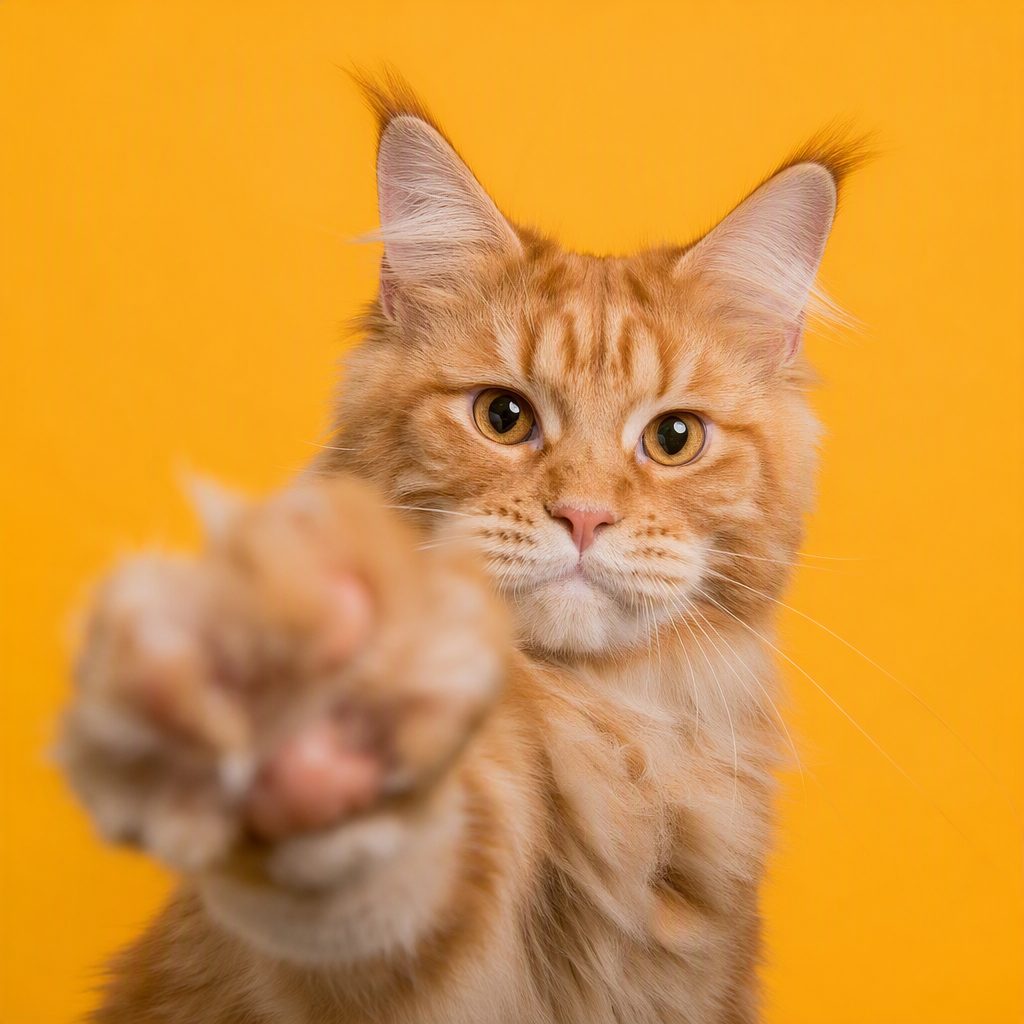
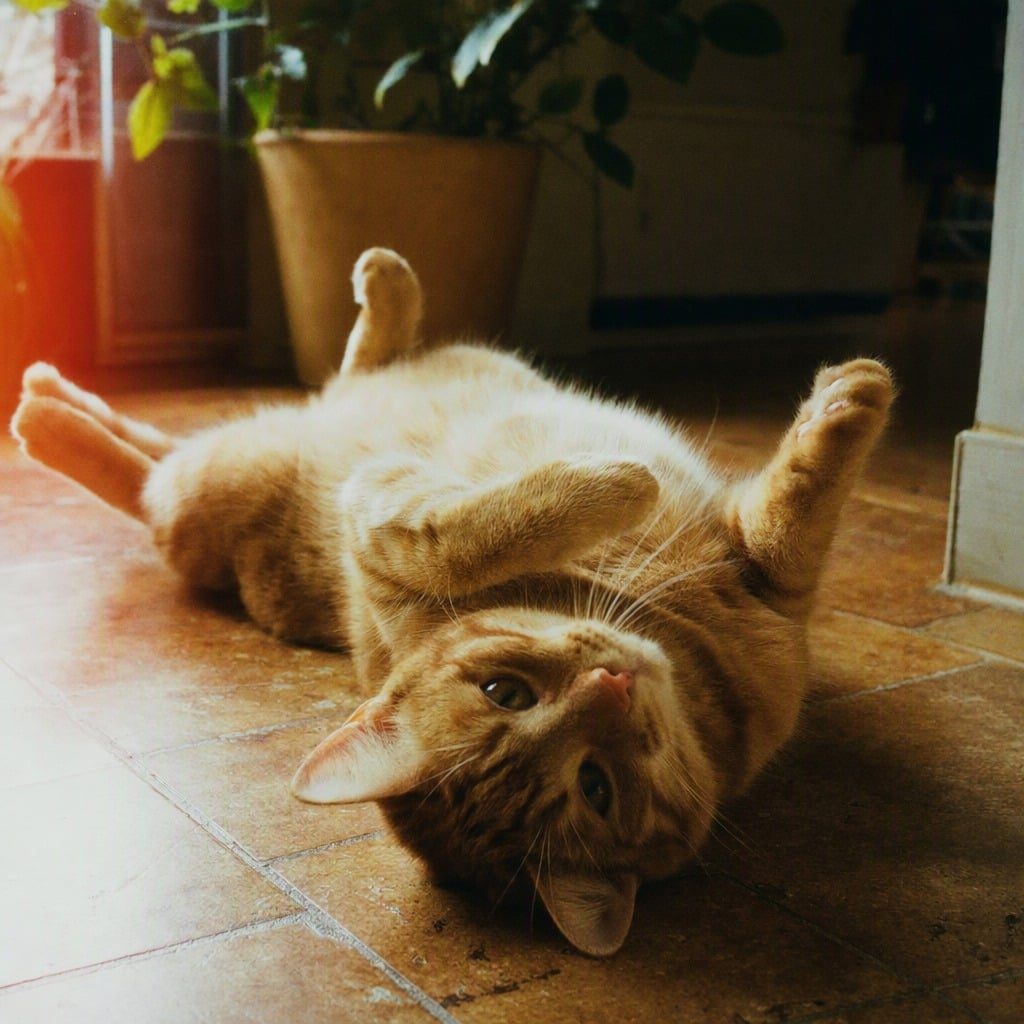
The local cat's appearance is endlessly varied: short hair and long hair, every pattern and colour, with tabby, calico, black and white and solid colours the most common. Because they are naturally mixed, local cats have a broad gene pool, generally better overall health than pedigree cats and fewer inherited diseases, and a lifespan that commonly reaches 15-20 years. In Hong Kong, local cats make up the bulk of the stray population, and many animal organisations (such as the SPCA and cat associations) work on TNR (trap-neuter-return) and adoption matching for them. If you are thinking of getting a cat, adopting a local cat is a meaningful choice: they are just as affectionate and just as charming, and you save a small life.
Frequently asked questions
The questions people ask most about the Domestic Cat
No. The local domestic cat is an umbrella term for domestic cats shaped by thousands of years of natural interbreeding; it is not a pedigree breed, and precisely because of that its gene pool is broad and its health is usually better than that of pedigree cats.
Local domestic cats generally live 15-20 years; because they are naturally mixed with fewer inherited diseases, they are among the longest-lived types of cat.
Very much so! Local domestic cats are just as affectionate and charming, and adopting one also saves a small life. Many animal organisations in Hong Kong (the SPCA, cat associations and others) have local cats waiting for adoption.
No. They are clever and adaptable, and basic behaviour can be taught with treats and patience; like pedigree cats they can learn to use a litter tray and a scratching post.
The most common are tabby, calico, black and white (tuxedo), solid black, solid white and orange; every local cat's pattern is unique.
Domestic Cat articles
5 articles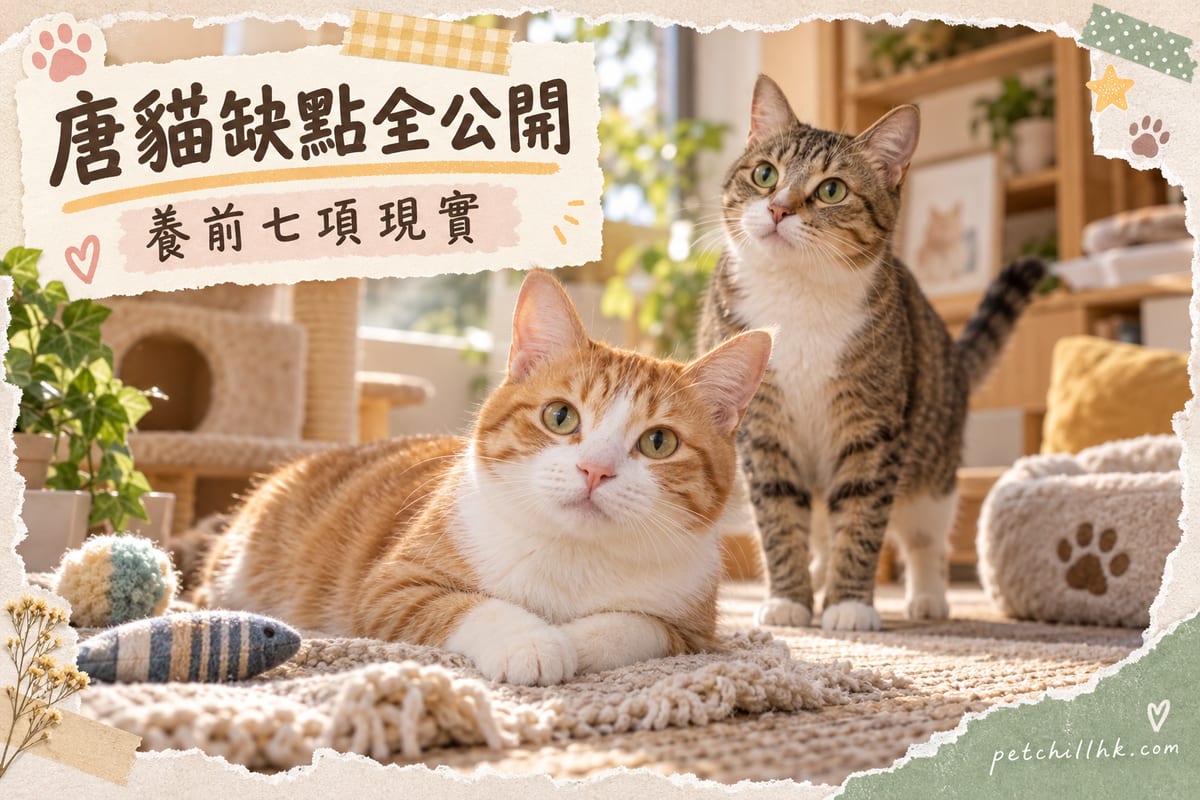
The Downsides of Domestic Cats: The Truth and How to Handle It Before Getting a Hong Kong Cat
It's common knowledge that domestic cats are easy to keep, but that doesn't mean they have no downsides. This article honestly lists seven realities of keeping a domestic cat (Hong Kong cat): unpredictable personality, the adjustment period and behavioural remnants of a street-cat background, the need for FIV/FeLV testing, escape and lost-cat risks, public housing lease restrictions, night-time calling during heat, and a blank medical history. Each comes with coping methods and cost direction—not to discourage you, but to help you keep one more clear-headedly.
Read the full article →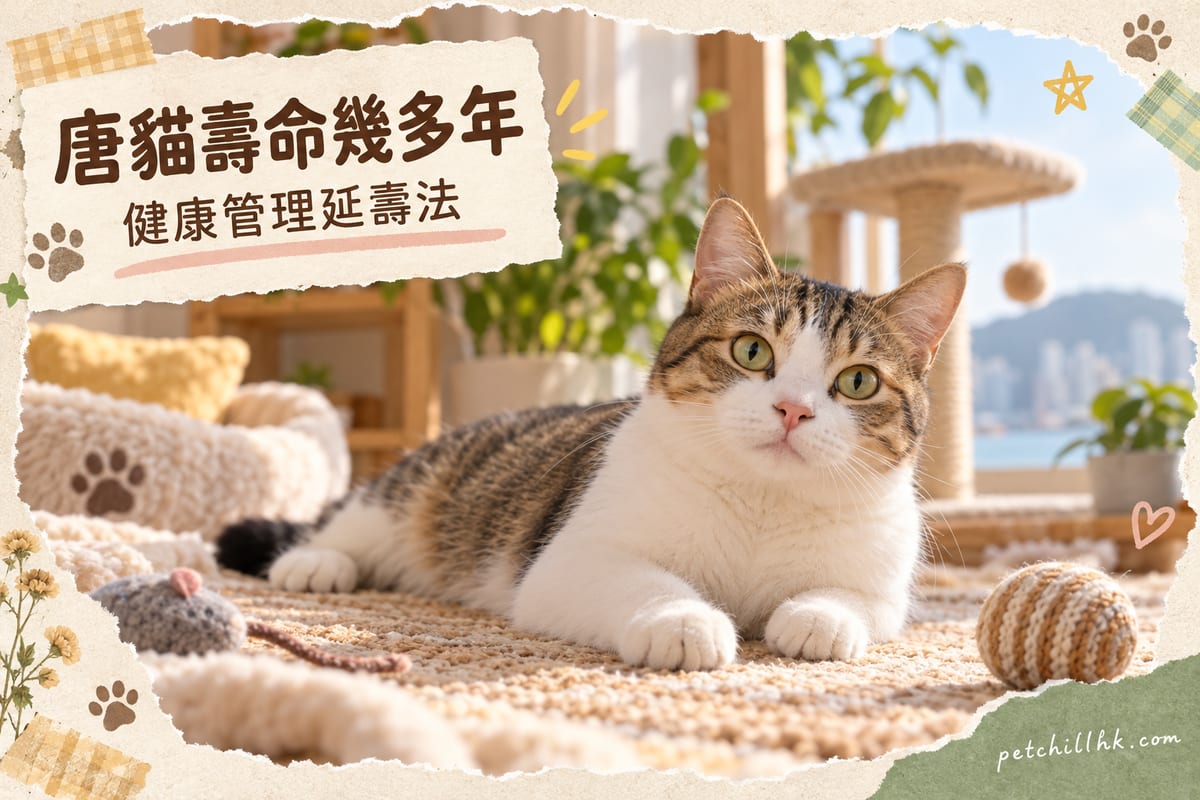
How Long Do Domestic Cats Live? A Hong Kong Guide to Health Management and Longer Life
Domestic cats typically live 15 to 20 years—longer than most purebreds, thanks to genetic diversity. But the lifespan gap between an indoor domestic cat and a street cat can be tenfold: SPCA data shows unneutered street cats average only about 2 years. This article breaks down domestic cat lifespan data, influencing factors, common diseases (chronic kidney disease, dental issues, hyperthyroidism), and a Hong Kong-style health checklist from adoption to old age.
Read the full article →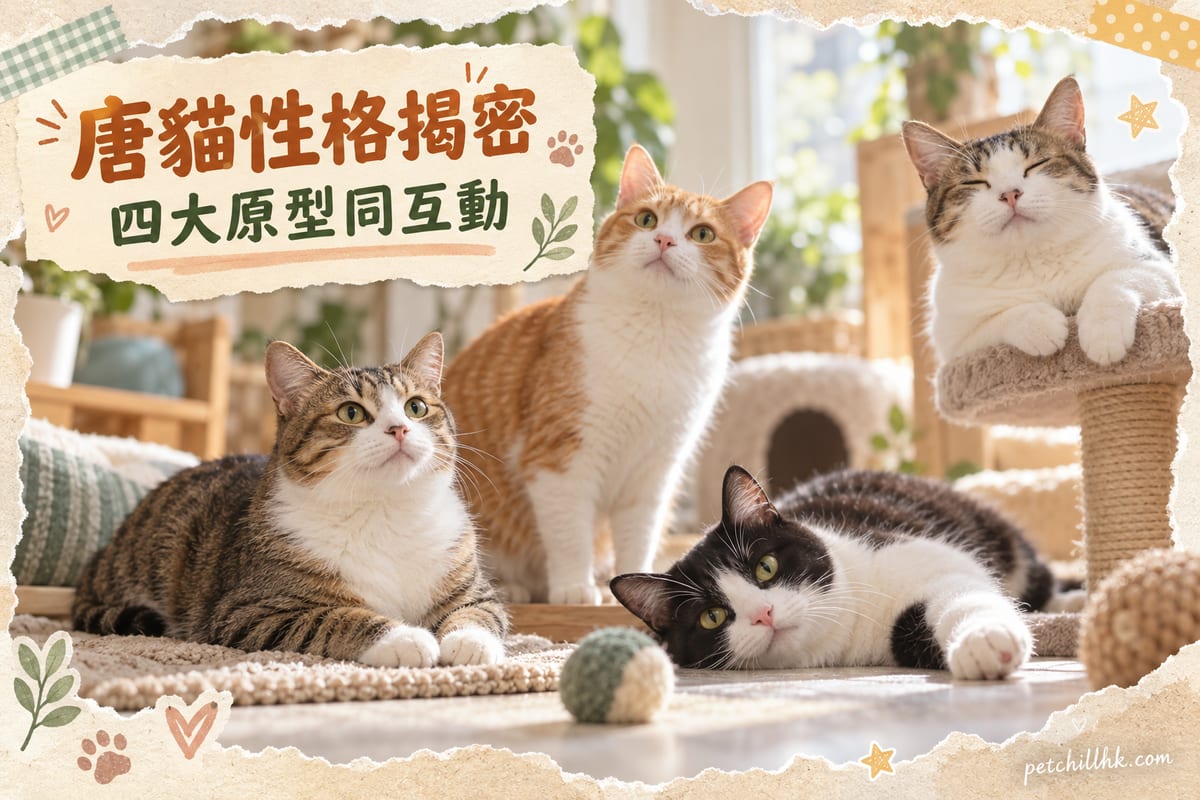
Decoding the Domestic Cat Personality | Hong Kong Street Cat Blind Box: Why They're So Loved
There's no standard answer for a domestic cat's personality—and that's exactly why every Hong Kong cat is an individual: some are clingy chatterboxes, some are aloof observers, some are street-smart survivors. This article breaks down how domestic cat personalities form (natural selection + early experiences), four common personality archetypes, getting along with children and other pets, how to 'open the box' and pick the right one when adopting, and interaction tips for building trust, with a trait comparison table.
Read the full article →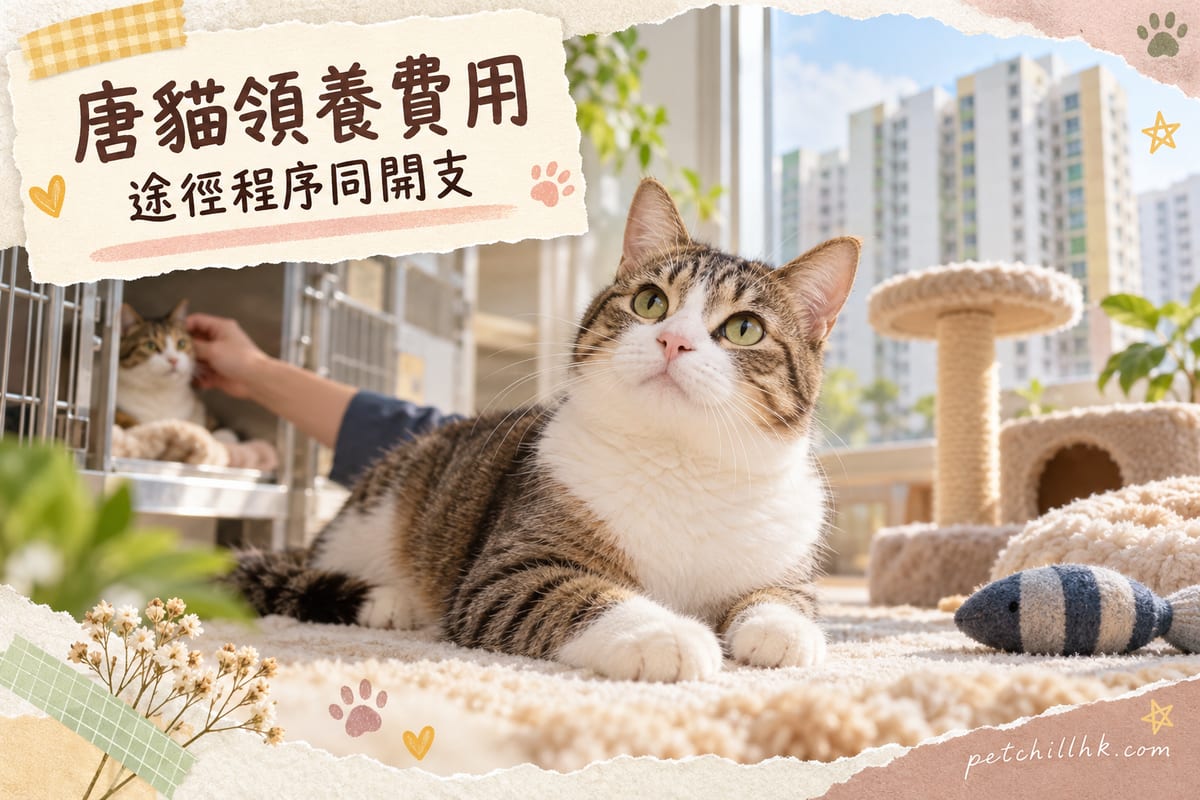
Adopting a Domestic Cat in Hong Kong: AFCD & SPCA Fees, Procedures, and Public Housing Rules
Domestic cats are the only truly 'zero cat price' option: AFCD adoption fees can be as low as free, while SPCA fees are around HK$1,000–$2,500 and usually include neutering, vaccinations, and microchipping. This article breaks down the four main adoption routes in Hong Kong (AFCD, SPCA, HKSPCA, and volunteer groups), their procedures and fees, public housing policy notes, a pre-adoption checklist, and a monthly expense estimate—save the money you'd spend buying a cat and put it all into your new companion.
Read the full article →
Adopting a Hong Kong Cat: Personality, Health Advantages and Adoption Steps
Hong Kong cats (local mixed breeds) are an underrated treasure: genetically diverse, fewer inherited diseases, highly adaptable, and available for adoption. This guide covers their personality and body type, how they differ from purebreds, medical considerations and adoption routes in Hong Kong — essential reading for anyone torn between buying and adopting.
Read the full article →You may also like
Other cat breeds like the Domestic Cat