
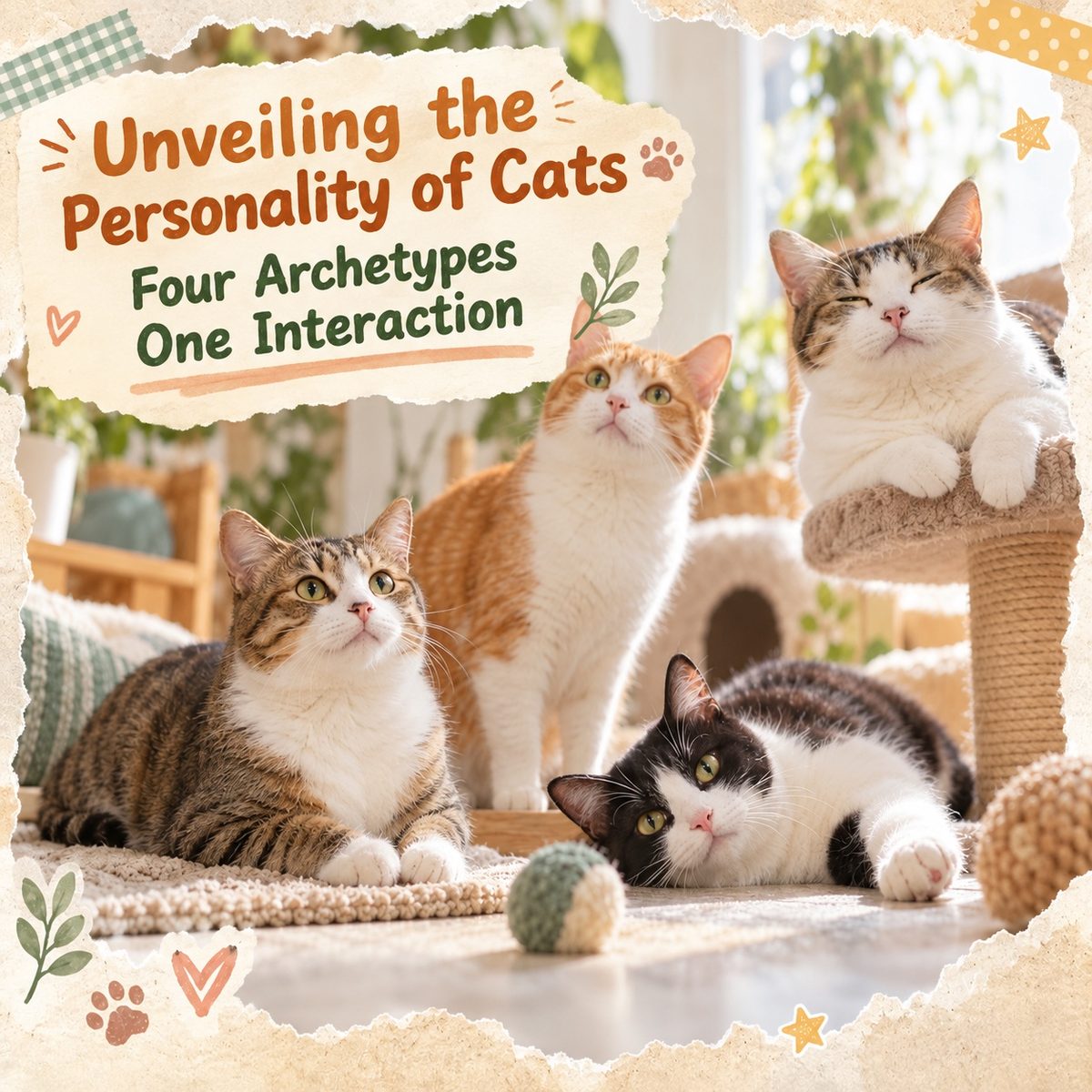
Quick answer: The answer to a domestic cat's personality is 'no standard answer': a mixed gene pool makes every domestic cat an individual blind box—but natural selection has given them three common traits: smart, adaptable, and extremely loyal to the owner they choose. The selection strategy is the opposite of purebreds: don't read breed profiles, but spend half an hour in person plus ask volunteers for long-term observation records. Want 'predictable personality'? Adopting an adult cat is much safer than a kitten; want 'surprises'? Kitten adoption is the romance of opening a blind box.
Want to know domestic cats fully? Start with the Domestic Cat Breed Profile and the Complete Guide to Domestic Cats.
1. Why domestic cats have no 'breed personality': the logic of natural selection
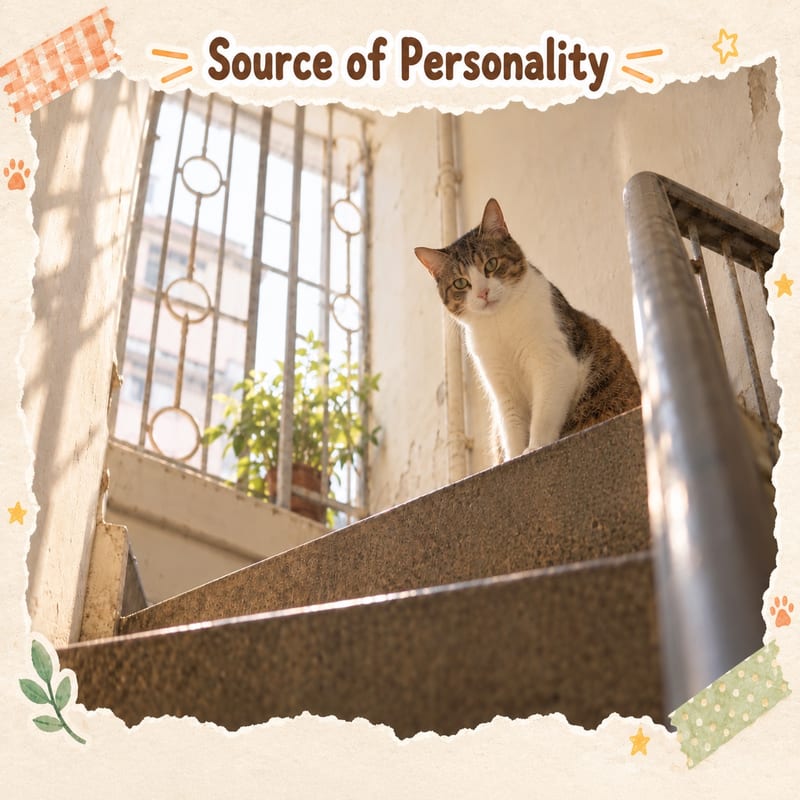
Purebred cat personalities are predictable because humans have selected generations for specific traits (Siamese chatter, Ragdoll calm). Domestic cats haven't gone through that process—their 'mate selection criteria' is survival itself: breeding for dozens of generations in Hong Kong back alleys, Tong Lau basements, and estate podiums, the only common genetic trait left is: read the environment, pick the moment, solve problems. What this selects for isn't a personality type but 'personality flexibility': the same litter can produce both extremely clingy and extremely independent extremes. So asking 'what's a domestic cat's personality like' is like asking 'what's a Hong Kong person's personality like'—the range is wide, but the underlying temperament has common ground.
2. Four common personality archetypes
Although each is unique, frontline adoption volunteers commonly observe four high-frequency archetypes:
| Archetype | Behaviour | Suitable household |
|---|---|---|
| Survival expert | Observant, slow to warm, self-sufficient | Office workers, people who like 'being chosen by the cat' |
| Street wanderer | Outgoing, rolls over for anyone, wants play and action | Active families, with children or dogs |
| Aloof landlord | Territorial, gentle with family, hisses at strangers | Simple households, fixed routines |
| Soft rice king | Fully human-oriented, sleeps by your pillow, seeks companionship | People needing emotional feedback, senior households |
Note: these four are 'high-frequency archetypes', not categories; the reality of mixed breeds is lots of blends plus individual quirks—the truly accurate answer is always in the volunteers' observation records and what you see for yourself.
3. Three common traits worth mentioning
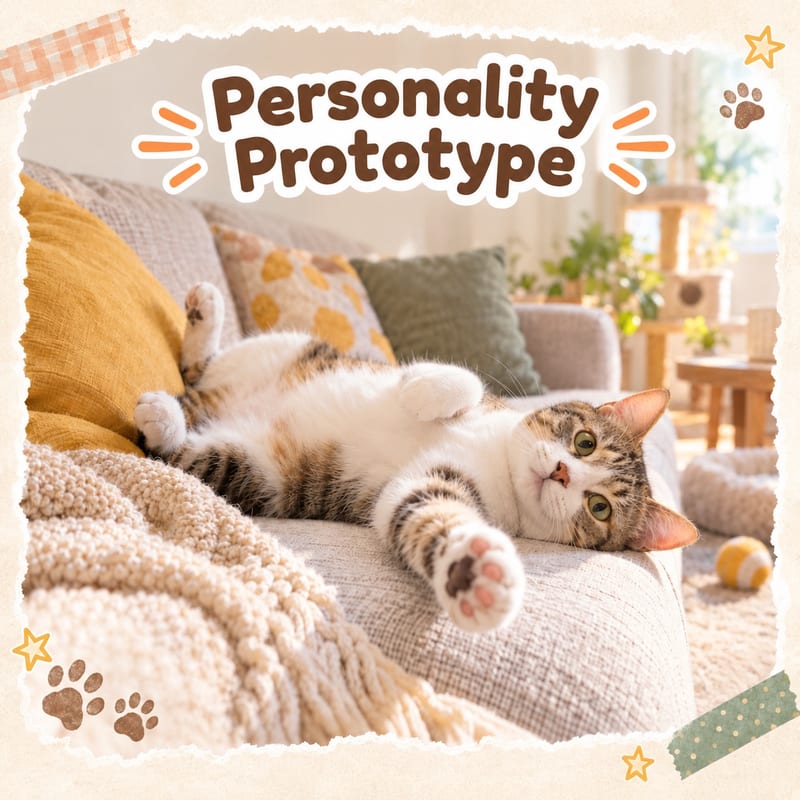
Smart, and pragmatically smart. The intelligence selected by street life isn't 'performance' but 'problem-solving': opening doors, flipping bin lids, using a new litter box first time, sitting by the bed three minutes before you get up waiting for the can to open. Research shows cats learn mainly through observation and consequences, and individuals with rich survival experience have the most practice.
Highly adaptable. Most individuals complete the identity shift from street cat to house cat in two weeks to several months; moving house, changing food, adding a family member—domestic cats generally recover faster than sensitive purebreds. But adaptability isn't a free pass: street-born individuals' stress windows (initial hiding, food guarding, night crying) need time and space to be supported; see the Disadvantages article for details.
Slow to warm, then loyal. This is the most consistent pattern in domestic cat owners' accounts: mixed breeds don't flirt with the whole world, but once they decide you're theirs—following from room to room, greeting at the door, sleeping by your pillow—none of it is missing. Their love for you is a vote, not a factory setting, and that weight of 'choosing you' is exactly what purebreds can't give.
4. Getting along with children and other pets
Domestic cats have no 'patience with children' breed setting, so assess each one: adoption centre behavioural assessments note acceptance of children and dogs, and individuals with experience living with cats and dogs are usually marked. Practical advice: families with children should choose adult cats with known stable personalities (kittens don't know their own strength and can't retract claws before two years); multi-cat households should bring a gentle-natured resident cat for matching and let volunteers recommend a complementary new cat; dog-owning households should choose individuals 'not afraid of dogs' and introduce them in three steps: separation—scent exchange—short meetings. Food guarding is common initially in street-born cats; separate bowls and scheduled feeding will manage it.
5. Male vs female differences and the impact of neutering
General observations: male cats (especially orange genes concentrated in males) tend to be bigger, friendlier, and playful for longer; female cats tend to be more delicate and protective of territory and family. But remember: these are weak signals, and individual differences far exceed sex differences. What really affects a domestic cat's personality expression is neutering: unneutered males' urine marking and night calling, unneutered females' heat restlessness and calling, all greatly reduce after neutering—many 'he's so affectionate' stories happen a month after neutering. Adoption agreements specify neutering responsibility for this reason.
6. How to 'open the box' and pick the right one when adopting
- Meet the cat in person, don't just look at photos: sit down, offer the back of your hand for sniffing, see if they approach or retreat—20–30 minutes of real interaction is worth more than all written descriptions
- Ask volunteers three questions: afraid of strangers? How do they get on with other cats? Any food guarding or stress records? (Volunteers have long-term observations and answer in more detail than you expect)
- Reverse self-introduction: clearly state your working hours, household size, whether you have dogs, whether you want to cuddle or just watch—ask the organisation to recommend, don't fixate on 'love at first sight'
- Kitten or adult: for predictable personality choose an adult; to enjoy growth and surprises choose a kitten, but be mentally prepared for a blind box
- Use 'trial adoption' schemes: large organisations like the SPCA have trial arrangements; if it's not right after two or three weeks you can return—don't force a mismatch, it's fair to both you and the cat
7. Building trust: interaction tips for a blind-box cat
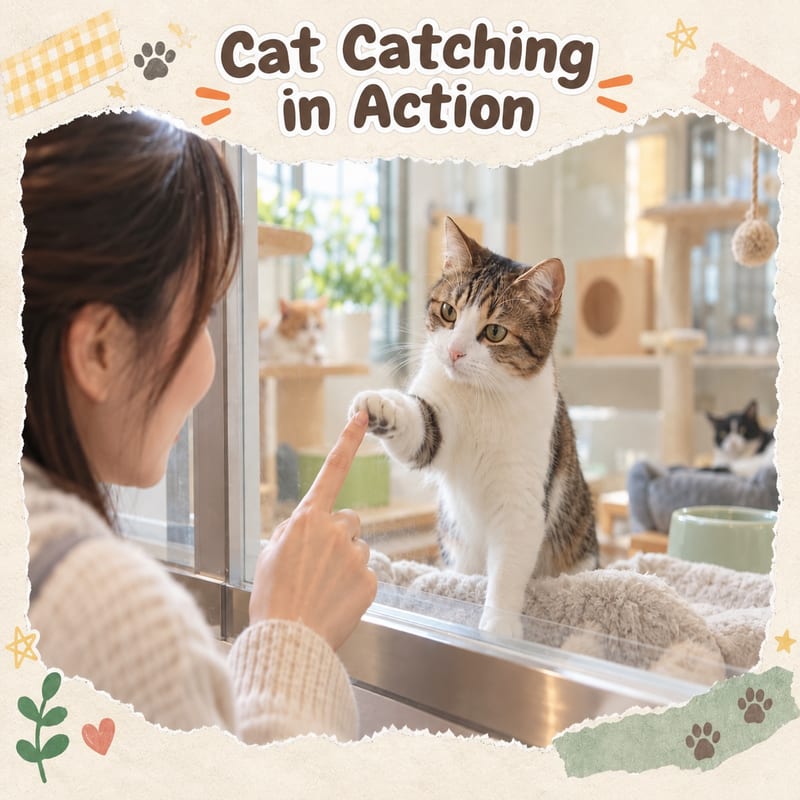
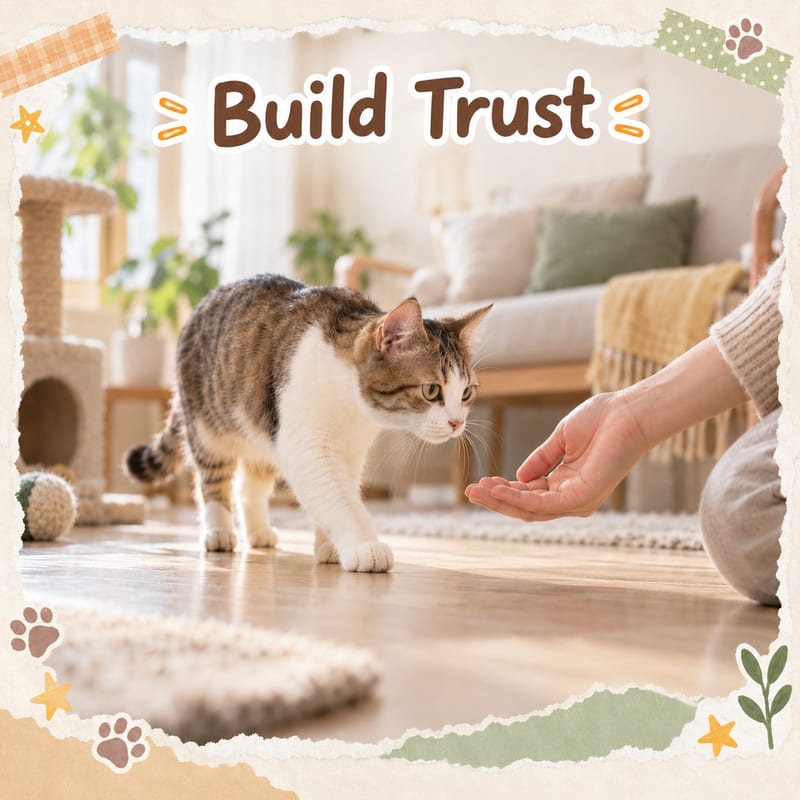
The first two weeks after bringing a cat home are the trust-building window; the principle is 'let them choose you': one, start with a small isolation room (bed, water, litter box, a cardboard box), don't give the run of the house; two, feed at set times and stay to watch them eat—food is the most neutral gesture of goodwill; three, daily scheduled floor play (wand toy mimicking prey, never play with fingers—a finger-biting habit is a disaster waiting to happen); four, touch only when they approach, stroke neck and chin, avoid belly and tail; five, keep a 'behaviour diary'; after two weeks you'll understand your cat's meow categories. A domestic cat that has been respected will only become more affectionate month by month.
Key takeaways
- ✅ Domestic cat personality has no breed setting—flexible distribution is exactly the product of natural selection
- ✅ Three common traits: pragmatic intelligence, adaptability, slow to warm then loyal
- ✅ Want predictability choose an adult; love surprises choose a kitten, but be prepared for a blind box
- ✅ Three opening moves: 30 minutes in person, ask volunteers three questions, use trial adoption
- ✅ Personality weak signals: look at neutering first—after calling and spraying fade, many cats seem like different cats
- ✅ First two weeks 'let them choose you': isolation room, scheduled feeding, no finger play
- ✅ A respected domestic cat only becomes more affectionate—loyalty is a vote
Related reading
- Domestic Cat Adoption and Costs Guide
- Domestic Cat Disadvantages and Solutions
- Domestic Cat Lifespan and Health Guide
- Complete Guide to Domestic Cats
- Cat wands, puzzle feeders, cardboard box beds: get everything at PetChill pet supplies.
The behavioural descriptions in this article are based on general frontline adoption observations and breed research; individual cat personalities are greatly influenced by early experiences; for persistent behavioural problems please consult a registered veterinarian or cat behaviour consultant.



