
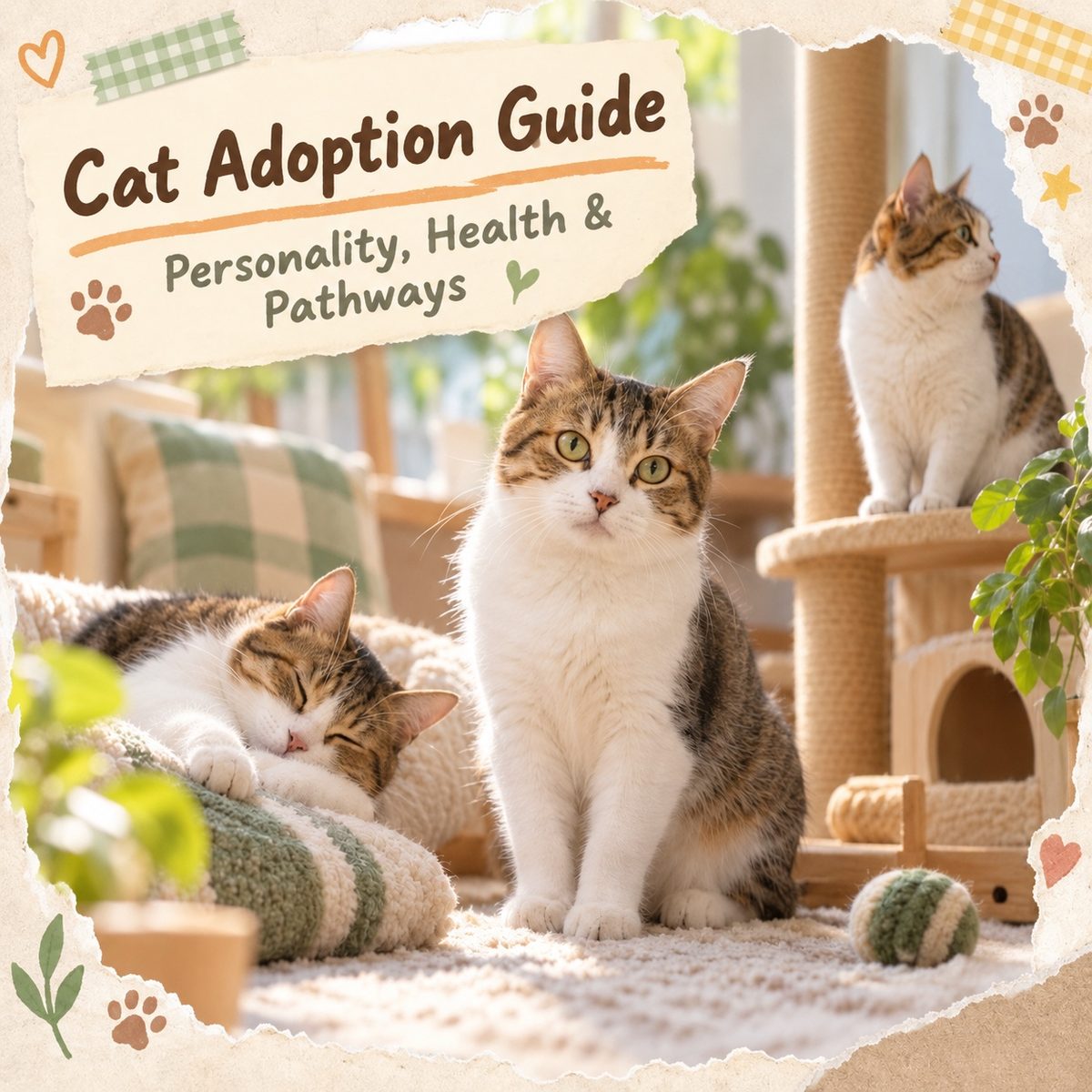
Quick answer: A Hong Kong cat is a local mixed-breed cat: genetically diverse, with few inherited diseases and a personality all its own. Adoption fees are low and they adapt easily to small flats. As long as you install window screens, prepare basic supplies and book a check-up in the first month, even beginners can keep one — the most practical cat choice for Hong Kong people.
A Hong Kong cat (local domestic cat) is a genetically diverse mixed breed — no pedigree papers, but fewer inherited diseases, strong adaptability, varied personalities, and available for adoption. If you want a cat but don't want the price tag and medical risks of a purebred, adopting a Hong Kong cat is the most practical choice; it suits the vast majority of Hong Kong households, especially first-timers.
Appearance and body type: no standard, but the most "natural"
Hong Kong cats have no uniform look — and that's precisely because they are the product of natural selection:
| Item | Details |
|---|---|
| Bloodline | Mixed breed, no specific breed |
| Coat colour | Black-and-white, orange, tabby, tortoiseshell… extremely varied |
| Coat length | Mostly short-haired, some long-haired individuals |
| Body type | Medium and sturdy, about 3–5.5 kg |
| Personality | Varies by cat, from lively to quiet |
The orange tabbies and black-and-white "cow cats" most commonly seen on Hong Kong streets are all Hong Kong cats.
Personality: every one is a mystery box, but that's not a bad thing
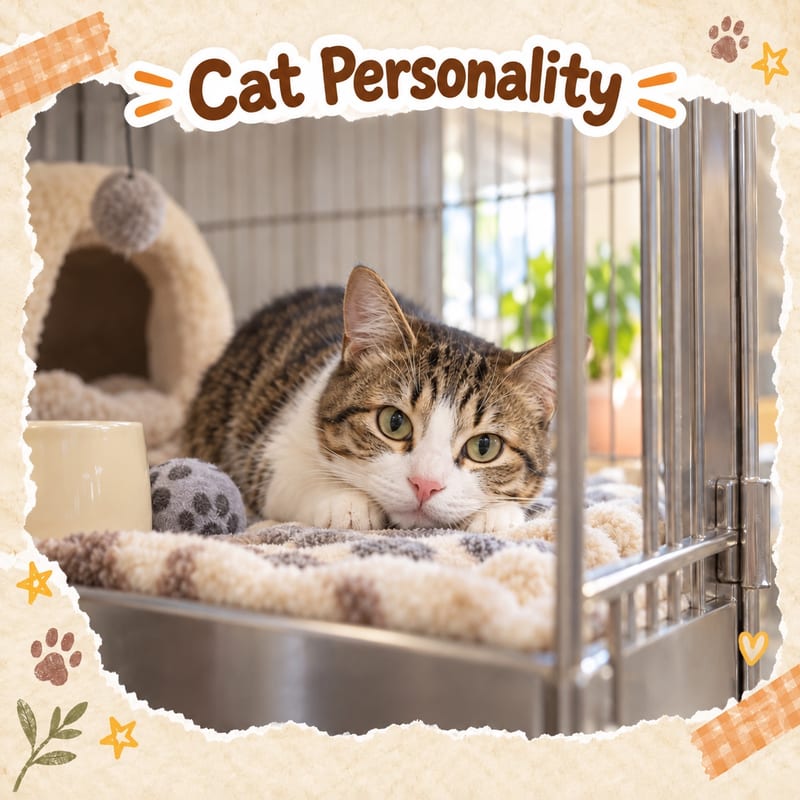
- Diverse: lively, quiet, clingy, independent — all exist. Ask the volunteers when adopting; organisations keep long-term observation records.
- Smart and independent: strong survival skills; many Hong Kong cats are very good at looking after themselves.
- Highly adaptable: most adjust quickly from street cat to house cat.
- Loyal to the family: a well-treated Hong Kong cat is as loyal to its owner as any purebred.
Not knowing the personality isn't a drawback: sit down with the cat at the adoption centre for half an hour. What you observe is the real personality — more accurate than any breed description.
Hong Kong cat vs purebred: why are they underrated?
| Item | Hong Kong cat | Purebred |
|---|---|---|
| Genetics | Diverse | Narrower |
| Inherited disease risk | Low | Some breeds carry specific risks |
| Adaptability | Strong | Varies by breed |
| Cost | Low adoption fee | Purchase from $8,000 |
| How to obtain | Adopt | Breeder / pet shop |
Purebreds offer predictable appearance and personality — that's their value; but the price is the risk of inherited diseases from inbreeding (e.g. PKD in Persians, HCM in Ragdolls). Hong Kong cats are the opposite: surprises in looks and personality, but the most solid health foundation.
Care essentials: coat, exercise, diet
Coat: mostly short-haired, brushing 1–2 times a week is enough; long-haired Hong Kong cats need more frequent grooming.
Exercise: Hong Kong cats have medium-to-high activity levels; a daily session with a wand toy plus a cat tree is enough. Individuals from the street may need more time to adjust to indoor life — give them a quiet corner for the first few days.
Diet: no special requirements — high-protein balanced cat food, portions by weight, avoid free-feeding to prevent obesity. Transition foods gradually; cats from the street may have sensitive stomachs in the first week, so watch for soft stools.
Inherited diseases and medical care: when to see a vet
Hong Kong cats have few inherited diseases, but that doesn't mean no check-ups. What mixed breeds need to watch for are acquired problems:
- Cats that have been strays: FIV, FeLV, ear mites, skin fungus — ask for test records at adoption
- Common indoor cat issues: obesity, lower urinary tract problems, tartar
When to see a vet:
- Poor appetite, lethargy for more than two days
- Frequent urination but little urine, or blood in urine
- Persistent vomiting, soft stools for more than a day
- Noticeable weight loss
- Fur loss, worsening itching
Arrange a full check-up and vaccinations in the first month after adoption, then once a year — the best-value medical investment.
Adoption routes and environment tips in Hong Kong
Where to adopt:
- SPCA Hong Kong — always has many cats waiting for adoption, with health checks
- Cat volunteers / adoption groups — Facebook groups, online platforms; many cats are already neutered and vaccinated
- Stray cat rescue organisations — different organisations have their own adoption programmes
Before adopting:
- Window screens (essential in high-rise homes to prevent falls)
- Basic supplies: litter box, food and water bowls, cat food, cat bed
- Whole family agrees, including checking for allergies
- Set aside initial medical costs (vaccinations, neutering if not done)
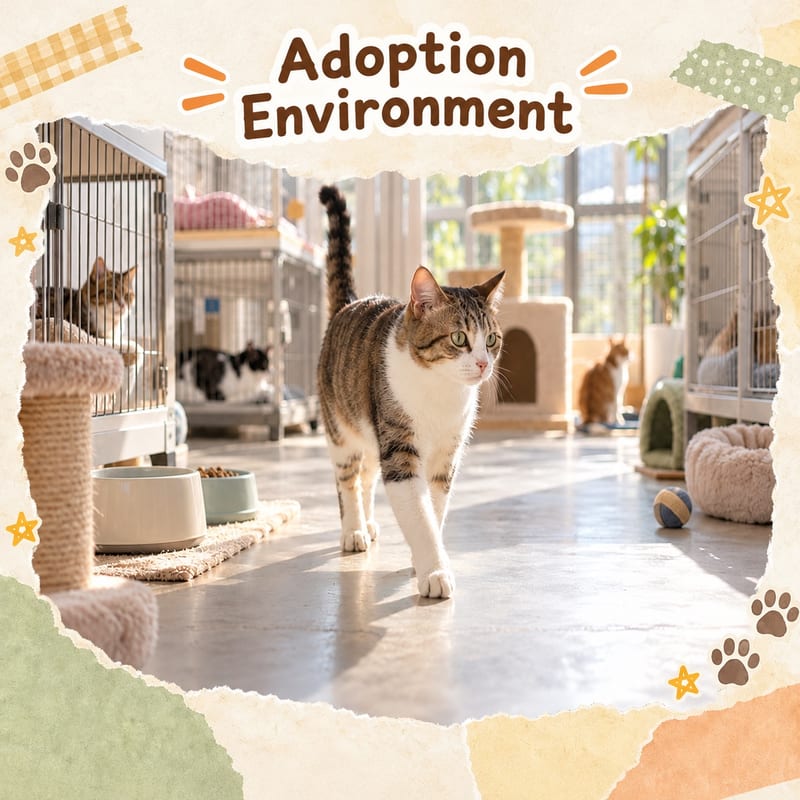
Living environment: Hong Kong cats adapt extremely well to small Hong Kong flats — they are naturally content with what they have. In hot, humid summers, watch water intake and skin; tabbies and solid-colour short-haired cats especially like to sleep on cool tiled floors — just leave them a shady corner.
What you can do today
- Check the SPCA website or adoption groups to see which cats are available now.
- Talk it through with your family: can you keep a cat, and who will be responsible.
- Measure your window frames and buy window screens or safety nets.
Set aside a budget for post-adoption costs: vaccinations, neutering, first batch of cat food.
Not sure where to buy cat food and litter after adoption? PetChill has cat food reviews and supply guides to make it easier.
This article is for reference only; consult a registered veterinarian for any concerns.
Further reading
Practical checklist for keeping a Hong Kong cat in a 300 sq ft flat
1. Space setup: enough to play even in a small flat
Hong Kong cats have medium activity levels; one cat tree plus a windowsill is enough. Clear the tops of bookshelves and wardrobes, add a non-slip mat, and they become a vertical playground. At night they like to sleep up high with a view — remember to leave a "cat route" for them to jump up.
2. Window screen measurements
Hong Kong's most common aluminium windows are 60–80 cm wide; a retractable window screen from Taobao (about $80–120) is enough. When measuring, remember to account for the window handle to avoid gaps. If you live in a village house or have a balcony, use nylon netting plus Velcro — a two-hour DIY job.
3. Summer cooling tips
Most Hong Kong cats are short-haired, but they can still pant in the hot, humid summer. Place a marble tile or aluminium cooling mat in a shady corner and they will naturally go and lie on it. Change drinking water twice a day and add a few ice cubes to reduce urinary problems.
4. Noise management
Hong Kong cats from the street may meow at night for the first couple of nights due to the unfamiliar environment. Prepare a covered cardboard box by the bed lined with an old T-shirt — a small space reduces anxiety. If you live in a tenement building, say hello to the neighbours downstairs and mention "new cat arriving" to reduce complaints.
5. Initial cost estimate
- Adoption fee: $200–500 (includes neutering and vaccinations)
- Window screens: $100–300
- Basic supplies: litter box $60, cat litter $40, food $150 (2 kg), wand toy $30
- First-month check-up: $400–600 Total around $1,000 or less; afterwards monthly food and litter costs about $200–300 — a big saving compared with a purebred.
📌 Key takeaways
- ✅ Hong Kong cats are genetically diverse; inherited disease risk is far lower than purebreds
- ✅ Spend half an hour with the cat before adopting — the best way to judge personality
- ✅ Window screens are a must in high-rise homes to prevent falls
- ❌ Don't underestimate their health and loyalty just because they have "no pedigree papers"
- ❌ Skipping the first-month check-up after adoption may mean missing hidden illnesses



