
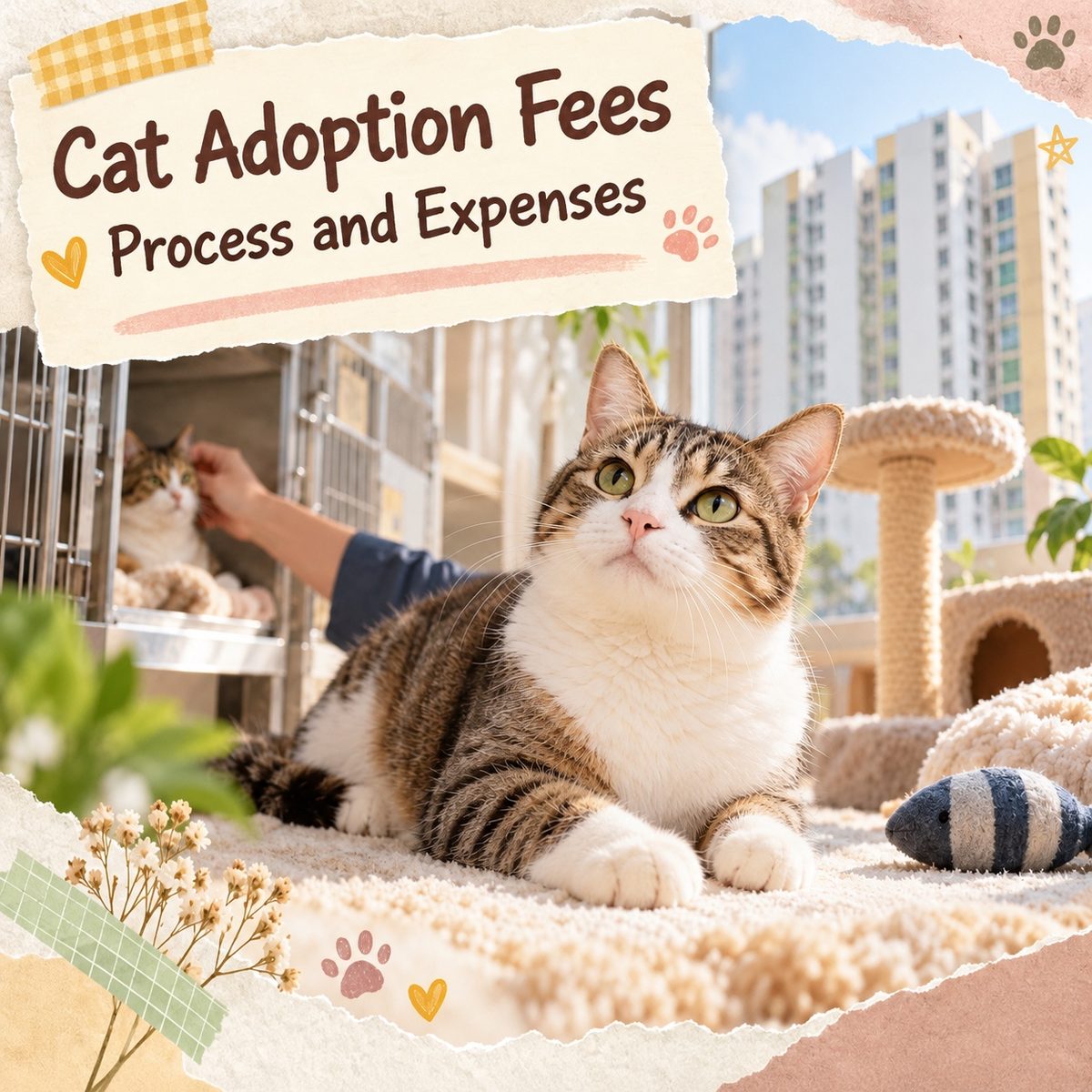
Quick answer: Domestic cats are the most affordable cats in Hong Kong: AFCD adoption fees range from free to a few hundred dollars, SPCA about HK$1,000–$2,500 (usually including neutering, vaccinations, and microchipping), and HKSPCA and volunteer groups have similar procedures. The adoption process usually takes one to four weeks and involves visiting the cat and approval. Public housing tenants should note the tenancy agreement clause 'no animals without consent' and the points system; in practice, the bottom line is no nuisance, and it's advisable to check with the estate office first. Monthly basic expenses are about HK$750–$1,460—save the money you'd spend buying a cat and put it all into your new companion.
Want to know more about domestic cats? Start with the Domestic Cat Breed Profile and the Complete Guide to Domestic Cats.
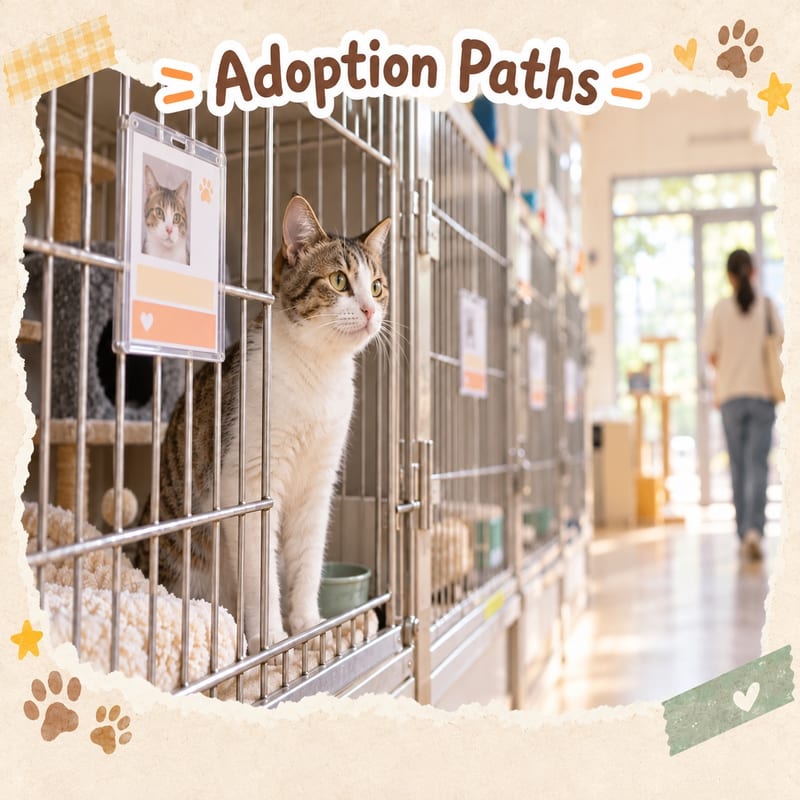
1. Four adoption routes: fees and procedures compared
| Route | Adoption fee (typical) | Usually included | Procedure features |
|---|---|---|---|
| AFCD shelters | Free to a few hundred dollars | Neutering/vaccinations depending on scheme | Government channel, visits by appointment, mostly local cats |
| SPCA | About HK$1,000–$2,500 | Neutering, vaccinations, microchip, health check | Comprehensive medical and behavioural assessment, trial adoption available |
| HKSPCA | About HK$800–$2,000 | Neutering, vaccinations mainly | Smaller capacity, cats from street rescues |
| Volunteer rescue groups | About HK$500–$1,500 | Neutering, vaccinations, FIV/FeLV testing | Strictest screening (interview/home visit), closest personality matching |
Each channel has its own logic: government and large organisations offer transparent procedures and a solid medical baseline; volunteer groups have the longest records of each cat's personality (many have been followed since their street days), giving high matching but more screening steps—being 'interviewed' by volunteers isn't rude; it's their responsibility to the cats. Note: the adoption fee is not a 'purchase price' but a share of medical costs, and all channels have refund arrangements (if neutering cannot be done within the same period).
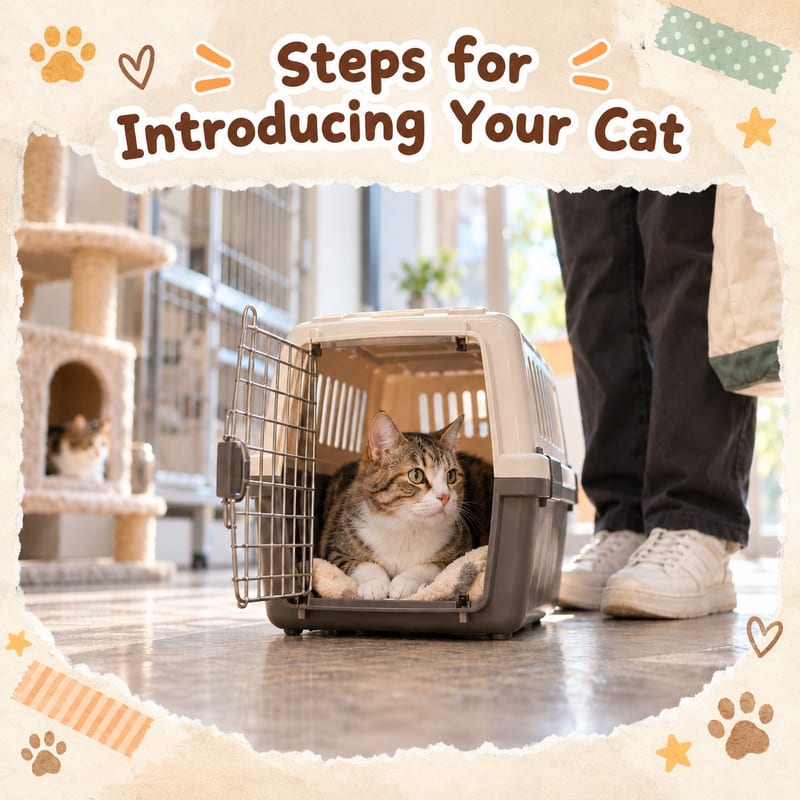
2. Seven steps of the adoption process: from meeting the cat to bringing it home
- Do your homework: Check the adoption lists of various organisations (the SPCA website updates daily); find a cat you like and then book a visit.
- Meet the cat in person: Don't 'order' based on online photos—sit with the cat for half an hour and observe its reaction to you; the volunteers will share their long-term observations.
- Fill in the application form: Housing type (owner/tenant/public housing), number of residents, other pets, whether windows have screens.
- Approval/home visit: Large organisations mainly use written assessments; volunteer groups may visit or conduct video checks of window screening.
- Sign the adoption agreement: Neutering responsibility, no resale, and return clauses are the three core terms.
- Pay and collect the cat: Get the vaccination record, transfer the microchip registration, and obtain medical records.
- Two-week adjustment follow-up: Organisations usually follow up proactively; during this period, don't bathe the cat or change its food.
3. Public housing notes: tenancy, points system, and pragmatic approach
Read this section carefully. Public housing tenancy agreements stipulate that tenants may not keep animals without the consent of the landlord (Housing Authority); under the estate management points system, 'keeping animals without consent' is a misconduct that can incur points, and accumulating 16 points within two years can lead to termination of the tenancy. The enforcement reality is: in recent years, policy focus has been on dogs (keeping dogs without an 'exemption certificate' is the main target of prosecution), and the Housing Department's written replies also explicitly mention that current policy allows the keeping of smaller pets such as cats and hamsters without targeting them; in practice, nuisance complaints are the trigger. So the three pragmatic rules for keeping a domestic cat in public housing: 1. The cat must never appear in public areas such as corridors or platforms (feeding or letting it out are sources of complaints); 2. Maintain hygiene inside the flat and manage odours and cat litter; 3. If the estate office enquires, cooperate and explain honestly. If you're worried about disputes, you can call your estate office to understand the current arrangements before deciding—private housing residents should check whether the building's deed of mutual covenant has a no-pet clause. This protects you and, more importantly, the cat: in violation cases, the ultimate sacrifice is often the cat forced to move.
4. Pre-adoption checklist: you're also assessing the organisation
Adoption is not a one-way favour; quite the opposite—you should also assess the organisation. The minimum standards for a legitimate channel: the cat is already neutered or has a clear neutering plan, has vaccination records, is willing to disclose health history (including FIV/FeLV results), has a written agreement, and accepts returns. Red flags to watch for: cats offered for adoption underage (under eight weeks), refusal to provide medical records, 'free adoption but you must buy its food for life' bundles, and breeding/selling under the guise of adoption. Also, posts like 'street kitten needs a good home' are common in groups, but a rescued unneutered female cat may give birth eight weeks later—before adopting a kitten, confirm its sex and neutering status, or a year later you'll have a houseful.
If you're looking for a calico domestic cat, the Calico Cat Adoption and Price Guide explains how often different organisations have them available and how fees are calculated.
5. Monthly expense estimate: the real numbers for an adopted cat
| Item | Monthly estimate (HK$) | Notes |
|---|---|---|
| Main food (mixed wet and dry) | 450–900 | Domestic cats have no breed-specific diet; calculate by weight |
| Cat litter | 100–180 | Clumping litter for two litter trays |
| Routine deworming (amortised) | 50–80 | Needed year-round in Hong Kong's humid climate |
| Medical reserve (amortised) | 150–300 | Annual check-ups, senior monitoring |
| Consumables (toys, scratching post replacement) | 50–100 | Cats from the streets play hard |
| Total | About 800–1,560 | Median about HK$1,100 |
6. First-year cash flow: what else besides the adoption fee
One-off items for reference: neutering (if not included in the agreement, most adoption channels include it) HK$2,000–$4,000; completing vaccinations HK$500–$1,000; environmental setup (window screens, 2 litter trays, cat tree, bed, water fountain) HK$1,500–$3,000; initial health check with tests HK$600–$1,200. So the total investment in the adoption year is typically HK$5,000–$9,000—a fraction of the price of a pedigree cat from a cattery, but don't skimp on any medical or equipment item, because these determine where your domestic cat's lifespan data falls (see the Lifespan article).
7. Street cat culture and psychological preparation for adoption
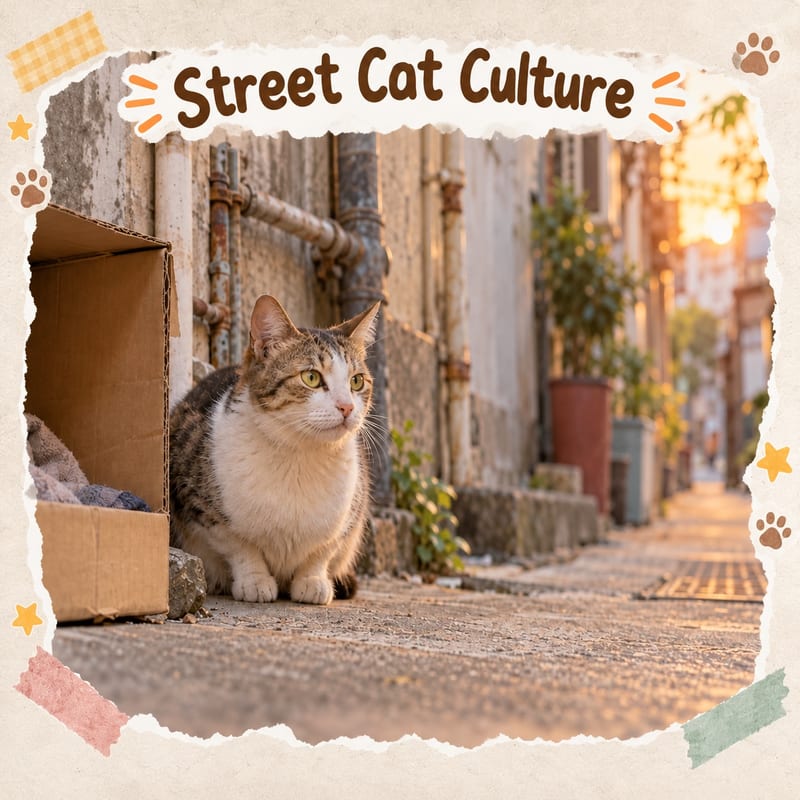
The street cat culture behind domestic cats is worth knowing: there are over 2,200 cat colonies in Hong Kong, and the SPCA has neutered over 86,000 street cats cumulatively (as of 2025)—many domestic cats' 'family histories' are written in these numbers. Adopting a former street cat requires psychological preparation: hiding under the table, not eating well, and crying at night during the first one to two weeks are all normal stress responses; if a cat from the 'Cat Colony Care Programme' fails to readjust to home life, some organisations accept returns—don't force it and don't blame yourself. On the other hand, a well-treated domestic cat is no less loyal than any purebred—these are the stories that volunteers at every adoption centre tell with tears.
Frequently asked questions
How much does it cost to adopt a domestic cat? AFCD from free to a few hundred dollars; SPCA about HK$1,000–$2,500 including neutering, vaccinations, and microchip; HKSPCA and volunteer groups similar.
Where to adopt? Four legitimate routes: AFCD, SPCA, HKSPCA, and registered volunteer groups—no need to compromise with unlicensed cat sellers.
Can I keep one in public housing? The tenancy agreement must be respected; in practice, the bottom line is no nuisance, keep the cat out of public areas, and check with the estate office first.
How long does it take? Generally one to four weeks: meet the cat, apply, approval (or home visit), sign the agreement, collect the cat, two-week follow-up.
What are the monthly expenses? About HK$750–$1,460, median just over a thousand dollars; don't omit the medical reserve.
Adopt or buy? For health, longevity, and affordability: adopt; for a specific breed's appearance and personality: a reputable cattery with screening. The worst choice: paperless cheap 'pedigree cats'.
Key takeaways
- ✅ Domestic cats are the only 'zero cat price' option: the adoption fee is a share of medical costs, not a purchase.
- ✅ Four legitimate channels: AFCD / SPCA / HKSPCA / volunteer groups, each with its own procedural logic.
- ✅ Three rules for public housing: keep the cat out of public areas, maintain hygiene, cooperate with enquiries—protect yourself and the cat.
- ✅ Assessment is mutual: legitimate organisations include neutering, records, and agreements; walk away from red flags.
- ✅ Budget HK$750–$1,460 per month; first-year total investment about HK$5,000–$9,000.
- ✅ Former street cats need a two-week adjustment period: hiding, not eating, and night crying are normal—don't force it.
- ✅ Turn the money saved by adopting into a medical fund—that's the full meaning of 'adopt don't shop'.
Related reading
- Domestic Cat Lifespan and Health Guide
- Domestic Cat Disadvantages and How to Cope
- Domestic Cat Personality Revealed
- Complete Guide to Domestic Cats
- Cat window screens, litter trays, clumping cat litter: find everything at PetChill pet supplies.
The fees in this article are general ranges for each organisation; actual fees are subject to official announcements. Public housing policy may be updated; please verify the latest regulations with your estate office before keeping a cat.
This article is compiled from breed consensus and clinical care guidelines; individual cats and dogs vary greatly. For health issues, please consult a registered veterinarian first.
 Fuji One full guide →





