
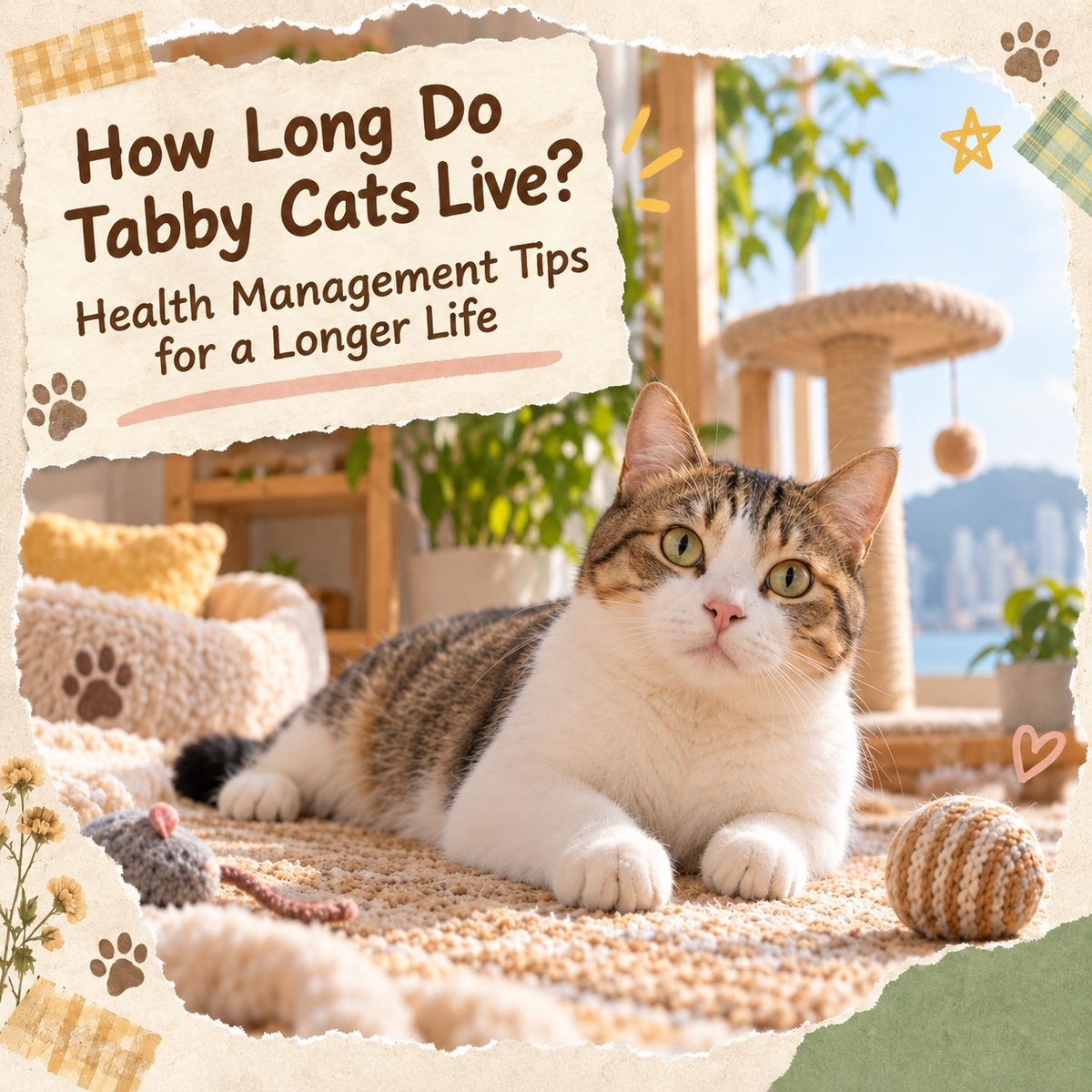
Quick answer: Indoor domestic cats typically live 15–20 years. Genetic diversity means they don't carry the inherited disease burden of most purebreds, making them the long-lived members of the cat world. But with the same genes, unneutered street cats average only about 2 years (SPCA data)—what determines a domestic cat's lifespan isn't pedigree; it's whether they're indoors, neutered, and screened. Stick to these three lines—indoor living + vaccination and neutering + annual blood and urine tests from age seven—and the domestic cat is the most cost-effective long-lived cat.
Want to know all about domestic cats? Start with the Domestic Cat Breed Profile and the Complete Guide to Domestic Cats.
1. Lifespan range: why domestic cats are long-lived
The baseline lifespan for cats is 12–15 years, and multiple veterinary insurance and breed studies show that mixed-breed domestic cats actually have a higher median lifespan than most purebreds. The reason is simple: the inbreeding structure of purebreds concentrates specific genetic diseases (HCM in Sphynx, osteoarthritis in Scottish Folds, polycystic kidney disease in Persians), while the domestic cat's gene pool has been naturally selected over generations of street cats—survival ability was the only "mate selection criterion." For Hong Kong people, this is good news: the orange tabby you adopt from AFCD or the SPCA likely has a genetic constitution better than a purebred costing ten times as much.
| Life stage | Age | Health management focus |
|---|---|---|
| Kitten / adjustment | 0–1 year | First check-up (FIV/FeLV, faecal parasites), full vaccination, neutering |
| Young adult | 1–7 years | Annual check-up, weight and teeth, indoor living rules |
| Middle-aged to senior | 8–11 years | Annual blood and urine tests, kidney value tracking |
| Senior | 12+ years | Full check-up every six months, senior diet, low-sided litter box |
2. The number one divide: indoors or not
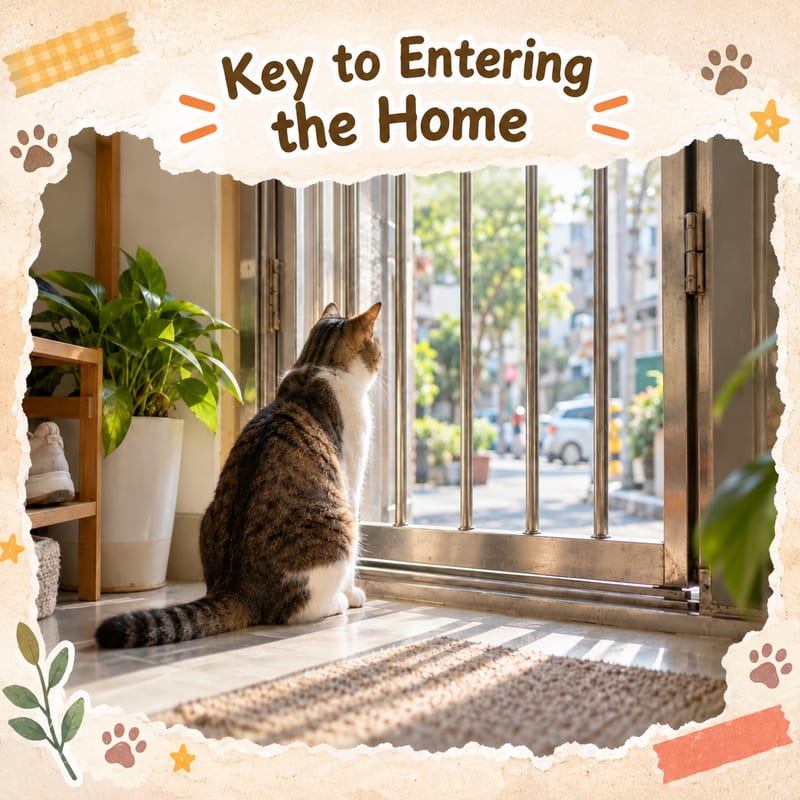
When discussing domestic cat lifespan, we must start with the most brutal data: SPCA data indicates that unneutered street cats surviving by scavenging have an average lifespan of only about 2 years; in contrast, cats neutered and returned under the "Cat Colony Care Programme" are noticeably healthier and longer-lived, and once indoors as house cats, they start at 15 years. This tenfold gap isn't genetics—it's environment: road accidents, fight infections (cat bite abscesses are the top cause of sepsis in street cats), poisoning, infectious disease exposure, nutritional gaps—each is a daily reality outdoors. So "the first thing to extend a domestic cat's life" isn't buying expensive food; it's keeping them fully indoors and window-proofing from the day of adoption. The domestic cat's ancestors were survival experts, but in the city, survival experts face roads and back alleys; indoors, their talents become useful.
3. Health baseline at adoption: don't skimp on four tests
Unlike purebreds, domestic cats don't come with parental screening records—their health history must be tested. At the first vet visit, do four things: 1. FIV/FeLV blood test—essential for cats with a street or stray background; don't panic if positive: indoor FIV cats can live a completely normal lifespan, just keep them alone and reduce fight exposure; FeLV-positive cats need regular blood monitoring. 2. Faecal test and deworming—roundworms, hookworms, coccidia, and Tritrichomonas are not uncommon in street-born cats; test quarterly in the first year after adoption. 3. Skin scraping—ringworm is common in cats from poor environments; test if there's flaky red patches, and check in-contact animals too. 4. Ear mite and oral examination—gum condition directly predicts senior dental risk. The four together cost about HK$600–$1,000—the most worthwhile money you'll spend on an adopted domestic cat.
4. The domestic cat disease profile: no breed burden, but three senior lines
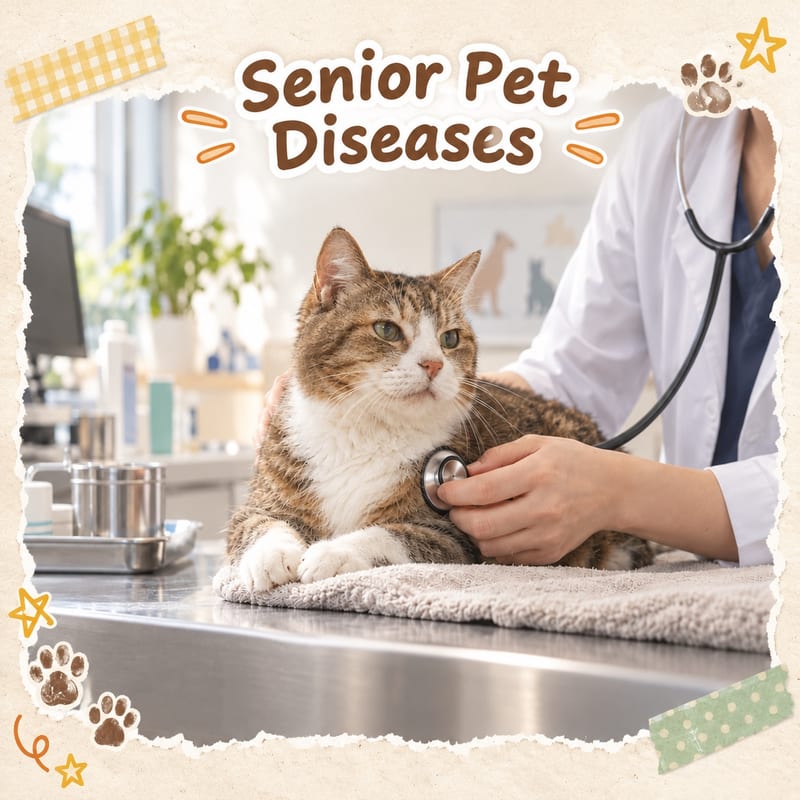
Because there's no specific breed disease, the domestic cat's health risks are the "three general senior lines": chronic kidney disease (CKD)—annual blood tests (creatinine, SDMA) and urine tests (specific gravity) after age seven; early detection can add years with dietary management; dental issues—chronic periodontal inflammation is linked to heart and kidney burden; annual oral check-ups plus home brushing; hyperthyroidism—cats over ten with a ravenous appetite but weight loss should have thyroid hormone tested. Two more are particularly relevant to domestic cat backgrounds: stress-related urinary tract issues in street-born cats (triggered by moving, territorial conflict—see Domestic Cat Disadvantages), and reproductive system diseases in unneutered individuals—pyometra is an emergency in female cats, and neutering is the vaccine.
5. Lifespan extension checklist: do each item
- Fully indoors + window-proofing: don't let them out because "they were a street cat"—that's the most mistaken romance
- Neutering: reduces reproductive diseases, fighting, and roaming—the first lesson from street cat lifespan data
- Vaccinations on time: core vaccines for feline panleukopenia and cat flu plus boosters; discuss FIV based on risk with your vet
- Weight management: timed feeding, body condition score "feel ribs but don't see them"; overweight directly shortens lifespan
- Adequate water intake: wet food as the main diet, multiple water stations, protect kidneys and urinary tract
- Annual blood and urine tests from age seven: early detection of kidney values is the most important page for senior cats
- Dental care from a young age: weekly brushing or dental products to reduce chronic periodontal inflammation
- Regular medical savings: HK$150–$300 per month; redirect the money saved from adoption into this fund
6. Hong Kong environment: special notes
For public housing: tenancy agreements in principle do not allow pets without the landlord's consent; current enforcement is more lenient towards cats, but residents must still maintain hygiene in the unit and public areas and avoid disturbing neighbours. It's advisable to check the latest arrangements with your estate office; for private buildings, check the deed of mutual covenant. Climate-wise, Hong Kong is hot and humid, with ticks, fleas, and mites active year-round; regular deworming applies indoors and outdoors (people can bring fleas home from the street); before the summer typhoon season, check window grilles and screens—lost cat cases often occur on stormy nights, and steel mesh screens are standard for domestic cat households. For medical support, general clinics in Hong Kong can fully handle the testing and screening domestic cats need; no specialist required.
7. Care adjustments for senior domestic cats
After twelve: blood and urine tests every six months; switch to an easily digestible senior diet with controlled phosphorus; low-sided litter box; maintain moderate play to prevent muscle loss. Two things to watch in senior cats with a street background: first, they are better at hiding illness—wild instincts make them endure pain to the end; any change in appetite, water intake, or toileting habits is an early warning sign; second, past nutritional gaps may cause kidney and joint wear to surface earlier, so monitoring should start at seven, not twelve. If behaviour suddenly changes—reluctance to move, weight loss, abnormal vocalisation—don't blame "old age"; see a vet within 48 hours.
Key takeaways
- ✅ Domestic cat lifespan of 15–20 years is above average for cats—genetic diversity is free genetic disease insurance
- ✅ The number one variable is whether they're indoors: street cats about 2 years vs house cats starting at 15
- ✅ Don't skimp on four baseline tests after adoption: FIV/FeLV, faecal, skin, oral
- ✅ Window-proofing + indoors + neutering—these three things extend life more than any premium cat food
- ✅ Annual blood and urine tests from age seven: kidney values are the most valuable page for senior cats
- ✅ Street-born cats hide pain better; behaviour changes are warning signs—don't blame old age
- ✅ Redirect adoption savings into a medical fund; HK$150–$300 per month is enough
Related reading
- Domestic Cat Adoption and Costs Guide
- Domestic Cat Disadvantages and How to Cope
- Domestic Cat Personality Revealed
- Complete Guide to Domestic Cats
- Wet food, flowing water fountains, steel mesh window screens: find everything at PetChill pet supplies.
The medical content in this article is general information for reference only; health assessment of adopted cats should be based on an in-person diagnosis by a registered veterinarian. Early screening is better than everything.



