Himalayan
📺 32-second video · Cantonese narration
The Himalayan story, in one take
From its origins to Hong Kong homes — how did the Himalayan become one of Hong Kong's most popular cat breeds?
- ✓Origin story: starting in its homeland
- ✓Personality: Gentle and affectionate
PetChill Pet Encyclopedia
Himalayan everyday food & supplies
Chosen by species (cat) from products PetChill stocks — not a breed-specific formula. Actual suitability depends on age, weight and health.
 Special offer
Nutriplan Cat Food Complete Health Nutritional Formula 5kg (64352)
HK$123HK$128About HK$24.6 per kg
Price checked 2026-10-21; the store page shows the live price, stock and offers.

Bella & Molly's Dutch Berry Royal Selected Cat Food AAFCO Anti-Aging Grain-Free Single Protein Salmon Formula 50g (Limited Time Experience)
HK$10About HK$200 per kg
Price checked 2026-10-21; the store page shows the live price, stock and offers.

Hills Cat Food Life Stage Series Adult Formula Chicken 490g (609885)
HK$55About HK$112.24 per kg
Price checked 2026-10-21; the store page shows the live price, stock and offers.
History & origin
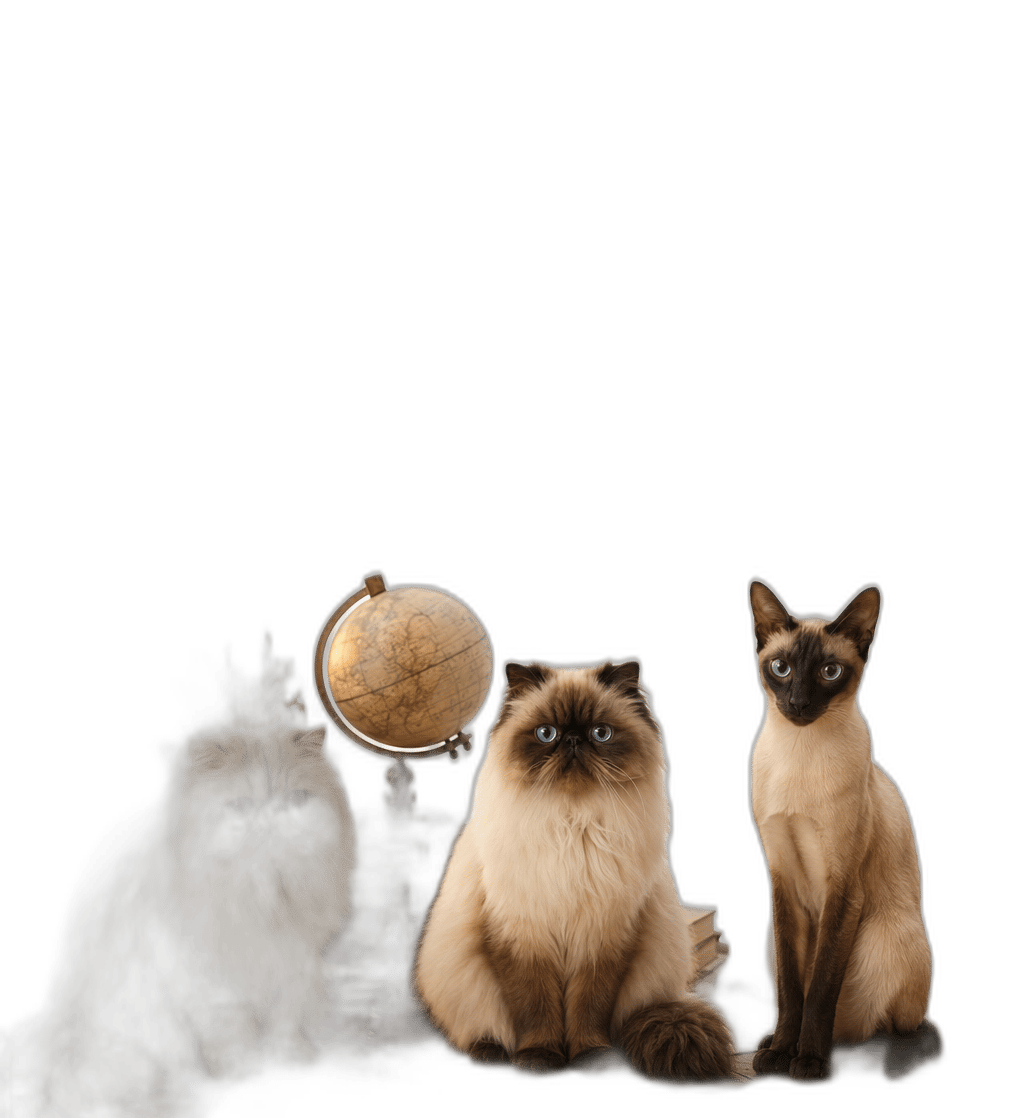
The Himalayan is a breed created by crossing the Persian with the Siamese, combining the Persian's long coat with the Siamese's pointed colouring. In the 1930s researchers at Harvard University in the United States began trying to cross Persians with Siamese, aiming to create a new breed with "the Persian's looks and the Siamese's coat colour".
After more than a decade of careful breeding, the Himalayan received official CFA recognition in 1957. Its name comes from the Himalayan rabbit, because both have similar pointed colouring.
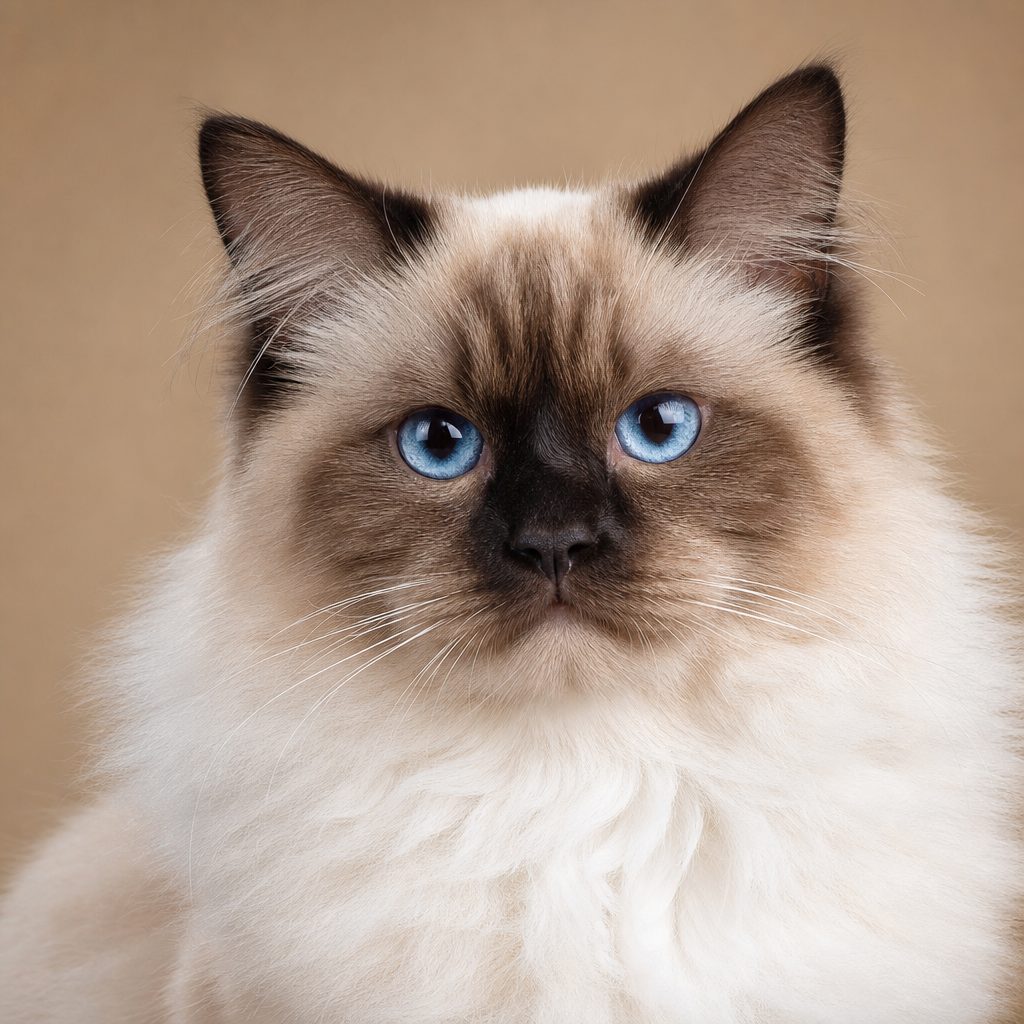
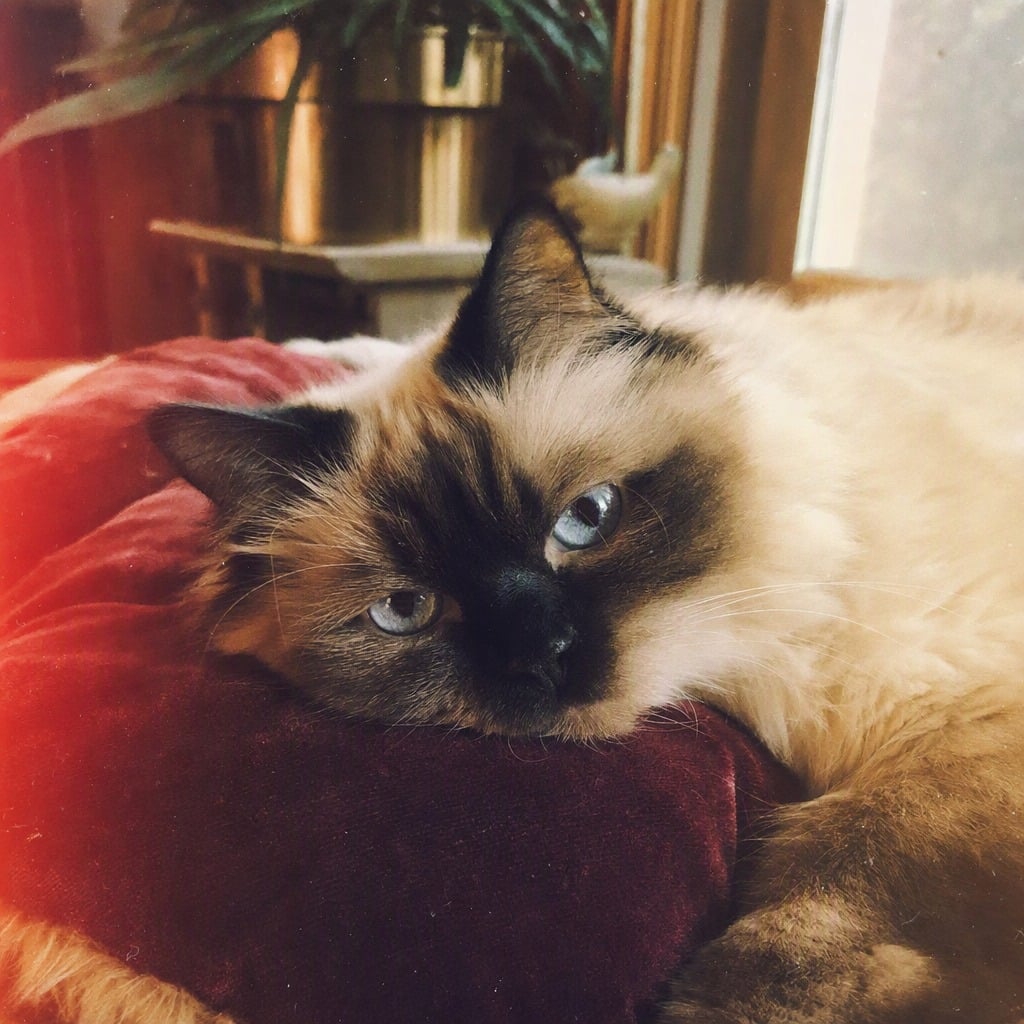
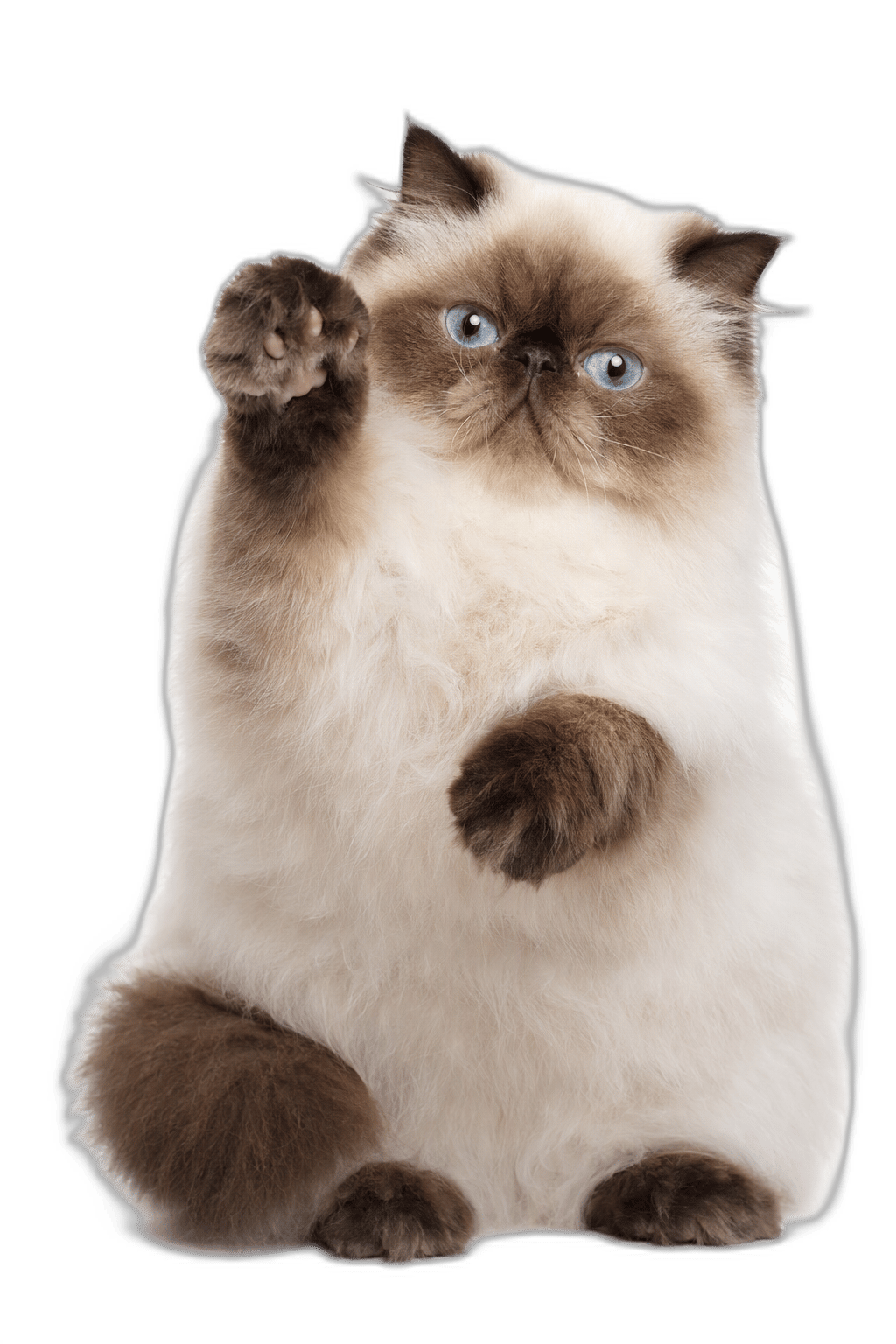
The Himalayan has the Persian's round face, flat face and dense long coat, but the coat colour is Siamese-style pointed colouring: a pale body with darker ears, face, legs and tail, paired with large sapphire-blue eyes. In temperament the Himalayan is a little livelier than the Persian (because of the Siamese blood), but overall it is still gentle, calm and affectionate. It likes a quiet environment and suits calm households. Note that the Himalayan's dense long coat needs daily combing, and the flat face also needs regular cleaning around the eyes.
Frequently asked questions
The questions people ask most about the Himalayan
The Himalayan is a breed created by crossing the Persian with the Siamese, with the Persian's looks and the Siamese's pointed colouring, and can be regarded as a branch of the Persian.
The name comes from the Himalayan rabbit, because both have similar pointed colouring; it has no direct connection with the Himalayas.
Yes. The Himalayan has the Persian's dense long coat, and daily combing prevents matting and reduces hairballs, and matters even more in shedding season.
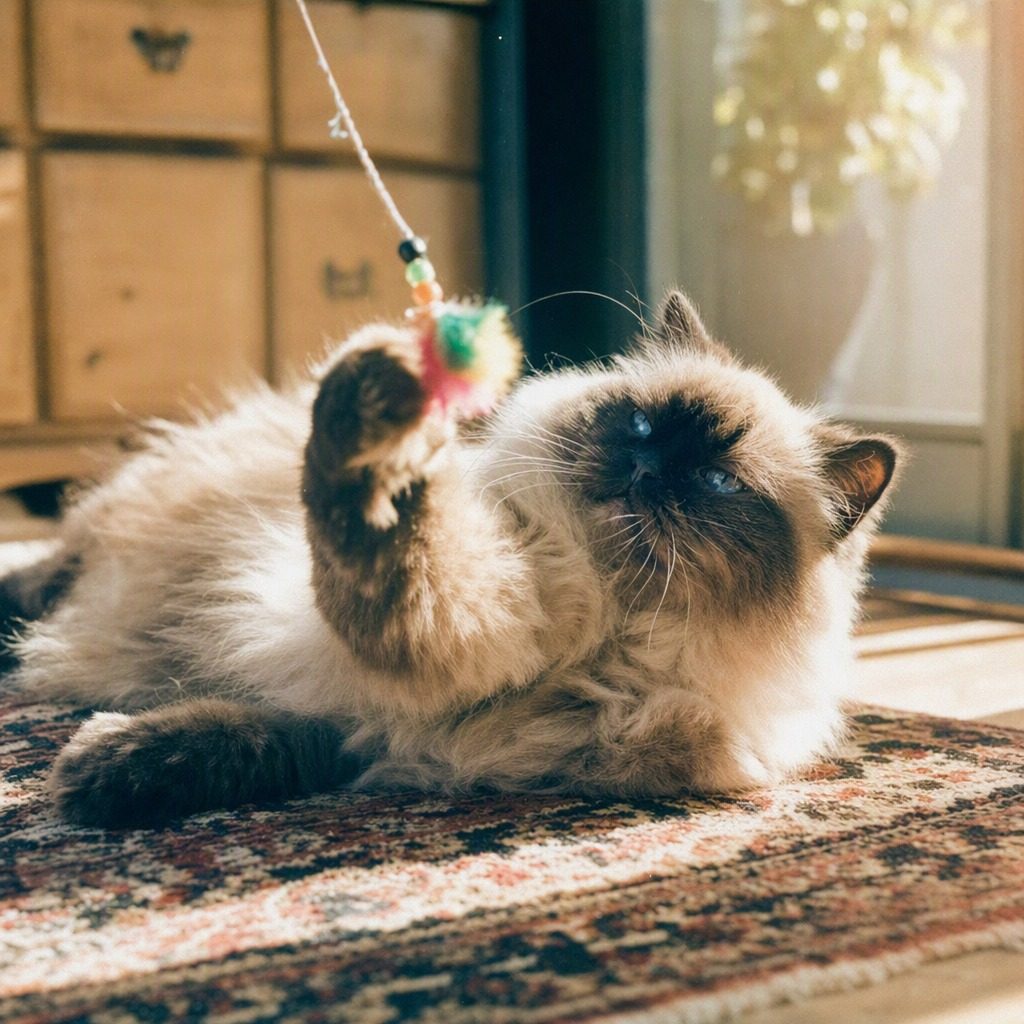
Gentle, calm and affectionate, a little livelier than the Persian (because of the Siamese blood), fond of a quiet environment, and well suited to calm households.
Yes. The Himalayan inherits the Persian's flat face and easily develops tear stains, so the eyes and facial folds need regular cleaning.
Himalayan articles
5 articles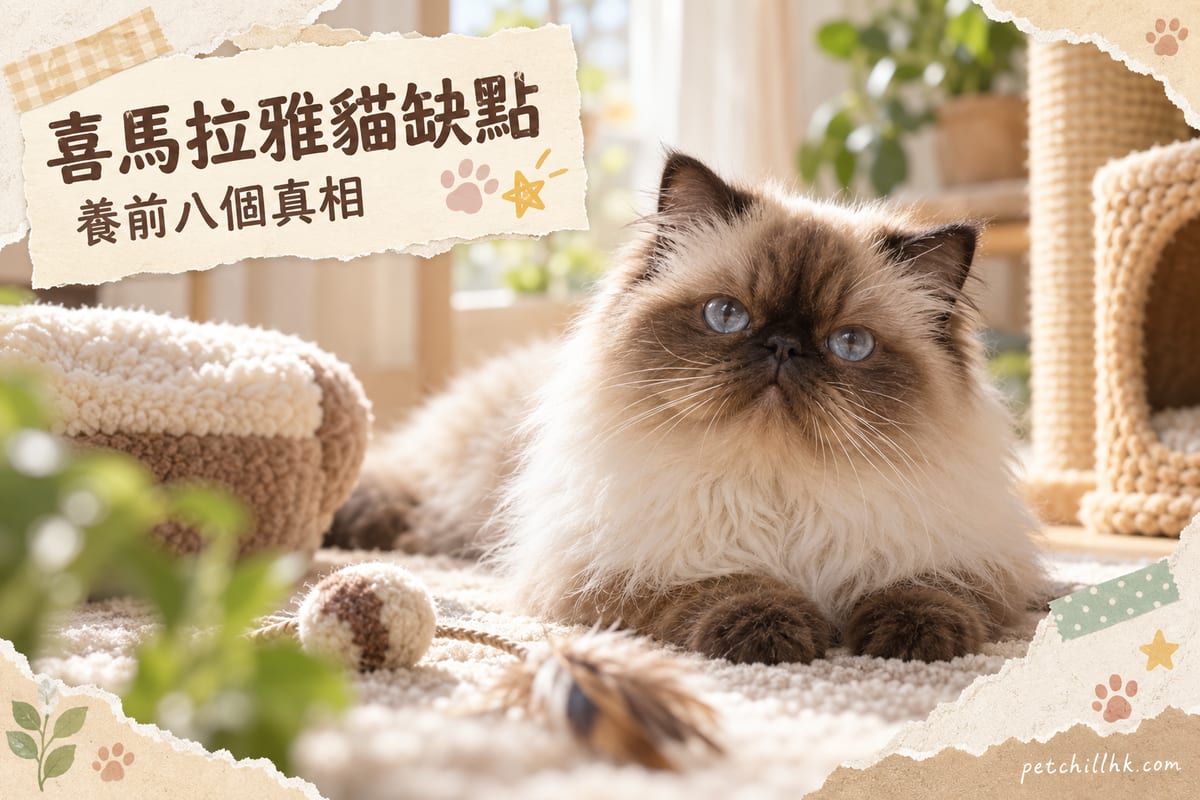
Himalayan Cat Disadvantages: 8 Truths to Know Before Owning One in Hong Kong
The Himalayan cat is stunningly beautiful, but its downsides are very real: daily grooming and tear-stain cleaning, a flat face that struggles with heat, PKD genetic risk, easy weight gain, and higher medical costs. This article breaks down 8 major disadvantages and how to handle each, with a disadvantage × solution × cost comparison table to help you make a clear decision between 'I really want one' and 'can I actually manage it'.
Read the full article →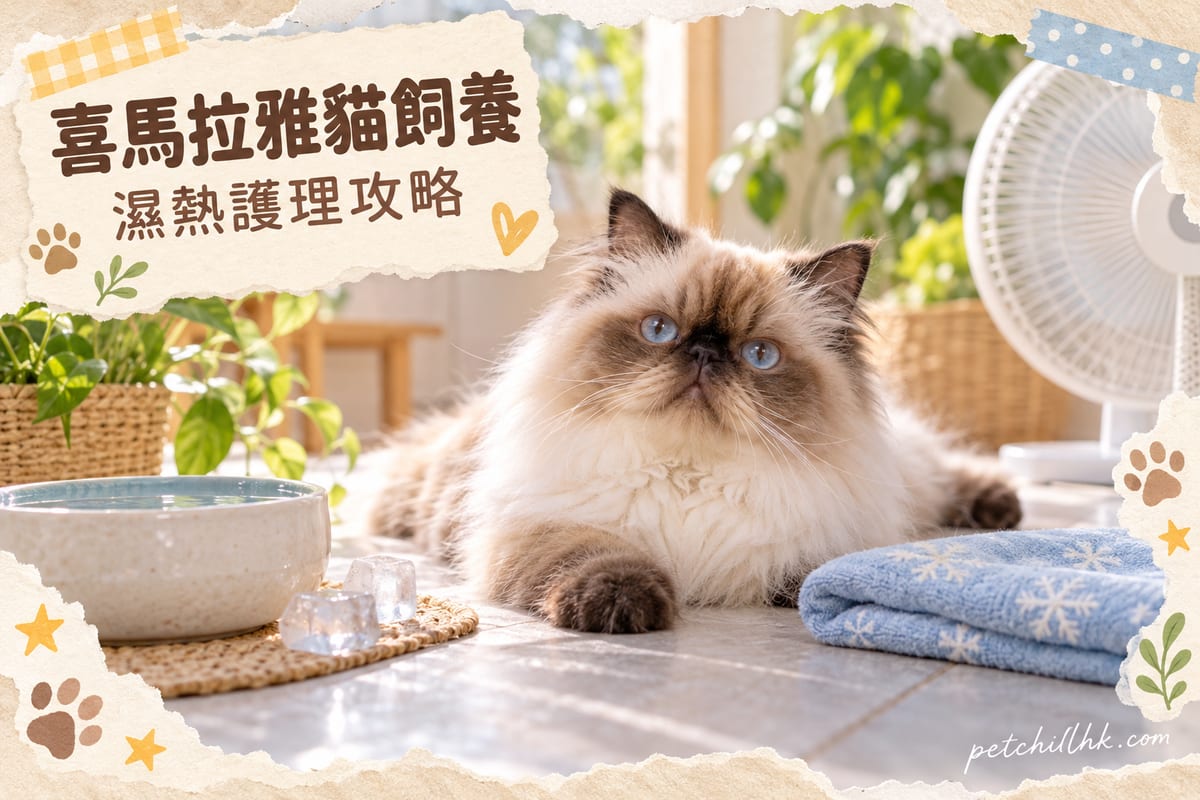
Himalayan Cat Hong Kong Care in Practice: What to Do About the Hot and Humid, Heat-Sensitive Problem|The Complete Longhair Flat-Face Guide
The Himalayan has the Persian's long coat and flat face plus the Siamese's point colouring. Keeping one in Hong Kong means sorting out three things: heat and humidity dissipation, daily brushing and tear-stain cleaning, and tenancy and deed of mutual covenant restrictions. This article breaks down Hong Kong climate adaptation solutions, a daily care routine table, seasonal management priorities, and the supporting costs to think through before getting the breed you have your heart set on. Essential reading for anyone keeping a flat-faced longhair cat.
Read the full article →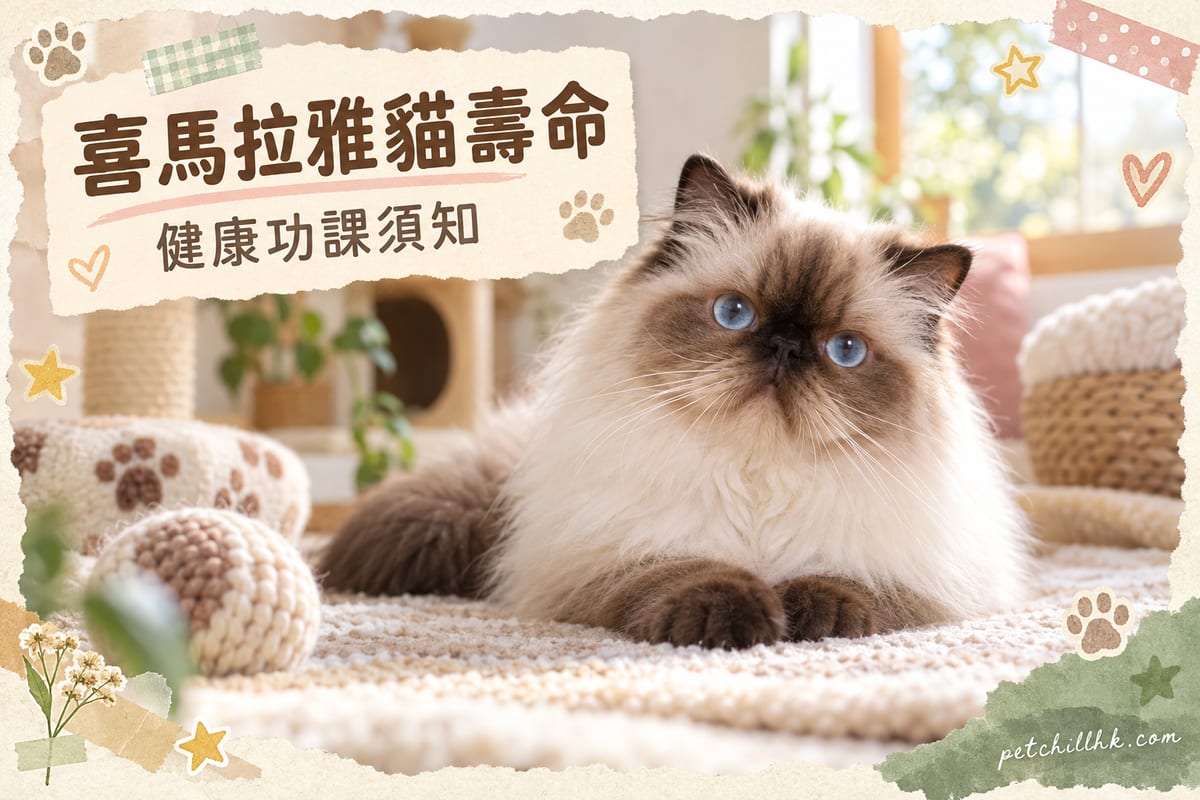
How Long Do Himalayan Cats Live? A Must-Read 12–15 Year Health Guide for Hong Kong Owners | PetChill Cat Encyclopedia
Himalayan cats live an average of 12–15 years, but their flat face and Persian lineage bring PKD (polycystic kidney disease), respiratory and eye issues that can cut some cats' lives short. This article breaks down the lifespan range, five key influencing factors, age-specific health risks, a life-extension checklist and Hong Kong-specific care notes, plus a genetic screening timetable to help you share more years with this blue-eyed longhair.
Read the full article →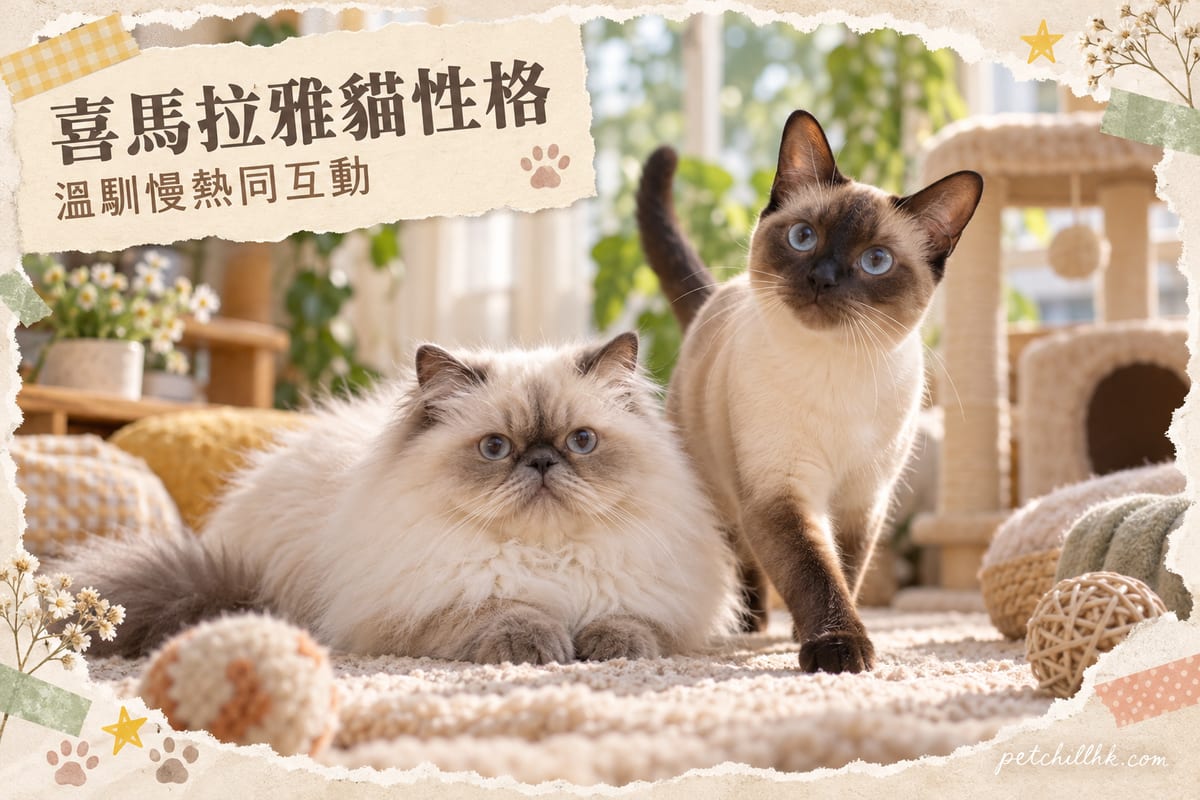
Himalayan Cat Personality: Persian Calm Meets Siamese Spark — Which Suits Hong Kong? | PetChill
The Himalayan cat personality is a 'tuned Persian': Siamese heritage makes it a little livelier and more affectionate than a Persian, but at heart it remains a quiet, elegant indoor aristocrat. This article breaks down five key personality traits, intelligence and interaction, compatibility with children and other pets, tolerance for being alone, male-female differences, and includes a care-implications table to help you decide if this blue-eyed longhair fits your pace of life.
Read the full article →
Himalayan Cat Price and Adoption in Hong Kong: 2026 Cattery Guide
Himalayan cats in Hong Kong: pet-grade from a cattery HK$12,000–18,000; with full screening and show-line pedigree HK$18,000–25,000+. Purebred adoption is rare, but SPCA and rescues occasionally have surrendered individuals. The core of verification is one piece of paper: parental PKD genetic screening records — without it, no matter how cheap or pretty, do not consider it. Monthly costs are about HK$1,000–1,600, placing this breed in the higher price bracket. Below we break down the price structure, the seven-step verification checklist and the practicalities of adoption.
Read the full article →You may also like
Other cat breeds like the Himalayan