Munchkin
📺 32-second video · Cantonese narration
The Munchkin story, in one take
From its origins to Hong Kong homes — how did the Munchkin become one of Hong Kong's most popular cat breeds?
- ✓Origin story: starting in its homeland
- ✓Personality: Gentle and affectionate
PetChill Pet Encyclopedia
Munchkin everyday food & supplies
Chosen by species (cat) from products PetChill stocks — not a breed-specific formula. Actual suitability depends on age, weight and health.
 Special offer
Nutriplan Cat Food Complete Health Nutritional Formula 5kg (64352)
HK$123HK$128About HK$24.6 per kg
Price checked 2026-10-21; the store page shows the live price, stock and offers.

Bella & Molly's Dutch Berry Royal Selected Cat Food AAFCO Anti-Aging Grain-Free Single Protein Salmon Formula 50g (Limited Time Experience)
HK$10About HK$200 per kg
Price checked 2026-10-21; the store page shows the live price, stock and offers.

Hills Cat Food Life Stage Series Adult Formula Chicken 490g (609885)
HK$55About HK$112.24 per kg
Price checked 2026-10-21; the store page shows the live price, stock and offers.
History & origin
The Munchkin is a breed that arose from a natural genetic mutation, its most distinctive feature being its short legs. In 1983, a music teacher in Louisiana, USA, named Sandra Hochenedel found a pregnant short-legged stray cat, Blackberry; half of the kittens she gave birth to were short-legged, and this was the origin of the Munchkin.
The name Munchkin comes from the little people of the Land of Oz in the fairy tale The Wizard of Oz. In 1995, The International Cat Association (TICA) officially recognised the Munchkin as a separate breed, though because the short legs come from a dominant genetic mutation, some animal welfare organisations still dispute the ethics of breeding the breed.
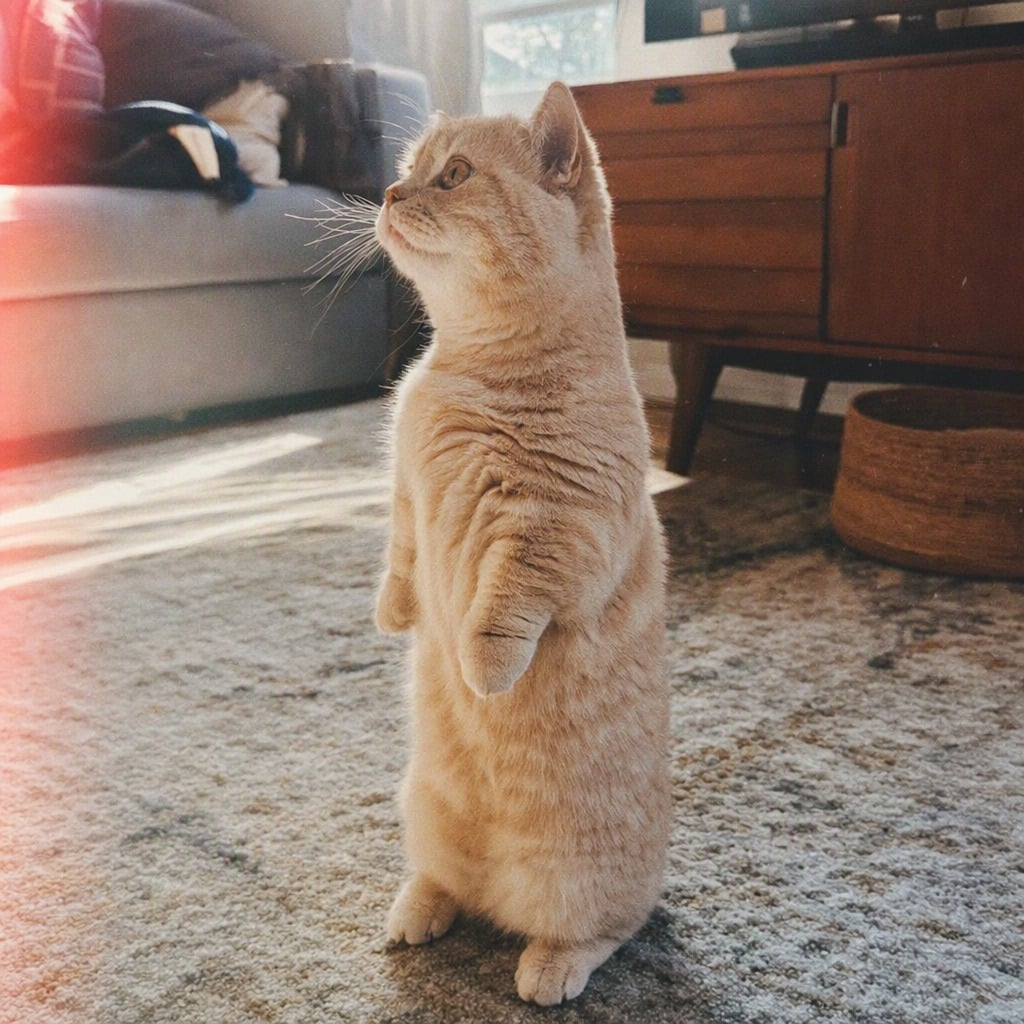
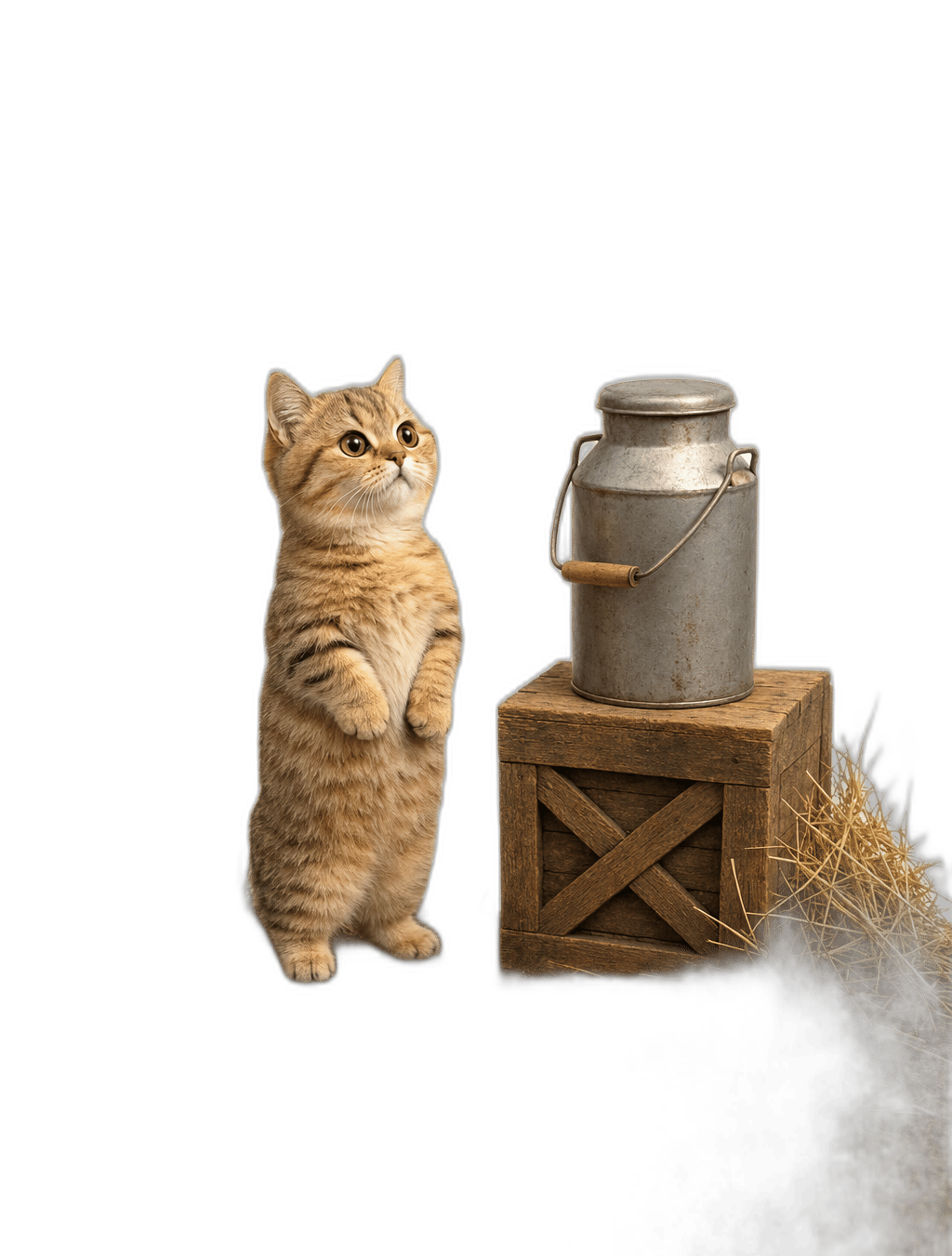
Despite the short legs, they in no way limit the Munchkin's mobility: they run fast, jump high (though not to the highest spots), and like to stand on their hind legs like a rabbit to look around. They are outgoing, highly curious and playful like a kitten for life, and are called the forever kitten. Today, crossing the Munchkin with other breeds has produced many new breeds, such as the Minuet (Munchkin with Persian) and the Lambkin (Munchkin with a curl-eared breed).
Frequently asked questions
The questions people ask most about the Munchkin
The Munchkin's short legs come from a natural genetic mutation (a dominant gene). The first short-legged cat, Blackberry, was found in the United States in 1983, and the breed was later developed from her.
Generally the Munchkin's short legs do not affect normal activity, but joint problems related to short legs need watching, so choose a reputable breeder when buying.
It can jump high, but not to the highest places. Munchkins run fast and are normally active, but because of the short legs their jumping height is slightly less than an average cat's, and a cat ladder can help.
Outgoing, curious and playful like a kitten for life; they like to stand on their hind legs to look around and are called the forever kitten.
Yes. Munchkins are small and moderately active, so a small flat gives them enough room, and their affectionate nature makes them an ideal indoor cat.
Munchkin articles
6 articles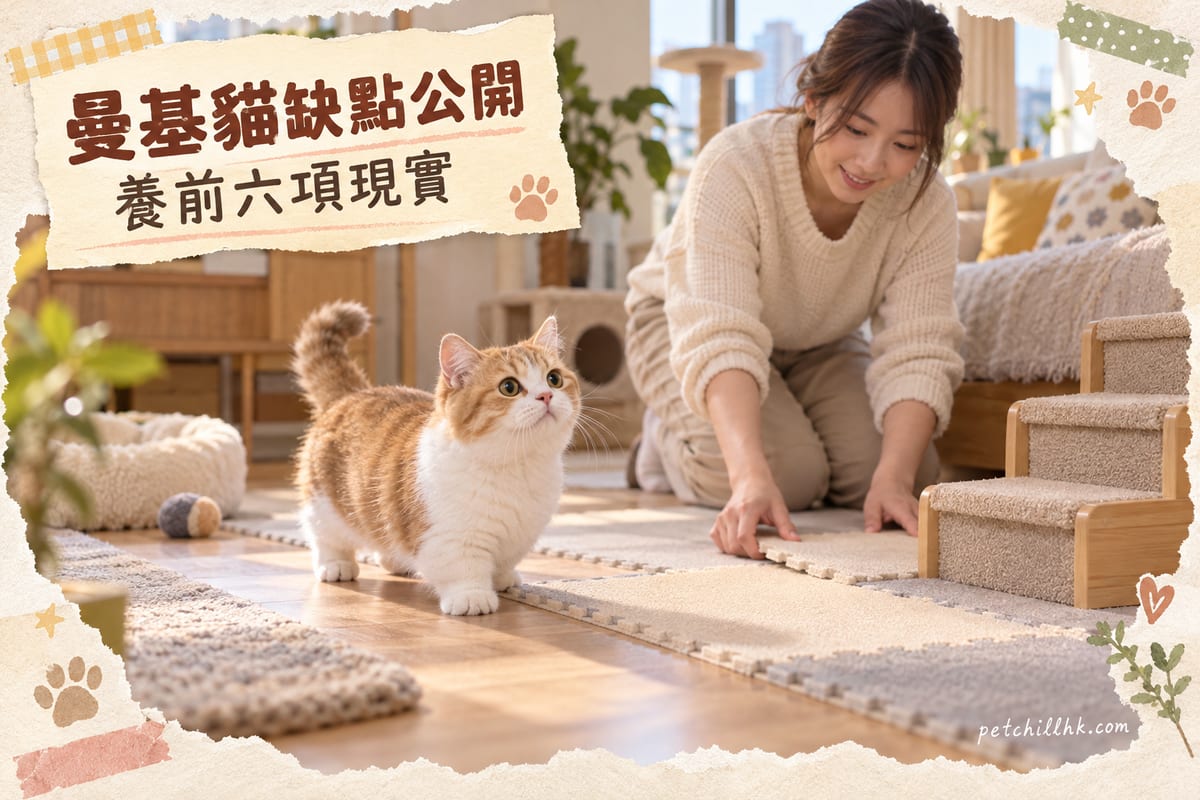
7 Disadvantages to Know Before Getting a Munchkin Cat | A Practical Guide to Keeping Short-Legged Cats in Hong Kong
Are Munchkin cats easy to keep? This article honestly breaks down seven common disadvantages of short-legged cats: joint and spine health risks, environmental changes needed due to weak jumping ability, easy weight gain, ethical controversy pressure, subtle abnormal walking that's hard to detect early, medical costs, and breed identification confusion. Each comes with specific coping methods and cost directions—not to discourage you, only to give solutions, helping you judge whether you're suited to keeping a Munchkin cat.
Read the full article →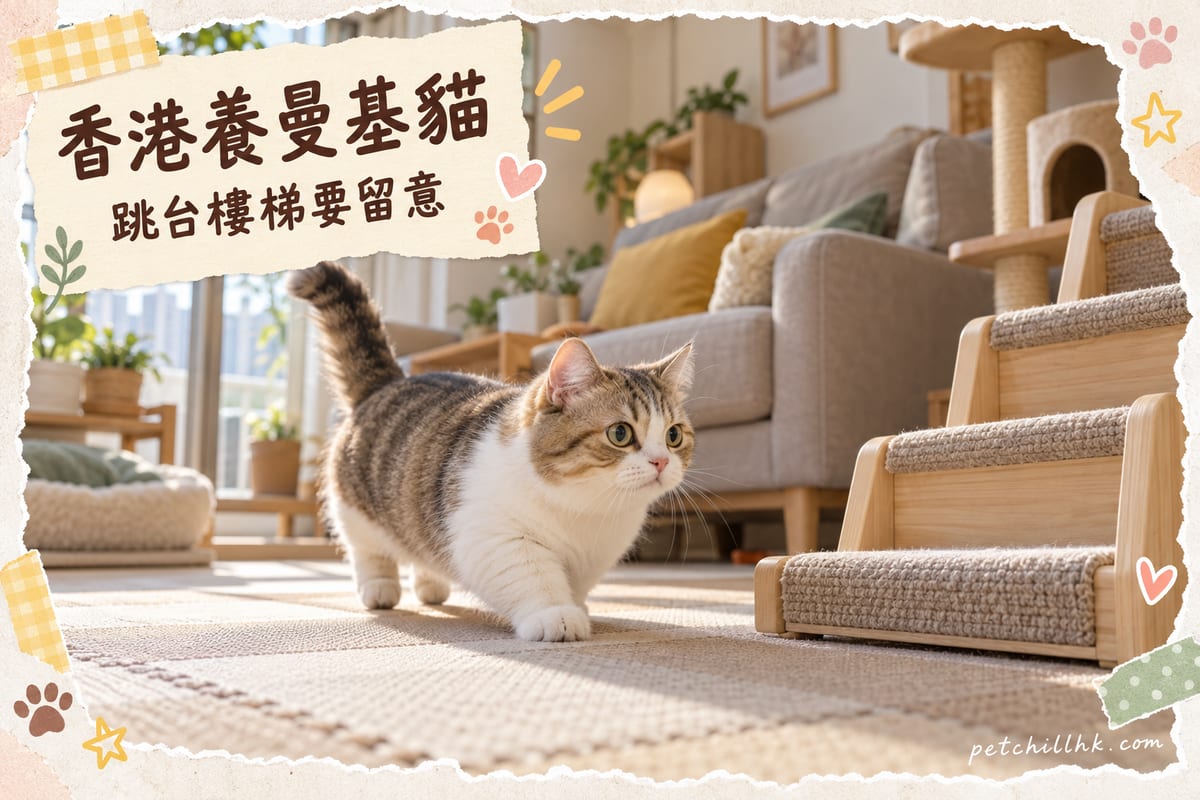
Munchkin Cat Care in Hong Kong: Daily Management in Small Flats, Heat and Humidity, and Short Legs
Are Munchkin cats suitable for Hong Kong? This article breaks down the key points of keeping a short-legged cat in the local environment: activity planning in small flats, anti-slip measures for polished tiles, public housing and building deed of mutual covenant policies, damp-proofing and heat relief in the hot and humid summer, furniture height and step configuration, and local arrangements for orthopaedic check-ups, with a project-by-suggestion comparison table to help you keep your short-legged cat healthy and comfortable in Hong Kong.
Read the full article →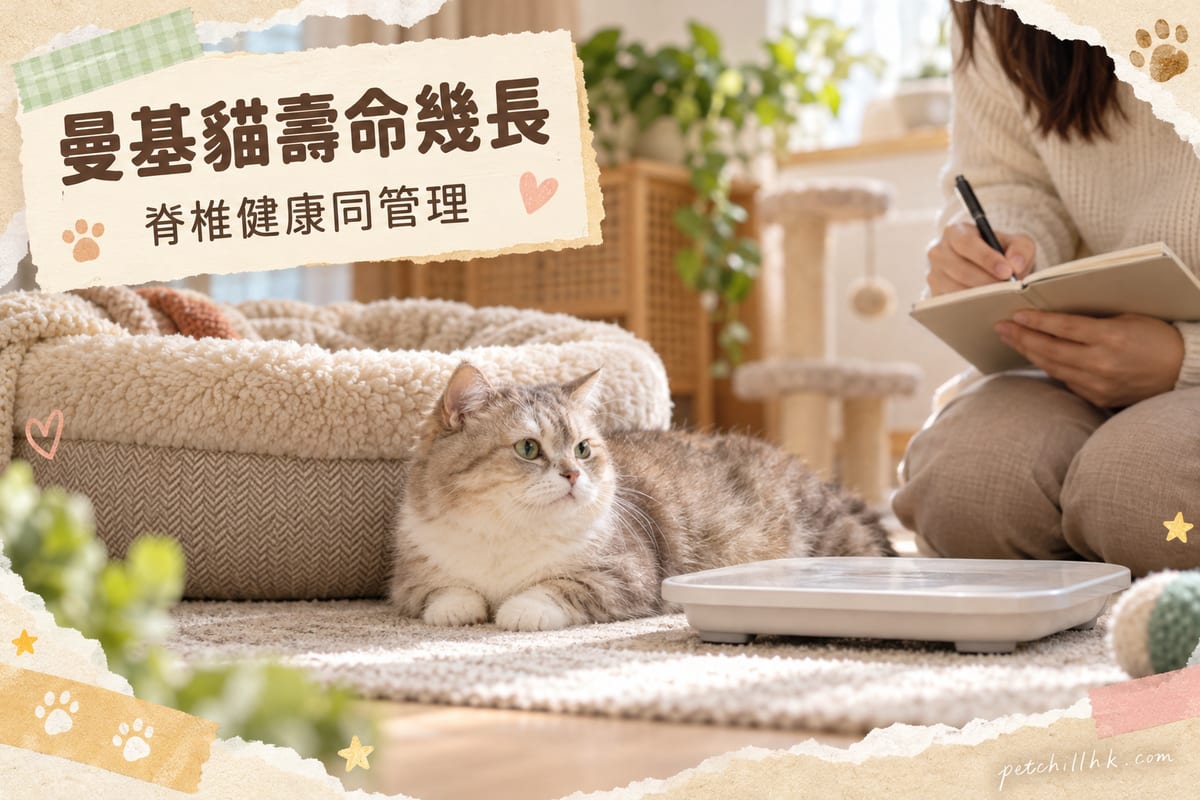
How Long Do Munchkin Cats Live? Hong Kong Short-Leg Gene Health Risks and a Longevity Checklist
Munchkin cats generally live 12–15 years, and with good care can exceed 17. The short legs come from a dwarfism gene mutation, bringing potential risks to joints, spine and sternum — but these are not a death sentence. This article covers lifespan data, influencing factors, check-up priorities at each life stage, clinical signs of lordosis, and a 12-point longevity checklist to help you spend more years together with your short-legged cat.
Read the full article →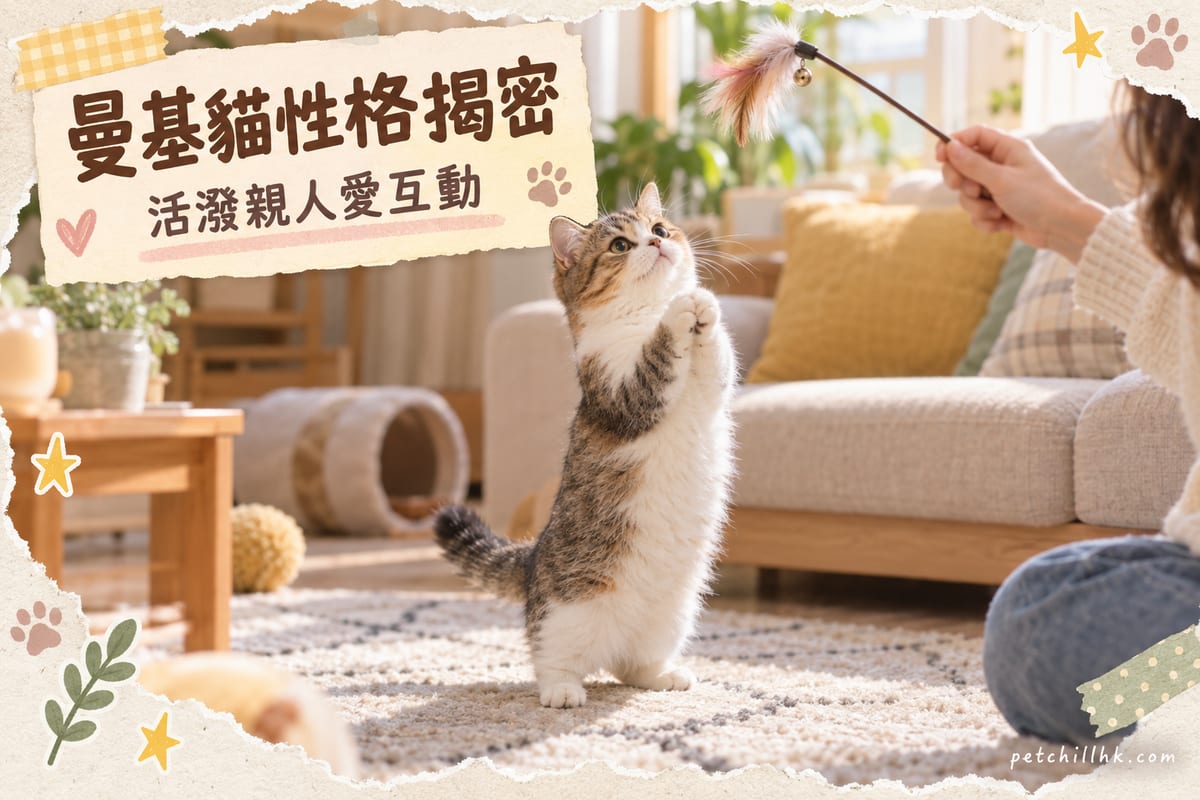
Munchkin Cat Personality: 5 Traits of Hong Kong's Short-Legged Comedian
What is a Munchkin cat like? This article breaks down the five personality traits of the Munchkin: lively and friendly, people-oriented and home-loving, clever and fond of problem-solving, a huge sense of humour with the 'begging' and 'kangaroo' stances, plus how they get along with children and other pets, male-female differences and interactive game suggestions, with a trait × behaviour × response table to help you predict the daily life of this short-legged comedian after it moves in.
Read the full article →
Munchkin Cat Prices and Adoption: Hong Kong Market Rates and Verification Checklist 2026
How much does a Munchkin cat cost in Hong Kong? This article compiles 2026 market reference prices for buying or adopting short-legged cats: why pet-grade and pedigree-grade prices differ, which 'free kitten adoption' offers are real and which are fake, whether no-home-visit adoption is a red flag, self-protection rules for private adoption, plus an eight-point verification checklist and a monthly care cost table to help prospective owners see through supply-demand premiums and avoid being fooled by pretty photos from unlicensed sources.
Read the full article →
Munchkin Cat Short-Leg Guide | Essential Reading for Hong Kong Cat Owners: Personality, Spinal Risks and Ethical Debate
Behind the Munchkin's short legs lie a dwarfism gene and ethical controversy. This article breaks down the short-legged cat's personality, care priorities, joint and spinal health risks, and when to see a vet, so Hong Kong cat owners can see the pros and cons clearly before keeping or buying one and make a responsible decision.
Read the full article →You may also like
Other cat breeds like the Munchkin