
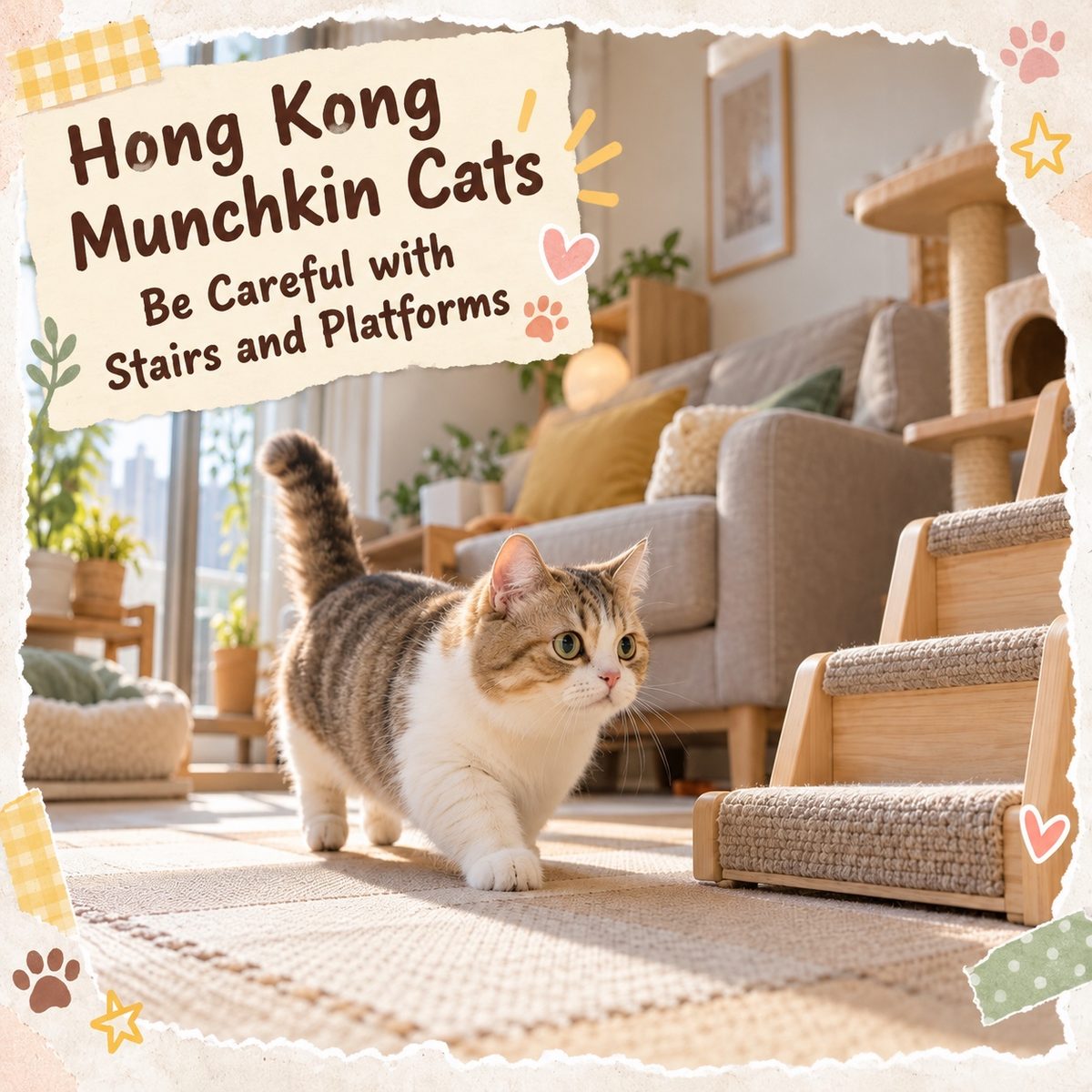
Quick answer: The Munchkin (Munchkin, short-legged cat) is a breed suitable for small flats in Hong Kong—they have a small activity radius, do not like climbing high, and have low floor area requirements. What you really need to manage is four things: anti-slip flooring, steps for furniture height, drinking water and dehumidification during the hot and humid season, and an orthopaedic check every six to twelve months. Before getting one, also check the housing estate's deed of mutual covenant policy.
Want to know more about Munchkin cats? First see the Munchkin breed profile and the Complete Munchkin Cat Guide.
1. Munchkin cats and Hong Kong-style small flats: a natural match, but with three changes
Hong Kong people live in flats averaging several dozen square feet; many active breeds need outdoor time and large spaces to compensate, but Munchkins do not—their legs are short, jumping ability is weak, and their activity radius is naturally small. The territory under the sofa and beside a low table is enough for them to run around all evening. But 'suitable for small flats' does not mean 'suitable as is'; before bringing a cat home, three changes need to be made:
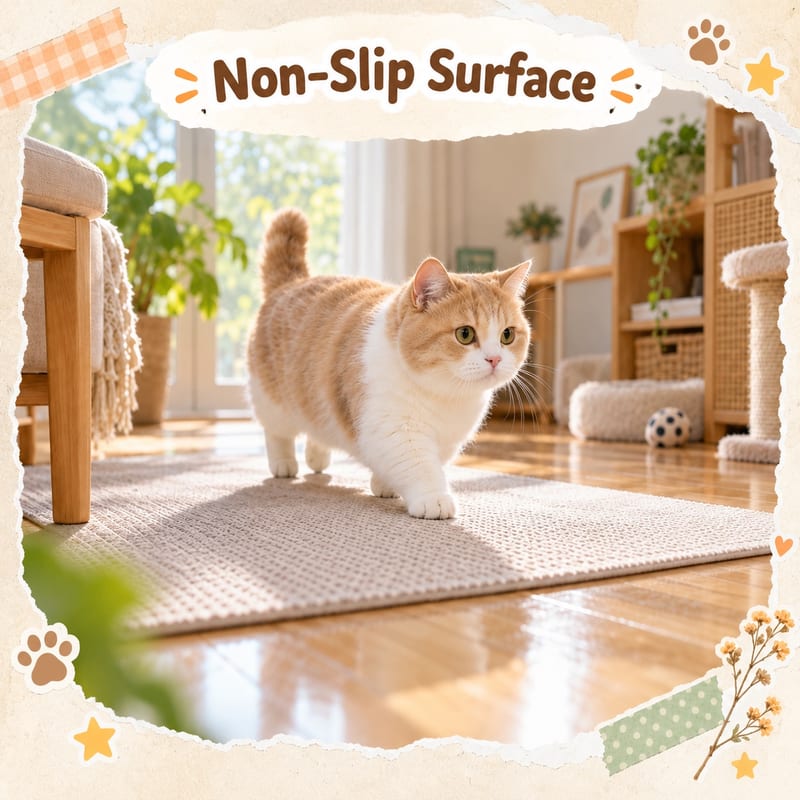
- Anti-slip along routes: lay anti-slip mats or rugs along corridors and common routes; polished tiles are a long-term negative asset for a short-legged cat's joints;
- Food and water bowls at floor level: do not place them on the bar counter or cabinet top; keep them at floor height so the cat does not have to jump to eat;
- Steps for high furniture: sofas and beds are 'high platforms' to them; place a small cat ladder or step stool so they have a choice of how to get up and down, rather than constantly scrambling up and down themselves.
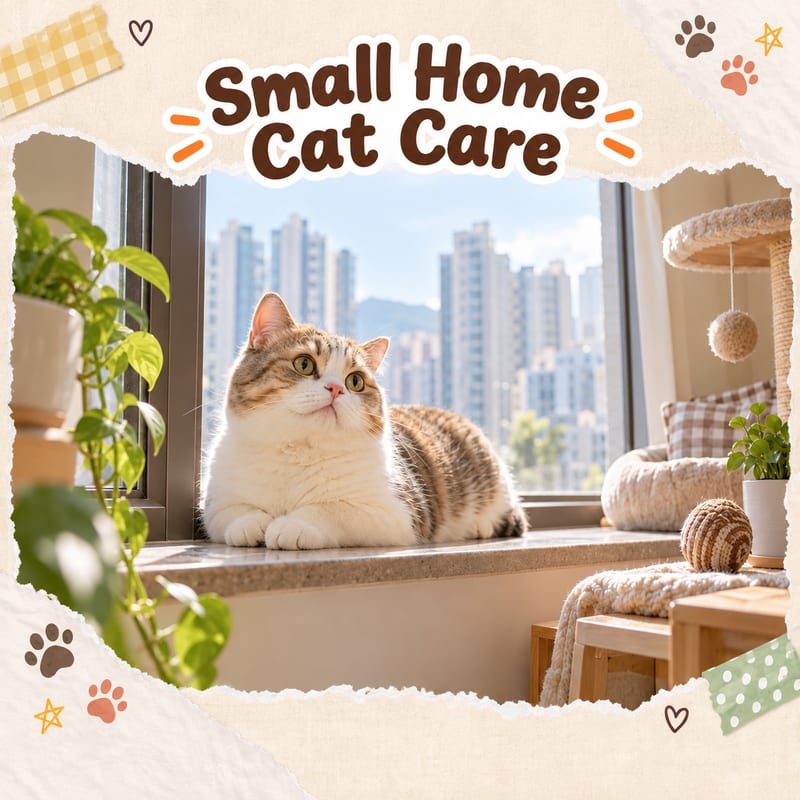
2. Keeping cats in public and private housing: understand the law and deed of mutual covenant first
Before getting a Munchkin, clarify the bottom line of 'can I keep one':
- Public rental housing: Housing Department policy allows tenants to keep either cats or dogs, with a maximum of two per household, and they must be kept properly to avoid environmental hygiene problems for neighbours; violations may result in removal of the animal. Before getting a cat, understand the enforcement practices in the estate, and never place cat supplies or litter boxes outside window rails.
- Private buildings: check the deed of mutual covenant (DMC) for any clause prohibiting the keeping of animals—some old deeds explicitly ban cats and dogs, and breach of the deed can lead to complaints from management and legal risks.
- Rented flats: the landlord's written permission should state clearly how many cats are allowed; verbal permission should be treated as non-existent.
| Item | Suggested practice |
|---|---|
| Public housing tenants | Confirm the two-cat limit per household and proper keeping requirements; place litter boxes indoors and clean daily |
| Private housing residents | Check the building's deed of mutual covenant for any prohibition clause; verbal statements from management are not authoritative |
| Tenants | Obtain written landlord permission with the number of cats clearly stated to avoid disputes at move-out |
| Multi-cat households | Number of litter boxes = number of cats + 1; short-legged cats need low-entry models |
| Travel arrangements | Try boarding or pet-sitting in advance; short-legged cats are not suitable for free-roaming outdoors |
3. Polished tiles, slippery floors and nails: the anti-slip trio
When starting, braking and turning, a short-legged cat's limb joints bear more torque than a long-legged cat's; living long-term on slippery floors is like doing high-impact movements every day. Early signs observed clinically include a 'splits' gait, sliding into things after running, and reluctance to get off the sofa. The solutions are simple:
- Lay anti-slip mats, bamboo mats or short-pile rugs along common routes, especially corridors and feeding areas;
- Trim nails regularly to maintain moderate friction; overly long nails can catch in mats and injure the foot;
- Avoid setups where 'the cat must jump to eat'—food, water, litter box and bed should all be at floor level.
4. Hot and humid summer: damp-proofing, heat relief, and maintaining water intake
From May to October, Hong Kong's humidity often reaches 80–90%, and the impact on cats centres on two lines. The first line is drinking water: heat and humidity reduce appetite, and cats are naturally slow to feel thirst; insufficient water intake directly raises urinary tract risk. Solutions are to place more water bowls (one in each room), use a flowing water fountain, and increase the proportion of wet food. The second line is environmental mould and skin: during the humid season, cat beds and rugs easily develop a musty smell. Although short-haired cats do not mat as easily as long-haired Munchkins, cases of skin sensitivity and 'eczema-like' itching increase noticeably in summer—using a dehumidifier to keep indoor humidity at 60–70% and washing and drying cat beds in hot water weekly are low-cost, high-benefit measures. In air-conditioned rooms, make sure the draught does not blow directly on where the cat sleeps; large day-night temperature differences are unkind to older cats' joints. Also, during typhoon season, window rattling and street noise can easily stress cats; prepare a cardboard box they can hide in and leave a small night light so they have a 'safe house' to retreat to—short-legged cats have fewer escape options, so environmental stress management needs to be more proactive than for long-legged breeds.
5. How to arrange orthopaedic check-ups in Hong Kong
The basic setup for keeping a Munchkin is an orthopaedic check every six to twelve months; this is not 'see the vet when something happens' but a preventive item. Local arrangements are roughly as follows:
- A routine check-up costs about $600–1,200 each time, with imaging (X-ray) charged separately; some clinics offer breed-specific discount schemes;
- Keep a baseline walking video: every three months, film 30 seconds in the same corridor from the same angle; when there is a change, compare frame by frame—much more reliable than memory;
- Distinguish warning levels: 'refusing to jump to a usual spot', 'limping', 'avoiding or crying when the back and loin are touched' require prompt veterinary attention; merely being a little quieter is at the observation level.
Medical content is general information only; for individual diagnosis, please rely on a registered veterinarian.
6. Daily schedule: how to plan the day
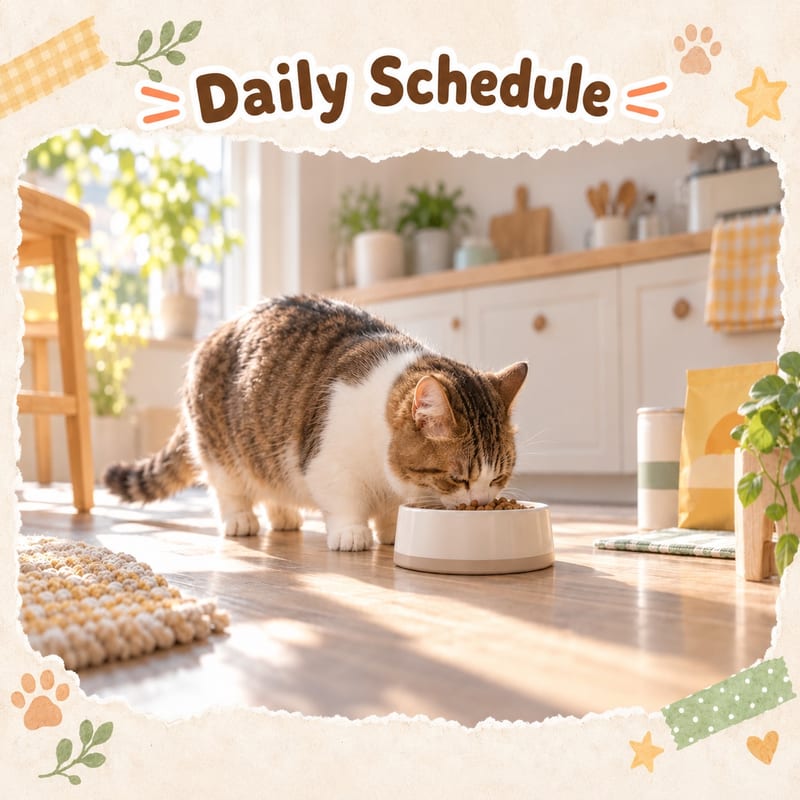
Keeping a short-legged cat in a small flat, routine is more important than space. Reference schedule: in the morning, feed a measured breakfast plus ten minutes of floor-level wand toy play; during the day when the owner is at work, leave a treat-dispensing ball and a window perch (remember to install window screens); in the evening, a second play session focusing on 'floor-level chasing' rather than 'jumping high'; before bed, feed the main meal and practise tooth brushing. At weekends, do a full body check practice: feel the limb joints, look at the paw pads, and film a walking clip—getting used to this from a young age will make future clinic visits less chaotic.
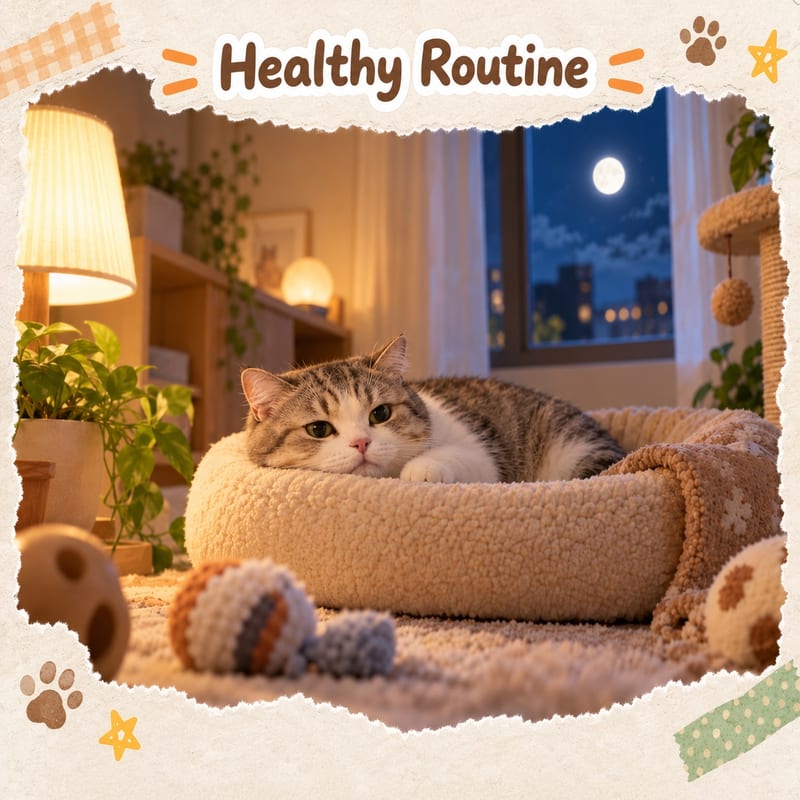
Key points
- ✅ Munchkins are naturally suited to small flats: small activity radius, no love of climbing high; the focus of changes is anti-slip and floor-level access.
- ✅ Cats are allowed in public housing (maximum two per household); for private buildings, check the deed of mutual covenant first; tenants need written landlord permission.
- ✅ Polished tiles are a long-term negative asset for short-legged cats' joints: lay mats along routes, trim nails, and avoid 'must jump to eat' setups.
- ✅ Two lines of defence in the hot and humid season: drinking water (more bowls + wet food) and a dry environment (dehumidification + hot-water washing of cat beds).
- ✅ An orthopaedic check every six to twelve months is a basic setup, not optional; film a baseline walking video every three months.
- ✅ Do not walk them outside; window screens and escape-proofing are standard for indoor keeping.
Related reading
- Munchkin lifespan and health risks
- Disadvantages of keeping a Munchkin and how to cope
- Munchkin cat prices and adoption guide
- Anti-slip mats, low-entry litter boxes, flowing water fountains: shop at PetChill pet supplies.
The medical content in this article is general information and cannot replace diagnosis; for abnormal walking or posture, please consult a registered veterinarian.



