Russian Blue
📺 32-second video · Cantonese narration
The Russian Blue story, in one take
From its origins to Hong Kong homes — how did the Russian Blue become one of Hong Kong's most popular cat breeds?
- ✓Origin story: starting in its homeland
- ✓Personality: Gentle and affectionate
PetChill Pet Encyclopedia
Russian Blue everyday food & supplies
Chosen by species (cat) from products PetChill stocks — not a breed-specific formula. Actual suitability depends on age, weight and health.
 Special offer
Nutriplan Cat Food Complete Health Nutritional Formula 5kg (64352)
HK$123HK$128About HK$24.6 per kg
Price checked 2026-10-21; the store page shows the live price, stock and offers.

Bella & Molly's Dutch Berry Royal Selected Cat Food AAFCO Anti-Aging Grain-Free Single Protein Salmon Formula 50g (Limited Time Experience)
HK$10About HK$200 per kg
Price checked 2026-10-21; the store page shows the live price, stock and offers.

Hills Cat Food Life Stage Series Adult Formula Chicken 490g (609885)
HK$55About HK$112.24 per kg
Price checked 2026-10-21; the store page shows the live price, stock and offers.
History & origin
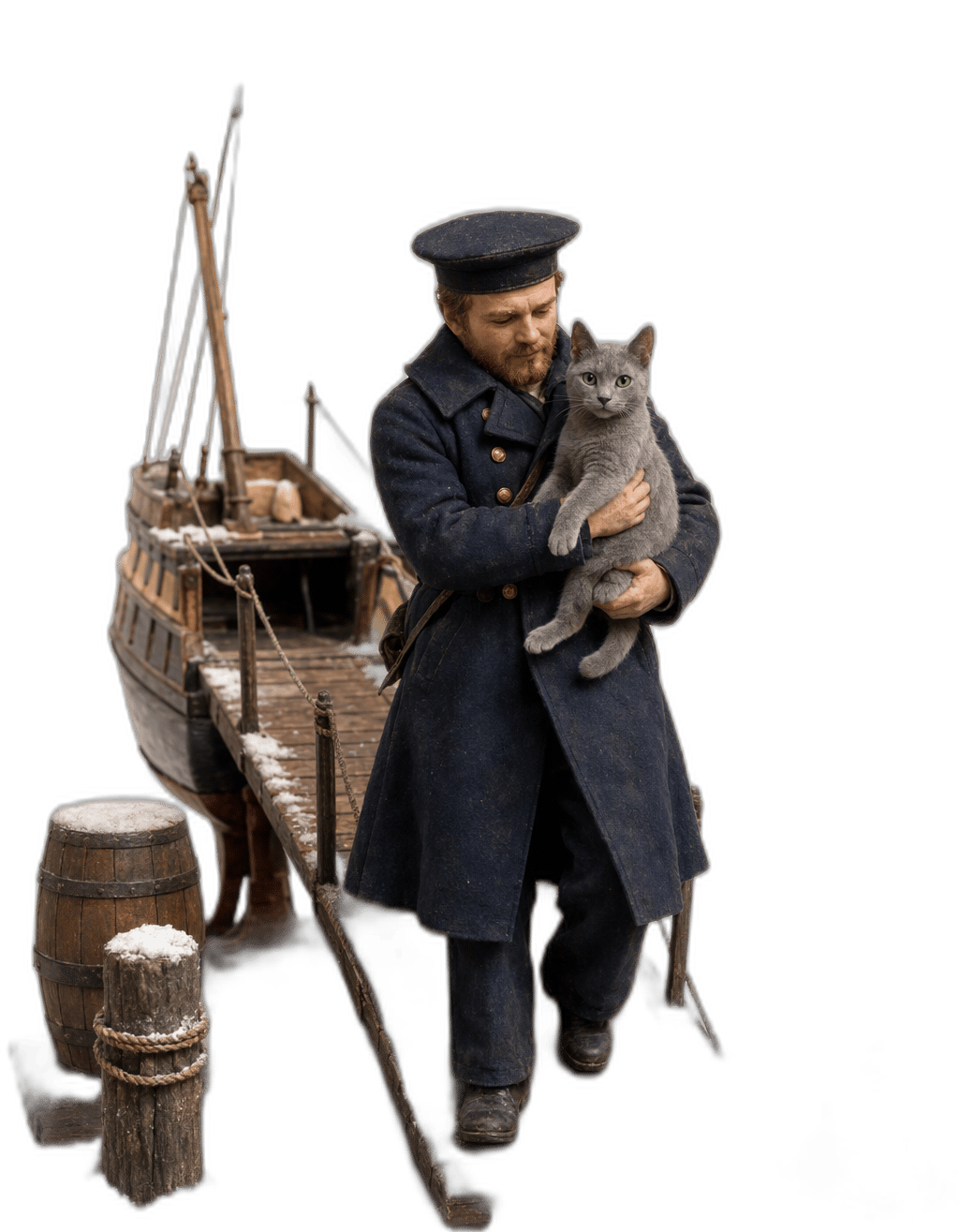
The origins of the Russian Blue are wrapped in mystery. It is said to come from the port of Arkhangelsk in northern Russia, which is why it is also called the "Archangel Cat". In the 1860s British sailors brought these silver-blue cats back from that port to Britain, and in 1875 they first appeared at the Crystal Palace cat show in London.
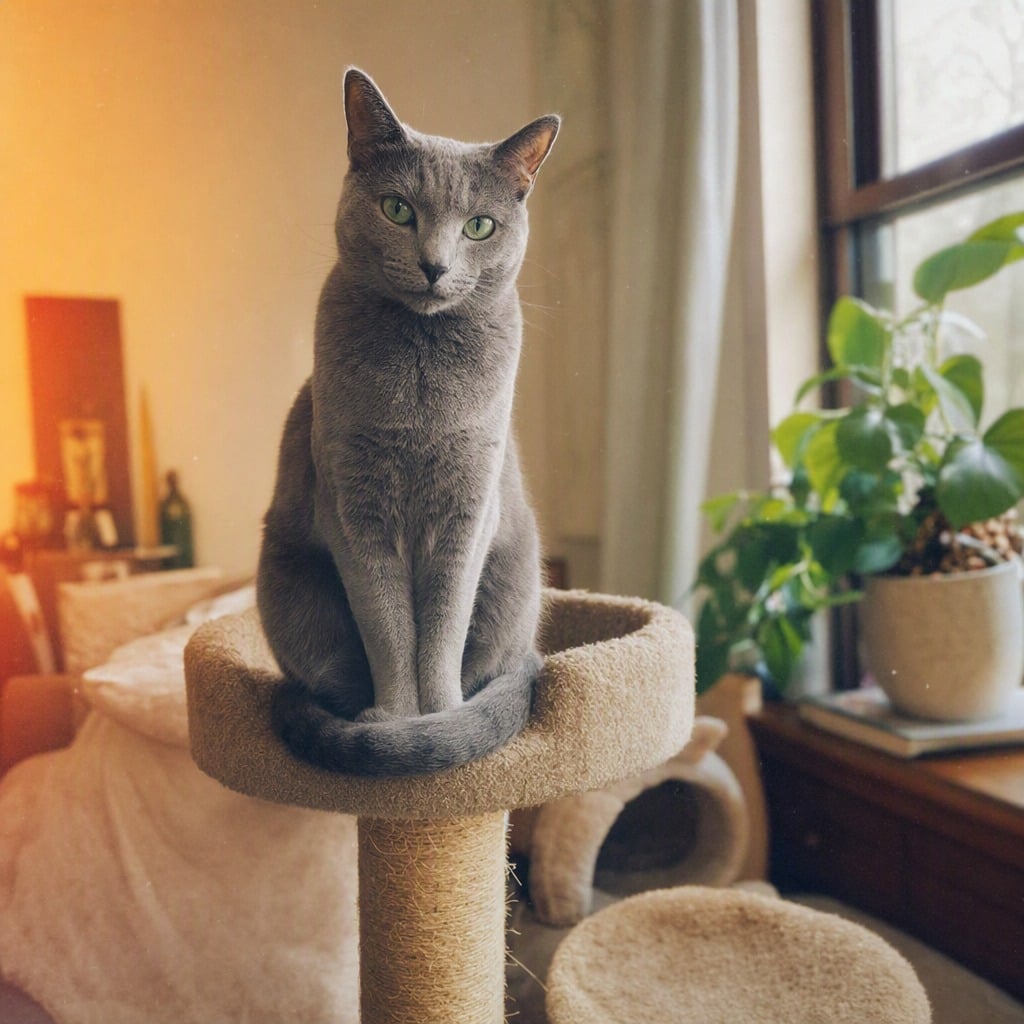
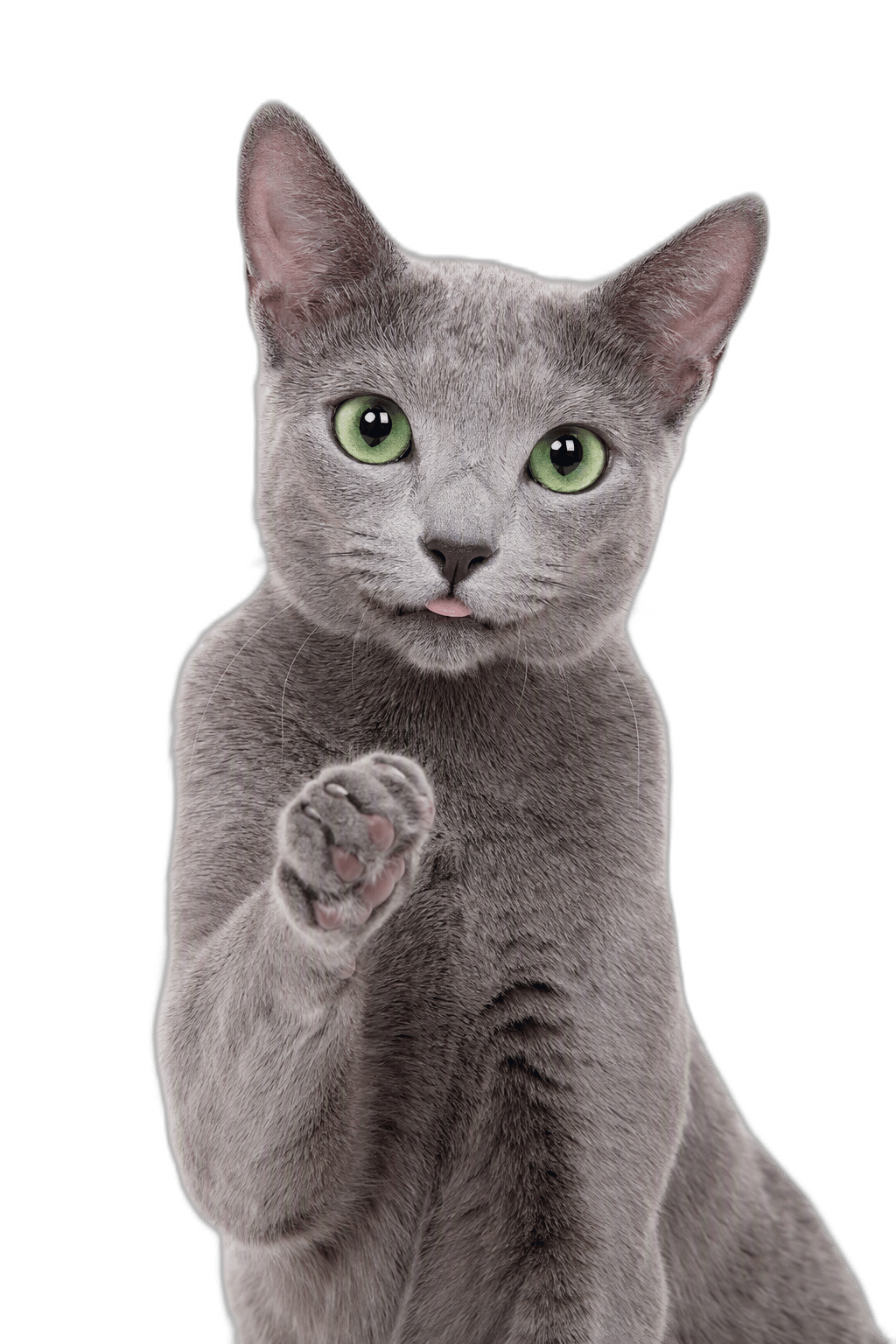
In the cold of northern Russia the Russian Blue evolved a distinctive dense short double coat: a silver-blue outer layer over a soft downy undercoat, so it looks as though it is wearing a velvet coat. Its emerald-green eyes and slightly upturned mouth have earned it the title of the "Mona Lisa of cats".
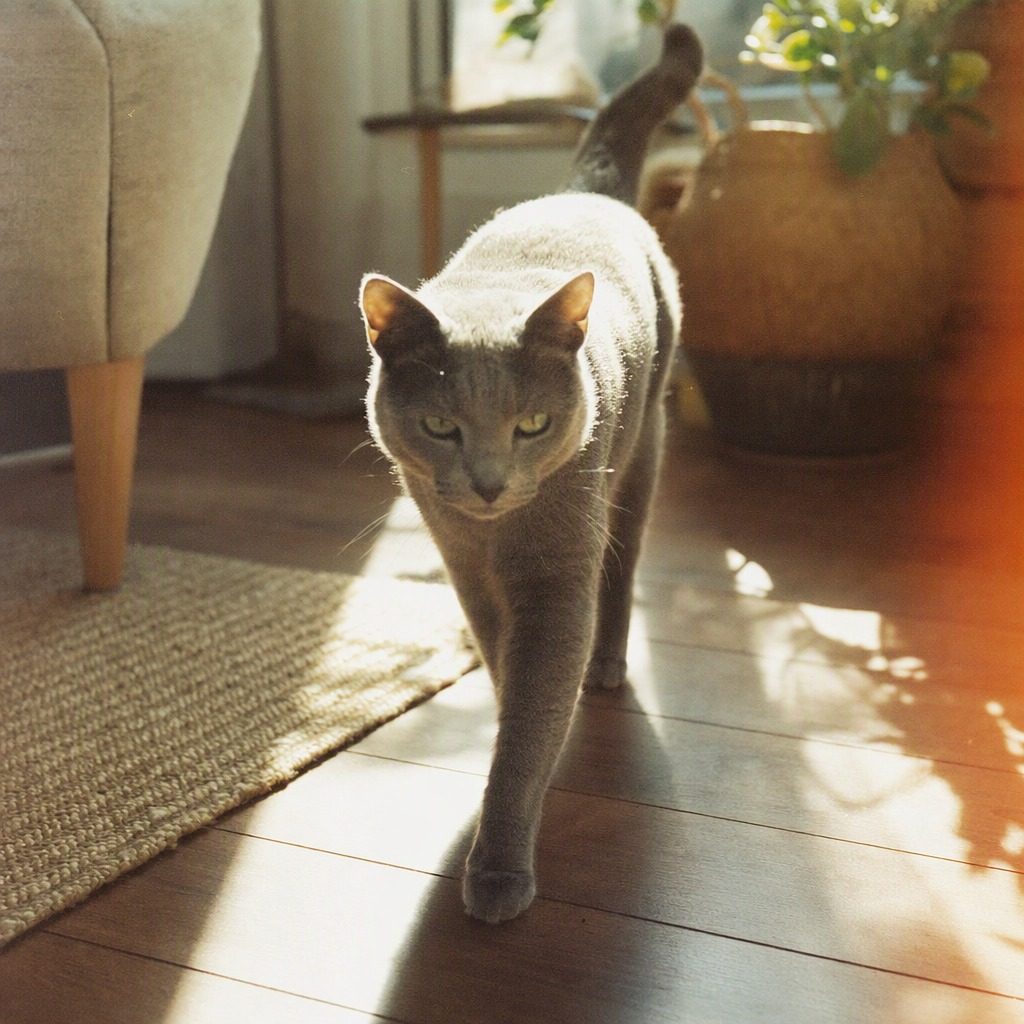
During the Second World War the Russian Blue, like other breeds, almost died out, and breeders crossed it with Siamese to save the bloodline before gradually selecting back to pure breeding after the war. Today the Russian Blue is one of the most popular shorthair breeds, especially among quiet households: gentle, loyal and rather shy, usually close to only one or two family members. It also sheds relatively little and is considered a lower-allergen breed, making it a popular choice for people sensitive to cat hair.
Frequently asked questions
The questions people ask most about the Russian Blue
Reportedly so. The Russian Blue comes from the port of Arkhangelsk in northern Russia and was brought to Britain by British sailors in the 1860s, which is why it is also called the "Archangel Cat".
Relatively. Russian Blues shed less and produce lower levels of the Fel d 1 allergen, so they are considered a lower-allergen breed, but that does not mean no reaction at all.
They are loyal but quite shy, usually especially close to only one or two family members, and avoid strangers, making them a "one-person" kind of cat.
A quiet home suits it better. The Russian Blue is gentle and wary of strangers, likes a calm environment, and too much noise makes it anxious.
Relatively little. The Russian Blue has a dense short double coat but sheds less than other breeds, and brushing 1-2 times a week is enough.
Russian Blue articles
5 articles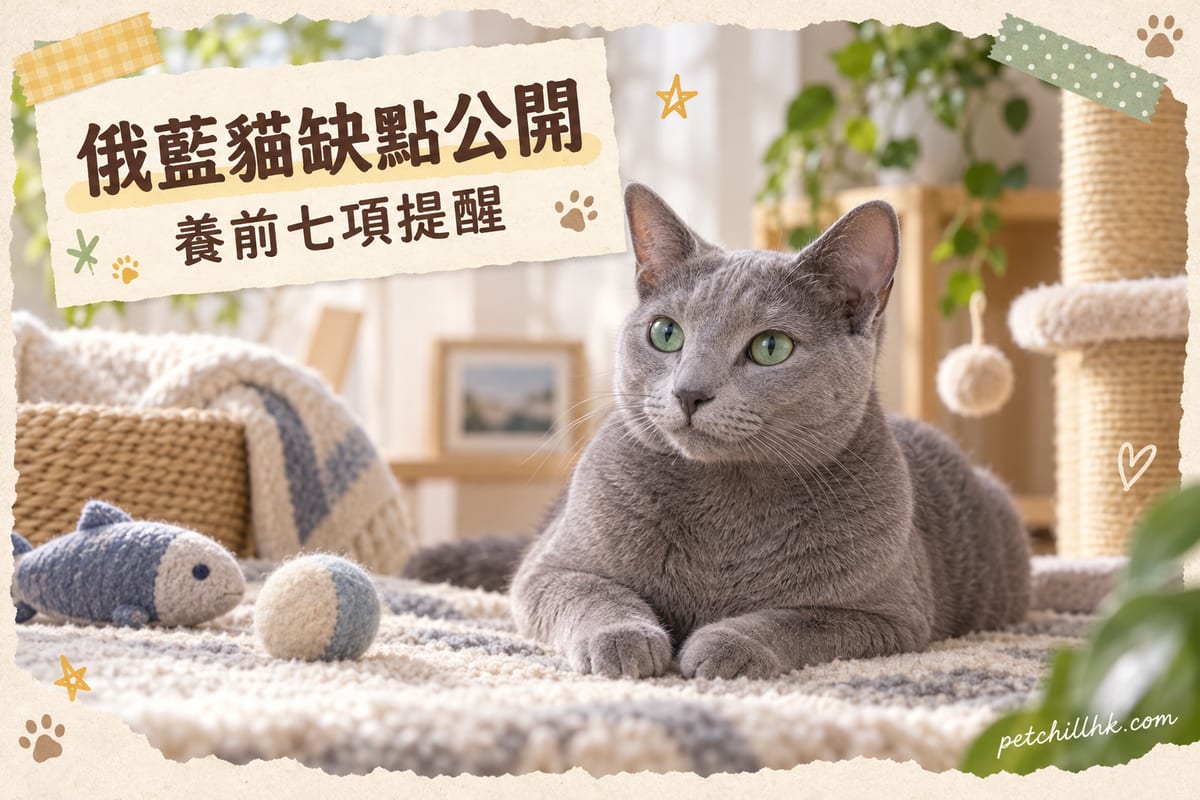
The Downsides of Owning a Russian Blue | 8 Real Costs Every Hong Kong Cat Owner Should Know
Thinking about getting a Russian Blue? This article neither talks you out of it nor hypes it up—it honestly breaks down 8 common downsides: extreme slow warm-up, separation anxiety, hunger strikes, demands for cleanliness, a voice so quiet it's easily missed, intelligence that can open doors, sensitivity to atmosphere, and a high price tag. Each comes with actionable coping methods and cost directions to help you make a clear-headed decision before bringing the cat home.
Read the full article →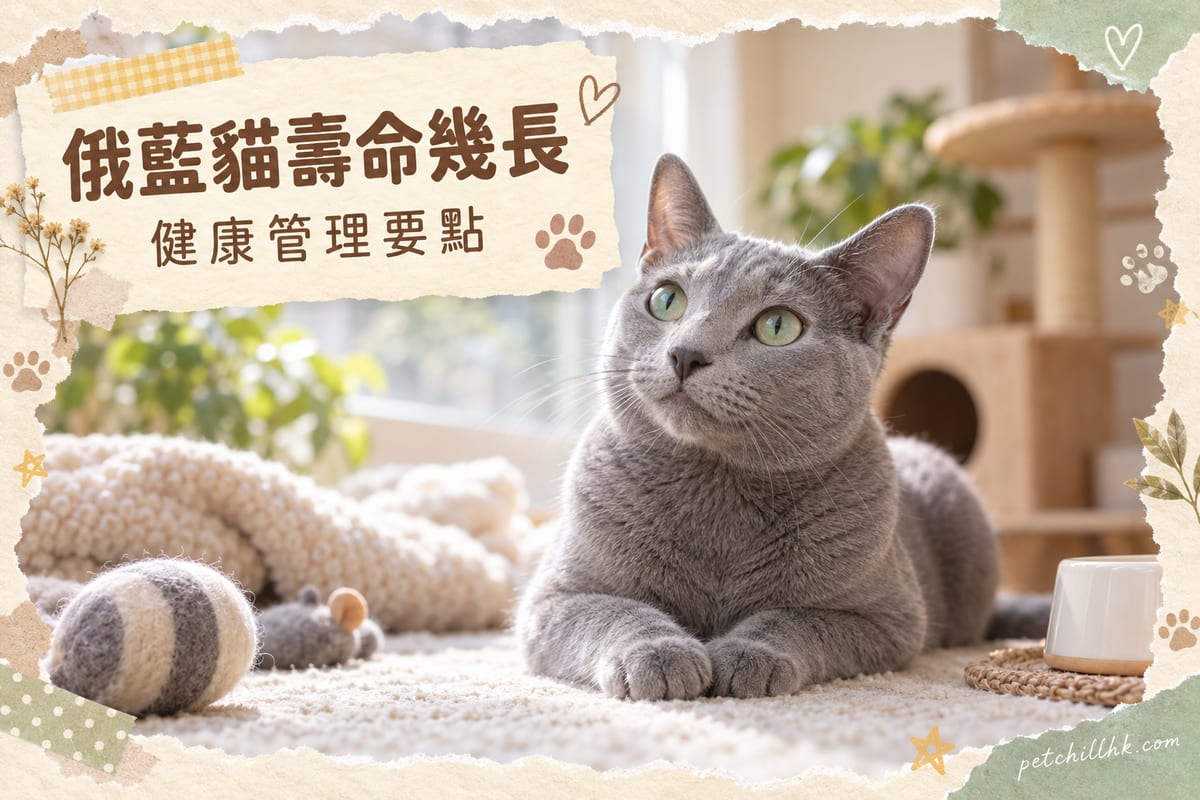
Russian Blue Lifespan: How Many Years? | Hong Kong 15+ Year Longevity Checklist
Russian Blues generally live 15 to 20 years, making them one of the recognised long-lived and robust cat breeds. This article breaks down the lifespan range, three influencing factors (weight, urinary tract, stress), a health timeline from kitten to senior, and a longevity checklist, showing you how to push that number to its maximum.
Read the full article →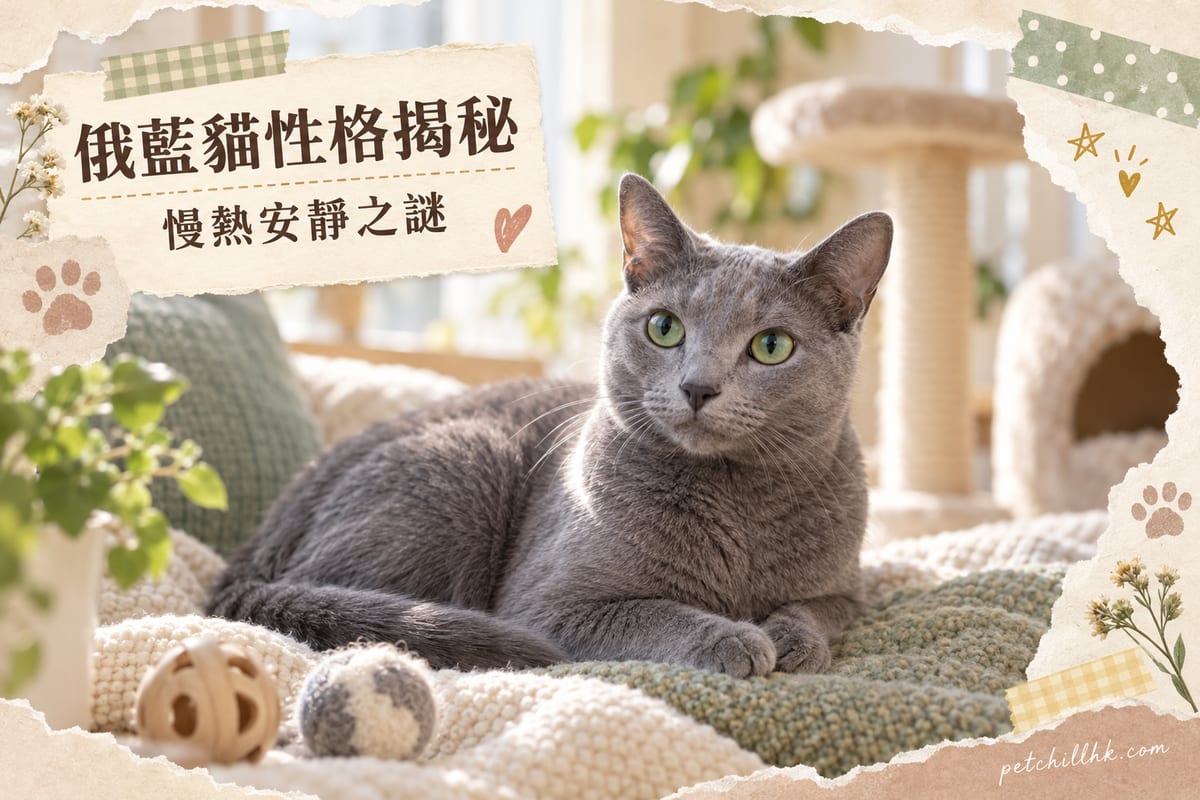
Russian Blue Personality: A Hong Kong Cat Owner's Guide to the Loyal, Intelligent Cat Behind the Shy Exterior
What is a Russian Blue really like? Reserved with strangers but loyal and clingy with their chosen person, this is a breed known for 'love at first sight'. This article breaks down the five key personality traits, intelligence, how they get along with children and other pets, differences between males and females, and interaction tips, with a trait × behaviour × response table to help you decide if this silver 'shadow cat' suits your home.
Read the full article →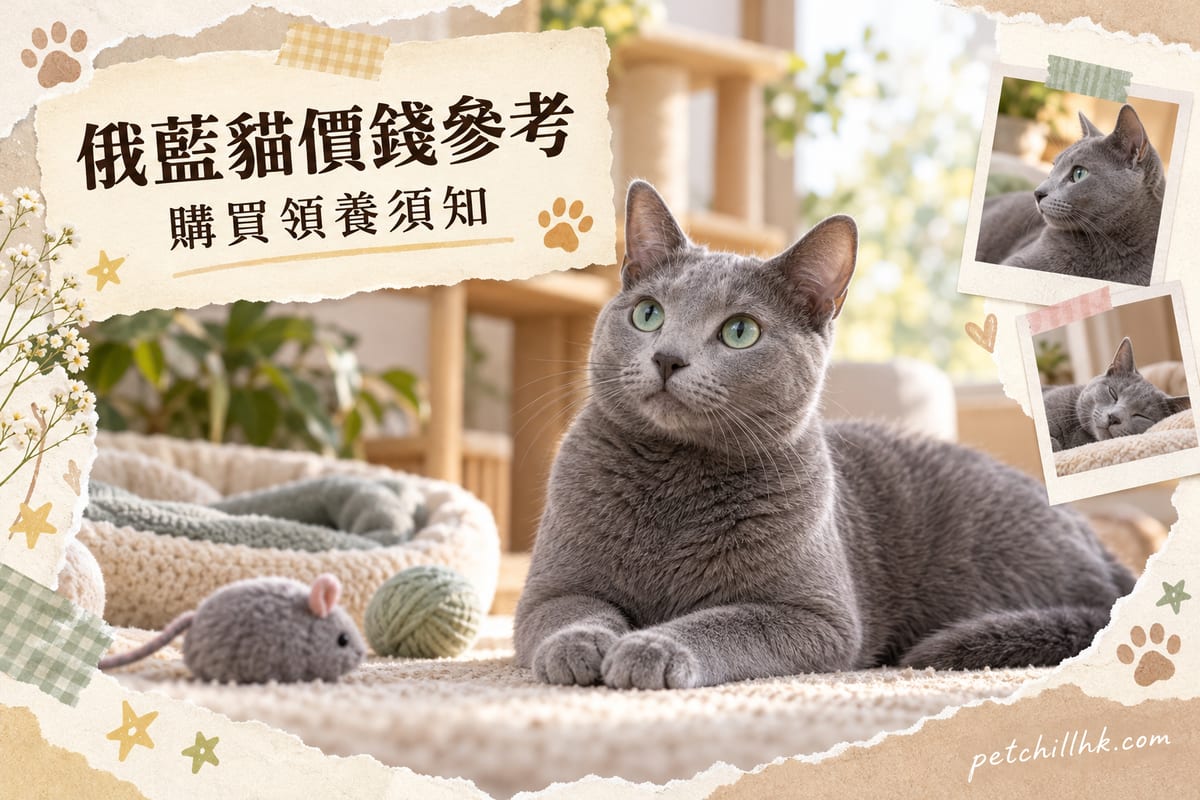
Russian Blue Price and Adoption Guide | Hong Kong 2026
How much does a Russian Blue cost in Hong Kong? In 2026, pet-quality Russian Blues start at around HK$10,000, while pedigree-quality cats can reach HK$20,000 or more — noticeably pricier than British Shorthairs. This guide breaks down the two-tier market prices, compares costs with British Shorthairs and Siamese, covers adoption routes and free-adoption red flags, plus a pre-purchase checklist and monthly expense estimates so you can see all the costs before bringing a cat home.
Read the full article →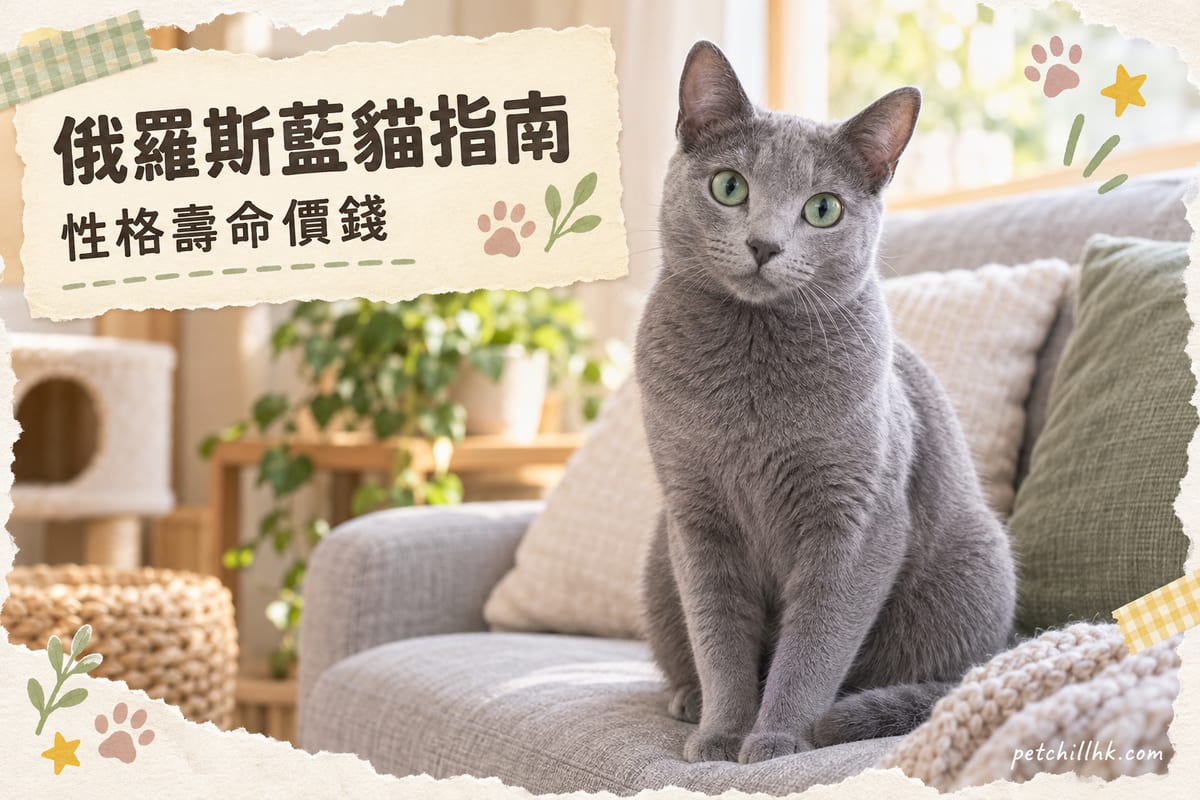
Russian Blue Cat Hong Kong Care Guide | Silver-Blue Coat, Green Eyes and Personality
Russian Blue cats are known for their silver-blue double coat and emerald green eyes. They are gentle, intelligent, clingy with their owners and shy with strangers. This guide covers appearance, personality, daily care, genetic health and Hong Kong's hot and humid weather, plus the hypoallergenic myth. A must-read for beginners.
Read the full article →You may also like
Other cat breeds like the Russian Blue