
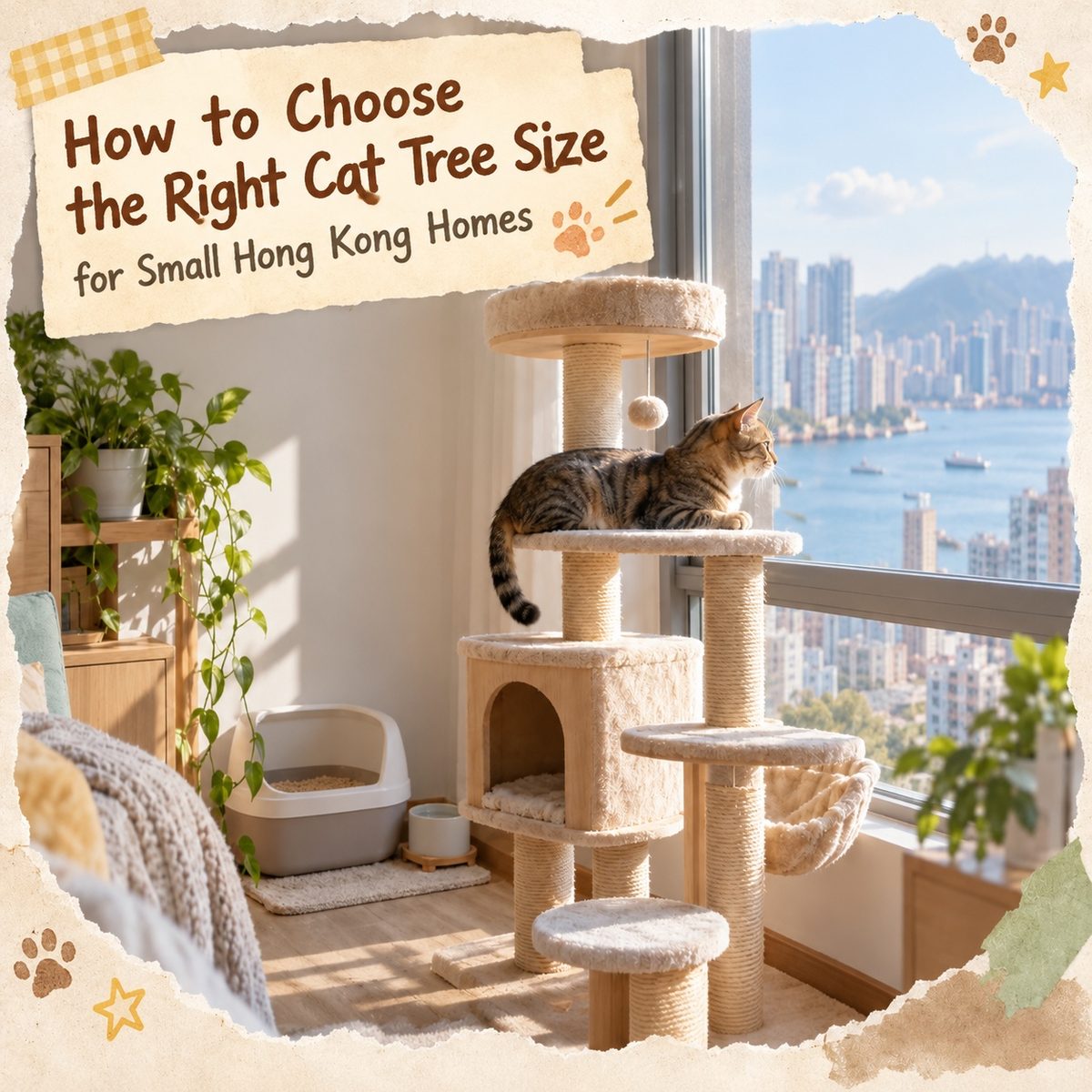
Quick answer: Three steps to choose a cat tree: ① Measure your cat's full stretch height and multiply by 1.5 to get the top level height; ② The base area should be large enough (at least equal to the cat's body length), with shelf spacing of about 30–40cm; ③ Place it by the window or where you often sit, and use brackets or a weighted base to prevent tipping. For small flats, use 'shelves + medium cat tree' assembly, which is more practical than one giant cat tree.
A cat tree is one of the most worthwhile furniture investments for small Hong Kong flats—because cats need vertical space, and while you can't change the floor area, you can change the height. But if you buy the wrong size, it ends up as a decorative piece that takes up space.
3 Key Points
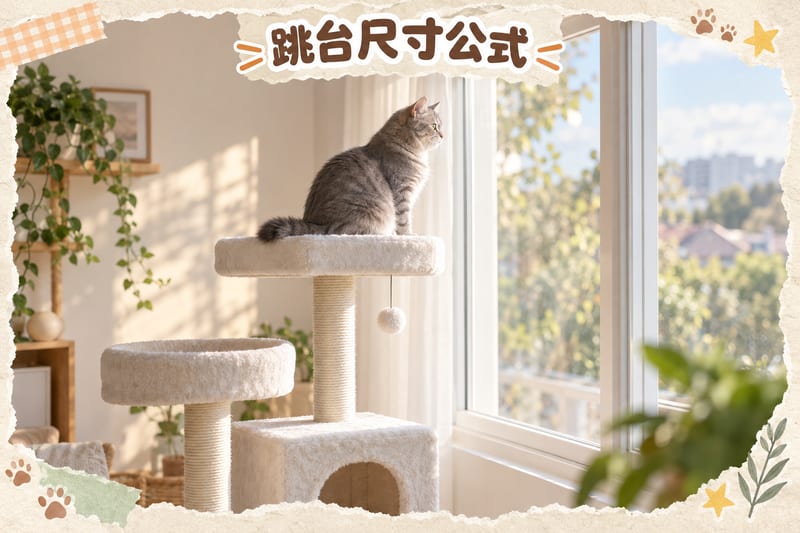
- Size formula: Top level height ≈ cat's stretch height × 1.5; shelf spacing 30–40cm.
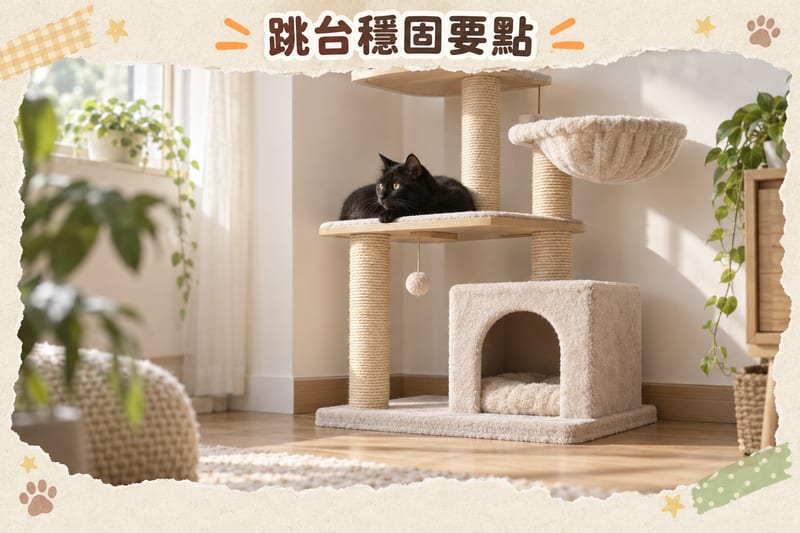
- Stability first: If taller than about 100cm, secure it; one tip-over and your cat may avoid it forever.
- Location determines usage: By the window, next to where you often sit, main pathways; placing it in a cluttered corner = no one uses it.
Cat Tree Selection Comparison Table
| Item | Recommended Standard | Action | Priority |
|---|---|---|---|
| Top level height | Stretch height × 1.5 (most 90–110cm) | Measure cat's front paw reach height, then multiply by 1.5 | 🟢 Basic |
| Shelf spacing | About 30–40cm | Cat can climb in two steps, reducing jumping stress | 🟢 Basic |
| Base area | ≥ cat's body length (about 40–50cm) | Base too small is wobbly; use weighted base or fix to wall | 🟡 Safety |
| Platform area | At least enough for whole body to lie down | Each level diameter/side length 35cm+ is more comfortable | 🟡 Comfort |
| Scratching post material | Sisal rope, corrugated cardboard (replaceable) | Replace when worn, don't wait until loose | 🟡 Consumable |
| Fabric/plush | Removable and washable | Hong Kong is humid; trapped moisture can cause mold smell | 🟡 Cleaning |
| Height >100cm | Fix to wall or add weight | No-drill options: tension rods, wedged between bookshelf and corner | 🔴 Tip-over prevention |
| Wobbling/looseness | Stop using immediately | Loose screws can pinch cat's paws | 🔴 Safety |
Actual Choices in Hong Kong (PetChill current prices, verified 2026-10-02)
| Style | Product | Price | Suitable for |
|---|---|---|---|
| Entry-level medium | Cat tree (medium arch bridge) | $88 | First-time cat owners, trying out in small flats |
| Medium advanced | Cat tree toy selection (medium round base) | $98 | Want a platform for the cat to lie on |
| Single scratching post | Japan MARUKAN plush single-column cat scratching post cat tree | $175 | Limited space, mainly for scratching |
| Large | Cat tree (large beige brown) | $450 | Want to get it right once, have window space |
| Brand play station | Hagen Catit V-series play station (white) | $362 | Want brand accessories, can add modules |
| Brand play chair | Hagen Catit V-series play chair (white) | $562 | Multi-cat households, need multiple platforms |
| Wooden luxury | Japan Nagaipet wooden wood-grain luxury cat scratching board cat tree | $1,350 | Want to blend with home style, one-time investment |
DIY or ready-made? Honestly: DIY materials (wood boards, sisal rope, screws) prices fluctuate, and you have to handle load-bearing and tip-over prevention yourself; cost-effectiveness depends on your skills and tools. For Hong Kong flats, ready-made medium cat trees at $88–175 already meet basic needs; DIY is usually only worth it when you want a specific size. Whether DIY or ready-made, the safety standards are the same: must not wobble, no sharp corners, secure enough.
3 Placement Tips for Small Flats
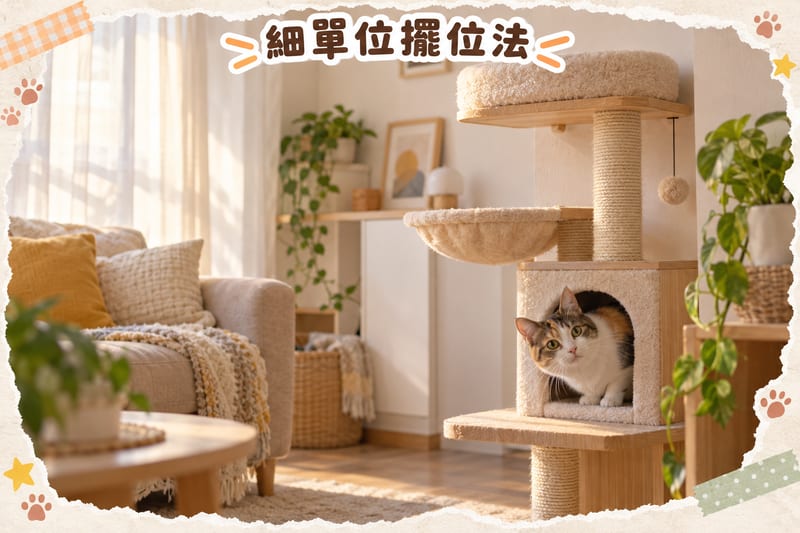
- Vertical assembly—wall shelves (spacing 30–40cm) + medium cat tree + window sill, forming a continuous climbing route, more suitable for 200–400 sq ft flats than one large cat tree.
- Window priority—cats naturally love to watch outside. But if there are street cats or birds passing by, window stress may occur (meowing, charging at window, hypervigilance); block the view partially if necessary.
- Avoid traffic intersections—don't place it at the door or in the middle of a corridor, otherwise the cat will often be disturbed when going up and down, and eventually stop using it. Place it next to where you often sit, so they can 'accompany you' while keeping distance.
Red Lines: 3 Situations to Handle Immediately
- Cat tree wobbles, screws loose, shelves cracked—stop using immediately and reinforce or discard
- Cat slips or falls after jumping on the tree—check surface material and location (add non-slip mat on hard floors)
- Cat suddenly afraid to jump to previously used high places—may be joint pain or vision problems, arrange a vet check
Sources
- AAFP/ISFM Feline Environmental Needs Guidelines (vertical space and resource distribution)
- International Cat Care: Everyday care for your cat
- International Cat Care: Problem behaviour in cats
PetChill's Reminder
Cat trees and scratching posts go together: the tree provides height, the scratcher satisfies the urge to scratch. PetChill has cat trees in stock (from $88) and sisal scratching posts (from $175), which you can mix and match according to your flat size. If you're not sure which one to get, start with a medium model and expand with shelves later.
Disclaimer: This article is purchasing information for products and does not constitute veterinary advice. If your cat suddenly stops jumping, slips, or has reduced activity, please consult a registered veterinarian.
Related Articles
- Cat Behavior Decoded: What 30 Actions Really Mean →
- Complete Guide to Cat Scratching Posts: Reasons for Scratching + Placement Formula →
- Cat Carrier Selection + 5 Steps to Carrier Training →
- Cat Space Design for Hong Kong Small Flats →
- Recognizing and Relieving Chronic Cat Anxiety →
- 90-Day Roadmap for New Cat Owners in Hong Kong →
 Feline Natural full guide →