Quick Answers
- Cats decide whether to eat mainly by smell: around 200 million olfactory receptors — if it doesn't smell right, they won't eat.
- Warming food slightly to 30-35°C makes the aroma more noticeable — the cheapest way to boost palatability.
- First distinguish physiological from behavioural: dental pain, nasal congestion, kidney disease and so on can cause sudden food refusal — don't dismiss it as fussiness.
- Use the 10% gradual transition method, adding 5-10% per day, usually completed in 7-10 days; sensitive cats can stretch it to 2-4 weeks.
- Put food down for 15-20 minutes each meal and remove what isn't finished — no free-feeding all day.
- A cat that eats nothing for more than 24-48 hours is at risk of fatty liver and needs a vet immediately.
Picky eating isn't necessarily 'fussiness'. Most cases are the combined result of smell, taste, texture, feeding habits and health status — if a cat can't smell the aroma, it treats what's in the bowl as 'not fresh'; if the texture is wrong, it would rather not eat; and free-feeding all day gives it the luxury of waiting for something better. So the truly effective approach isn't constantly switching brands, but first working out 'why it won't eat', then adjusting item by item.
This article follows that line: first the cat's olfactory and taste design, then six causes of picky eating and a checklist; next the three pillars of palatability (aroma, temperature, texture), the 10% gradual transition method, and a price comparison of what's available in Hong Kong; finally, which situations are warning signs that must go straight to a vet. All data are based on public information compiled by the PetChill editorial team and Hong Kong retail prices.
The First Gate: Innate Design of Smell and Taste
Whether a cat eats a bowl of food starts not with biting but with sniffing. Cats have around 200 million olfactory receptors, far richer information than humans. The implication is direct: a bowl of food left out half a day with a dried surface has lost most of its aroma — to a cat that basically means 'no smell'. Conversely, a cat rushing over the moment a can is opened isn't because it sees meat, but because the volatile aroma concentration is highest in a freshly opened can — especially the umami signals from meat broth and hydrolysed protein.
On taste, cats are naturally unable to taste sweetness and are especially sensitive to bitterness. This combination means cats have no reward motivation for 'sweet' but are extremely resistant to the bitterness of medicine. So when giving medication, follow veterinary instructions, use the specified method or a small amount of strongly savoury food to mask it — never add sweet things yourself.
One more point often overlooked: cats are obligate carnivores with high protein and fat requirements. A recipe that smells bland and is low in fat may fail the cat's 'aroma customs' even if the nutrition numbers are adequate. Conversely, the same protein can have wildly different aroma performance depending on preparation (e.g. pâté, mousse, soup pouch, air-dried) — this is the core of 'palatability'.
Three practical implications: one, aroma matters more than taste; two, temperature directly affects aroma release; three, any post-processing (long standing, feeding straight from the fridge, mixing in medicine powder) greatly reduces palatability.
Physiological or Behavioural? Six Causes of Picky Eating to Check
The trouble with picky eating is that the surface behaviour of 'not eating' can have completely different causes. If you can't tell them apart, you'll try more and more randomly. The table below categorises by clue for easy checking:
| Type | Common clues | Immediate action |
|---|---|---|
| Oral/dental problems | Stops after a few bites, chews on one side, drools, bad breath | Have a vet examine the mouth; don't give painkillers yourself |
| Nasal congestion/upper respiratory | Sneezing, runny nose, can't smell aroma so indifferent to all food | Manage per vet instructions; short-term use strong-smelling food to assist eating |
| Gastrointestinal upset/nausea | Looks at the bowl but won't eat, lip-licking, vomits after eating, diarrhoea | Seek veterinary care within 24-48 hours; keep food sample information |
| Chronic disease (kidney disease, hyperthyroidism, diabetes) | Changes in weight and water intake, appetite fluctuating | Blood tests for diagnosis; dietary adjustments strictly per vet instructions |
| Behaviour/habit | Eats only one brand, only dry or only wet food, waits specifically for treats | Scheduled meals, 10% gradual transition, treats within 10% of calories |
| Environmental stress | Moving house, new family member, bowl in a busy noisy spot | Move to a quiet corner, feed cats separately, establish fixed feeding times |
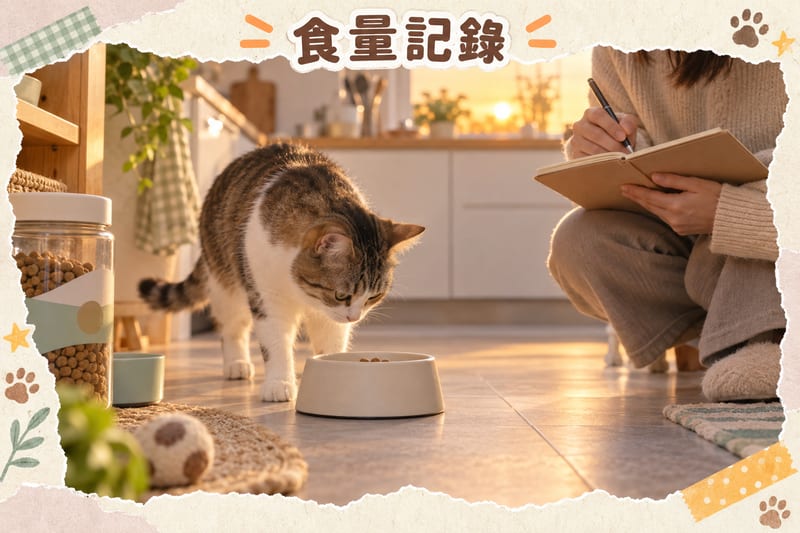
In practice, keep a small record for 3 days: daily intake (grams or cans), stool condition, any vomiting, energy and interaction. After three days, most people can already see whether it's 'suddenly not eating' (more physiological) or 'always fussy' (more behavioural and habitual). If it's sudden refusal, especially with poor energy, vomiting or weight loss, don't try new food — go straight to a vet.
Three Pillars of Palatability: Aroma, Temperature, Texture
Palatability isn't mysticism; it can be broken into three adjustable variables.
Pillar one: aroma. Aroma sources fall roughly into four categories — meat broth, hydrolysed protein, yeast extract, animal fat. If the label mentions 'broth', 'hydrolysed' or 'yeast', aroma performance is usually stronger. Note that aroma is lost over time and with temperature, so storage after opening directly affects the success of the 'first bite'. For storage details after opening, see the cat food transition guide.
Pillar two: temperature. The most practical trick is slight warming. Bringing food back to about 30-35°C (lukewarm to the touch, not hot) noticeably releases volatile aromas. For dry food, mix in 1-2 tablespoons of warm water; for canned food and pâté pouches, stand in warm water for 2-3 minutes. Never heat in a microwave on high: localised overheating can burn the cat and damages texture and aroma. Also don't leave food with added water more than 30 minutes before serving.
Pillar three: texture. The same protein — mousse, pâté, soup pouch, minced, kibble size — can have completely different acceptance. Cats with poor teeth prefer pâté and mousse; cats that love lapping respond well to soup pouches; some cats actually need the crunch of whole kibble. When changing texture, also use a gradual approach — don't switch entirely in one day.

Above all, change only one thing at a time. If you switch brand and texture together, even if the cat eats, you won't know which change worked, and next time there's a problem you'll have to start over.
Transition in Practice: The 10% Gradual Method (Picky Cat Variation)
For picky cats, transition can't be rushed. The basic principle is to replace only 10% of the old food with new food at a time; if stool is normal the next day, add another 5-10% daily until fully replaced. Below is a 10-day reference ratio table:
| Day | Old food | New food | What to watch |
|---|---|---|---|
| Days 1-2 | 90% | 10% | Does it push the new food aside or eat it |
| Days 3-4 | 80% | 20% | Has stool become softer |
| Day 5 | 70% | 30% | Has intake dropped more than 10% |
| Day 6 | 60% | 40% | Has it started picking out one type |
| Day 7 | 50% | 50% | This is the most likely day to fail |
| Day 8 | 35% | 65% | Confirm stool and energy normal |
| Day 9 | 20% | 80% | Old food almost phased out |
| Day 10 | 0% | 100% | Maintain for at least 4 weeks once stable |
Several variations for picky cats:
- Keep 30% old food as a 'safe zone'. Don't clear away the old food smell early on; familiar smell lowers the cat's guard.
- If stuck, step back — don't push. Going back from 50% to 30% and holding for 3-5 days before advancing is better than forcing it daily.
- Don't change meal count at the same time. Do transition and meal-count changes separately, 2 weeks apart; otherwise when problems arise you won't know the cause.
- Mix by calories, not volume. Dry and canned food differ several-fold in calorie density; the same 50g is completely different in calories, and a miscalculated ratio will make total intake drift.
- Don't wait until the old food is almost gone to buy new food. Running out and being forced into a sudden switch is the scenario most likely to go wrong with picky cats.
If soft stool appears during transition, stop adding new food, wait for stool to firm up, then check whether treats are the culprit — many 'transition reactions' are actually caused by treats. If diarrhoea, vomiting or complete refusal lasts more than 24 hours, hand it to a vet; don't rely on probiotics to tough it out.
10 Ways to Boost Palatability (Can Do Today)
- Warm food slightly to about 30-35°C to bring the aroma back.
- Add 1-2 tablespoons of warm water to dry food, also boosting water intake.
- Mix in meat broth or a soup pouch to coat an unappealing staple in aroma.
- Switch to a wide, shallow bowl: whiskers touching the sides make some cats reluctant to eat; a shallow wide bowl can help.
- Feed at set times for 15-20 minutes, remove what isn't finished, build routine.
- Keep treats within 10% of calories; don't top up with treats out of pity.
- Put the bowl in a quiet corner, away from foot traffic, the washing machine and the litter box.
- Feed separately in multi-cat households, using different rooms or times to avoid food competition and to monitor intake.
- Same protein, different texture: dry → mousse → pâté → soup pouch, trying one step at a time with gradual transition.
- Weigh daily or weekly to ensure 'eating less' isn't 'getting thinner'.
Of these 10, numbers 1, 2, 5 and 6 are the cheapest and fastest to show results. Many owners find after trying them that the problem wasn't the food itself, but that the food in the bowl had been sitting too long, was too cold, or had lost its smell.
Options Available in Hong Kong and Price Comparison
Price doesn't equal palatability, but small trial packs are the most practical way to control risk. Below are common options and reference prices in Hong Kong:
| Type | Example | Reference price | Suitable for |
|---|---|---|---|
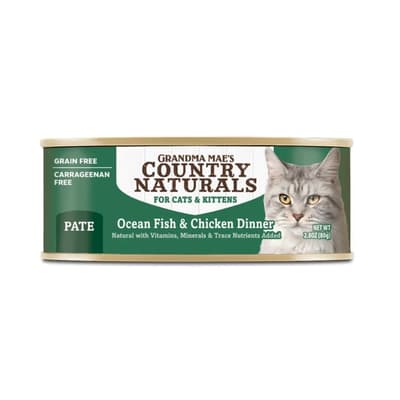
| Grain-free pâté can (80g) | Country Naturals Cat Can Grain-Free Pâté Series Ocean Fish & Free-Range Chicken 80g | HK$13/can | Trying texture at lowest cost |
| Mousse can (75g) | AIME Kitchen Cat Can Grain-Free Mousse Nutritional Cat Can Tuna & Quail Egg Mousse 75g | HK$14/can | Poor teeth, preference for soft texture |
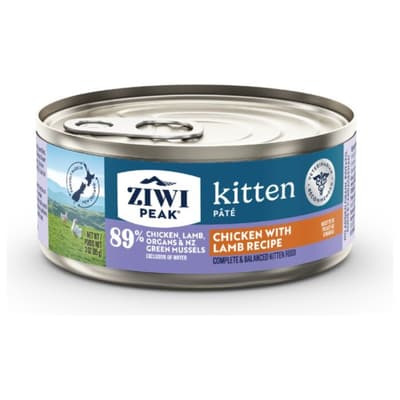
| Air-dried high-meat recipe (85g) | ZiwiPeak Cat Can Chicken & Lamb Kitten Recipe 85g | HK$34/can | Needs a highly aromatic concentrated recipe |
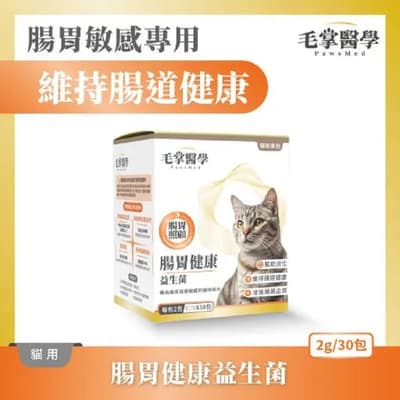
| Digestive probiotics (2g x 30 sachets) | Vetmed Medical Cat Digestive Health Probiotics 2g x 30 sachets | HK$141/box | Support during transition, not an appetite stimulant |
Prices and stock are subject to the online store's live pricing. Note that the per-kg price of single cans is higher than large bags — but for a picky cat, spending HK$13-34 on one can to try is certainly cheaper than buying a large bag that ends up untouched. To compare dry food per-kg price and daily cost, see the comparison tables in the cat food recommendation guide and the cat wet food guide.
How to Evaluate Brand Cat Food? Answering 'Is Brand X Attractive to Picky Cats?'
People often ask: 'Is Petline cat food attractive to picky cats?' The premise of this question needs correcting: palatability is not a uniform brand attribute, but the result of a 'this cat × this recipe' match. Within the same brand, dry food, mousse cans and soup pouches can have very different acceptance; the same recipe may be completely refused by another cat. So there is no universal answer.
To judge for yourself, look at four things:
- First three ingredients: meat or meat by-products listed high usually means stronger aroma sources.
- Protein-to-fat ratio: fat carries aroma; low-fat recipes usually smell blander.
- Aroma source labelling: words like meat broth, hydrolysed protein, yeast extract indicate the manufacturer has designed for aroma.
- Texture and kibble size: pâté, mousse and soup pouches are usually friendlier for poor teeth or senior cats.
The most practical verification is a small-pack trial: buy 1-2 small packs (about 80-100g or a single can at HK$6-20), do a 3-5 day trial, record daily actual intake, whether food is pushed aside, and stool condition. Only if it eats cleanly for three days is it worth buying a large bag. This method works for any brand; you don't need others' reviews to decide.
To be clear: this article only provides a method of judgement, does not represent any brand's official position, and does not constitute any agency, genuine-product or authorisation statement; any brand's product information, prices and stock are subject to official labelling and the online store's live pricing. To learn how to distinguish pet food labelling and authenticity information, see the pet food labels English terms guide.
When to See a Vet (Situations You Can't Wait On)
Picky eating and 'too ill to eat' are two different things. If any of the following occurs, hand it to a vet — don't try to solve it by switching food:
- Complete refusal for more than 24-48 hours (prolonged fasting in cats risks fatty liver).
- Refusal accompanied by vomiting, diarrhoea, poor energy, hiding and ignoring people.
- Drooling, chewing on one side, obvious bad breath, or pain when touching the face.
- Large increases in water intake and urine output, or a marked decrease in urine output.
- Increased appetite but continued weight loss.
- Noticeable weight loss in a short time, or sudden deterioration of coat.
All the above should be managed per veterinary instructions; don't adjust medication yourself, don't use appetite stimulants yourself, and don't ignore potential causes just because 'it's eating'. If the vet prescribes a prescription diet, the transition method and pace should also follow veterinary instructions, as the transition rhythm for prescription diets may differ from general transitions.

Further Reading
- Cat Food Transition Guide: 10% Gradual Method and Managing Soft Stool
- Senior Cat Poor Appetite: 8 Causes to Check and Practical Tips to Boost Appetite
- Cat Tongue and Taste Trivia: Why Cats Choose Food by Smell
- Cat Food Recommendation Guide: Hong Kong Prices and Daily Cost Comparison
In an emergency, contact a vet immediately; this article is for reference only and cannot replace veterinary diagnosis.
Data checked as of 2026-10-12 · Source: PetChill editorial team
 ZiwiPeak full guide →
 K9 Natural full guide →
 Feline Natural full guide →