
AI summary
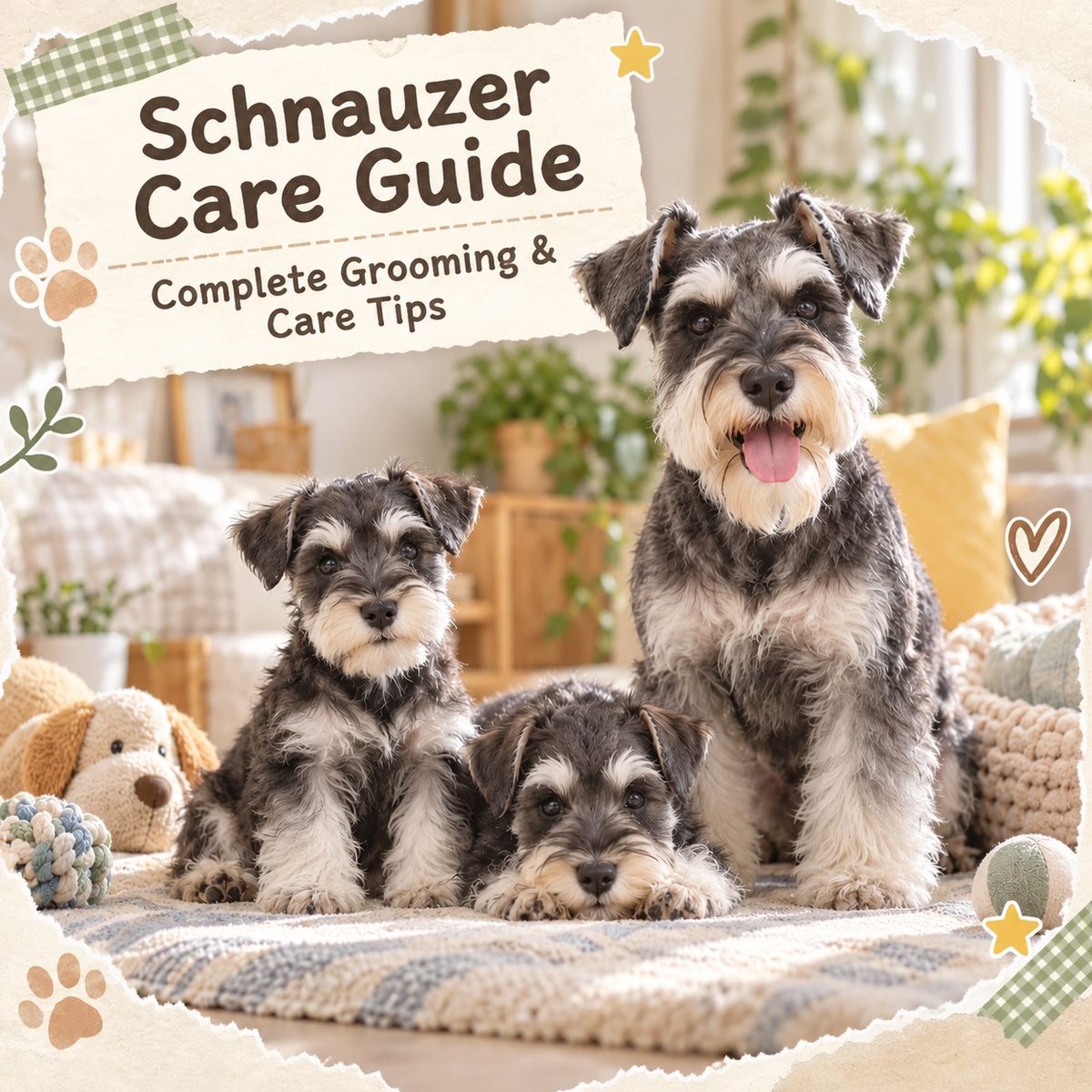
The Schnauzer is a German native breed, known as the "whisker dog", with three sizes: Miniature, Standard and Giant. Schnauzers are smart, loyal and a little stubborn, a classic working dog. In Hong Kong, note that Schnauzers need regular grooming (the beard must be trimmed), are prone to skin problems in Hong Kong's humid weather, and need exercise (even Miniatures are active). Schnauzers live 12–15 years and cost about HKD 10,000–25,000 in Hong Kong.
• Three sizes: Miniature, Standard and Giant
• Smart, loyal and a little stubborn, a working dog
• Lifespan 12–15 years; Hong Kong price HKD 10,000–25,000
Quick answer: Registered breeders about HK$15,000–25,000, licensed pet shops about HK$10,000–18,000, adoption HK$0–2,000; Miniatures are most common, with monthly costs of about HK$1,000–2,000.
The Schnauzer is a German native "whisker dog" in Miniature, Standard and Giant sizes. Smart, loyal and a little stubborn, it is a classic working dog. In Hong Kong, note regular grooming (beard trimmed every 6–8 weeks), skin care in humid weather and 30–60 minutes of daily exercise; lifespan is 12–15 years.
Contents
-
Schnauzer breed background
-
Schnauzer temperament
-
Common health problems
-
What to note when keeping a Schnauzer in Hong Kong
-
Ownership costs and price quick-reference table
-
Training essentials
-
Grooming and care
-
FAQ
Schnauzer price quick-reference: route × purchase price × monthly cost
Hong Kong owners most often search for "Miniature Schnauzer price". Below is an at-a-glance view of the three sizes and the adoption route; details and full ranges are in the later "Schnauzer price and monthly costs" section.
| Route | Purchase price (Hong Kong 2026) | Monthly cost | Notes |
|---|---|---|---|
| Registered breeder (Miniature) | HK$15,000–25,000 | About HK$1,000–2,000 | Includes pedigree certificate, parents' eye and heart screening records |
| Licensed pet shop (Miniature) | HK$10,000–18,000 | About HK$1,000–2,000 | Miniatures most common; pedigree records less transparent |
| Standard/Giant Schnauzer | Scarce supply, generally 20–30% more | Food and grooming rise with weight | Miniature 4–8 kg / Standard 14–20 kg / Giant 25–48 kg |
| Adoption (mostly adults) | HK$0–2,000 | About HK$1,000–2,000 | Most already neutered and vaccinated; process about 1–4 weeks |
In one line: the purchase price is one-off; monthly costs are the lifetime cost. Grooming every 6–8 weeks is HK$500–800, plus food and a medical reserve; a Miniature Schnauzer on a standard regimen costs about HK$1,400/month.
What kind of dog is a Schnauzer? 30-second summary
The Schnauzer is a German native breed; "Schnauzer" means "whisker" in German, referring to its signature beard and bushy eyebrows. From 15th-century farm ratting dogs it developed into today's working-dog family of Miniature, Standard and Giant sizes; Miniatures are the most common in Hong Kong homes. The table below covers the specs Hong Kong owners most often check:
| Item | Schnauzer (Miniature as example) |
|---|---|
| Origin | Germany (Bavaria, Württemberg region) |
| Average lifespan | 12–15 years |
| Weight | Miniature 4–8 kg / Standard 14–20 kg / Giant 25–48 kg |
| Shoulder height | Miniature 30–36 cm / Standard 44–50 cm / Giant 60–70 cm |
| Coat | Wiry double coat; almost non-shedding but needs regular trimming |
| Temperament | Smart, loyal, alert, opinionated, prone to barking |
| Hong Kong price | About HK$10,000–25,000 (Miniature most common) |
| Basic monthly cost | About HK$1,000–2,000 (Miniature, including grooming) |
Three basics you must know:
- Non-shedding does not mean low-maintenance — the wiry coat does not fall out naturally, so trim every 6–8 weeks; otherwise it mats and traps moisture, causing skin disease.
- Hong Kong humidity is the biggest challenge — drop ears plus a dense undercoat make ear infections and skin disease the main source of vet bills.
- Barking is a working instinct — high alertness means "quiet" training from day one in a flat, not after the neighbours complain.
Schnauzer price and monthly costs (2026 Hong Kong)
This section differs from "ownership costs" above by separating purchase cost from fixed monthly spending, so you can total everything at once and decide your budget approach.
| Item | Range | Notes |
|---|---|---|
| Registered breeder | HK$15,000–25,000 | Includes pedigree certificate, parents' eye and heart screening records |
| Licensed pet shop | HK$10,000–18,000 | Miniatures most common; pedigree records less transparent |
| Adoption | HK$0–2,000 | Most already neutered and vaccinated; mostly adults |
| Vaccines (three puppy shots) | HK$900–1,500 | Then one booster yearly |
| Neutering | HK$2,500–6,000 | Cheaper for Miniatures; anaesthesia costs much more for Standard and Giant |
| Monthly food | HK$400–800 | Avoid high-fat treats; Schnauzers have higher pancreatitis risk |
| Monthly grooming (share) | HK$500–800 | Trim every 6–8 weeks; beard needs combing strand by strand |
| Monthly deworming (share) | HK$80–150 | Internal and external |
| Medical reserve (recommended) | HK$300–600 | Skin, ear and pancreatic problems are common |
| Monthly total | About HK$1,000–2,000 | Excludes major medical costs |
Three budget approaches: budget about HK$800/month, grooming at home to save money, but an untrimmed wiry coat still mats; standard about HK$1,400/month, professional grooming every 6–8 weeks; secure about HK$2,000/month, plus pet insurance for sudden skin and pancreatic costs (one pancreatitis treatment costs HK$2,000–10,000).
Who is a Schnauzer suitable for?
| Owner type | Suitability | Reason |
|---|---|---|
| Lives in a flat, can commit to regular grooming | Very suitable | Miniature weighs 4–8 kg, low space needs |
| Enjoys training, has dog experience | Suitable | Smart and learns fast but opinionated; positive training works best |
| Sensitive to hair but wants a dog | Suitable | Wiry coat barely sheds; less loose hair than other breeds |
| Complete beginner, no time | Not recommended | Stubbornness plus barking becomes a neighbour problem without training |
| Wants quiet, no barking | Not recommended | High alertness is breed-standard; it can be managed, not removed |
Reverse self-check (three questions):
- Can you accept spending HK$500–800 on grooming every 6–8 weeks?
- Can you spare 30–60 minutes daily for walks plus 5–10 minutes for combing?
- Can you accept that it will bark at strangers and are you willing to keep up quiet training?
If you cannot answer "yes" to two of the three, consider other breeds first; the Schnauzer is not a decorative dog that looks good with no effort.
Schnauzer vs other small breeds
| Breed | Weight | Shedding | Basic monthly cost | Beginner-friendly |
|---|---|---|---|---|
| Schnauzer (Miniature) | 4–8 kg | Very low (needs trimming) | HK$1,000–2,000 | With patience |
| Poodle (Toy) | 2–4 kg | Very low (needs trimming) | HK$900–1,800 | Yes |
| Chihuahua | 1.5–3 kg | Low | HK$700–1,400 | Depends on individual |
| Pomeranian | 1.8–3.5 kg | Medium-high | HK$800–1,600 | With patience |
| Dachshund | 3–5 kg | Medium | HK$800–1,500 | Yes (mind the spine) |
In one line: for non-shedding plus a working-dog character, choose a Schnauzer; for easy training and easy company, choose a Poodle. Grooming costs are similar; the difference is barking and stubbornness.
Four common Schnauzer misconceptions
| Misconception | Reality |
|---|---|
| Schnauzers don't shed, so zero grooming | The wiry coat does not fall out naturally; without trimming every 6–8 weeks it mats, traps oil and causes skin disease |
| A Miniature is a small version with low exercise needs | Miniatures are still active working dogs needing 30–60 minutes daily, or they bark and destroy things |
| Skin disease is unique to Hong Kong weather | Humidity is a trigger, but allergies, ear structure and diet are also major causes; rely on cleaning, combing and vet diagnosis |
| The beard is just looks; clipping it short has no effect | The beard traps food residue and saliva and must be cleaned daily; clipping saves care but changes appearance |
Schnauzer health check schedule: what to test and when
The three things to watch most in Schnauzers are skin (allergy/eczema), pancreas and eye disease (cataracts). Below is the schedule with Hong Kong fee ranges for budgeting:
| Age | Recommended items | Approximate cost |
|---|---|---|
| 2–4 months | Three puppy vaccines + deworming | HK$900–1,500 |
| 6 months | Pre-neutering blood test + neutering | HK$2,800–6,000 |
| 1 year | Annual check-up + vaccine booster + skin check | HK$500–900 |
| 2–6 years | Annual check-up; from 3 years add dental scaling assessment and blood lipid test | HK$700–1,500 |
| 7 years and over | Every six months: blood test, pancreatic markers, eye check | HK$1,200–2,200 per visit |
Three daily observations (free but daily):
- Scratching and hair loss: scratching more than 3–4 times a day, red skin or odour are early signs of allergy or eczema, especially in Hong Kong's humid spring.
- Appetite and vomiting: sudden refusal to eat, abdominal pain or yellow vomit should prompt immediate checks for pancreatitis; one treatment costs HK$2,000–10,000.
- Eyes: cloudy eyes, bumping into furniture or reluctance to walk in dim light may be cataracts or glaucoma; eye surgery can start at HK$10,000.
Dental scaling with anaesthesia in Hong Kong costs about HK$1,800–4,000. With drop ears and a wiry coat, good daily ear and skin cleaning can save most vet costs.
Adopt or buy a Schnauzer? The actual Hong Kong process
Adoption routes: SPCA, Agriculture, Fisheries and Conservation Department partner organisations and dog volunteer groups. The process is generally form → home visit → trial period → formal adoption, taking 1–4 weeks; the adoption fee is about HK$0–2,000, most are already neutered and vaccinated, and lifetime cost is lowest. Schnauzers are not a common adoption breed, but adults occasionally appear with settled temperaments, which suits owners who do not want to handle puppy stubbornness.
Purchase routes: registered breeders first (with parents' health screening records and traceable pedigree), HK$15,000–25,000; licensed pet shops next, about HK$10,000–18,000. Note three things: ① ask to see the parents' eye (cataract) and heart screening documents; ② check the dog's alertness, ear odour and skin rashes on site; ③ before signing, ask clearly about the number of vaccine shots, deworming records and tail-docking arrangements.
First thing to do on either route: find a vet familiar with small breeds in advance, register a medical record and ask about dental scaling and dermatology fees. The first meeting should not wait until something goes wrong.
Four questions to ask before buying (do not pay a deposit if they cannot answer):
- Do the parents have eye and knee joint screening reports?
- How many vaccine shots have been given, and when was the last one?
- Was tail docking done, where, and how?
- Is there a health guarantee period? What happens if a genetic disease is found within it?
The practical advantage of adopting an adult in Hong Kong: you get to see its "everyday version" first — barking level, reaction to strangers and willingness to be combed are all visible, so you are not gambling on a puppy's adult temperament. Buying a puppy, by contrast, means preparing for the stubborn phase from 6–18 months.
Three documents to check before buying (query any missing item):
- Pedigree certificate (registration certificate): check the registered name, date of birth and breeder details.
- Parents' health screening: eye (cataract) and heart reports; reputable breeders provide them proactively.
- Vaccination record book: number of shots, dates and vet clinic stamp; also confirm how long ago the last shot was.
Cost comparison of the two routes (Miniature Schnauzer, 12–15 year lifespan): adoption has an initial cost of about HK$0–2,000; buying a puppy adds HK$10,000–25,000, plus about HK$3,000–6,000 in the first year for vaccines, neutering and initial grooming. The difference between buying and adopting is mainly "initial cost", not "lifetime cost" — lifetime cost is set by daily food, grooming every 6–8 weeks and the medical reserve.
Schnauzer breed background
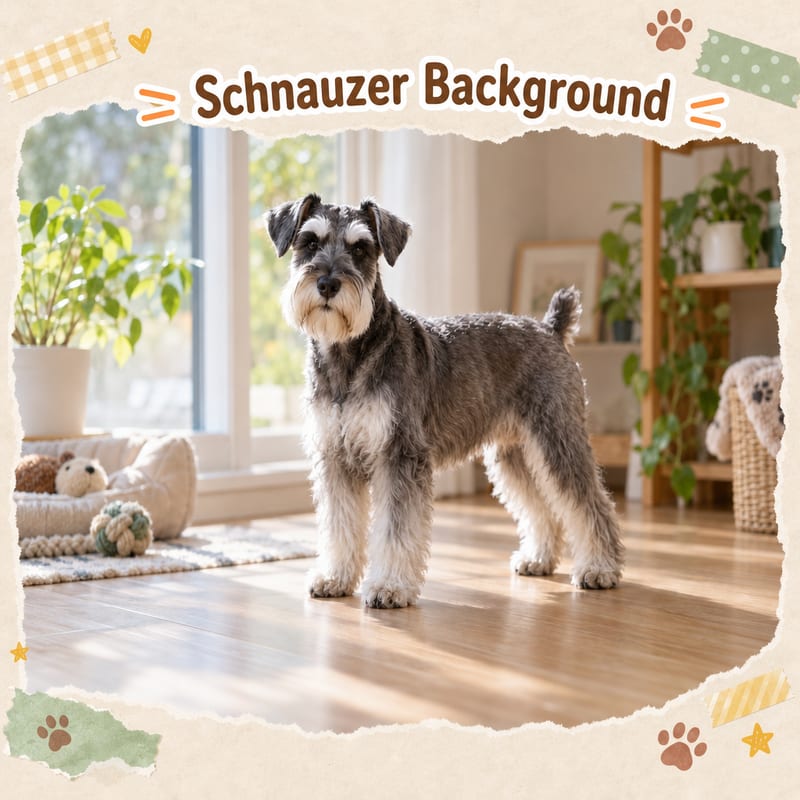
The Schnauzer is a German native breed, known as the "whisker dog", with three sizes.
Breed history:
- Origin: Germany — used for ratting and guarding farms
- History: 15th century — one of Germany's oldest breeds
- Name: "Schnauzer" means "whisker" in German
- Known for: three sizes — Miniature, Standard and Giant
Three sizes compared:
| Feature | Miniature Schnauzer | Standard Schnauzer | Giant Schnauzer |
|---|---|---|---|
| Shoulder height | 30–36 cm | 44–50 cm | 60–70 cm |
| Weight | 4–8 kg | 14–20 kg | 25–48 kg |
| Temperament | Active, alert | Gentle, loyal | Calm, protective |
| Suits | Hong Kong flats | Families with gardens | Experienced owners |
The Miniature Schnauzer is the common one in Hong Kong — small and suited to Hong Kong flats.
Breed traits:
| Trait | Description |
|---|---|
| Size | Three sizes — Miniature/Standard/Giant |
| Colour | Salt-and-pepper, black, black-and-silver |
| Coat | Wiry double coat — needs regular trimming |
| Lifespan | 12–15 years |
| Temperament | Smart, loyal, a little stubborn |
Schnauzer temperament
The Schnauzer's character is that of a working dog — smart, loyal and a little stubborn.
Temperament traits:
| Trait | Description | Effect |
|---|---|---|
| Smart | High intelligence — learns quickly | Easy to train, suits working roles |
| Loyal | Loyal to its owner — will protect them | A good companion dog |
| Stubborn | A little stubborn — will not obey easily | Training needs patience |
| Alert | Highly alert — barks to warn | Needs socialisation training |
| Active | Needs exercise — even Miniatures are active | Suits owners with time |
The Schnauzer's working-dog traits:
- Ratting instinct — Schnauzers are ratting dogs and chase small animals
- High alertness — Schnauzers bark to warn
- Has its own ideas — Schnauzers do not obey blindly
- Likes to work — Schnauzers need a "job" to feel satisfied
Who it suits:
- Experienced owners — Schnauzers are a little stubborn
- People with time — Schnauzers need exercise and company
- People who enjoy training — Schnauzers are smart and learn quickly
Who it does not suit:
- Beginner owners — Schnauzers are a little stubborn
- People with no time — Schnauzers need exercise and company
- People who want a quiet dog — Schnauzers bark to warn
Common Schnauzer health problems
Common health problems in Schnauzers:
| Condition | Symptoms | Treatment | Prevention |
|---|---|---|---|
| Skin disease (allergy/eczema) | Itching + hair loss + red, swollen skin | Medication + special shampoo | Keep clean + avoid allergens |
| Pancreatitis | Vomiting + abdominal pain + poor appetite | Medication + special diet | Avoid high-fat food |
| Eye disease (cataract/glaucoma) | Red eyes + discharge + vision loss | Medication + surgery | Regular checks |
| Diabetes | Excessive drinking and urination + weight loss + fatigue | Insulin + special diet | Weight control + healthy diet |
| Hip dysplasia | Unsteady walking + reluctance to jump | Medication + physiotherapy + surgery | Choose healthy breeding stock + weight control |
Skin disease risk in Schnauzers:
- Hong Kong's humid weather — Schnauzers are prone to skin disease
- Note: keep clean + comb regularly + avoid allergens
- Symptoms: itching + hair loss + red, swollen skin
Hong Kong vet fee reference:
- Skin disease treatment: HKD 500–2,000 per visit
- Pancreatitis treatment: HKD 2,000–10,000
- Eye surgery: HKD 10,000–30,000
- Diabetes medication: HKD 500–1,000 per month
What to note when keeping a Schnauzer in Hong Kong
Hong Kong's environment poses some challenges for Schnauzers:
Challenge 1: Hong Kong's humid weather
- Hong Kong's humid weather — Schnauzers are prone to skin disease
- Note: keep clean + comb regularly + avoid allergens
Challenge 2: Schnauzers need regular grooming
- The Schnauzer's beard must be trimmed regularly — every 6–8 weeks
- Note: find a professional groomer + trim regularly
Challenge 3: Schnauzers need exercise
- Even Miniatures are active — they need exercise
- Note: at least 30 minutes to 1 hour of exercise daily
Advice for keeping a Schnauzer in Hong Kong:
- Choose healthy breeding stock — check the parents' health screening reports
- Buy pet insurance — Hong Kong vet fees are high
- Regular checks — take your Schnauzer to the vet every year
- Regular grooming — trim the beard every 6–8 weeks
- Provide enough exercise — at least 30 minutes to 1 hour daily
Schnauzer ownership costs
Costs of keeping a Schnauzer in Hong Kong:
| Item | Cost (HKD) | Notes |
|---|---|---|
| Buying a Schnauzer | 10,000–25,000 | Depends on size + pedigree + health checks |
| First check-up + vaccines | 1,000–2,000 | Includes vet check + vaccines |
| Monthly dog food | 400–800 | Depends on size + appetite |
| Monthly grooming | 500–800 | Schnauzers need regular grooming |
| Annual vet check | 1,000–2,000 | Includes vaccines + health check |
| Pet insurance | 2,000–5,000 per year | Depends on cover |
| Sudden medical costs | 5,000–30,000+ | Depends on the condition |
Totals:
- First year: about HKD 15,000–30,000
- Each year after: about HKD 8,000–15,000
Money-saving tips:
- Choose healthy breeding stock — avoid genetic disease
- Buy pet insurance — avoid sudden medical costs
- Regular checks — prevention beats treatment
- Comb at home — save on grooming fees
Schnauzer training essentials
The key to training a Schnauzer: positive training + socialisation
Training essentials:
| Point | Method | Notes |
|---|---|---|
| Positive training | Use treats + praise — never physical punishment | Schnauzers respond well to positive training |
| Socialisation | Start young — expose to different people/dogs/environments | Schnauzers need socialisation |
| Basic cues | Sit/down/stop/come — start with the basics | Schnauzers learn quickly |
| Recall training | Train in a safe area — Schnauzers suit off-leash work | Recall training is very important for Schnauzers |
| Ratting instinct | Schnauzers chase small animals — teach a "no" cue | The ratting instinct must be managed |
Common training problems with Schnauzers:
- Barking: Schnauzers are highly alert and bark to warn. Solution: socialisation training + teach a "quiet" cue
- Stubbornness: Schnauzers are a little stubborn and will not obey easily. Solution: patience + positive training
- Chasing small animals: the ratting instinct makes them chase small animals. Solution: teach a "no" cue + provide toys to redirect attention
Benefits of positive training:
- Builds trust — your Schnauzer will trust you more
- Avoids fear — physical punishment makes Schnauzers fearful
- More effective — Schnauzers respond better to positive training
Schnauzer grooming and care
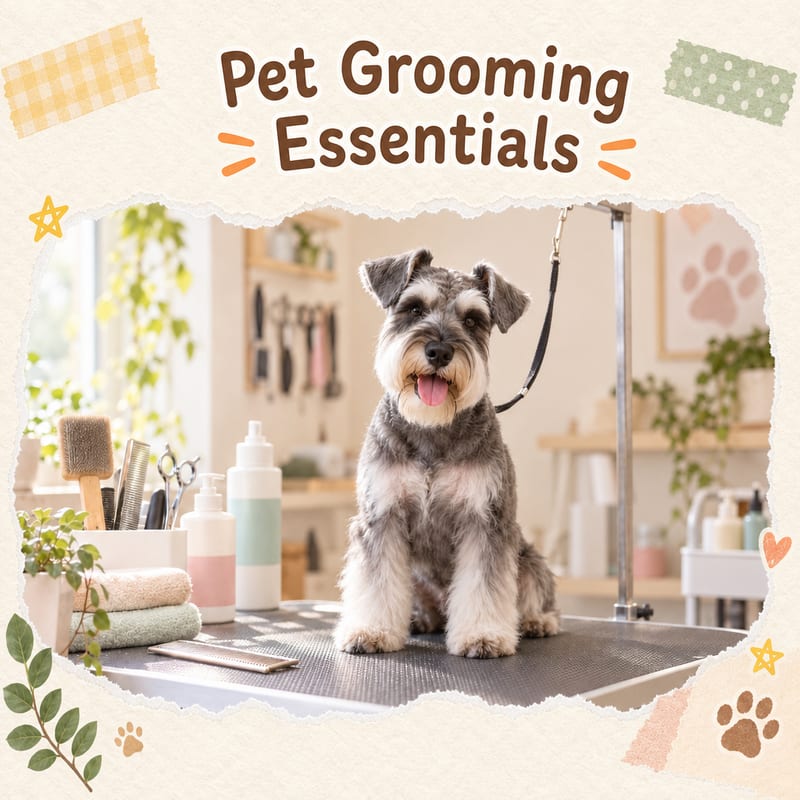
Schnauzers need regular grooming — they have a wiry double coat that needs regular trimming.
Grooming essentials:
| Item | Frequency | Method | Notes |
|---|---|---|---|
| Combing | 5–10 minutes daily | Pin brush + comb | Schnauzers have a double coat — comb regularly |
| Trimming | Every 6–8 weeks | Professional groomer | The beard must be trimmed regularly |
| Bathing | 1–2 times a month | Dog shampoo | Do not use human shampoo |
| Nail clipping | Once a month | Dog nail clippers | Do not cut the quick |
| Ear cleaning | Once a week | Dog ear cleaner | Drop ears — prone to trapped moisture |
| Brushing teeth | 2–3 times a week | Dog toothpaste | Prevents tartar |
How Hong Kong weather affects Schnauzers:
- Hong Kong summers are hot — Schnauzers dislike heat. Note: avoid midday walks + provide plenty of water + use air-conditioning
- Hong Kong's humid weather — Schnauzers are prone to skin disease. Note: keep clean + comb regularly + avoid allergens
This article is for reference only and cannot replace a vet's diagnosis. If in doubt, consult a registered veterinarian.
Further reading
- All articles index
- PetChill pet supplies
- Temperament, shedding, training and genetic disease →
- Temperament, price, care, Hong Kong adoption →
- Skin care, temperament, Hong Kong ownership →
- 12 cat breeds: temperament and price comparison →
- Common diseases, preventive care, vet information →
- Complete dog bathing guide →
- Which dog food is best? →
- Complete dog skin care guide →
- Freeze-dried dog food guide →
📌 Key points
- ✅ Miniature Schnauzers best suit Hong Kong flats
- ✅ Daily combing + beard trim every 6–8 weeks prevents matting
- ✅ Positive training is the only way to handle their stubbornness
- ❌ Not keeping them dry in humid weather leads to skin disease
- ❌ Underestimating exercise — even Miniatures are active working dogs
- ❌ No pet insurance means medical bills can reach tens of thousands



