PetChill Pet Encyclopedia
Dogs

Which Dog Food Is Best? Hong Kong's 5-Step Picking Guide, Label Decoding & Switching Tips

There's no "best" dog food, only the food that's "best for your dog": first check protein ≥22% and that the first five ingredients are named meats, then adjust for age, health, budget, and your dog's actual response, and finally switch using a 7-10 day transition.

Published: 2026-09-03·7 min read·Author: PetChill Editorial
Which Dog Food Is Best? Hong Kong's 5-Step Picking Guide, Label Decoding & Switching Tips — PetChill

Quick answer: There's no "best" dog food, only the food that's "best for your dog": first check protein ≥22% and that the first five ingredients are named meats, then adjust for age, health, budget, and your dog's actual response, and finally switch using a 7-10 day transition.

"Which dog food is best?" has no standard answer—there's no "best" dog food, only the food that's "most suitable for your dog". The method is to screen using three hard indicators (protein content, first five ingredients, age requirements), then fine-tune based on budget and your dog's response. This article gives you a 5-step picking method, a column-by-column guide to packaging labels, and the correct food-switching procedure—learn and use immediately.

The 5-Step Picking Method: Don't Skip a Step

Step 1: Calculate protein. Adult dogs ≥22% (ideally 26%+), puppies ≥28%, high-activity working dogs ≥30%. For fat, aim for the 15-25% range.

Step 2: Check the first 5 ingredients. Should be named meats like chicken, beef, salmon, lamb; avoid corn, wheat, soy, vague "meat by-products", and artificial colours near the top.

Step 3: Match age and health condition.

  • Puppies: high protein and fat, small kibble
  • Adult dogs: maintain weight, joint health
  • Senior dogs: easy to digest, low phosphorus, contains joint support ingredients
  • Allergic dogs: single protein source (venison, duck), confirmed with veterinary help

Step 4: Adjust budget. Monthly spending determines which shelf range is yours (see budget table below).

Step 5: Observe your dog's response. Stools, coat, and weight—these three indicators tell you if it's right. The earlier screening is just an entry ticket; your dog's body is the final judge.

Key mindset: Don't look at advertising claims, look at the back of the ingredient list. "Contains chicken" on the packaging doesn't mean chicken is the first ingredient.

dog-food-which-best knowledge card 1

Decoding Packaging Labels Column by Column: Ad Claims vs Ingredient List

What you see What it really means
"Contains chicken" May be only a tiny amount; check the ingredient list ranking
First ingredient is meat Meat is the main ingredient—a good sign
"Meat and animal by-products" Unclear source, quality hard to judge
"Grain Free" Not equal to low-calorie or better; look at the overall formula
"Natural" No unified hard standard; still check each ingredient

Ingredients are listed in descending order by weight—the earlier, the more there is. Also look for "Complete & Balanced"—only then can it be a main diet; without it, it may only be a mixer or treat.

How to Choose on a Limited Budget?

Monthly budget Strategy
$100-200 In the budget line, choose options where the first ingredient is meat; avoid large amounts of corn and wheat
$250-400 The mid-price range offers the best value; look at Canagan, ACANA, etc.
$400+ High-protein line (Orijen, ZiwiPeak); watch for excess calories

Expensive doesn't mean suitable: high-protein food can easily lead to obesity in low-activity indoor dogs; a mid-price food with appropriate portions is more practical. Large dogs eat more, so the same food can cost two or three times as much—calculate your budget by weight.

Fresh Food, Treats and Supplements: Which Are Necessary?

  • Wet food/canned: Adds moisture, improves palatability; useful during recovery from illness and for picky eaters; refrigerate after opening and use within one day
  • Treats: Valuable as training tools, but count towards the daily 10% calorie limit; choose simple-ingredient jerky, avoid lots of sugar and colourings
  • Bones/dental chews: Watch for splintering risk; large hard bones can break teeth—supervise when eating
  • Supplements (glucosamine, fish oil, etc.): Healthy dogs eating a "complete and balanced" main diet don't need extra; for joint or skin issues, ask your veterinarian first

In one sentence: dry food is the main act, everything else is supporting—no matter how good the supporting role, don't let it steal the show.

Common Dog Food Questions Answered

Q: Is there a big difference between cheap and expensive dog food? A: Yes. Expensive foods have higher protein, better meat sources, and fewer fillers. But the most expensive isn't always best—check if the ingredient list is "worth it". Some mid-price foods (Canagan, ACANA) offer great value.

Q: Should I switch dog food often? A: No. Dogs have sensitive stomachs, so switch gradually (7-10 day transition). If your dog eats well, has a shiny coat, and normal stools, no need to switch.

Q: Can dogs eat only dry food? A: Yes, but dry food is low in moisture (about 10%), so your dog needs to drink enough water. We recommend dry food as the main diet plus wet food as a supplement to ensure adequate water intake.

Q: Is grain-free dog food always better? A: Dogs are omnivores and don't need to be completely grain-free. But low-quality grains (corn, wheat) in large amounts as fillers are not good. Look at the ingredient list, don't just chase the "grain-free" label.

Q: Will feeding the same food all the time cause nutritional imbalance? A: As long as it's a main diet labelled "complete and balanced", long-term feeding of one food won't cause nutrient deficiencies. For more variety, you can rotate different protein sources under the same nutritional standard without blindly switching brands.

Correct Food-Switching Procedure: 7-10 Day Transition

Switching food isn't a big deal, but switching too fast definitely causes problems (vomiting and soft stools are most common). Gradually increase the new food ratio day by day:

Day Old food : New food
Days 1-2 3 : 1
Days 3-4 1 : 1
Days 5-7 1 : 3
Days 8-10 All new food

Monitor stools during this period: if soft stools appear, go back to the previous ratio, stabilise for two days, then continue. For sensitive dogs, stretch the whole process to 10-14 days.

Advanced: How to Read the expected Analysis?

Besides the ingredient list, there's a "expected Analysis" column on the back of the packaging. Key points to check:

Column How to read
Crude protein Adult ≥22%, puppy ≥28%
Crude fat 15-25% is the common range
Crude fibre Too high (>6%) may mean lots of fillers
Moisture About 10% for dry food is normal
Calcium-phosphorus ratio Puppy food about 1.1:1-1.5:1
Metabolizable energy kcal/kg, used to calculate feeding amount

Two traps to note: "minimum/maximum" is not the actual value—crude protein ≥25% only means not less than 25%, not that it's around 25%; and don't directly compare percentages between dry food and canned food—canned food is 75% moisture, so convert to a dry matter basis for a fair comparison. Simple approach: when comparing different forms of food, only compare products suitable for the same life stage, or just look at metabolizable energy and feeding guidelines.

Dog Food Storage: After Opening Is Key

Even if you buy the right food, poor storage wastes it:

  • Finish opened dry food within 4-6 weeks; fat oxidation makes it taste off and reduces nutrition
  • Seal the original bag with a clip, put it in an airtight storage container, keep in a cool, dry place—no need to refrigerate
  • Don't pour food into an uncleaned old container—residual oil oxidation contaminates new food
  • Refrigerate canned food after opening and use within 24-48 hours; follow package instructions for freeze-dried food
  • Before buying bulk, calculate consumption: small dogs eat slowly, a large bag may not be finished in time

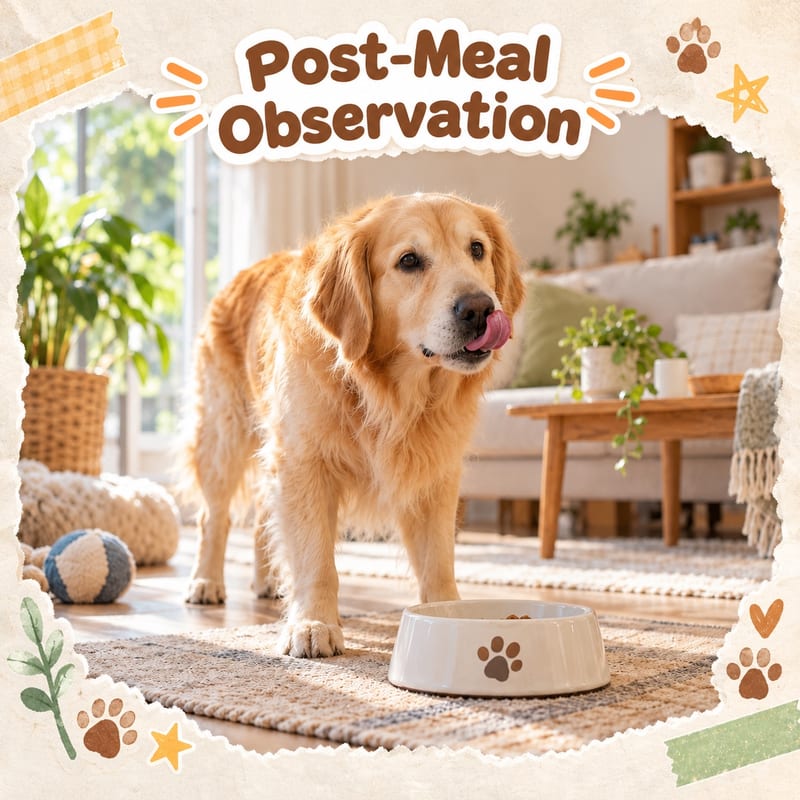
After Feeding the Right Food: Observe Three Things

  1. Stools: formed, not soft or hard, normal colour.
  2. Coat: improved shine after 4-6 weeks, no abnormal shedding.
  3. Energy and weight: stable appetite, monthly weight fluctuation less than 5%.

If any of the three is persistently abnormal, first check if the feeding amount is wrong or if treats exceed the limit, then consider whether the food direction is wrong, and finally consult a veterinarian to rule out health causes.
dog-food-which-best knowledge card 2

Quick Dog Food Picking Checklist

  • Protein ≥22% (28%+ for puppies)
  • First ingredient is a named meat
  • No large amounts of corn or wheat fillers
  • Choose by dog's age (puppy/adult/senior)
  • Consider dog's health (allergies need single protein)
  • Labelled "complete and balanced" for main diet
  • Use 7-10 day transition when switching

When to see a vet: Persistent vomiting after switching, bloody stools, fasting for more than a day, or recurring skin allergies—consult a registered veterinarian. For prescription diets, or dietary changes for dogs with kidney or heart disease, follow veterinary instructions.

What You Can Do Starting Today

  1. Turn over your dog food packaging at home and check the first five ingredients and protein percentage.
  2. Use the checklist above to score your current dog food item by item.
  3. Create an observation chart for your dog: stools, coat, weight—record every two weeks.
  4. Not sure which suits? Go to the PetChill dog food review guide to compare product by product.

This article is for reference only; consult a registered veterinarian for any concerns.

Here are products related to this article, available at PetChill:

Want to see more: Nutriplan Brand Guide

Product prices and latest offers are subject to the product page; this article is for reference only.

Further Reading

PetChill Pet Nutrition Team — Hong Kong's most authoritative pet knowledge platform
Brand guides mentioned in this article

These brands appear in this article; their guide pages cover product lines, nutrition ranges and buying tips.

Frequently Asked Questions

📌 Key Takeaways

  • ✅ Protein: adult ≥22%, puppy ≥28% to qualify
  • ✅ First five ingredients should be named meats
  • ✅ Always use a 7-10 day transition when switching; observe stools, coat, weight
  • ❌ "Contains chicken" doesn't mean chicken is first
  • ❌ Grain-free ≠ always better; look at the overall formula
  • ❌ Expensive food may not suit low-activity dogs

📚 Dogs article index

This article is part of the Dogs topic cluster. Explore related articles:

⭐ Pillar guide: Dogs complete guidePug: Hong Kong Care Guide (Price, Health, Summer Care)→ ReadBeagle Drawbacks: What Are They and Are Beagles Easy to Keep in Hong Kong?→ ReadBeagle Care in Hong Kong: Laws, Home Setup and Heat Protection→ ReadHow Long Do Beagles Live? A Hong Kong Guide to a Longer, Healthier Life→ ReadBeagle Personality and Intelligence: What Hong Kong Owners Must Know→ ReadBeagle price and adoption in Hong Kong: legal channels, verification steps and cost estimates→ ReadBorder Collie Colour Guide: Coat Types and Care Differences→ ReadBorder Collie Disadvantages: 8 Truths and How to Cope→ ReadBorder Collie Hong Kong Care Guide 2026: Laws, Climate and Prices→ ReadBorder Collie Lifespan and Health: A Hong Kong Guide to a Longer Life→ ReadBorder Collie Intelligence and Personality: A Complete Guide for Hong Kong Owners→ ReadBorder Collie Prices in Hong Kong and Adoption Guide→ ReadDachshund Downsides: 8 Truths to Know Before You Adopt→ ReadDachshund Hong Kong Care Guide: Laws, Climate and Home Care→ ReadDachshund Lifespan: 12–16 Years and How to Help Them Age Well→ ReadDachshund Intelligence and Personality: How to Read Small-Dog Rankings→ ReadDachshund Prices in Hong Kong 2026: A Guide to Buying and Adoption Costs→ ReadGolden Retriever Coat Colours: The Full HK Guide — Beyond Gold→ ReadGolden Retriever Lifespan: How Many Years? Hong Kong Owner's Guide to Extending Life | Tumour and Joint Risks→ ReadGolden Retriever Hong Kong Care Guide: Public Housing, Weather and Hiking→ ReadGolden Retriever Drawbacks Fully Disclosed | 8 Honest Assessments Before Keeping One in Hong Kong→ ReadGolden Retriever Puppy Growth Curve and Weight Chart (Hong Kong)→ ReadGolden Retriever Personality and Intelligence: A Hong Kong Guide→ ReadGolden Retriever Price and Adoption Guide (Hong Kong) 2026→ ReadPomeranian Coat Colours: A Complete Guide for Hong Kong Owners — White, Black and Orange, and What They Cost→ ReadPomeranian Weight Chart | Hong Kong Pomeranian Growth Standards from Puppy to Senior→ ReadGerman Shepherd Size & Growth: Hong Kong Puppy Weight Chart + Growth Prediction Guide→ ReadPomeranian Personality and Intelligence | A Must-Read for Hong Kong Owners: How to Train a Smart but Stubborn Small Dog→ ReadGerman Shepherd Lifespan: Health Risks and Longevity Checklist for Hong Kong Owners→ ReadHow Long Do Pomeranians Live? A 15-Year Longevity Guide for Hong Kong Owners→ ReadBlack German Shepherd: Comparing Pure Black, Sable and White German Shepherd Coat Colours→ ReadPomeranian Downsides Fully Disclosed | 8 Honest Assessments and Solutions for Hong Kong Owners→ ReadGerman Shepherd Drawbacks List | 8 Major Challenges to Consider Before Getting One in Hong Kong→ ReadPomeranian Hong Kong Care Guide: Home, Climate and Legislation→ ReadGerman Shepherd Price and Adoption: Hong Kong Buying Guide and Verification Checklist→ ReadPomeranian Price and Adoption Guide (Hong Kong) 2026→ ReadGerman Shepherd Personality | A Must-Read for Hong Kong Owners: Loyalty, Alertness, Intelligence and Training→ ReadGerman Shepherd in Hong Kong: Full Keeping Guide — Law, Public Housing Limits and Summer Heat Management→ ReadHow Much Should a Bichon Frise Weigh? Hong Kong Puppy to Adult Growth Curve Chart→ ReadLabrador Colours Explained | A Must-Read for Hong Kong Pet Owners: Black, Yellow, Chocolate and the Truth About Rare Colours→ ReadShiba Inu Colours: Black Shiba, Red, Sesame and White — Differences and Prices→ ReadLabrador Lifespan: How Long Do They Live? A Hong Kong Owner's Guide to Longevity and Health Risks→ ReadShiba Inu Lifespan: How Long Do They Live in Hong Kong?→ ReadLabrador drawbacks: 8 things to know before getting one (2026 Hong Kong guide)→ ReadShiba Inu Regret List: 8 Downsides Hong Kong Owners Must Know and How to Cope→ ReadYorkshire Terrier Personality Explained | A Must-Read for Hong Kong Owners: A Smart, Affectionate Companion with a Mind of Its Own→ ReadLabrador Puppy Growth Curve and Weight Chart (Hong Kong)→ ReadShiba Inu in Hong Kong: A Complete Guide to Public Housing, Summer Heat and the Law→ ReadYorkshire Terrier Price and Adoption Guide: 2026 Hong Kong Market, Channels and Verification Checklist→ ReadLabrador Personality and Intelligence: A Must-Read for Hong Kong Owners — Obedience, Food Drive and Separation Anxiety→ ReadShiba Inu Weight Growth Curve: What's the Hong Kong Standard in kg? Complete Guide from Puppy to Adult→ ReadHow Long Do Yorkshire Terriers Live? | Hong Kong 11–15 Years, Key Factors and a Longevity Checklist→ ReadChihuahua Disadvantages: A Full List for Hong Kong Owners — 7 Hidden Issues in a Tiny Body→ ReadHow Long Do Chihuahuas Live? | Hong Kong Chihuahua Lifespan and Common Diseases Explained→ ReadChihuahua Personality and Intelligence: Small Dog, Big Dog Soul in Hong Kong→ ReadChihuahua Price in Hong Kong: Adoption Routes, Buying Checklist and Real Monthly Costs→ ReadCorgi Disadvantages Exposed | Must-Read Before Getting One in Hong Kong: 8 Realities + Zero-Cost House Rules→ ReadHong Kong Corgi Ownership Complete Guide: Public Housing, Moisture Control and Heat Protection in One Article→ ReadHow Long Do Corgis Live? | Average Lifespan in Hong Kong and a Longevity Checklist→ ReadCorgi Intelligence Ranking and Personality: A Hong Kong Guide→ ReadCorgi Price and Adoption in Hong Kong: A Practical Guide→ ReadLabrador Care Guide for Hong Kong: Public Housing, Deeds of Mutual Covenant, Heat and Humidity→ ReadAre Poodles Easy to Keep? 7 Downsides and How to Handle Them (Hong Kong Dog Owner's Guide)→ ReadHow Long Do Poodles Live? | Hong Kong Guide to Small Poodle Lifespan and Health Management→ ReadPoodle Intelligence Ranking and Personality | A Must-Read for Hong Kong Owners: The Strength of Second Place→ ReadPoodle Prices 2026: Giant Poodle Cost, Four Sizes and Adoption→ ReadHow Big Does a Poodle Get? A Full Breakdown of Hong Kong's Four Poodle Sizes and Weights→ ReadSchnauzer Disadvantages: 8 Truths to Know Before Getting One in Hong Kong→ ReadHow Long Do Schnauzers Live? Miniature Schnauzer Lifespan and Common Health Issues in Hong Kong→ ReadSchnauzer Intelligence and Personality | Hong Kong Sentinel Dog Smart and Opinionated Full Analysis→ ReadSchnauzer Prices in Hong Kong 2026: The Complete Guide to Buying and Adopting All Three Sizes→ ReadShiba Inu Personality | A Must-Read for Hong Kong Owners: The Independent, Stubborn, Highly Intelligent Cat-Like Dog→ ReadThe Downsides of Owning a Yorkshire Terrier | 6 Real Costs Hong Kong Owners Must Know→ ReadBichon Frise Downsides: 7 Real Costs Hong Kong Owners Must Know (With Monthly Budget)→ ReadBichon Frise Hong Kong Care Guide: Public Housing Rules, Damp and Heat Management, and Source Verification→ ReadBichon Frise Lifespan: 12–15 Years and How to Help Them Live Longer→ ReadBichon Frise Personality and Intelligence Explained | Hong Kong Owner's Training Guide: Smartness and Obedience at a Glance→ ReadBichon Frise Price and Adoption Guide | Hong Kong Buying Tips 2026→ ReadAre French Bulldogs Easy to Keep? 8 Downsides and Fixes Every Hong Kong Owner Should Read→ ReadFrench Bulldog Hong Kong Care Guide: Legislation, Heat Protection and Home→ ReadHow Long Do French Bulldogs Live? A Hong Kong Guide to Flat-Faced Dog Health and Longevity→ ReadFrench Bulldog Personality Explained | A Must-Read for Hong Kong Owners: Intelligence and Getting Along→ ReadFrench Bulldog Hong Kong Price and Adoption Guide (2026)→ ReadFrench Bulldog Size and Weight Standards | A Complete Guide to Puppy Growth Curves in Hong Kong→ ReadLabrador Price and Adoption Guide (Hong Kong) 2026→ ReadShiba Inu Hong Kong Price & Adoption Guide: 2026 Buy or Adopt→ ReadBest Dog Wet Food in Hong Kong | How to Choose Complete Wet Food & Brand Comparison→ ReadBest Dry Dog Food in Hong Kong | Ingredient Picks & Brand Comparison→ ReadCorgi Breed Guide | Spine Care, Weight & Small-Flat Living in Hong Kong→ ReadFreeze-Dried Dog Food Guide | Hong Kong Freeze-Dried Dog Food Nutrition, Pros & Cons, Feeding Methods→ ReadFrench Bulldog Breed Guide | Temperament, BOAS Health & Hong Kong Care Guide→ ReadGolden Retriever Guide | Temperament, Hip Joints & Hong Kong Care→ ReadGrain-Free Dog Food Guide: Pros, Cons and Shopping Tips for Hong Kong Dog Owners→ ReadHong Kong Mixed-Breed Dog Guide: Local Dogs, Advantages & Adoption Tips→ ReadPoodle Breed Guide | Complete Hong Kong Guide to Standard, Miniature & Toy Poodles→ ReadShiba Inu Hong Kong Care Guide: Temperament, Shedding, Training and Hereditary Conditions→ ReadDog Food Recommendations Hong Kong 2026 | Puppy Food Picks + Brand Ranking Comparison→ Read

Products mentioned in this article

4 items · prices checked 2026-10-21

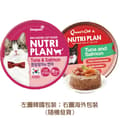
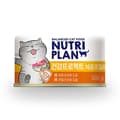
  • Nutriplan Soft Dog Food Immunity and Skin Care Support 1.2kg (64337)

    Nutriplan Soft Dog Food Immunity and Skin Care Support 1.2kg (64337)

    HK$98

    About HK$81.67 per kg

    Details

    Price checked 2026-10-21; the store page shows the live price, stock and offers.

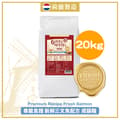
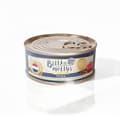
  • Bella & Molly's Dutch Berry Royal Selected Dog Food AAFCO Grain-Free Single Protein Salmon Formula 50g (Limited Time Experience)

    Bella & Molly's Dutch Berry Royal Selected Dog Food AAFCO Grain-Free Single Protein Salmon Formula 50g (Limited Time Experience)

    HK$10

    About HK$200 per kg

    Details

    Price checked 2026-10-21; the store page shows the live price, stock and offers.

  •  Special offer

    HK$175HK$235

    About HK$77.16 per kg

    Details

    Price checked 2026-10-21; the store page shows the live price, stock and offers.

  • Royal Canin Dry Dog Food - Medium Light Weight Care Adult Dog 12kg (3053300)

    Royal Canin Dry Dog Food - Medium Light Weight Care Adult Dog 12kg (3053300)

    HK$625.1

    About HK$52.09 per kg

    Details

    Price checked 2026-10-21; the store page shows the live price, stock and offers.

The products above are store items related to this article. Prices are reference prices as of the check date (about HK$908.1 in total); the store page always shows the live price, stock and offers. This article is not medical advice.

You may also like