
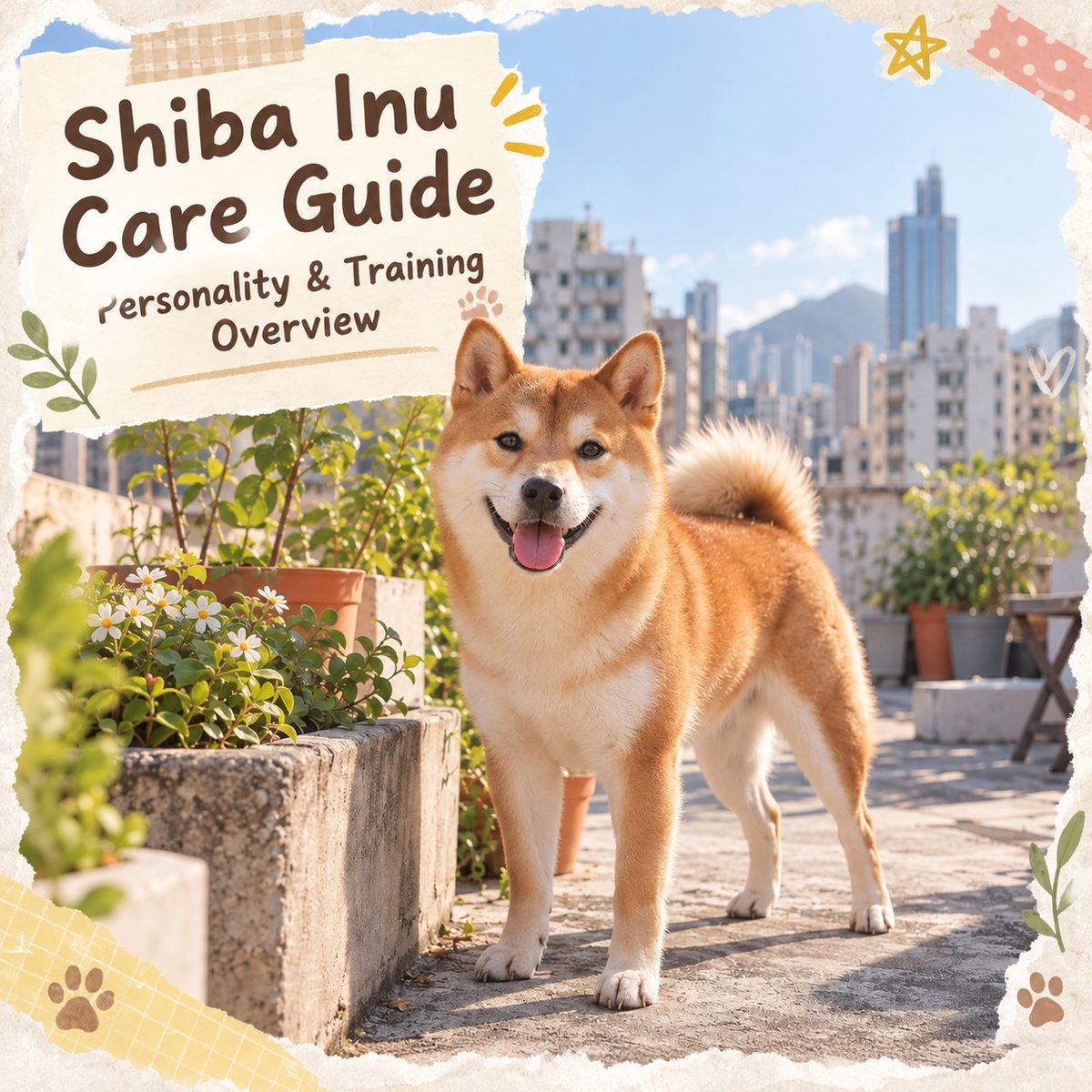
Quick answer: Shiba Inus are independent, stubborn 'cat-like dogs'. In Hong Kong, you'll need daily brushing, 30–60 minutes of walking, positive training, and attention to patellar and eye issues. They can live in small flats as long as you do your homework — ideal for patient owners.
The Shiba Inu is an ancient Japanese breed with a round face, upright ears and expressive looks, but at heart it is an independent, stubborn, clean 'cat-like dog': suited to owners who like a dog with character and are willing to put in training work; if you want a dog that obeys your every command, a Shiba may not be your first choice. This article covers Shiba temperament, shedding, training, hereditary conditions and Hong Kong ownership regulations.
What kind of breed is the Shiba Inu?
The Shiba Inu originates from Japan and is one of Japan's six native breeds. Originally a mountain hunting dog, it is known for being independent, clean and intelligent.
| Item | Details |
|---|---|
| Origin | Japan (ancient native breed) |
| Size | Small to medium, sturdy and athletic |
| Weight | About 7–10 kg |
| Coat | Double coat (straight harsh outer coat, dense undercoat) |
| Colours | Red, black and tan, sesame, white |
| Average lifespan | About 12–15 years |
Signature features: upright ears, curled tail, round face, plus the famous 'Shiba smile' and the 'Shiba scream' when they are upset.
Shiba Inu temperament: why are they called 'cat-like dogs'?
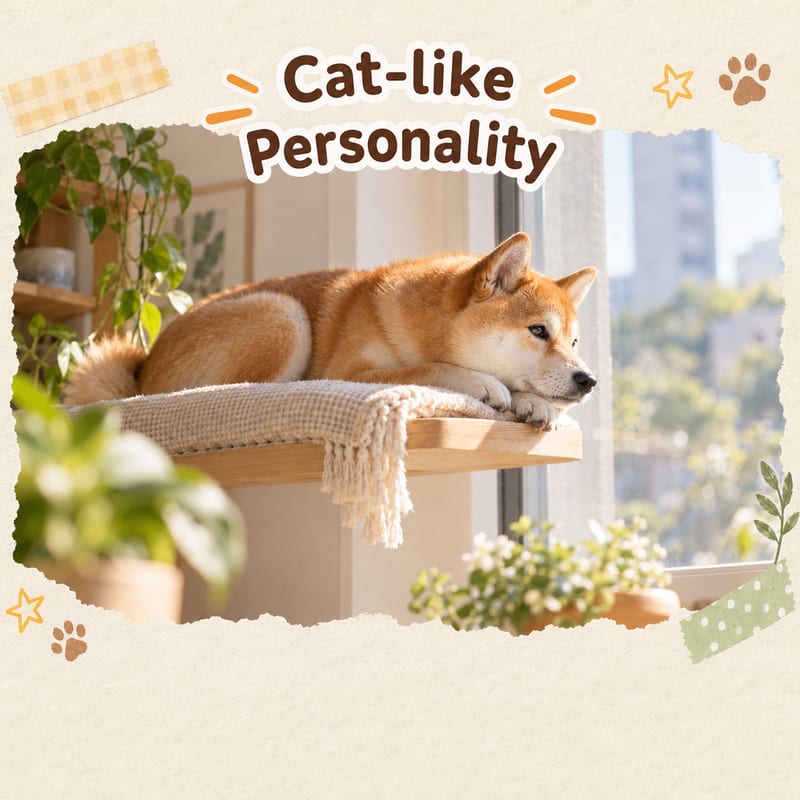
- Independent and stubborn — has a mind of its own, not blindly obedient; if it doesn't want to do something, it will stand its ground and ignore you
- Clean — like a cat, dislikes getting dirty; some Shibas refuse to walk on mud
- Intelligent — high intelligence, but not necessarily obedient
- Loyal to family — but reserved and guarded with strangers
- Hunting instinct — may chase small animals (birds, hamsters)
In one sentence: a Shiba is a dog that thinks 'I understand you, but whether I comply is up to me'. People who like a dog with its own personality and not overly clingy will love them; those who want a dog that comes when called should think twice.
How much do Shiba Inus shed? How to manage a double coat?
Shiba Inus have a double coat and blow their coat twice a year, in spring and autumn. The shedding volume is jokingly described as 'sheds twice a year, each time lasting six months':
- Daily: brush 2–3 times a week with a pin brush to remove undercoat
- Shedding season: brush daily, use a de-shedding tool and a vacuum cleaner
- Do not shave: the double coat helps regulate temperature; shaving can damage hair follicles
- Bathing: about once every one to three months is enough; always dry thoroughly afterwards to prevent skin problems
Shiba Inu training tips: why avoid forceful methods?
1. Start socialisation early Shiba Inus can be aggressive towards unfamiliar dogs and reserved with people — start exposing them to different dogs and people from puppyhood, focusing on positive experiences.
2. Positive reinforcement Stubborn Shibas respond better to softness than force: use treats and praise to build the link that 'listening to you pays off'; hitting or scolding only makes them rebellious and erodes trust.
3. Practise recall specifically Shiba Inus are famous for 'not coming back once off-leash'. Before recall is solid, always use a leash outdoors and only allow freedom in enclosed areas.
4. Get used to body handling From a young age, practise touching ears, holding paws and looking in the mouth; this makes grooming and vet visits much easier later.
When should a Shiba Inu see a vet? What hereditary conditions to watch for?
Shiba Inus are generally robust, but watch for:
- Patellar luxation: common in small breeds; see a vet if your dog limps
- Eye conditions: including progressive retinal atrophy and dry eye; regular eye checks
- Skin allergies/sensitivities: see a vet if itching, hair loss or recurrent ear infections occur
- Hypothyroidism: blood test if lethargic, weight gain or poor coat quality
When to see a vet immediately:
- Limping, or suddenly unwilling to put weight on a hind leg
- Cloudy eyes, excessive discharge, or sudden squinting
- Intense itching, red swollen or broken skin
- Poor appetite, vomiting or diarrhoea lasting more than a day
- Sudden major behavioural change (may be a pain signal)
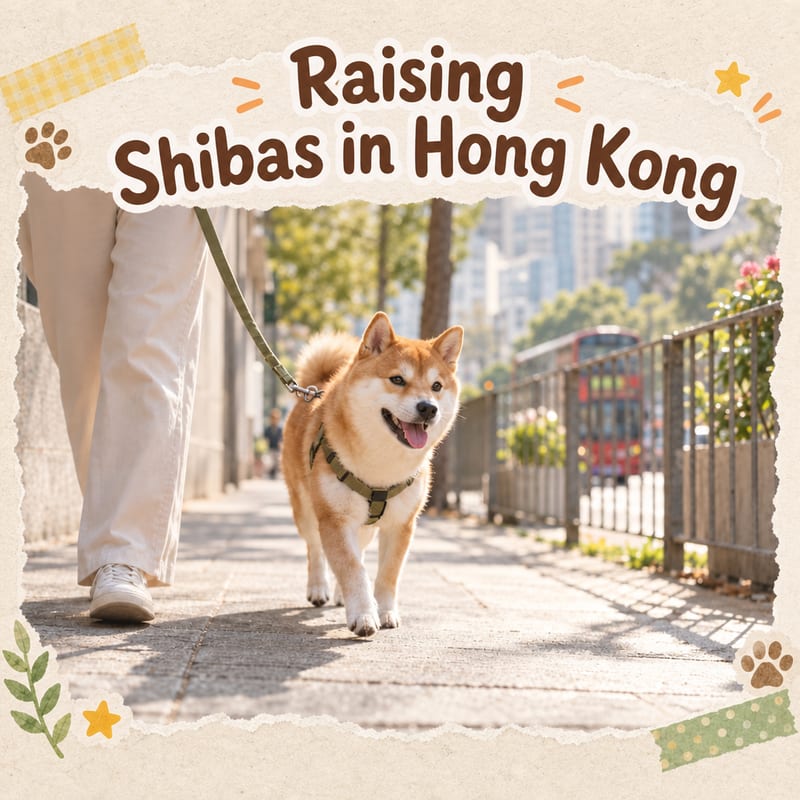
Keeping a Shiba Inu in Hong Kong: licensing, leash laws and summer precautions
- Dog licence: by law, dogs over 5 months old must be licensed; before licensing, rabies vaccination and microchipping are required, and the licence must be renewed annually.
- Leash laws: in public places, dogs such as Shiba Inus must generally be kept on a leash not exceeding 2 metres; in designated areas by the Food and Environmental Hygiene Department, a muzzle and leash are required.
- Small flats OK: Shiba Inus are medium-sized and clean, so they can live in small flats, but daily 30–60 minute walks are needed to burn energy.
- Hot and humid summers: double-coated dogs overheat easily — avoid midday walks, keep air-conditioning and ventilation on, and rinse and dry after walks to prevent skin problems.
- Don't let them 'let themselves out': Shiba Inus are strong jumpers and determined chasers of small animals; be careful with balconies and gates.
Adopt or buy a Shiba Inu?
- Buying: choose a reputable breeder and check parents' health records (especially eyes and patellas); pure white is not recognised by the breed standard, so be cautious if a breeder claims a rare colour and charges a premium.
- Adopting: adoption organisations occasionally have Shiba Inus and Shiba mixes; many adult Shibas are surrendered because previous owners underestimated their stubbornness and exercise needs — honestly assess your time and experience before adopting.
- Beginner warning: the Shiba Inu is not the easiest first dog for a complete novice, but a beginner who does their homework and is patient can succeed.
What you can do starting today
- Check your dog licence expiry date; don't forget renewal and vaccinations.
- Prepare a pin brush and a vacuum cleaner to win the shedding battle.
- Start practising recall today: indoors → enclosed space → outdoors on leash.
- Monthly check your Shiba's eyes, skin and gait.
To find out which grooming tools and de-shedding gadgets are best for double-coated breeds, see PetChill's product guides and dog food reviews.
This article is for reference only; consult a registered veterinarian for any concerns.
Further reading
Practical checklist for keeping a Shiba Inu in a small Hong Kong flat
Space setup
- Bed: place diagonally opposite the air-conditioning vent, avoiding direct airflow; use a removable, washable cover and change weekly to reduce skin sensitivities.
- Activity area: leave a 2×1.5 metre clear space in the living room for indoor sprints; add a low stool for jumping on and off to burn energy.
Daily schedule
| Time | Task |
|---|---|
| 07:00 | 15-minute walk in the corridor or estate podium; avoid damp grass in the early morning |
| 12:30 | Feed lunch in a food puzzle toy to prolong eating time |
| 19:00 | 30–45 minute leashed walk in the park; avoid crowded times |
| 22:00 | 5 minutes brushing + check skin, eyes and ears |
Grooming tool placement
- Hang pin brush and de-shedding tool by the entrance; quick brush before going out reduces hair in the home.
- Use a cordless vacuum to quickly clean floors and sofa hair, preventing skin problems.
Summer cooling strategies
- Keep air-conditioning at 24–26°C; use a dehumidifier when humidity is high.
- Carry a water bottle and folding bowl on walks; offer water every 10 minutes; when home, wipe paws with a damp towel to cool down.
Emergency vet visit checklist
- Limping: film a video of the gait and book an orthopaedic vet.
- Red eyes/discharge: bring the eye wash recently used so the vet can see the ingredients.
- Red swollen skin: photograph the affected area to compare size at follow-up.
Day-before adoption/purchase homework
- Save screenshots of breeder/adoption organisation address, phone and opening hours on your phone.
- Prepare questions: parents' patella grading, most recent eye report, vaccination records.
- Bring a towel and water; observe the dog's reaction to strangers on the day to ensure temperament suits you.
📌 Key takeaways
- ✅ Brush daily and increase during shedding season; do not shave
- ✅ Start socialisation and positive reinforcement training from puppyhood
- ✅ Hong Kong law requires licensing, vaccination and leash use
- ❌ Do not let off-leash before recall is solid
- ❌ Hitting or scolding only makes Shiba Inus more rebellious



