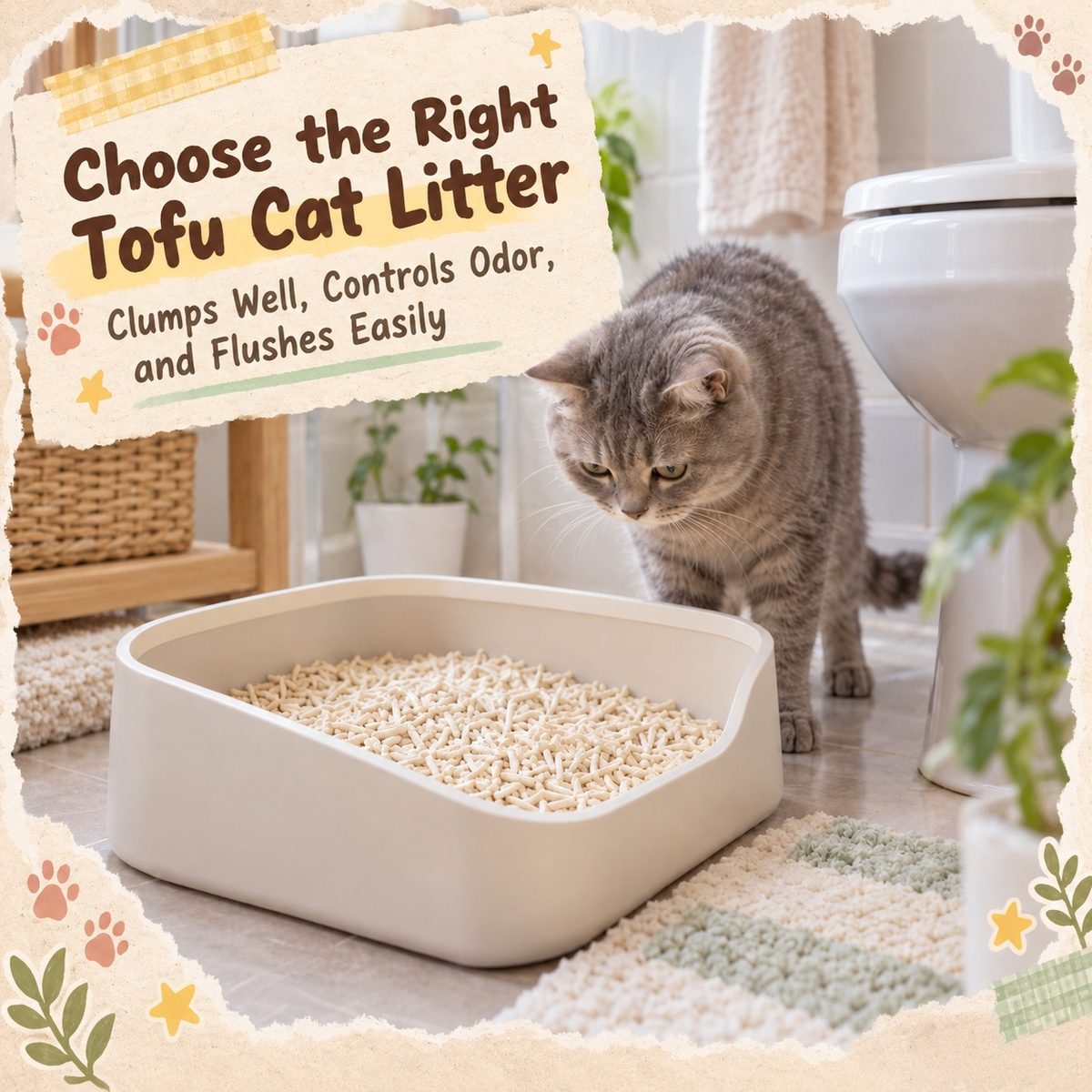
Quick answer: Tofu litter is made from okara fibre pressed into pellets at high temperature. After absorbing water and clumping, it can be flushed in small amounts at a time. It is low-dust and eco-friendly, but in Hong Kong's humid climate it easily gets mouldy, and it costs about 50% more than mineral litter. Only pure tofu litter can be flushed. Remember to replace the entire litter box every 2–3 weeks and keep it dry.
Tofu litter is an eco-friendly cat litter made mainly from okara (a by-product of tofu making): after high-temperature sterilisation, it is pressed into pellets that absorb water and clump, and are water-soluble and biodegradable. Its selling points are flushable, low dust, and decent odour control; the trade-offs are about 50% more expensive than mineral litter and prone to damp and mould in Hong Kong's humid weather. This article explains the ingredient principles, the correct way to flush, mould-prevention storage, and brand comparisons.
Quick answer: Tofu litter clumps through okara fibre, has extremely low dust, and can be flushed in batches—ideal for small Hong Kong flats. The drawbacks are that it costs more than mineral litter and is prone to damp and mould in humid weather. 1.5mm fine pellets clump fastest but stick to paws easily; 2.0–3.0mm coarse pellets save litter.
What is tofu litter? Why does it clump?
The main ingredient in tofu litter is okara fibre: after high-temperature sterilisation, it is pressed into long cylindrical pellets. The porous internal structure absorbs water—when cat urine lands, the fibre quickly absorbs and expands, and the starch on the pellet surface binds into a clump that can be scooped out in one piece. Because it is water-soluble and biodegradable, only pure tofu litter can achieve the killer feature of being "flushable".
Remember three ingredients: okara (the water-absorbing body), starch binder (for clumping), and some products add deodorising and antibacterial additives. Different brands use different ratios, so clump hardness and dissolution speed vary.
Tofu litter pros and cons at a glance
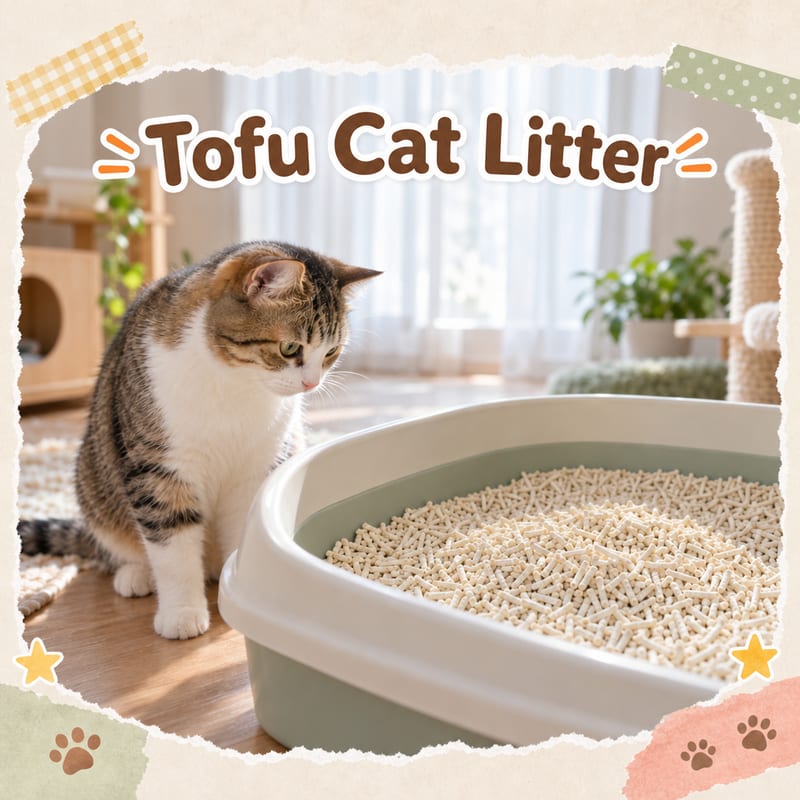
Pros:
- Flushable: pure tofu litter is water-soluble, eco-friendly and convenient
- Good odour control: bean fibre absorbs odours
- Low dust: friendly to the respiratory system, good for sensitive cats and sensitive people
- Eco-friendly: biodegradable, no environmental burden
- Safe: a small amount ingested is harmless to cats
Cons:
- Higher price: about 50% more expensive than mineral litter
- Prone to damp: needs careful storage in Hong Kong's humid weather
- May get mouldy: organic matter deteriorates easily in humid environments
- More tracking: pellets are lighter and easily stick to cats' paws and are carried out of the box
How to choose particle size? 1.5mm fine vs 2.0mm vs 3.0mm coarse
| Particle size | Clumping speed | Tracking | Cat acceptance | Suitable for | Example price check |
|---|---|---|---|---|---|
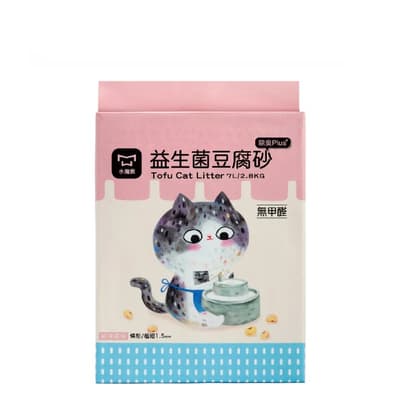
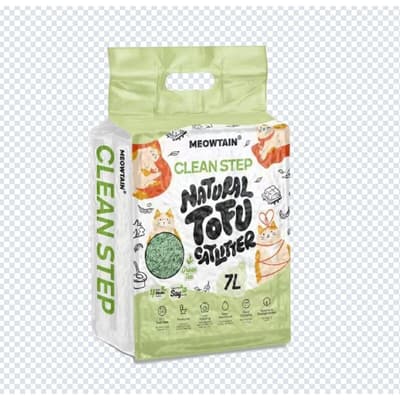
| 1.5mm fine | Fastest, hardest clumps | More (sticks to paws and tracks) | Soft on paws, some cats prefer it | Those who want hard clumps and have a large box where tracking is not a concern | Water Magic 1.5mm 7L ($68), Clean Step 1.5mm 7L ($38) |
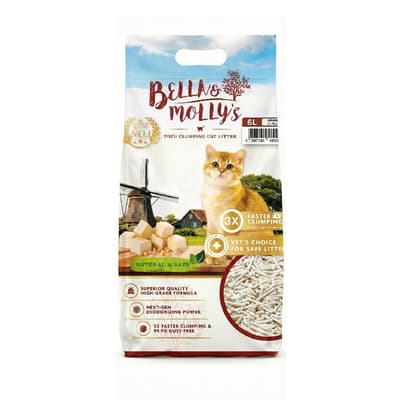
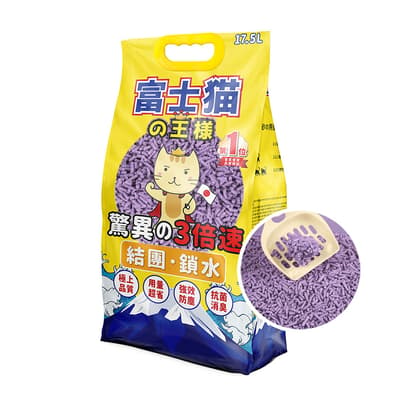
| 2.0mm medium | Fast | Medium | Most versatile | Most households, first-time tofu litter users | Belly 2.0mm 6L ($18), Fuji Cat King Fine 2.0 17.5L ($49) |
| 3.0mm coarse | Slower but still firm enough | Least | Noticeable on paws, some cats hesitate at first | Small flats, tracking concerns, multi-cat | Belly 3.0mm 18L ($39.9), TOFU CAT 3.0 7L ($52) |
Practical advice: If your cat has been using mineral litter, choosing 1.5mm or 2.0mm fine pellets will make the transition easier (the paw feel is closer to mineral litter); if your biggest headache is "litter tracked all over the house", choose 3.0mm coarse pellets and add a litter mat.
Flushing: which types work, which don't, and how to flush?
⚠️ The most important sentence: not all tofu litter can be flushed!
Flushable:
- 100% pure tofu litter (such as N1, Fuji Cat King tofu litter series)
- Small amounts at a time, no more than one cup per flush, wait for the litter to dissolve in the water before flushing
Not flushable:
- Mineral mixed litter (such as Fuji Cat King mineral mixed litter)
- Mixed litter containing bentonite—bentonite forms hard clumps when wet, and one blockage repair bill could buy years' worth of cat litter
In old buildings with narrow pipes, even litter labelled flushable should be flushed in small scoops at a time; pouring a whole tray in at once will clog any litter. When unsure of the ingredients, check the packaging: only flush if it states "100% tofu litter/okara"; if you see "bentonite", bag it and bin it.
Why does it get mouldy? Four anti-damp tips for Hong Kong
Tofu litter contains organic matter, which is especially prone to absorbing moisture and getting mouldy in Hong Kong's humid spring and summer when humidity reaches 90%. Prevention methods:
- Store in a dry place—not in the humid bathroom or rooftop storage room
- Use up quickly after opening—don't buy too large a bag; using it up within two weeks is ideal
- Dry the litter box thoroughly before adding new litter—a wet box helps the litter absorb moisture prematurely
- Use a storage container with a lid—you can add food desiccant to keep out moisture
If the litter has already gone mouldy (discoloured, musty smell), replace the whole bag—don't be reluctant to throw it away; mould produces substances harmful to cats' respiratory tract and skin. If the litter has already gone mouldy (discoloured, musty smell), replace the whole bag—don't be reluctant to throw it away; mould produces substances harmful to cats' respiratory tract and skin.
By the way: don't pour damp, clumped or expired tofu litter into the litter box "to give it a try"—clumping means the fibre has already failed, and both odour control and clumping will be off, making it smell worse and harder to clean.
Hong Kong tofu litter brand comparison
Hong Kong actual price ladder (2026-10-01 PetChill selling prices)
| Price tier | Product (actual check) | Size | Front-end price | Approx. per litre |
|---|---|---|---|---|
| Entry | Belly 2.0mm Tofu Cat Litter Original | 6L | $18 | $3.0 |
| Entry | Clean Step 1.5mm Natural Tofu Cat Litter | 7L | $38 | $5.4 |
| Mid | Belly 3.0mm Tofu Cat Litter Original | 18L | $39.9 | $2.2 |
| Mid | Fuji Cat King Fine 2.0 Tofu Cat Litter Lavender | 17.5L | $49 | $2.8 |
| Mid | TOFU CAT Tofu 3.0 Cat Litter Green Tea | 7L | $52 | $7.4 |
| Mid-high | Fuji Cat King 3.0 Coarse Probiotic Odour Control Tofu Cat Litter (discontinued) | 17.5L | $64 | $3.7 |
| Mid-high | Water Magic Ultra Fine 1.5mm Strip Probiotic Tofu Litter | 7L/2.8kg | $68 | $9.7 |
| High | Meow Emperor Slave Ultra Clean Cat Litter (discontinued) | 2.5kg | $88 | — |
| High | Cat's Story 1.5mm Natural Tofu Cat Litter Coconut Shell Charcoal | 18L | $90 | $5.0 |
How to read this? For the lowest price per litre, the 3.0mm coarse 18L ($39.9, about $2.2 per litre) is clearly better value than 7L packs ($5.4–$7.4 per litre). However, small packs have two advantages: low cost to try, and no worry about damp after opening during humid seasons. Multi-cat households can go straight for 17.5L/18L; single cats or first-time tofu litter users should buy 6L/7L first. Pet Promise (N1 upgraded formula) 17.5L front-end price is not yet online; refer to the product page for the price.
Tofu litter vs mineral litter vs mixed litter: how to choose?
| Scenario | Recommendation |
|---|---|
| Small flat, litter box indoors | Tofu litter (low dust, flushable) |
| Balcony/ventilated area, odour concern | Mineral litter (strong odour control) or tofu litter with an odour-control layer |
| Multi-cat, large litter usage | Mineral litter is cheaper, or mixed litter as a compromise |
| Sensitive cat/respiratory issues | Pure tofu litter |
| Old building with poor pipes | Mixed or mineral litter bagged and binned, avoid flushing risks |
Correct usage: depth, scooping, full changes
- Depth: 5–7cm; too thin and clumps stick to the bottom, reducing effectiveness
- Daily cleaning: scoop out clumps and solid waste, top up with new litter to maintain depth
- Full change: every 2–3 weeks, wash the litter box and dry it thoroughly
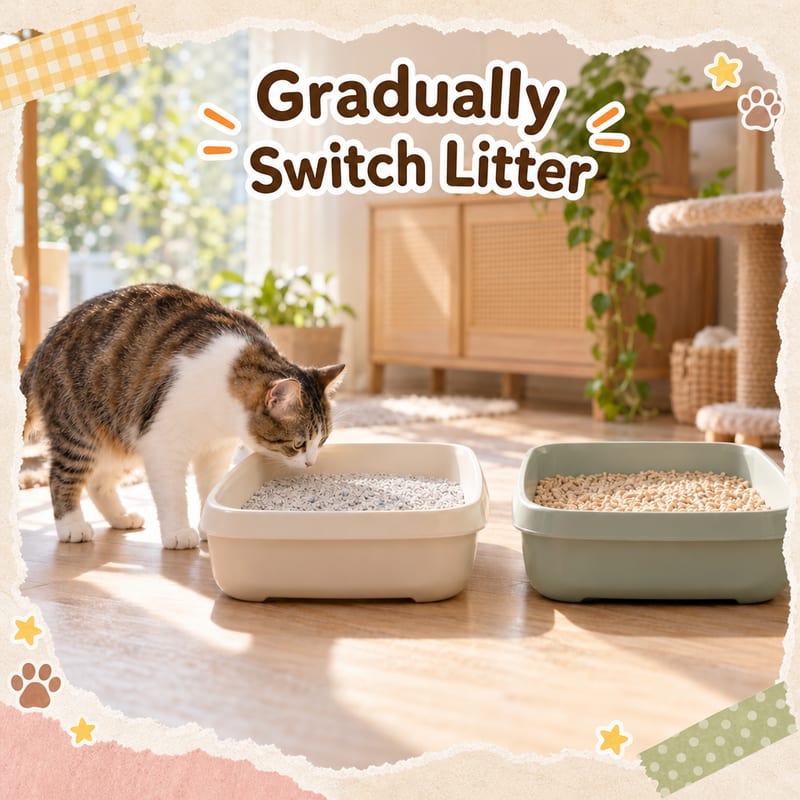
- Transition tip: when switching from mineral to tofu litter, mix gradually over 7–10 days; if the cat doesn't accept it, revert to a higher proportion of mineral litter
Odour management: how to keep tofu litter from smelling
Tofu litter itself has decent odour control, but the cause of smell is mostly usage:
- Scoop clumps immediately: once organic fibre is saturated, it will smell; the more frequently you scoop, the less odour
- Don't delay full changes: after 3 weeks, the remaining broken fibres are saturated with odour, and adding new litter won't cover it
- Wash the litter box: plastic boxes absorb urine odour; during full changes, scrub with warm water and baking soda and dry thoroughly. Never soak the box in chlorine bleach (the residual smell is very off-putting to cats)
- Ventilated location: in small flats, choose a covered litter box with an activated carbon filter, but covered boxes must be cleaned daily, otherwise ammonia odour becomes stronger
Switching from mineral to tofu litter: two weeks of gradual transition
Cats don't dislike tofu litter; often they just dislike sudden change. Method: on days 1–4, spread 30% tofu litter on top of the old litter; on days 5–9, half and half; from day 10, more tofu litter than old litter; throughout, do not change the litter box location at the same time. If the cat has already started eliminating outside the box, thoroughly remove the odour with a dedicated urine cleaner before continuing the transition, otherwise it will treat the old spot as a toilet.
Frequently asked questions
Q: Will cats eat tofu litter? A: A small amount ingested is generally harmless (okara ingredient), but if a cat frequently eats litter, it may be related to anaemia or pica; consult a veterinarian.
Q: What size pack of tofu litter is best value? A: Per litre, large 18L/17.5L packs (e.g. $39.9/18L, about $2.2 per litre) are clearly cheaper than small 7L packs ($5.4–$7.4 per litre). However, large packs must be sealed against moisture after opening; in humid seasons, small packs are actually recommended.
Q: How much does tofu litter cost per month? A: For example, 18L at $90: a single cat with one box uses it in about 30–35 days, costing about $77–$90 per month; with an 18L $39.9 model, about $34–$40 per month. Compared with mineral litter 10L at $28 (about 25–30 days, about $28–$34 per month), tofu litter costs a few tens of dollars more per month, but has low dust and is flushable.
Q: What can I do about lots of litter tracked out of the box? A: Tofu litter pellets are light; adding a litter mat at the box exit can catch most of it; using 3.0mm coarse pellets will reduce tracking further.
Q: Which is better, 1.5mm or 3.0mm? A: For hard clumps and comfortable paw feel, choose 1.5mm (but more tracking); for less tracking and small boxes, choose 3.0mm. When switching from mineral litter for the first time, 1.5–2.0mm is recommended, as cats usually accept it more easily.
Q: Can tofu litter really be flushed? Will it clog the pipes? A: Pure tofu litter can, but in batches—about 200g (half a bowl of rice) each time, wait 10 seconds after flushing before flushing again. In old buildings or with ageing pipes, don't risk it; bag it and bin it.
Q: What should I do if tofu litter gets mouldy during the humid season? A: After opening, transfer to a sealed plastic box with desiccant beads and place near a dehumidifier; if the pellets turn dark or smell musty, replace the whole box. During the rainy season, buy small packs and don't stock up on large ones.
Key summary
- Tofu litter = okara fibre clumping, flushable, low dust, eco-friendly
- About 50% more expensive than mineral litter; pay attention to storage and mould prevention in humid weather
- Only pure tofu litter can be flushed, in small amounts at a time, no more than one cup per flush
- Replace the entire box every 2–3 weeks, and dry the box thoroughly
- N1 has the best quality, Fuji Cat King is good value
What you can do starting today
- Check the ingredient list of your current bag of litter to confirm whether it is flushable
- Buy a storage container with a lid and move unused litter out of the humid bathroom
- Set reminders: scoop daily, full change and wash the box every 2–3 weeks
- If you haven't used tofu litter before, buy a small pack first and do a 7–10 day gradual transition
After choosing litter, do you still need to choose a box? PetChill's cat litter box buying guide and complete cat litter guide help you get everything in one go.
Further reading
- Cat litter recommendations Hong Kong 2026: comparison of five major types (pillar) →
- Tapioca litter guide: comparison with tofu litter on clumping, sticking, price →
- Mineral litter guide: dust and cat respiratory tract →
- Pine litter guide: matching with double-layer boxes and humid mould countermeasures →
- How to choose a cat litter box: size formula and placement principles →
- Automatic litter box buying guide →
- N1 tofu litter review →
- Complete cat food guide →
Sources
- PetChill product database (checked 2026-10-01,
mpdt_app=7,mpdt_showlist=1, prices use front-end selling pricempdt_lowest_price) - International Cat Care — Litter and litter tray problems
- Cornell Feline Health Center — Feline House Soiling
Price validity: Prices in this article were verified on 2026-10-01 from the PetChill product database; actual selling prices are subject to the product page.
This article is for general purchasing reference; individual cats vary greatly. If toilet habits change suddenly or there is blood in the urine or no urine, consult a registered veterinarian immediately.
⚠️ Some products mentioned in this article have been discontinued (marked "discontinued"); the prices are pre-discontinuation records. For other products, refer to the current prices displayed on the online store.
 Fuji Cat full guide →
 Fuji One full guide →


 Feline Natural full guide →