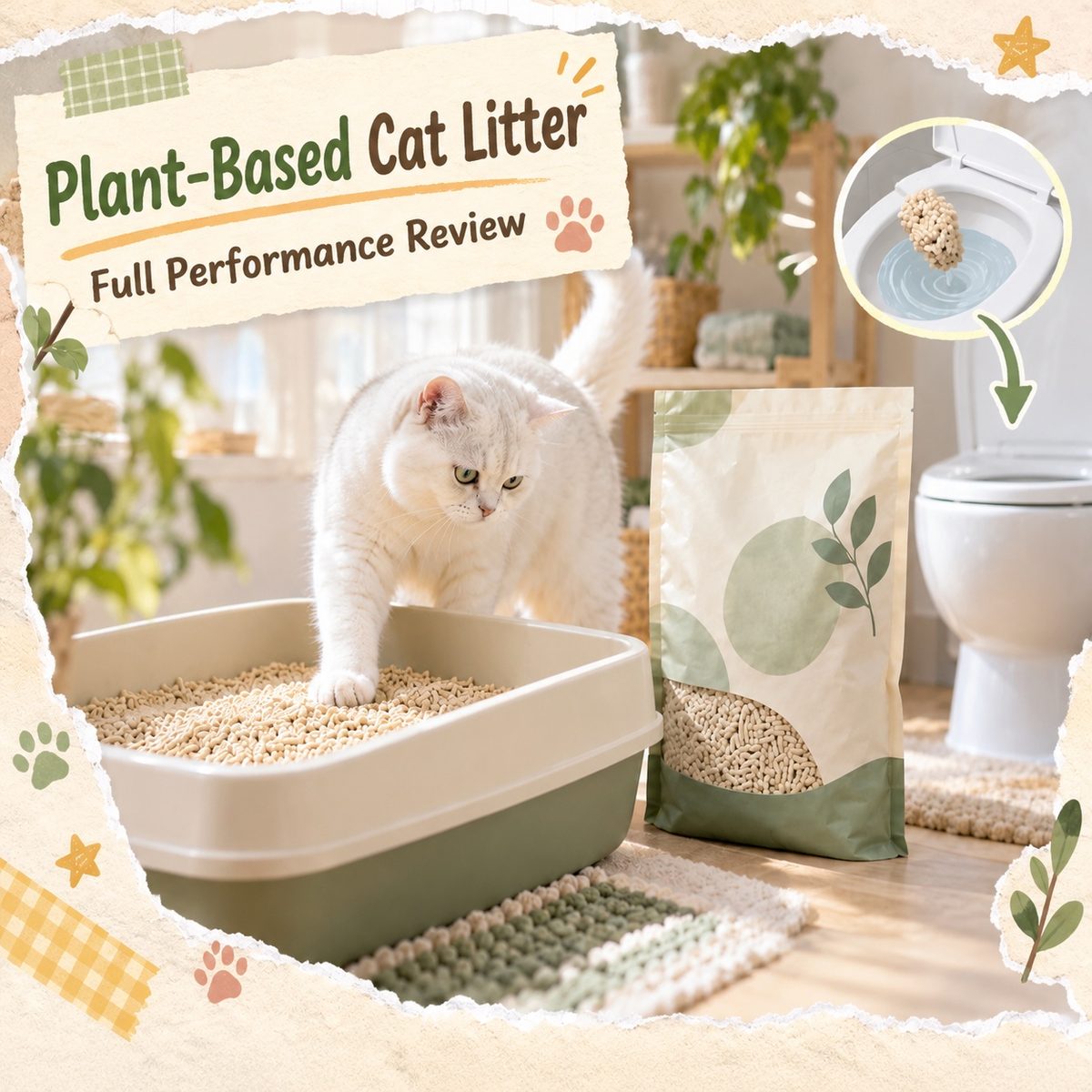
Quick answer: N1 tofu litter sells in Hong Kong for $35–70 per bag (6L), about 30% cheaper than clay litter. It is extremely low-dust and can be flushed in small amounts at a time; odour control is slightly weaker but placing the tray in a ventilated spot makes up for it. It is the top choice for budget-conscious owners who also want to save on rubbish bags.
N1 is a popular budget cat litter brand in Hong Kong, known for value for money, with two main series: tofu litter and clay litter. The tofu series' biggest selling point is that it can be flushed in small amounts at a time. Hong Kong prices are around $35–70 per bag (6L), about 30% cheaper than clay litter; dust is well controlled and clumping is above average, making it suitable for cat owners on a budget who still want quality.
This article is part of the Complete Cat Litter Guide series.
N1 Cat Litter Basic Information
| Item | Details |
|---|---|
| Brand | N1 |
| Origin | China |
| Series | Tofu litter series, clay litter series |
| Packaging | 6L / 7L / 10L |
| Hong Kong price | $35–70 per bag (6L) |
| Main ingredients | Tofu dregs (tofu litter), bentonite (clay litter) |
| Flushable | Tofu litter series can be flushed in small amounts |
How to Choose Between the Tofu and Clay Series?
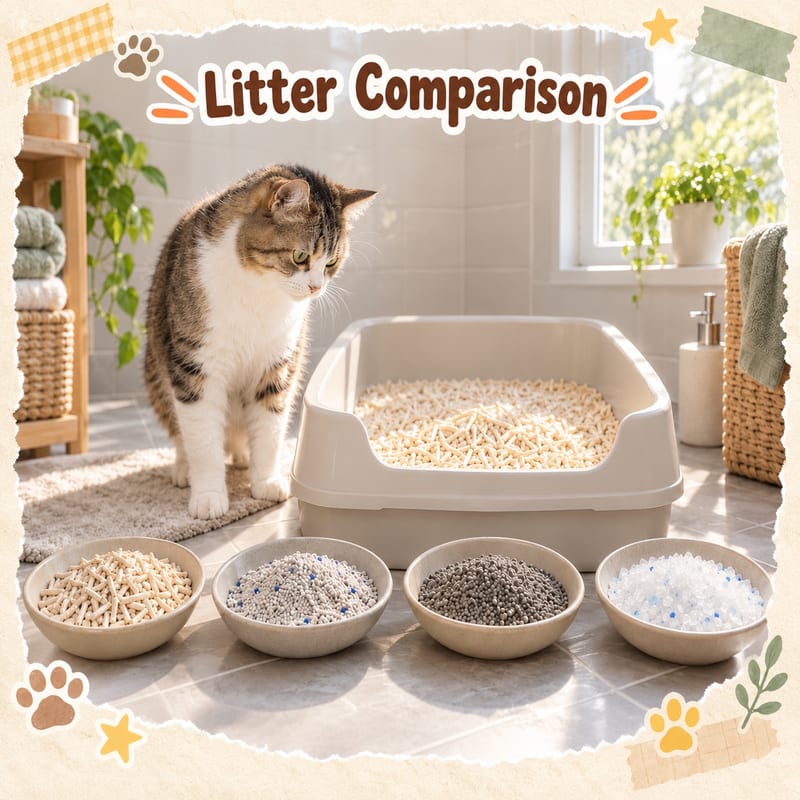
Tofu litter series:
- Odour control: ★★★★☆ — Good performance, but slightly weaker than clay litter
- Clumping: ★★★★☆ — Clumps well, slightly soft
- Dust: ★★★★★ — Extremely low dust, suitable for sensitive cats
- Flushable: Can be flushed in small amounts at a time
Clay litter series:
- Odour control: ★★★★☆ — Clay litter naturally absorbs odours well
- Clumping: ★★★★☆ — Clumps well
- Dust: ★★★☆☆ — More dust than tofu litter
- Flushable: Not flushable
Choose the tofu series for convenience (flushable, low dust); consider the clay series for economical bulk coverage (balcony, multi-cat). Both series are in the same price range, so budget is not a deciding factor.
Why Is It the "Budget Choice"?
N1's positioning is clear: large-scale production brings the entry price of tofu litter down to the $35 level, about 30% cheaper than Japanese brands, without cutting core specifications — 6L, 7L and 10L packaging gives you options. Choose 6L for a trial in a small flat, or 10L for multi-cat homes or to reduce order frequency. Compared with imported litters that often cost over $100, N1 is the kind that keeps your monthly spending painless.
N1 vs Fuji Cat King Comparison
| Comparison item | N1 | Fuji Cat King |
|---|---|---|
| Odour control | ★★★★☆ | ★★★★☆ |
| Clumping | ★★★★☆ | ★★★★☆ |
| Dust | ★★★★★ | ★★★★☆ |
| Price (6L) | $35–70 | $50–90 |
| Flushable | Tofu series yes | Partially |
| Origin | China | Japan |
Each brand has a different positioning: N1 wins on value and low dust, clay litter wins on odour control and clump hardness, and Fuji Cat King sits in between. No single litter suits all cats; the safest approach is to buy a small bag first, observe your cat's reaction, then decide on the long-term choice. For more litter comparisons, see the Complete Cat Litter Guide.
N1 Cat Litter Pros and Cons
Pros:
- Affordable, high value for money
- Extremely low dust, friendly to cats' respiratory tracts
- Tofu litter is flushable, easy to clean up
- Multiple sizes: 6L/7L/10L
Cons:
- Odour control slightly weaker than clay litter; best to place the tray in a ventilated spot
- Clumps slightly soft; be patient and let them set before scooping
- Organic material, so take care with storage in humid weather (multi-cat homes may need to change more often)
Correct Use and Flushing Method
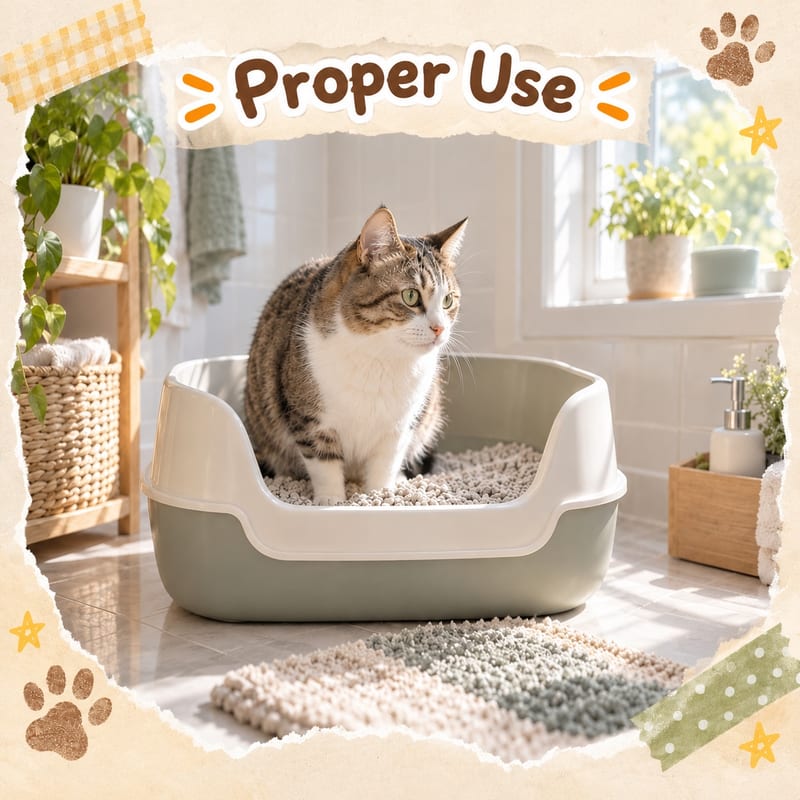
- Recommended litter depth is 5–7cm; too thin and clumping suffers
- Scoop at least 1–2 times daily, top up with new litter to maintain depth
- Change the whole tray every 2–3 weeks, wash and dry the tray thoroughly
- Flush in small amounts at a time, no more than one scoop per flush, to avoid blocking pipes
- Hong Kong is humid: store unopened bags in a dry place and use opened bags as soon as possible
Note: Only the tofu litter series can be flushed; the clay series forms hard lumps when wet and will block drains, so it must be bagged and binned. If unsure, check the packaging ingredients: if it contains bentonite, do not put it down the toilet.
What You Can Do Starting Today
- Check whether your current tray location is well ventilated, then decide between tofu and clay series
- Buy one 6L small bag first to test your cat's acceptance
- Get a lidded litter storage container for Hong Kong's humid weather
- Set reminders: scoop daily, full change every 2–3 weeks
Soft Clumps Hard to Scoop? Three Practical Fixes
Soft tofu litter clumps are a common complaint; here are tested ways to improve:
- Use enough depth: 5–7cm is the minimum. If the layer is too thin, urine hits the bottom of the tray and the clump sticks and breaks on scooping
- Wait two seconds before scooping: let the clump absorb and set for 10–20 seconds after the cat leaves before scooping; hardness is noticeably different
- Add a base layer: spread a thin layer of baking soda (bicarbonate of soda) or a specialised litter mat at the bottom of the tray to absorb moisture, control odour and prevent sticking, but remember to replace it when cleaning
If all three tricks still leave clumps breaking, the batch may have absorbed moisture — check the storage location, or switch to a tightly sealed brand. There is no absolute good or bad in cat litter, only what suits your home environment.
Which Households Is N1 Suitable For?
- Budget first: monthly cat litter budget under $100 — N1 tofu litter fits perfectly
- No space for rubbish: flushable means no need for lots of rubbish bags, workable even in a small flat
- Sensitive cat households: the tofu series is extremely low-dust, suitable even for cats with sensitive airways
- First-time triers: low cost of a failed switch; if it doesn't work out, switching to clay litter is no big deal
- Multi-cat households: suitable but litter is used up quickly; the full change cycle may need to be shortened
Switching Litter: 7–10 Day Gradual Method
When switching from another litter to N1 (or the reverse), don't do it in one day. Days 1–3: 30% new, 70% old; days 4–6: half and half; from day 7: more new, less old; throughout, do not change the tray location at the same time. Watch for accidents outside the tray, excessive paw licking, or hesitation entering the tray — if any, slow down. Place the tray on an open route the cat often uses, not in a dark corner; acceptance will be much higher.
To dig deeper into tofu litter ingredients and mould issues, see PetChill's Complete Tofu Cat Litter Guide and Clay Litter Review for a side-by-side comparison of both routes.
Further Reading
- Complete Cat Litter Guide →
- Complete Tofu Cat Litter Guide →
- Cat Litter Box Buying Guide →
- Complete Cat Food Guide →
- Cat Litter Selection Guide (5 Types Compared) →
- Cat Refuses Litter Box / Inappropriate Urination →
- Cat Litter Recommendations Hong Kong 2026 →
- Home Care for Cat Upper Respiratory Infections →
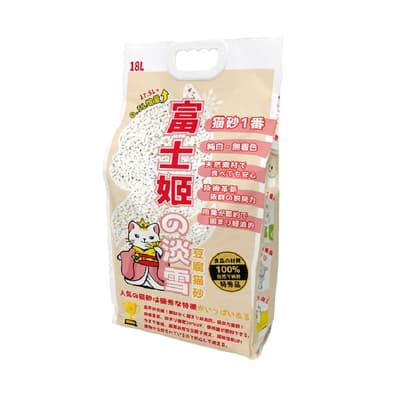
 Fuji Cat full guide →
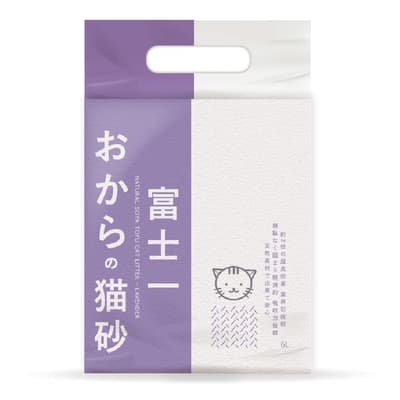
 Fuji One full guide →