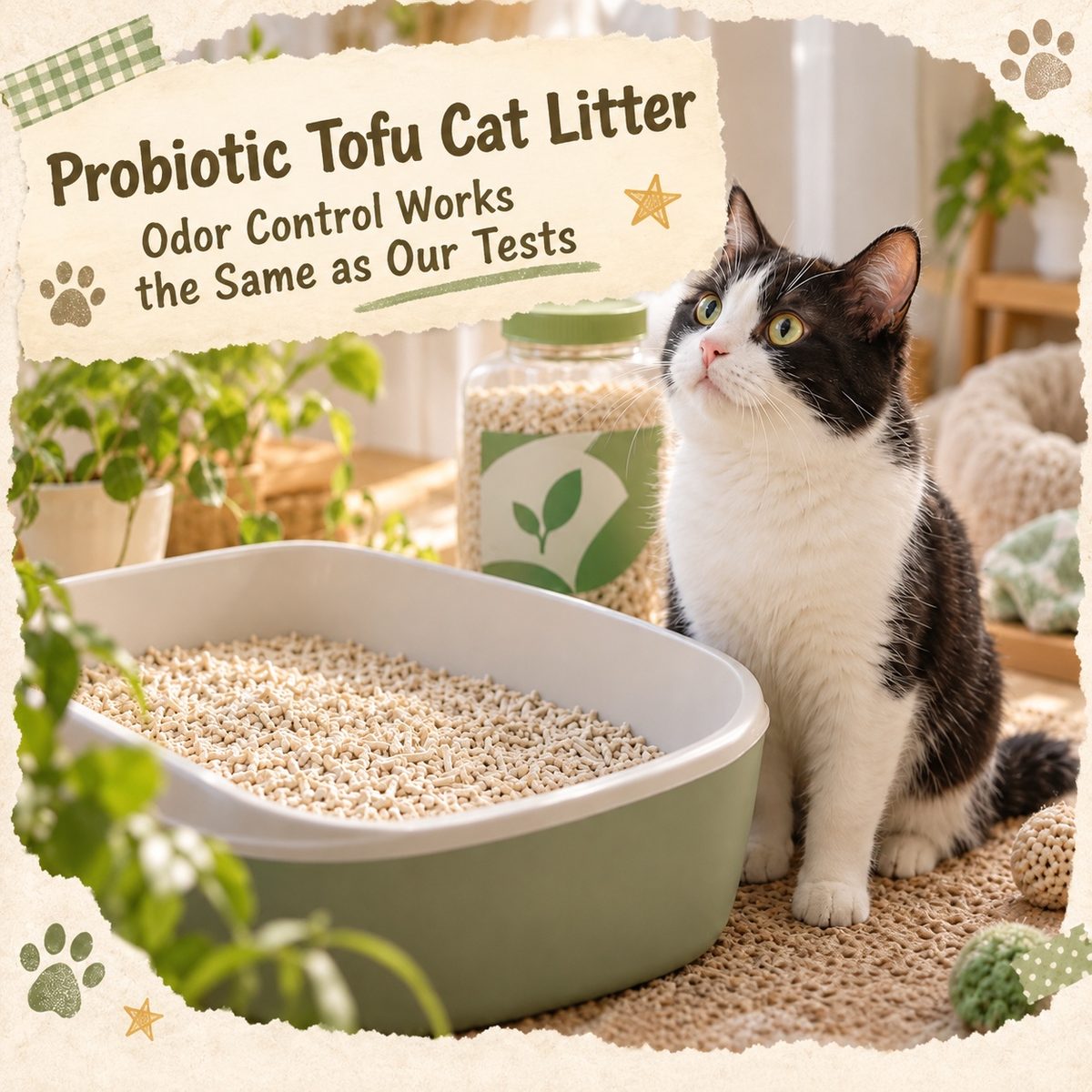
Quick answer: Probiotic tofu litter adds active probiotics to regular tofu litter. It works by "degrading" the source of urine odour rather than simply "masking" it, so it stays effective longer in Hong Kong's hot and humid weather. However, it costs more and you need to store it properly to keep the bacteria active. It is most effective for small flats and multi-cat households.
Litter odour is a problem for many Hong Kong cat owners—especially in hot and humid weather, when cat litter smells more. In recent years, "probiotic tofu cat litter" has appeared on the market, claiming longer-lasting deodorising. In a nutshell: it adds probiotics to regular tofu litter and works by "breaking down" the source of odour rather than "masking" it, so it lasts longer, but it costs more and you need to know how to preserve the bacteria's activity. This article covers the principle, pros and cons, and whether it's worth buying.
What Is Probiotic Tofu Cat Litter?
Probiotic tofu cat litter is an upgraded cat litter with probiotics added to tofu litter. It is the same as regular tofu litter—made from okara, low dust, flushable—but with added probiotics (commonly Bacillus) to tackle odour.
How Do Probiotics Deodorise?
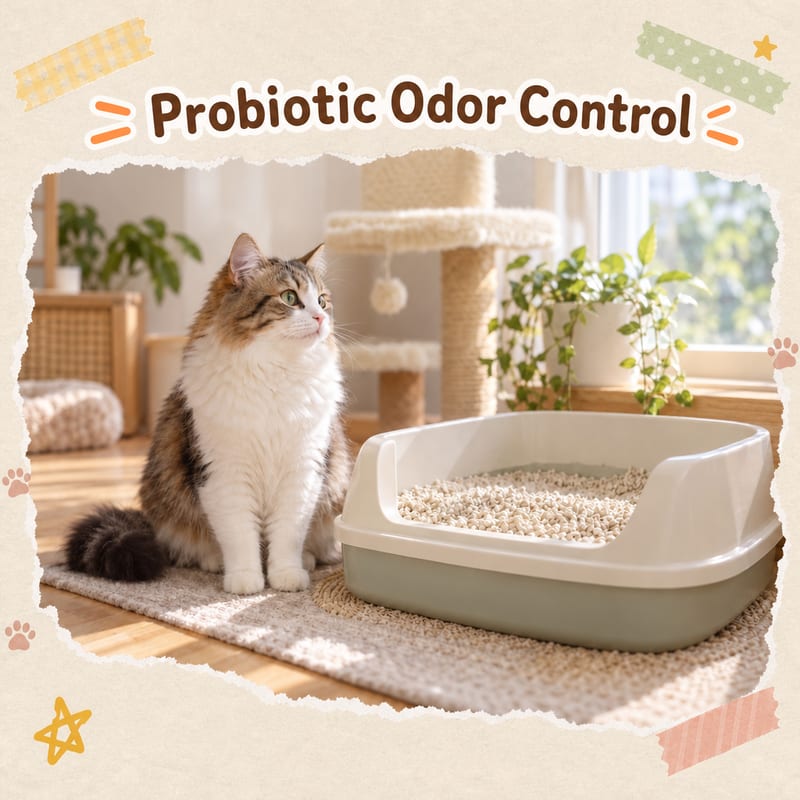
Cat urine odour mainly comes from compounds such as ammonia produced when urine breaks down. The deodorising mechanism of probiotic tofu litter works in three steps:
- Breaks down the odour source—probiotics metabolise the odour-causing substances in urine, preventing ammonia from accumulating.
- Keeps working—as long as the bacteria remain active, they continue working in the litter.
- Not masking—regular scented litter covers the smell, while probiotic litter starts from "degradation", so the odour rebounds more slowly.
Memory aid: regular tofu litter deodorises by "absorption" (masking), while probiotic tofu litter deodorises by "degrading" the odour source (breaking down). So the probiotic version lasts longer, especially in humid weather if stored well.
Probiotic Tofu Litter vs Regular Tofu Litter
| Regular tofu litter | Probiotic tofu litter | |
|---|---|---|
| Deodorising method | Absorbs odour | Degrades odour |
| Longevity | Average | Longer lasting |
| Price | Cheaper | More expensive |
| Eco-friendly | ✅ | ✅ |
| Flushable | Yes | Yes |
Pros: Long-lasting deodorising, natural and biodegradable, low dust and respiratory-friendly. Cons: Higher price; probiotics must remain active to be effective; results vary depending on your cat's waste volume and environmental humidity.
When Is It Worth Buying and When Not?
Worth considering: Litter box in a windowless bathroom or small flat where odour is hard to dissipate; summer heat and humidity overwhelm regular litter; multi-cat households with large waste volume; office workers who can't open windows often. Not necessarily needed: Good ventilation, daily scooping on time, and no odour complaints with current litter—in this case regular tofu litter is enough, saving you money. To learn about the properties of tofu litter itself, see the complete cat litter guide and plant-based cat litter guide; tofu litter is itself a type of plant litter.
How to Choose and Use It Effectively
- Choose a reputable brand—check whether the probiotics are actually active and whether the bacterial strains are listed.
- Mind the storage—avoid high temperatures and direct sunlight; keep unopened bags sealed. If the bacteria die, it becomes regular litter.
- Check clumping—it is still essentially tofu litter, so choose a well-clumping variety for easy cleaning.
- Combine with good habits—scoop 1-2 times daily, maintain 5-7cm litter depth, and change the whole box every 2-3 weeks for tofu litter. Even the most expensive probiotic litter can't save a box that hasn't been scooped for a month.
Health Warning Signs Behind Odour
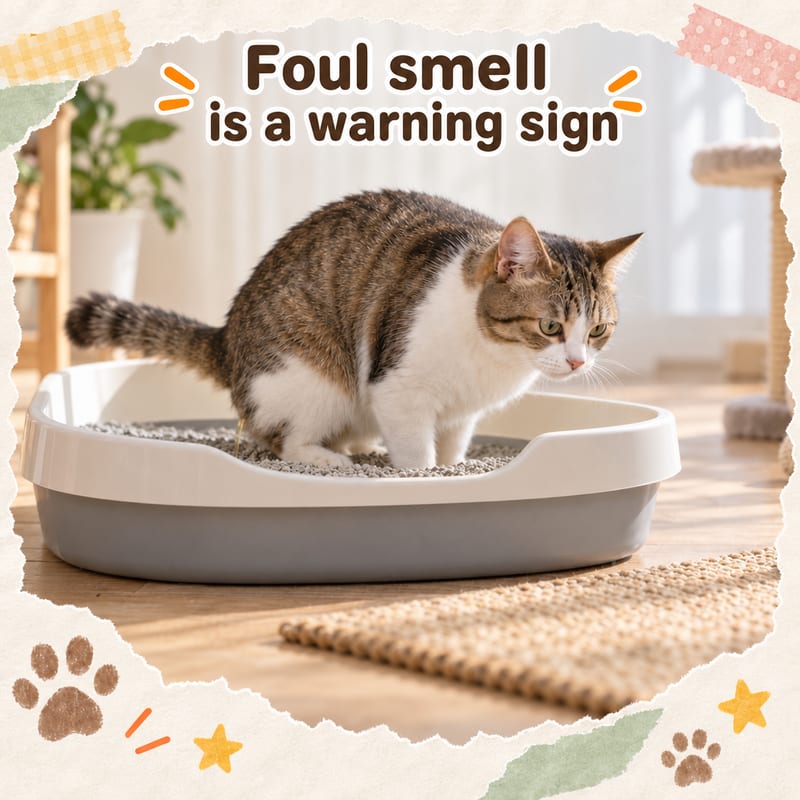
⚠️ If the litter suddenly smells much worse than before, urine clumps are unusually large or frequent, or urine contains blood or an abnormally strong ammonia smell, don't blame the litter—urinary tract infections, kidney disease and diabetes can all change odour and urination patterns. If there is no improvement after adjusting cleaning habits for a week, or if you see your cat crying when urinating or going in and out of the box without producing urine, see a registered veterinarian promptly; urethral obstruction in male cats is an emergency.
Which of the Three Deodorising Routes Is Strongest?
| Route | Principle | Examples | Weakness |
|---|---|---|---|
| Adsorption | Pores trap odour molecules | Bamboo charcoal litter, clay litter | Odour returns after saturation |
| Masking | Fragrance covers smell | Scented tofu litter | Irritates respiratory tract |
| Degradation | Microorganisms break down odour source | Probiotic tofu litter | Bacteria must be active |
How to maximise effectiveness: Probiotic litter doesn't mean "no odour automatically once placed"—the bacteria need moisture and organic matter to start working, so maintaining 5-7cm litter depth, daily scooping, and placing the box in a ventilated, dry spot are important. Conversely, if you use a powerful dehumidifier and the environment is extremely dry, bacterial activity may be affected; in that case, change the whole box more frequently (once every two weeks) is more practical. Also, never spray air freshener into the litter box to add fragrance—the mixed smells are worse and may put your cat off using it.
True or False? Three Common Doubts Explained
"Do probiotics actually do anything?" Under ideal laboratory conditions, Bacillus can indeed degrade nitrogenous waste, a mechanism that has been used in composting and waste treatment for years. But in a litter box, bacterial performance is greatly affected by temperature, humidity and scooping frequency—so it is "useful but not magic"; don't expect it to stay odour-free forever after pouring it in.
"It smells fragrant—does it contain added fragrance?" Some products add fragrance to improve the opening experience. Check the ingredient list before buying: ideally "okara + probiotics + natural starch binder", with no need for colourings or fragrances; too much fragrance is a burden on both your cat's nose and yours.
"What happens if the bacteria die?" If they die, it degrades to regular tofu litter—harmless but no longer value-added. So proper storage directly determines cost-effectiveness: leaving it on a hot balcony versus a cool storage cupboard are two different things.
Buying rhythm advice: Buy one bag first (about two to three weeks' supply), set a reminder to compare with your experience of regular litter, then decide whether to switch long-term. Reasonable expectation: think of probiotic litter as "an extra layer of insurance over regular tofu litter"; combined with daily scooping and full box changes every two to three weeks, that's the prerequisite for it to work. If your current litter box habits are a mess, no expensive litter can save it.
Who Is It Most Suitable For?
In a nutshell, the suitable groups: office workers living in small flats with the litter box in the bedroom or a windowless bathroom will benefit most from the long-lasting deodorising of probiotic litter; multi-cat households with large daily waste and multiple odour sources will find degradation-type lasts longer than adsorption-type; owners sensitive to odour—being comfortable yourself makes you more diligent in maintaining the box, which indirectly benefits the cat. Conversely, households with a ventilated independent balcony, a single cat, and already scooping on time twice daily will find regular tofu litter sufficient; no need to rush to pay more.
What You Can Do Starting Today
- Think about the source of odour: is it the litter not being good enough, or scooping too infrequently? Improve habits before considering upgrading litter.
- If you want to try probiotic litter, buy a small bag and test for two weeks, observing deodorising performance and your cat's acceptance.
- Check storage location: keep the litter container away from heat sources and direct sunlight by windows.
- Also check your cat's urine clump size and colour, turning daily scooping into a free health check.
Conclusion: If you're fed up with cat litter odour (especially in Hong Kong's hot and humid weather), the long-lasting deodorising of probiotic tofu litter is worth a try—it uses probiotics to degrade the odour source, lasting longer than regular tofu litter's absorption, at the cost of a higher price. Weigh your level of concern about odour; either choice is reasonable. This article is for reference only; consult a registered veterinarian for any concerns. Further reading: tofu cat litter recommendation, what to do if your cat won't use the litter box.
Related Product Recommendations
Cat litter needs to clump quickly, be low-dust and deodorise reliably. Here are cat litter products available at PetChill:
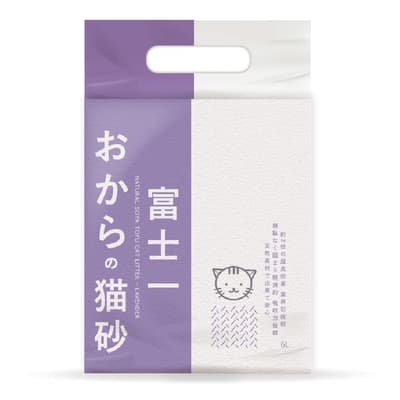
- Fuji One Natural Minimalist Daily 3.0 Tofu Cat Litter Lavender 6L - Original Import (Fuji One) — flushable tofu litter, low dust
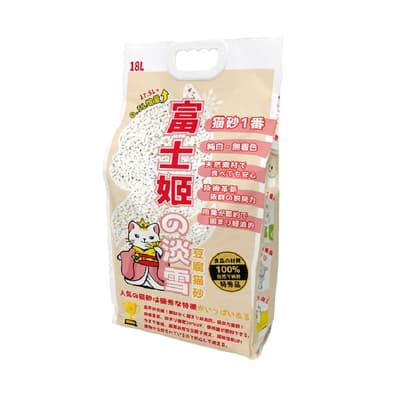
- Fujihime no Awayuki 3.0 Natural Purifying Soy Milk Tofu Cat Litter Original 18L - Original Import (random old/new packaging) (Fujihime no Awayuki) — flushable tofu litter, low dust
See more: Fuji One brand guide
Product prices and latest offers are subject to the product page; this article is for reference only.
 Fuji One full guide →


 Fuji Cat full guide →

 K9 Natural full guide →