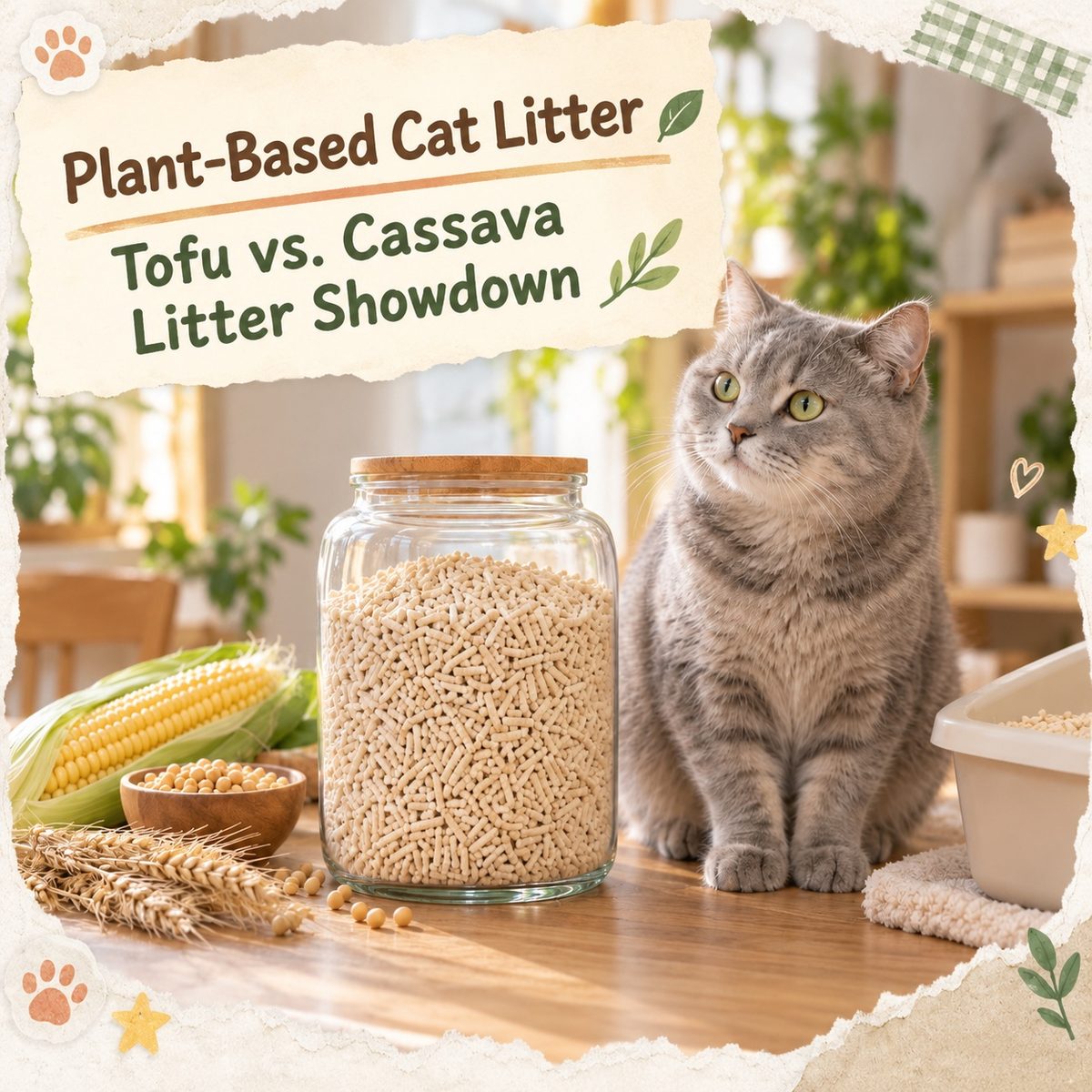
Quick answer: Plant-based cat litter is made from natural plant materials like corn, wheat, and okara. It's biodegradable, low-dust, and some types are flushable, but clumping is slightly weaker and Hong Kong's humidity makes it prone to mould. Remember to store it sealed and off the floor, and maintain a 5-7cm litter depth.
Plant-based cat litter has become very popular in Hong Kong in recent years—natural, eco-friendly, biodegradable, and some types can even be flushed down the toilet. In a nutshell: tofu litter is actually a type of plant-based litter. The selling points of plant litter are eco-friendliness and low dust; the trade-offs are slightly weaker clumping than clay litter and a tendency to mould when damp, so humid Hong Kong requires smart storage. This article covers the principles, pros and cons, and key points for choosing.
What Is Plant-Based Cat Litter? Which Plants Are Used?
Plant-based cat litter refers to litter made from natural plant materials. Common ingredients:
- Corn—natural, odour-absorbing
- Wheat—natural, clumping
- Cassava—natural, odourless
- Okara (i.e. tofu litter)—common, easily dissolvable
- Pine—natural, deodorising
The core advantage is biodegradability: after use it can be flushed (some types) or composted without polluting the environment. Compared with clay litter, which requires mining bentonite and ends up in landfill after use, plant litter is much friendlier to the environment.
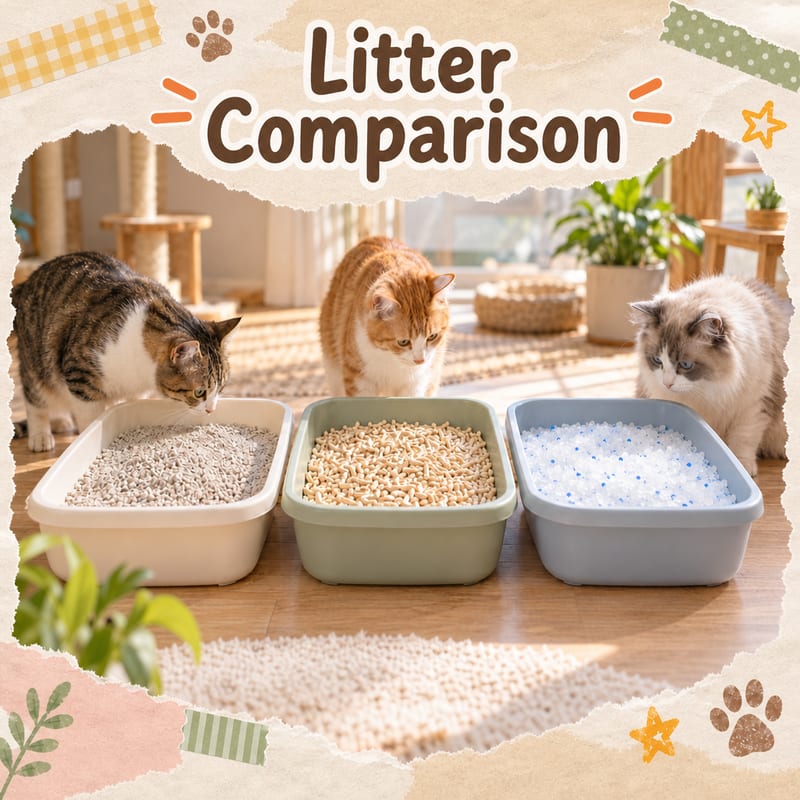
Plant-Based Litter vs Tofu Litter vs Clay Litter
| Plant-based litter | Tofu litter | Clay litter (bentonite) | |
|---|---|---|---|
| Material | Corn/wheat/cassava/pine | Okara | Bentonite |
| Eco-friendly | ✅ Biodegradable | ✅ Biodegradable | ❌ Not biodegradable |
| Flushable | Some types | ✅ Yes | ❌ No |
| Clumping | Medium | Good | Excellent |
| Odour control | Good | Good | Good |
| Dust | Low | Low | Higher |
Tofu litter is a branch of plant-based litter (made from okara), so "choosing plant litter" and "choosing tofu litter" overlap but are not identical: for flushable convenience, choose a pure okara formula; to try lesser-known options, corn and pine litters have their own odour-control characteristics. To understand the big picture of all five litter types, first read the Complete Cat Litter Guide.
Pros and Cons of Plant-Based Cat Litter
Pros:
- Natural and eco-friendly—biodegradable, some flushable, no environmental pollution
- Low dust—gentle on cats' respiratory tracts, suitable for kittens and senior cats
- Naturally odourless—no artificial fragrances to mask smells
- Easy to clean—flushable types mean no daily trips to dispose of litter
Cons:
- Slightly weaker clumping—clay clumps firmer; plant litter can break apart when handling urine clumps
- More likely to stick to the bottom—with large urine volumes it can stick to the box bottom, so maintain depth
- Prone to mould when damp—starchy ingredients are the Achilles' heel in Hong Kong's hot, humid weather; store sealed
- May cost more—plant litter costs more than bulk clay litter
How to Choose Plant-Based Cat Litter? Four Key Points
- Clumping—choose styles labelled "good clumping" for easier cleaning and less sticking.
- Flushability—if you want to flush, look for a "flushable" label on the packaging; if unlabelled, assume not flushable.
- Odour control—check real user reviews on urine odour control, not just fragrance descriptions.
- Dust—choose low-dust options, friendly to cats' respiratory tracts and household air.
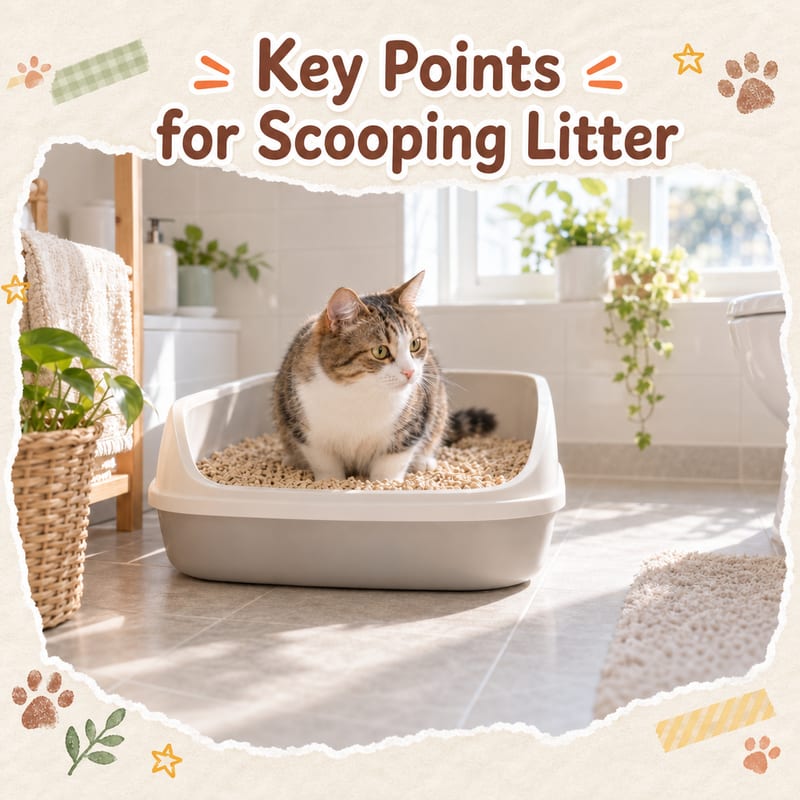
Three extra usage tips: maintain a 5-7cm litter depth to prevent urine clumps from hitting the box bottom; store unopened litter sealed and off the floor; during humid spells, shorten the full-box change cycle (within 2 weeks), and if you see clumps softening or smell mould, replace everything immediately. For litter box placement advice, see the Cat Litter Box Buying Guide; for advanced okara options, see Tofu Cat Litter Recommendations and the N1 Cat Litter Review.
Which Cats Are Especially Suited to Plant Litter?
Kittens—curious and often lick litter; the risk of ingesting plant litter is far lower than bentonite clay; cats with sensitive respiratory tracts or skin—low-dust formulas cause the least irritation; small flats without windows—flushable litter eliminates the odour of stored used litter. Conversely, if your cat digs vigorously and you prioritise the feel of scooping firm clumps, clay litter or a "tofu-based with a thin layer of clay" mix may suit you better.
A Closer Look at Five Plant Ingredients
- Okara (tofu litter): the most mainstream; strip-shaped granules, easily dissolvable, flushable; downside is it softens in humidity, so store airtight.
- Corn litter: fine granules, good odour absorption; some cats like to play with corn kernels, increasing the chance of spills.
- Wheat litter: natural clumping, biodegradable; the wheat scent appeals to humans, but some cats dislike it.
- Cassava litter: excellent clumping elasticity, almost odourless, a rising star in recent years; higher price and less available.
- Pine litter: strip-shaped, natural pine scent suppresses odour; can be used with a double-layer box (urine drains to the bottom, faeces stay on top), the most litter-saving for cleaning, but cats need an adjustment period and some dislike the wood smell.
Before choosing an ingredient, consider your environment: does your cat have preferences (some only accept fine granules), your tolerance for smells, and whether you're willing to change the whole box every two to three weeks.
Mould-Prevention Storage for Humid Weather
Hong Kong's humidity is high from April to September. Three keys to storing plant litter: sealed (use a ziplock storage container or clip the original bag tightly), off the floor (don't place directly on tiled floors; use a shelf or plastic box underneath), away from heat (don't store next to toilet cleaners or bleach; chemical vapours can alter the scent and make cats refuse it). During humid spells, shorten the full-box change cycle to within two weeks; smell the litter before opening—if there's a mouldy odour, throw the whole bag away. Don't sacrifice your cat's urinary health to save a few dollars.
Before Flushing, Check Three Things
Plant litter claims to be flushable, but old tenement buildings and village houses in Hong Kong have varying drainage systems. The safe approach:
- Confirm the product label: only treat as flushable if the packaging says "flushable"; "biodegradable" does not mean flushable—they are two different things.
- Small amounts at a time: flush only a small scoop (about one tablespoon in volume) at a time with plenty of water; even the best dissolvable litter will clog if you dump a whole box.
- Be careful in old buildings: for old tenement pipes and village house septic systems, always dispose in a rubbish bag for safety; if unsure, test with one scoop and watch whether the water level rises.
To save water and be eco-friendly, another route is composting: collect plant litter in a sealed bin, let it sit for several weeks, then use on non-edible plants. However, cat faeces carry pathogen risks that are hard for ordinary households to handle safely, so it's not recommended for vegetable gardens.
Calculating the Cost of Plant Litter
Plant litter has a higher unit price than clay, but it may not be a loss overall: tofu litter is low-density, so the same volume lasts longer, and you don't need daily trips to dispose of rubbish (bagged rubbish is expensive in Hong Kong). For a single-cat household, 2-3 bags of 6L per month cost about $120-240, compared with $80-120 for clay plus daily rubbish bag costs—the difference is actually small. The real cost difference is in "time" and "convenience": flushable litter saves the daily litter disposal trip, which is the selling point for working people.
When Is Plant Litter Not the First Choice?
If you encounter the following, plant litter may not be the best fit: your cat is particularly attached to the feel of its old litter and two transition attempts have failed—put the cat first and go back to the type it accepts; your budget is under $50 per month—large bags of clay litter still offer the best value; you travel frequently and rely on an automatic litter box—some models' sieves are incompatible with long strip-shaped plant litter, so check the manual before buying. Recognise the limitations to choose with peace of mind.
What You Can Do Starting Today
- Check the ingredient list on your current bag: okara, corn, or bentonite—know what you're using.
- To switch to plant litter, use a 7-10 day gradual mixing method to let your cat adjust to the new feel.
- Buy a storage container with a sealing strip and store new litter off the floor to combat humid spells.
- Note the date of each full-box change; aim to change plant litter every 2-3 weeks.
Conclusion: Plant-based cat litter is a good choice—natural, eco-friendly, low-dust, and flushable. If you want eco-friendliness and easy cleaning, plant litter (especially tofu litter) is worth considering; the only thing to accept is slightly weaker clumping—choose a brand labelled "good clumping". This article is for reference only; if your cat persistently refuses new litter or urinates outside the box, consult a registered veterinarian.
Related Product Recommendations
Cat litter is only good if it clumps fast, is low-dust, and controls odour reliably. Here are cat litter products available at PetChill:
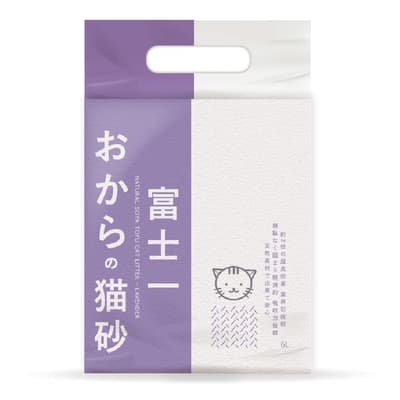
- Fuji One Natural Minimalist Daily 3.0 Tofu Cat Litter Lavender 6L - Original Import (Fuji One)—tofu litter, flushable, low dust
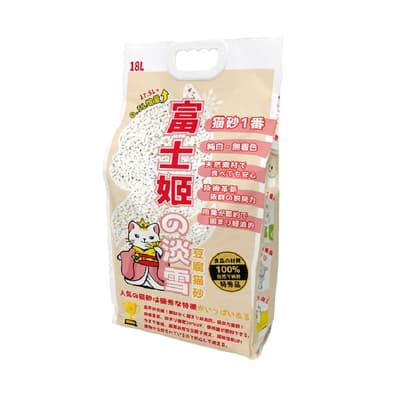
- Fujihime no Awayuki 3.0 Natural Purifying Soy Milk Tofu Cat Litter Original 18L - Original Import (Random Old/New Packaging) (Fujihime no Awayuki)—tofu litter, flushable, low dust
See more: Fuji One Brand Guide
Product prices and latest offers are subject to the product page; this article is for reference only.
 Fuji One full guide →


 Fuji Cat full guide →
 K9 Natural full guide →